
Over the course of the next few letters I’ll be covering what I believe are some of the most foundational principles of creativity. My aim is to unpack creativity in a very practical manner while, at the same time, leaving (plenty) of room for the numinous side of things. I will include the following:
Resistance and creative blocks
The nuts and bolts of the creative process
Inspiration and motivation
As many of you know, I make my living as a professional composer and songwriter for films and TV, so creativity is something I access on a daily basis. I realize that not all of you are musicians (or writers or novelist or poets, for that matter) but I’m hoping to emphasize two things throughout our deep dives into creativity:
We are all creative.
No matter your discipline there is a lot of similarity in process.
With the above in mind, let’s begin with what I believe to be one of the most foundational principles of creative work.
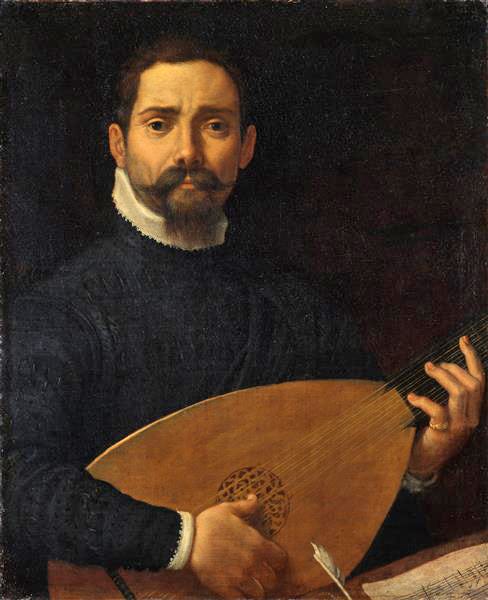
“To live as an artist is a way of being in the world. A way of perceiving. A practice of paying attention. Refining our sensitivity to tune in to the more subtle notes.
Looking for what draws us in and what pushes us away. Noticing what feels resonant.”
Rick Rubin “The Creative Act: A Way of Being”
I believe any conversation about creativity should start from this idea. That to be creative or “artistic” (I type as I adjust my monocle) can be accessed by anyone. Don’t misunderstand me: talent is (emphatically) not distributed equally among all of us. Neither is the willingness to submit to discipline (a very underrated trait in the creative world, more on that in a future letter).
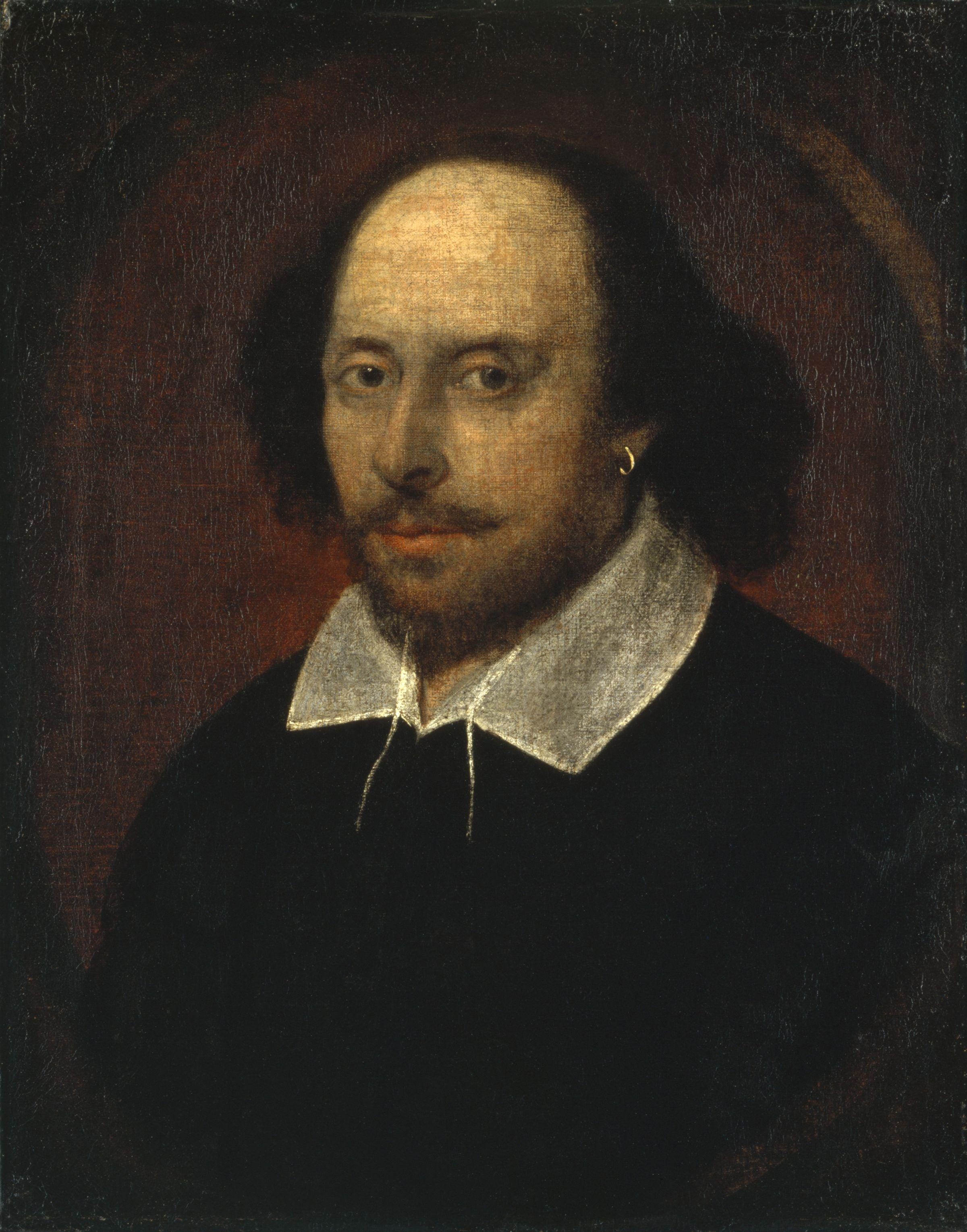
What is universal is the ability to access the part of your soul that is responsible for creative work.
In that sense, I believe we are all capable of taking at least a first step toward living a more creative life. Why not give it a try and see where it goes?
It goes without saying that creativity is in the toolbox of, well, creative professionals— folks who write books, sing songs, make movies, and lurk in the dark corners of old theaters. What’s useful to be emphasized, I think, is how many of these creative principles apply to other arenas of life like family, business, personal development and self-discovery, to name a few. What do I mean by that?
I mean that creativity isn’t limited to writing a song, painting a picture, or producing an album — it’s a state of awareness, a mode of living in which you’re attuned to the world around you, open to possibilities, and sensitive to inspiration wherever it arises.
Here is a useful breakdown of that principle of creativity as a Way of Being:
Presence and receptivity: Creativity starts with noticing. It’s about being awake to subtleties like the way light falls on a wall, the rhythm of a conversation, the feeling of a particular moment. Being able to engage deeply with music or literature comes to mind here. Many of us are constantly numb to those experiences. The idea is to live in a receptive, curious posture rather than a purely analytical or totally disinterested one.
Trusting intuition: Instead of forcing results or overthinking, you trust your inner compass, your perception. The quiet signals that guide you toward what is true, interesting, or beautiful.
Letting go of outcomes: You don’t create only with the final product in mind. You create because that’s part of how you experience and make sense of life. The process itself becomes meaningful, not just the finished product.
Living artfully: Even mundane acts like cooking, walking, arranging your desk, can become creative expressions. The key here is bringing attention, care, and imagination to everything you do, your everyday life.
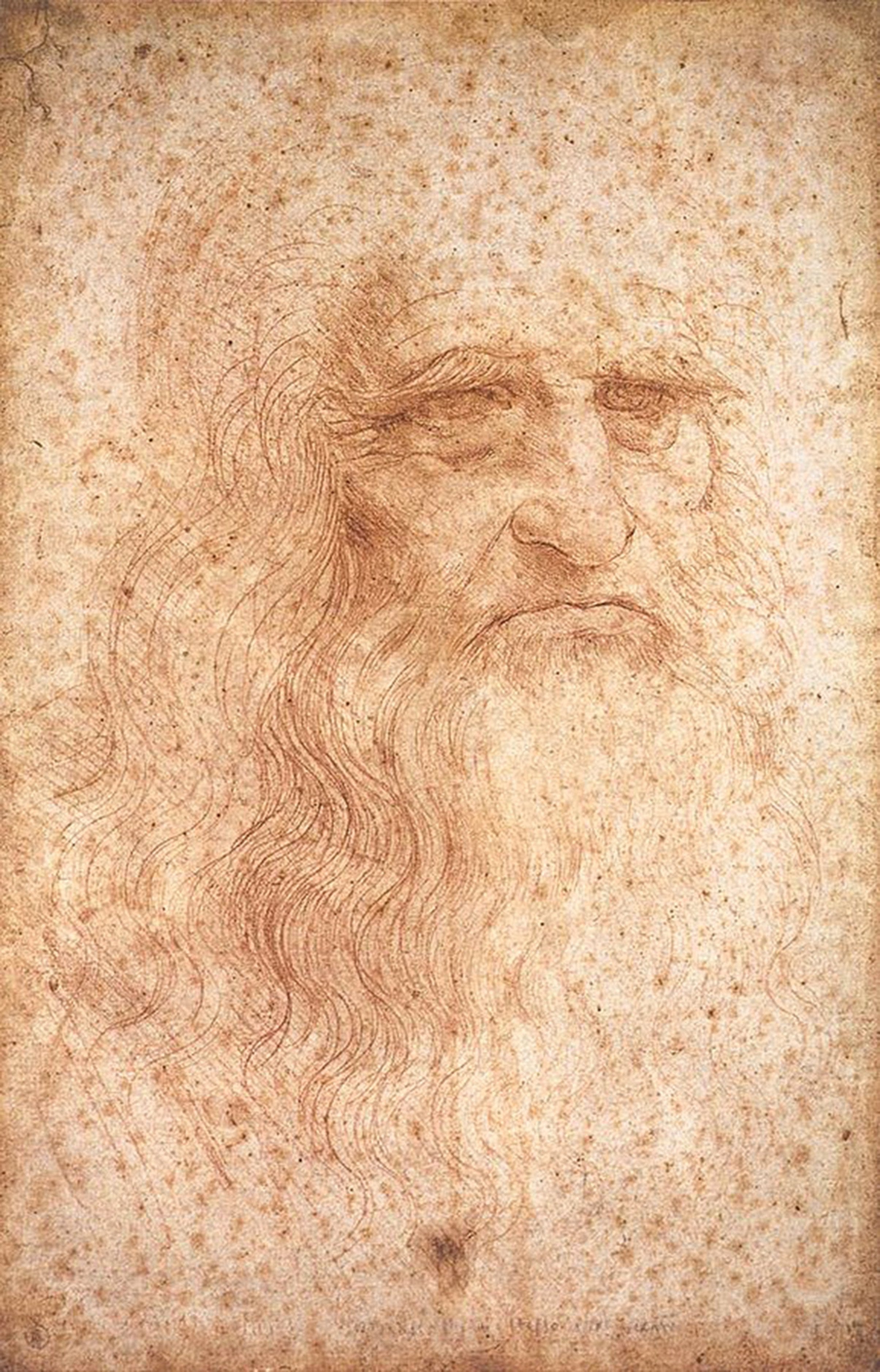
So my point here is to reframe creativity as a lifestyle of awareness, openness, and alignment with Truth and Beauty, rather than a skill you turn on when it’s time to “make something.” At the core of this lifestyle is one trait: attention. Attention is the key to presence and receptivity (and is one of the most valuable commodities we have as well as the one we are currently willing to give away most easily to the tech overlords).
With all of the above being understood, we are ready to explore our first pit stop on our little creative journey: what to do when you encounter the force of Resistance. For almost every creative in existence, there exists a mysterious force that seems to work exactly in opposition to a good attempt at doing creative work. We call that force Resistance. More on that next time…
I’m trying to recommend great music as often as I can in these letters. To that end, something I’ve been listening to a lot in the last few days is a new song by fellow Brazilian songwriter Tiago Iorc, just released. Tiago set to music the famous prayer of Saint Francis, pasted below:
Prayer of Saint Francis
Lord, make me an instrument of your peace.
Where there is hatred, let me sow love;
where there is injury, pardon;
where there is discord, unity;
where there is doubt, faith;
where there is error, truth;
where there is despair, hope;
where there is sadness, joy;
where there is darkness, light.
O Divine Master, grant that I may not so much seek
to be consoled as to console,
to be understood as to understand,
to be loved as to love.
For it is in giving that we receive,
it is in pardoning that we are pardoned,
and it is in dying that we are born to eternal life.
The music and words moved me deeply. I hope they do the same for you.
Lastly, for those of you who have arrived more recently to my newsletter, I host a podcast where I talk about culture, music, creativity and related topics.
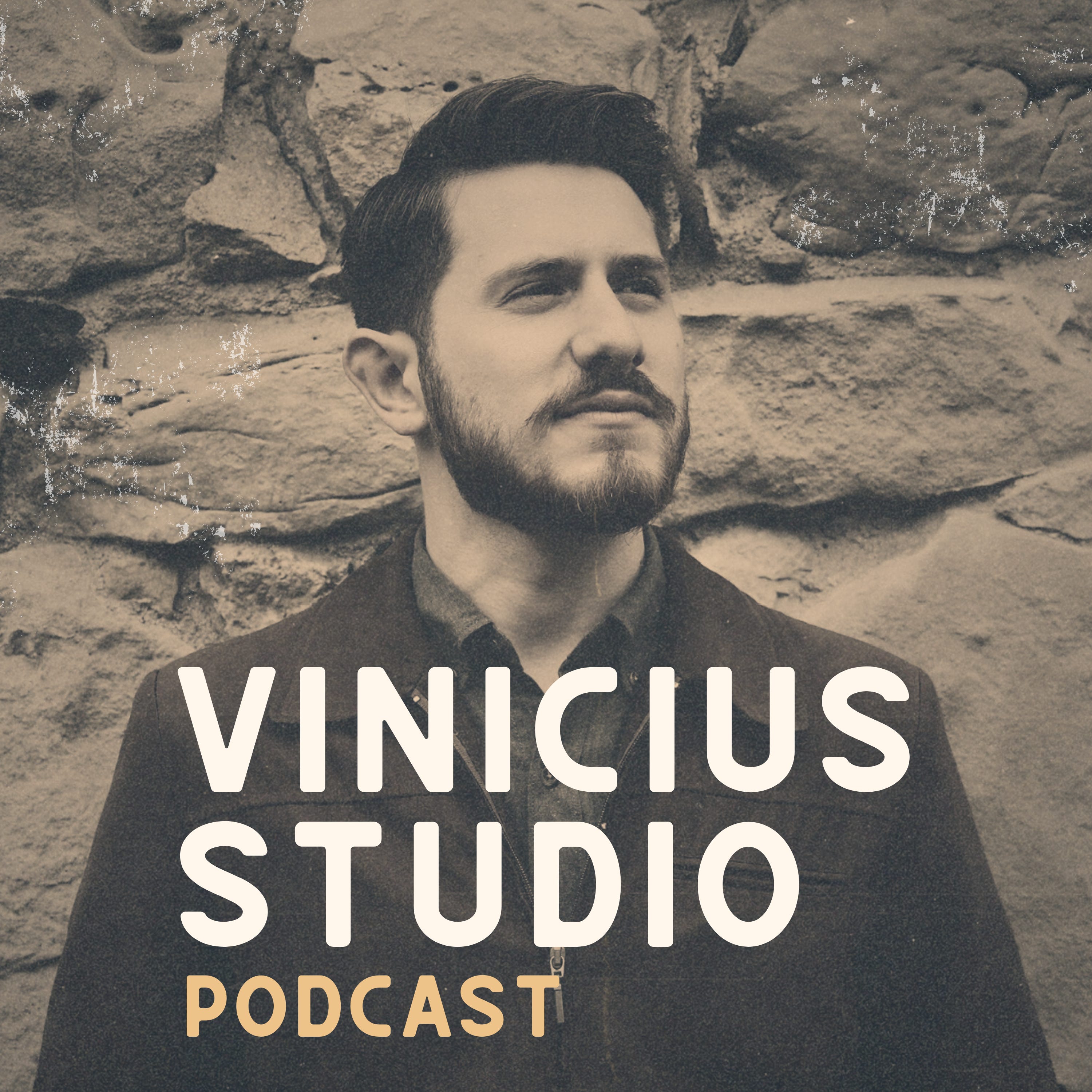
If you’d like to skip ahead and access the entirety of my series on creativity, go listen to Episode #004! Please subscribe wherever you get your podcasts so you don’t miss any episodes:
Thanks for being here,
Vinicius
No posts
Comments
Nothing yet. Say the first thing.
Sign in to join the conversation.