
The Pentagon recently told Congress that it used $5.6 billion worth of bombs and missiles in just the first 48 hours of the American attack on Iran earlier this month. It’s just one number that reveals the staggering financial cost of military adventures. But the truth is, the number is so big that I have a hard time getting my head around it. Maybe you do too. So let me draw a couple comparisons that help illustrate the scale of the choices being made on our behalf, using our own East Penn schools as a point of departure that put the kind of choices being made about our tax dollars into stark relief.
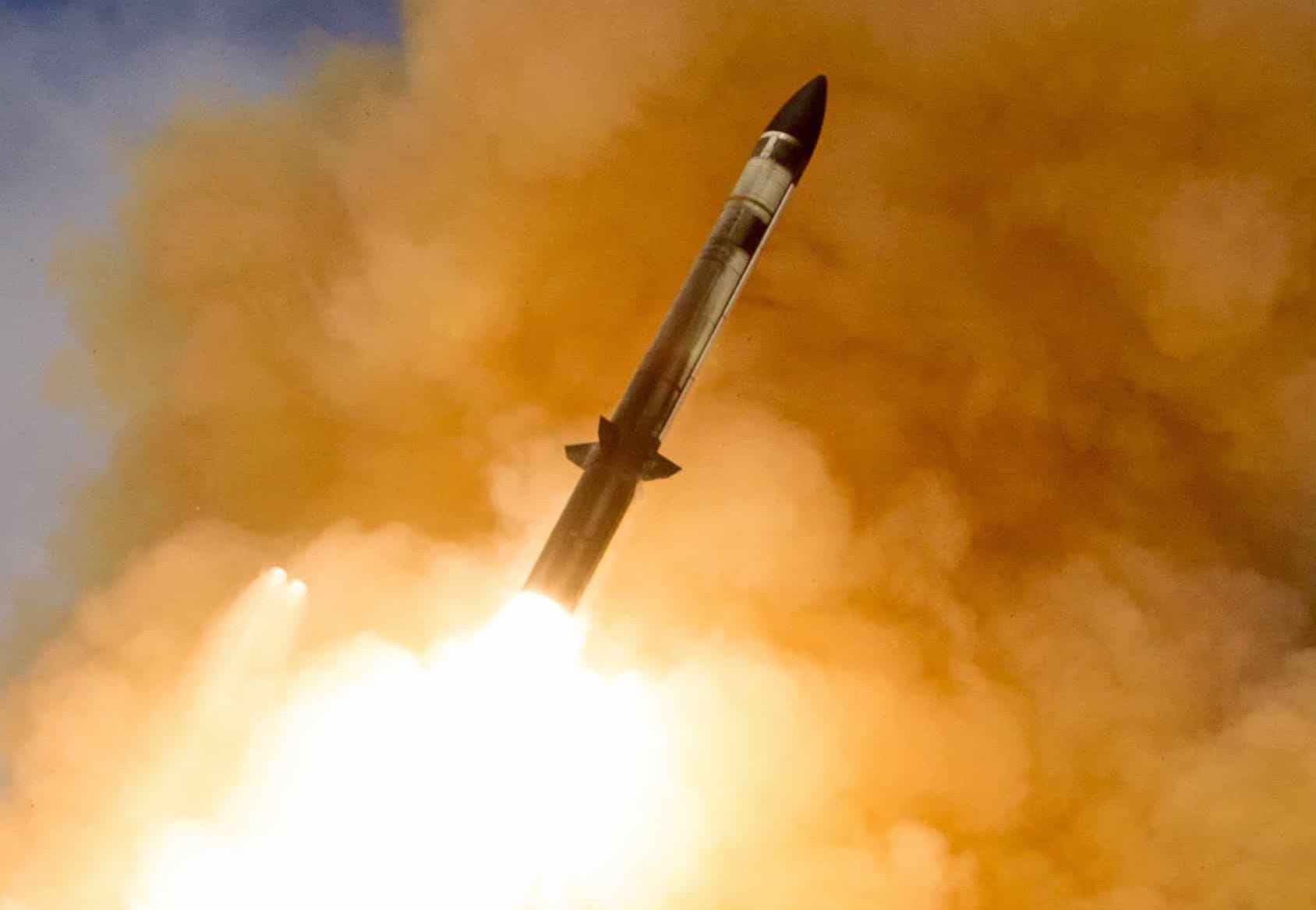
One of the premiere weapons in our military’s arsenal is the SM-3 missile, designed to protect American forces from drones and other kinds of incoming fire. The average cost of these missiles is $25.4 million. How much is $25.4 million? Well, let me translate that into local public education costs, which-- like the SM-3 missiles- are paid for with our tax dollars. East Penn spends a little more than $20,100 per student per year on education, for just over 7,500 students. This entire cost for a full year could be paid with less than the cost of 7 such missiles. And while we don’t know the exact number that have been used in the current war, military experts estimate dozens were fired in just the first 48 hours of the bombing campaign.
Another way to think about that same $25.4 million is that a single SM-3 missile could pay for the entire education, from kindergarten all the way through high school graduation, of almost 100 East Penn students.
Oh, and that one missile? It represents only 0.4% of the $5.6 billion expended in just two days.
And I can’t resist one more comparison: The first 48 hours of the U.S. attack on Iran cost taxpayers an estimated $117 million per hour for munitions alone. That means that the weapons used in just 48 minutes of the bombing campaign cost more than the entire projected costs of the “realignment” plan East Penn recently shelved after public outcry-- including my own-- over its cost. And paying for the realignment plan with local tax dollars would have meant school tax increases at the legal maximum for the foreseeable future and interest payments on the needed loans for decades.
A single SM-3 missile could pay for the entire education, from kindergarten all the way through high school graduation, of almost 100 East Penn students.
My point in making these comparisons is not that our country doesn’t need a robust military. And I’m painfully aware that none of these numbers or comparisons tell the story of the real cost of war, including the more than 150 young girls killed while attending school by U.S. forces, the dozens of civilians killed by Iranian counterattacks against American allies, and the eight U.S. soldiers that have been killed, and 140 injured, in the war in its first week.
But while this human cost is incalculable, that doesn’t mean we shouldn’t take the actual financial costs into account too, as citizens and voters. Comparisons like these make the price tag of war more concrete, and bring home the opportunity costs of war in ways that watching the nightly news or scrolling through war-related memes on our social media feeds do not.
Former East Penn board member Chuck Ballard was well known for reminding us that “every budget represents a values statement.” I hope when the next cycle of conversation and debate over school taxes comes around-- and its coming very soon-- we all remember what these comparisons reveal about the values statement our elected leaders are now making with so much of our tax money.
Related reading:
Comments
Nothing yet. Say the first thing.
Sign in to join the conversation.