
In French, in-laws are called beaux-parents (beautiful parents).
Your mother-in-law is belle-mère (beautiful mother), your father-in-law beau-père (beautiful father).
Lately I’ve been asking my French-speaking friends:
Do you think using those words changes the way you relate to them?
Not one person had ever thought about it. The words felt completely normal.
But when I asked if they have respectful, warm relationships with their in-laws, most said yes.
No “in-laws drama” or jokes that they are “out-laws”.
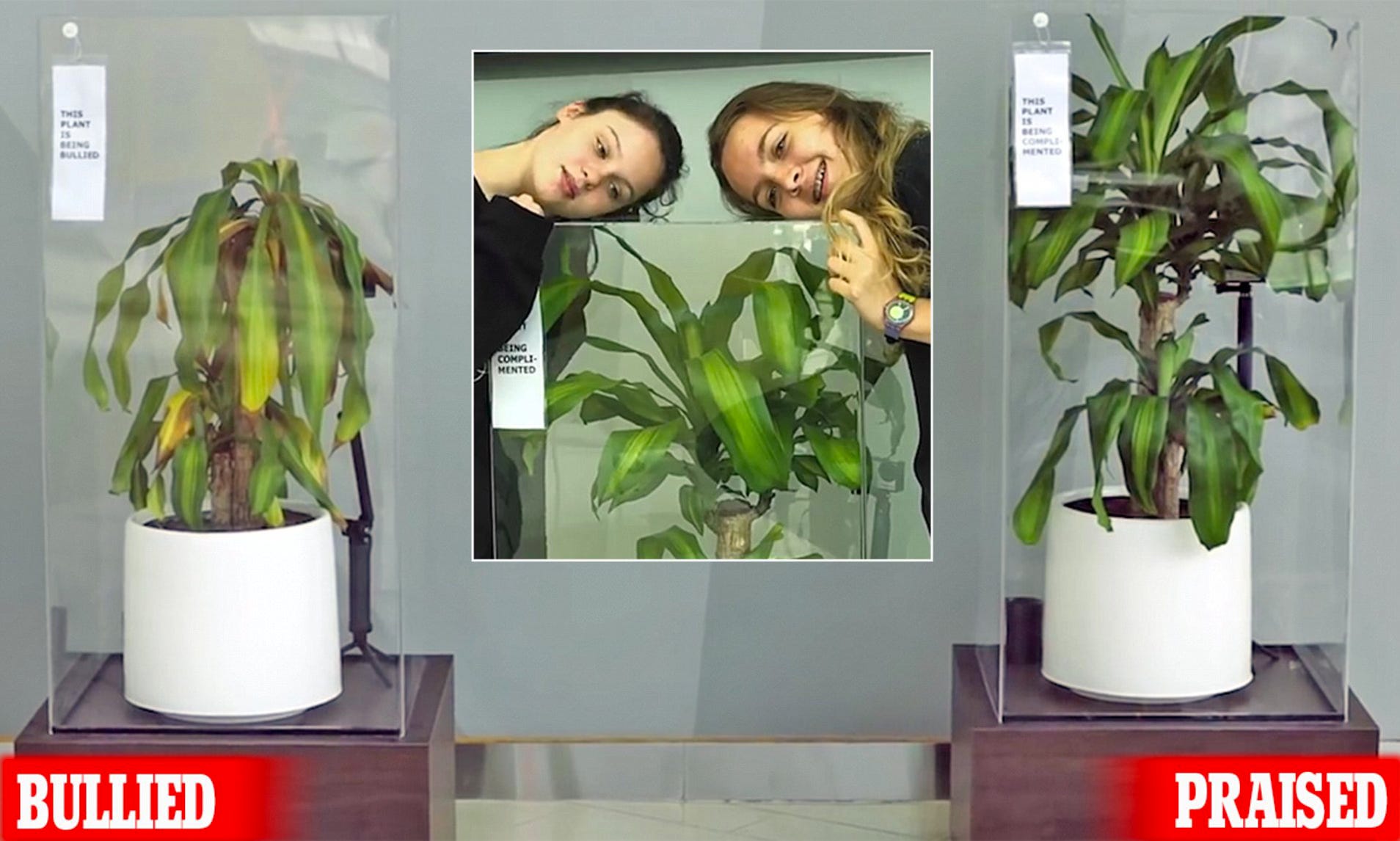
It reminded me of the IKEA experiment:
Two identical plants, one “bullied” with insults, the other “encouraged” with compliments.
The plant fed with harsh words wilted.
The one spoken to kindly — thrived.
So I keep wondering:
What happens when language itself contains beauty?
Imagine, every time you mention your in-laws, you’re calling them beautiful.
Do words quietly shape how we relate?
Not just to people — but to cultures, emotions, even ourselves?
Maybe we’re all just slightly linguistic plants. 🌱
No posts
Comments
Nothing yet. Say the first thing.
Sign in to join the conversation.