
This article was originally published at MTSI. To read more of our case studies visit our website for Micro Technology Services, Inc.
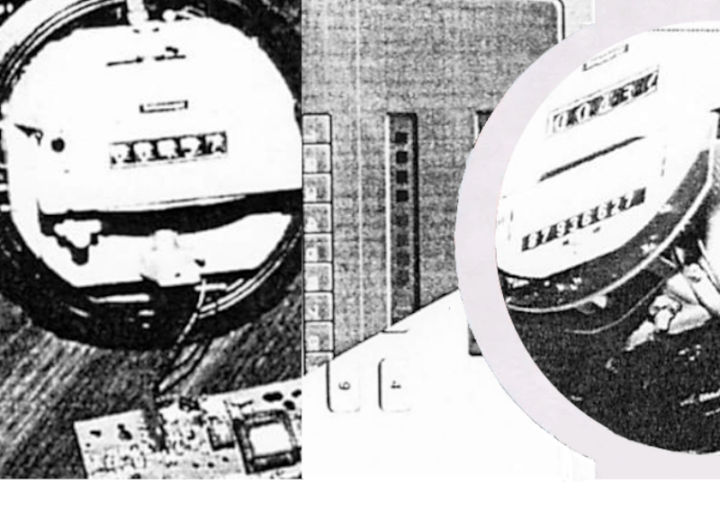
This meter module worked by measuring the rotational velocity of the electric meter’s eddy current disk using a miniature laser beam source and optical detector. This information was then converted into accumulated power consumption information which represented a “mirror image” of the electrical meter’s dials.
The current design was embodied on a single electronic circuit board using surface mount technology (SMT) components and installed inside the utility’s electric meter under glass.
Using a 100-milliwatt 928 MHz transmitter, the information was transmitted to a receiver unit every 10-12 seconds.
No wires or cables were required to be brought out of the meter or meter box, thus eliminating the code and certification problems that plagued would-be competitors for years.
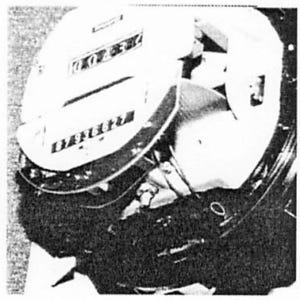
At the time, this was the only cost-effective, wireless meter encoder unit known to the industry — shown installed here in a typical electrical power meter.
This image shows the module located behind the meter’s lower faceplate. The transmitter’s 928 MHz antenna can be seen to the rear of the circuit board.
The meter encoder and transmitter module shown below the electrical power meter transformed a standard, inexpensive kilowatt-hour power meter into a time-of-use power meter and a recording peak-power-demand meter at a fraction of the cost associated with these sophisticated meters.
This article was originally published at MTSI. To read more of our case studies visit our website for Micro Technology Services, Inc.
Comments
Nothing yet. Say the first thing.
Sign in to join the conversation.