
A quick note on what I’m not covering. Cannes. The round-ups on how creators went from attending the afterparty to hosting it, the insight threads, they already exist everywhere this week, so I’m skipping them.
I’ll admit Cannes irks me, to about the same degree Burning Man does. I make a conscious decision to skip both, and both hit my timeline the same way, just on different platforms, Instagram versus LinkedIn. I’m not going to be a hater, I can genuinely appreciate anyone who had a profound experience and wants to share it. It just gets duplicative fast. Of everything I’ve read, Eugene Healy has the best take i’ve seen.
One thing did hold my attention, the only thing from Cannes I’m covering, and a through line across several things that peaked my interest this week: PROOF OF BEING HUMAN. The Lions Film Craft prizes went to work you could tell was built by hand, Acne bet its 30th anniversary on five physical libraries you can walk into, And a handful of billionaires are now funding the extension of the one resource nothing has automated yet, time itself, with Bezos, Altman, and Armstrong all backing age reversal labs at once.
Also this week:
Pavel, the VFX artist selling his own raw project files instead of hiding the process. Jay-Z’s JAY-Z30 pop-ups, where the physical archive outshines the Google Maps campaign built around it. Raf’s three-city hotel residency, betting an in-person lunch against another loyalty app.
The K-shaped economics running underneath all of it: a wealth tax the mobile can simply leave to avoid, frontier AI gated to a hundred trusted partners, memory prices climbing as AI eats the supply, a $36,000 AI summer camp, and a housing market technically favorable to nobody who can actually use it.
Plus Frank Paulin’s color photographs shown for the first time, the Zwirner annual book sale, a note from the studio, and this week’s Books.
PAVEL
“Not available for editing jobs”
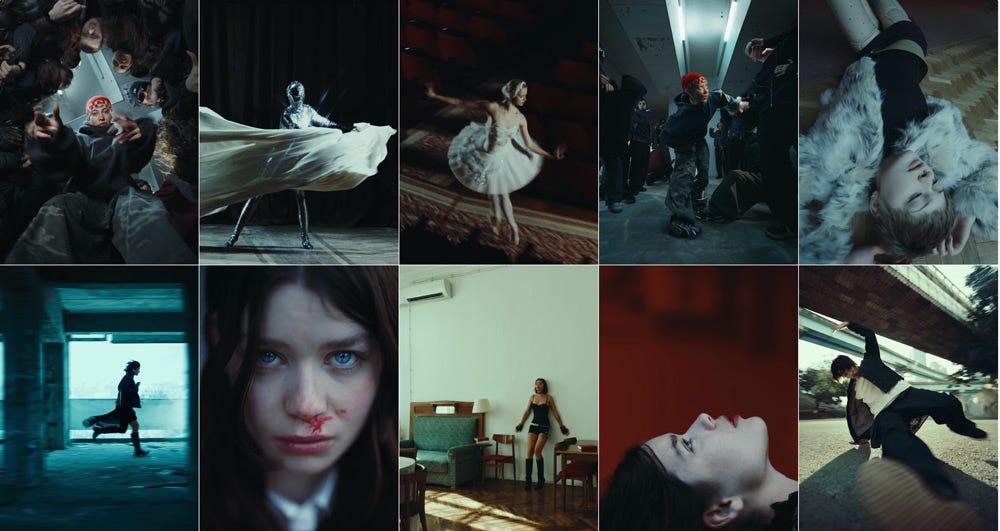
Young VFX god, cinematographer, artist, director, educator. I love the positioning here, Pavels transcending commercial work, dropping heaters, self initiated projects then selling the working files on his Patreon.
The Caretaker - A4, is sick, the VFX and edit flow sublime.
Pavel reminds me of a young Gibson Hazard, who at one point was doing end to end coverage of Drake shows redefining what you could do with a live recap via after effects. Fast forward a few years and he’s directing call of duty commercials and Nike campaigns.
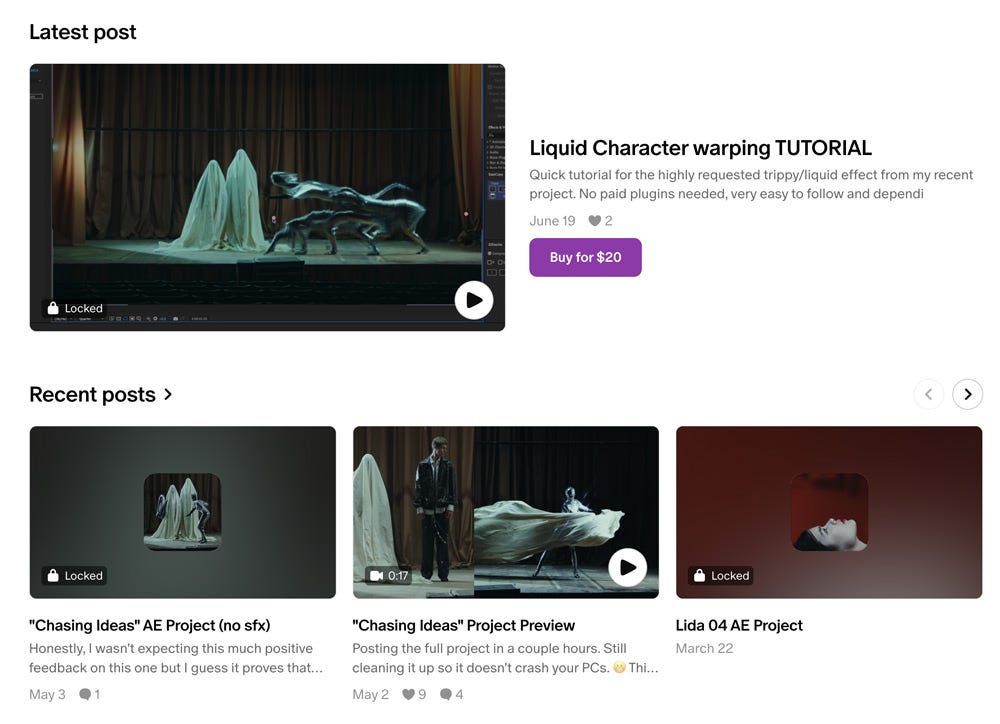
Take 10 minutes to browse his feed. If you’re working in his lane, Pavel’s giving away the goods by letting you download all his project files (for $, respect).
JAY-Z30
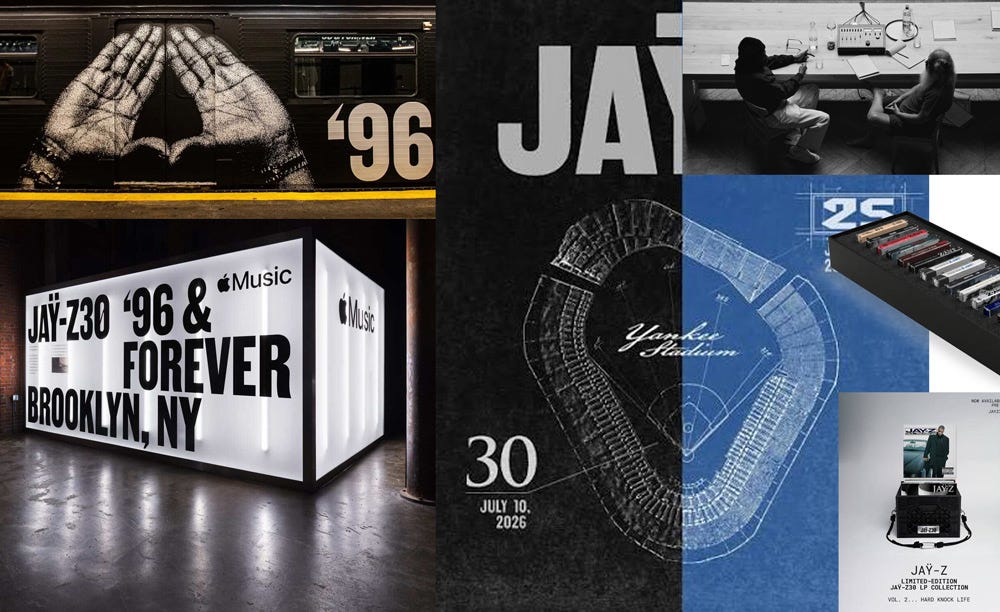
Nine days out from three nights at Yankee Stadium starting July 10, JAY-Z is deep into JAY-Z30, the yearlong campaign marking Reasonable Doubt’s 30th anniversary: pop-ups, merch, a commemorative library card, and a partnership with Google Maps chronicling his relationship to the city.
I covered the stadium sell out, the return, and the resale math in issue 51. The more interesting thread this time is Jay’s fifteen-plus-year run as a platform-native stunt marketer. Jay has made incredibly tech native business and marketing moves, showing a prowess for marketing that also serves him greatly via the deals associated.
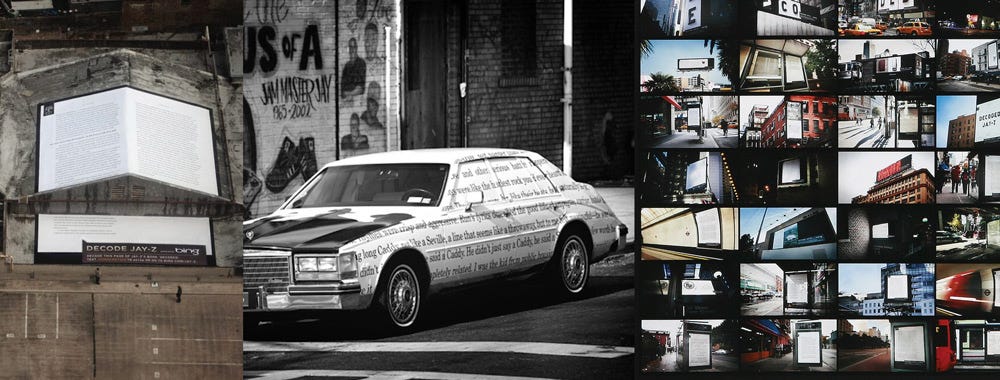
Decoded (2010): To launch his memoir, Jay partnered with Droga5 on a campaign built inside Microsoft Bing. 300+ pages of the book were hidden in real-world locations, a New Orleans rooftop, the bottom of the Delano Hotel pool in Miami, a Brooklyn Cadillac, and revealed daily through Bing Maps, with finders competing for a trip to see Jay perform in Vegas on New Year’s Eve. Decoded hit #3 on the NYT bestseller list, stayed there 19 weeks, and became a Harvard Business School case study. Bing broke into the top 10 most visited sites for the first time.
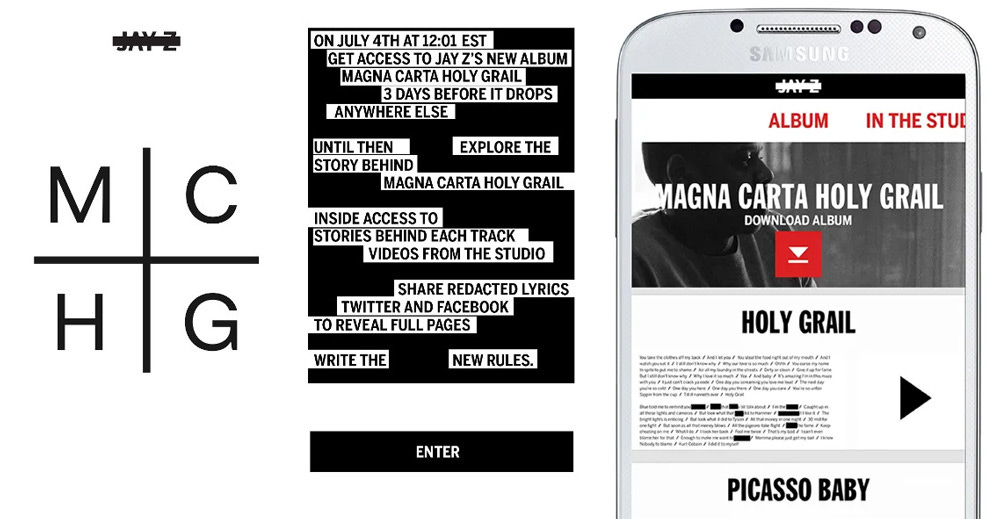
Samsung / Magna Carta Holy Grail (2013): Samsung bought 1 million copies for $5M, part of a larger deal reported at roughly $20M, and gave the album free to the first 1 million Galaxy owners 72 hours before retail release. The RIAA changed its certification rules that June, prompted directly by this deal, to certify digital albums on release day instead of waiting the standard 30-day audit. Jay went certified platinum before the album was technically for sale. Billboard and Nielsen SoundScan refused to count the giveaway toward the Billboard 200, a rule change in his favor, not a chart win, and divisive at the time.
Bing needed search share. Samsung needed to look different from an iPhone. Also an interesting move that you can make a lot of money working with second place players. (The CEO of bing said to me, around this time “Theres a lot of money in second place”)
The Google Maps partnership doesn’t have that same hunger behind it, which is probably why it’s honestly less interesting. It’s a curated list, recording studios, Marcy Houses, the Garden, Yankee Stadium, but there’s nothing a user couldn’t build themselves.
What is quality, are the pop-ups. Bowery Station, the centerpiece, is a decommissioned Lower East Side subway station rebuilt with five retired cars into a full Reasonable Doubt listening environment, executed by MATTE alum Ken Tokunaga, who’s now a creative director at General Idea.
“We approached the pop-ups less as exhibitions and more as physical expressions of a living body of work,” Tokunaga and co-creative director Ian Schatzberg told Billboard.
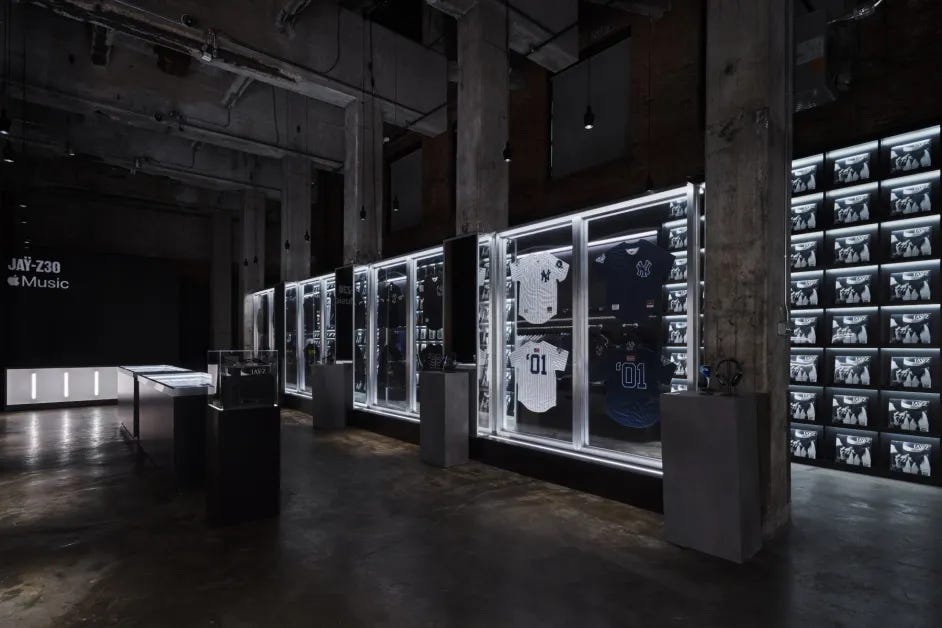
Screenings of “Dead Presidents,” “Ain’t No...,” and “Feelin’ It,” archival footage, early-career memorabilia, a 1993 Lexus, and a retail shop. Merch includes a $1,500 crate of all 13 solo albums on vinyl, a cassette discography, Yankees jerseys, and varsity jackets.
Two pop-ups and a library card are in play:
Manhattan. Bowery Station, 10 Kenmare St. Free entry, June 25-26, 11 a.m. to 8 p.m.
Brooklyn. Smack Mellon, 92 Plymouth St., DUMBO. June 25-July 5, 11 a.m. to 7 p.m. The building’s exterior appears in the background of the “Dead Presidents” video.
Brooklyn Public Library. The JAY-Z30 limited-edition library card is available at all BPL branches starting June 25, first come first served while supplies last. Marcy Library, Jay’s local branch growing up near the Marcy Houses, has a dedicated shelf of books he picked, donated by Roc Nation.
FRANK PAULIN: UNSEEN COLOR, 1956 - 2008
A quintessential New York photographer, Paulin captures moments of beauty in urban chaos.
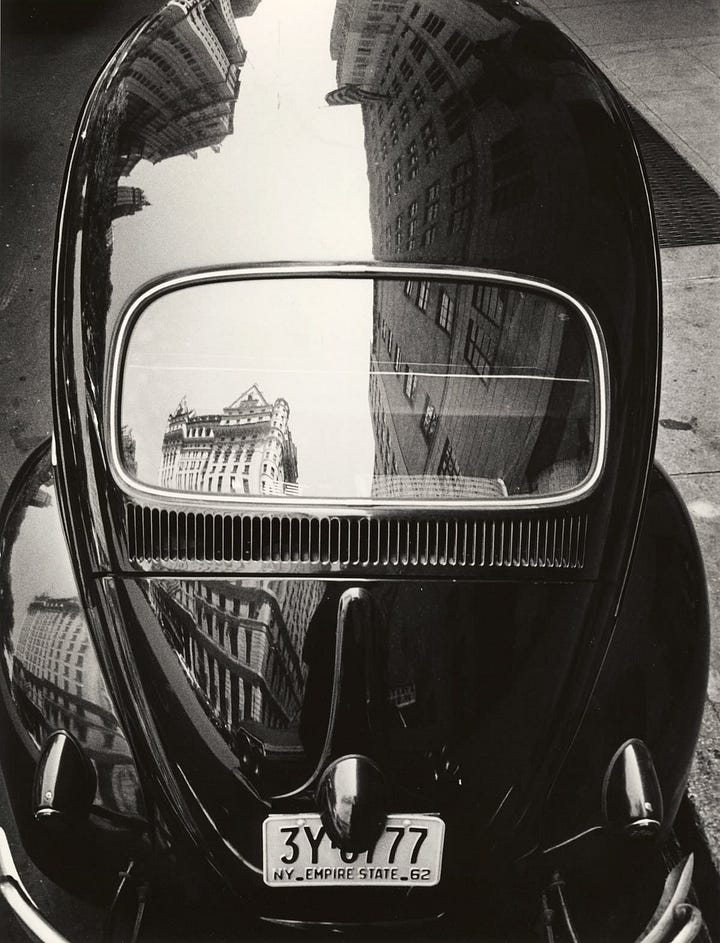
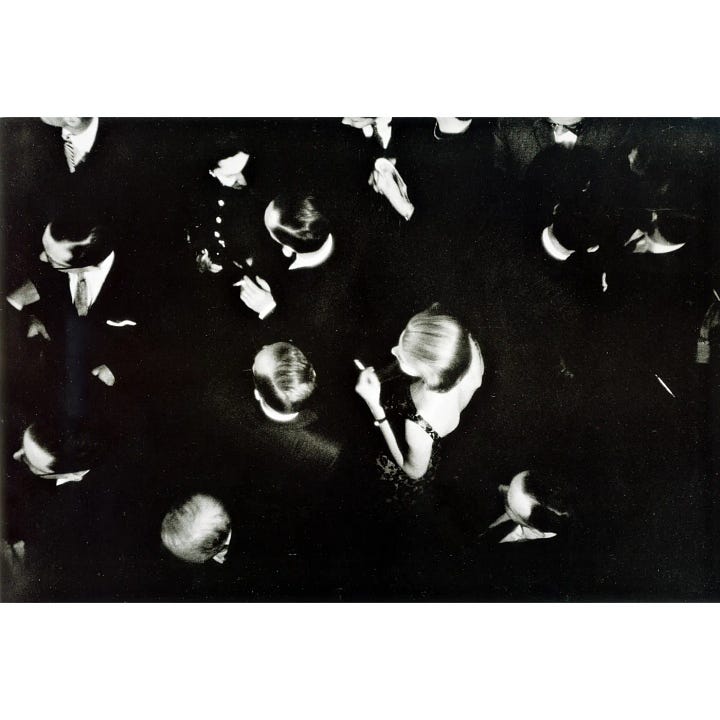
Most known for his black-and-white street photographs of New York City, the Unseen Color exhibition will be the first devoted exclusively to the artist’s color photographs.
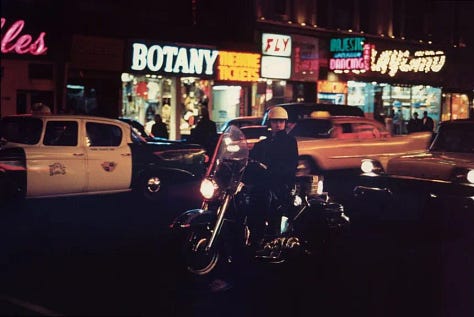
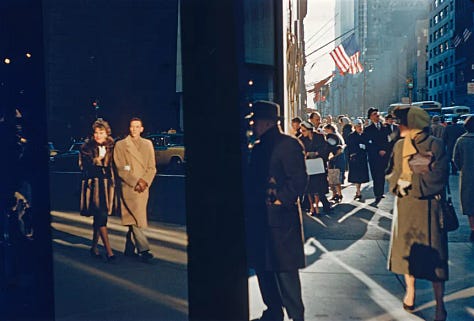
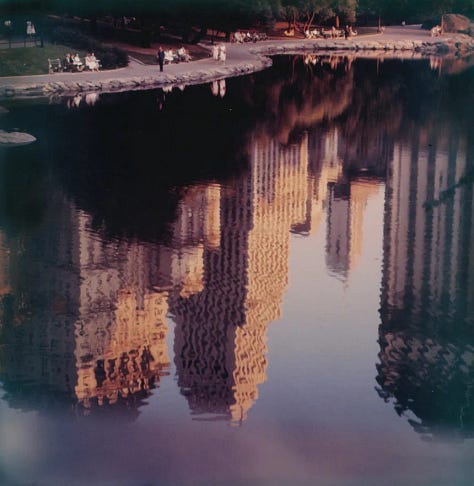
On view at Bruce Silverstein. June - August 14th.
ZWIRNER ANNUAL SALE
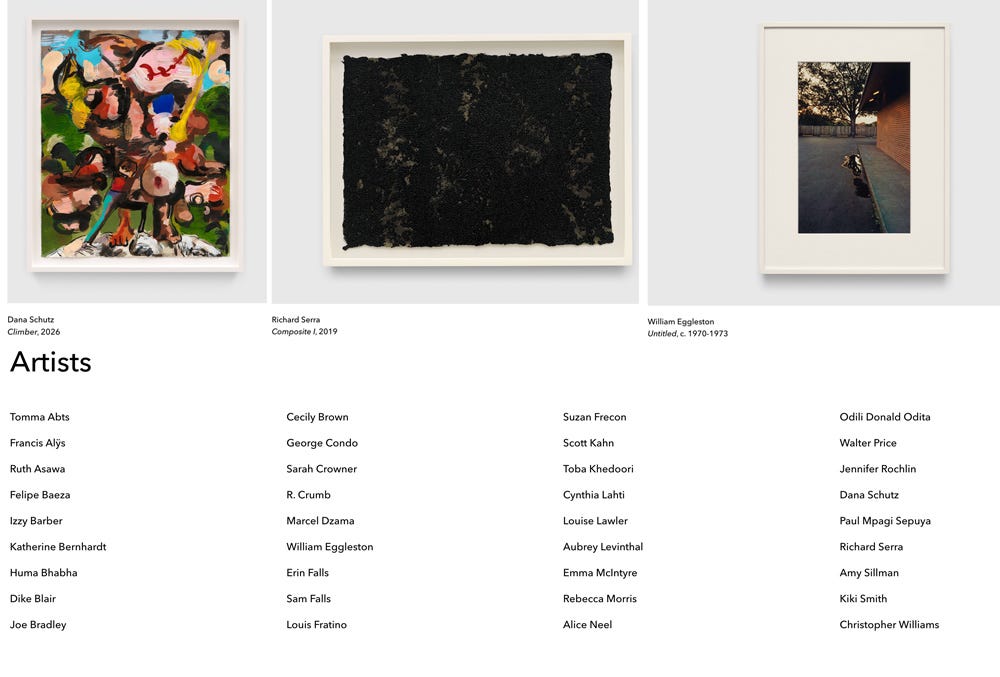
For a stock up on art books, hit Zwirner’s annual archive sale. While there, you can see the new group show: In Solidarity: A Benefit for the American Immigration Council and Journey’s End Refugee Services which has an impressive roster.
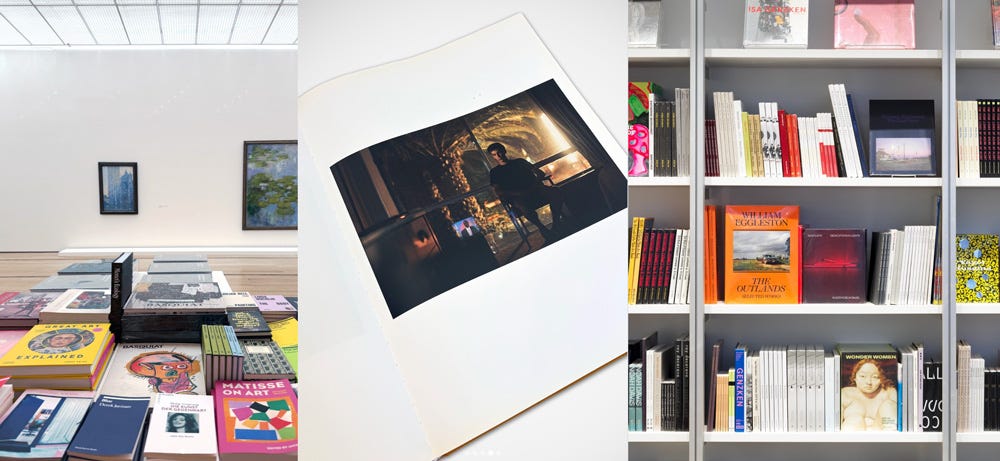
One can never have too many art books. The bookstore at 525 West 19th Street.
LIONS FILM CRAFT WINNERS
My one bit of Cannes coverage this week: three of the day’s Grand Prix went to demonstrably handmade work. Apple TV’s glass-built rebrand took Design, Coinbase’s “Your Way Out” took Film Craft, and De’Longhi’s miniature-set film took Industry Craft, with LBB noting “handcrafted work has succeeded across the board today.”
In the AI age, brands are going to great lengths to do things by hand. In Apple’s case, delivering a product so polished you wouldn’t know it was handmade if not for the process film.
Those process films are the campaign now. Apple almost never shows its work, and this spring it broke pattern twice, releasing a “peek at some handmade magic” Short revealing the practical models behind its MacBook Neo launch film. Its Cannes win is a separate piece of craft: the Apple TV rebrand, a new intro and logo built entirely from real glass with colour reflected through it, shot in-camera.
“The craft is exquisite. And importantly, what could have been made far quicker, far more easily using tech, was made by hand. [It was] human-made, gloriously. You can sense the love that has been poured into it. And most importantly, it just didn’t need to be made this way.”
Greg Quinton, Design jury president / CCO, Design Bridge and Partners, on the Apple TV rebrand
Coinbase shot a PS1-era video-game world almost entirely in-camera, then built a parallel world around the craft story itself: a production essay, a YouTube BTS cut, documentation of the analog effort behind making something look nostalgically digital. Suit details were 2D-printed onto fabric, actors wore reprinted masks of their own faces for a low-poly look, the lighting was shadowless, and extras were coached to move like NPCs. It takes real effort to make something look digital by hand.
“I think it really just naturally rose to the top through the process of the judging... The depth and the originality of the craft was really what we just couldn’t deny.”
Pip Smart (Great name!), Film Craft jury president / executive producer, Revolver, on Coinbase “Your Way Out”
This is the antithesis of Meta’s take earlier this year that it no longer needs creative agencies, and of Mosseri “pushing speed and output over craft” in his January slides essay. In May I wrote, “We’re going to see a lot of brands going the distance to show manual craft in a world of AI.” Cannes just handed two Grand Prix to the proof.
STUDIO PRACTICE
Two new pieces in Oil. This is my first real transition over to oils, people have told me for years that it fits my style and that I’d love the malleability.
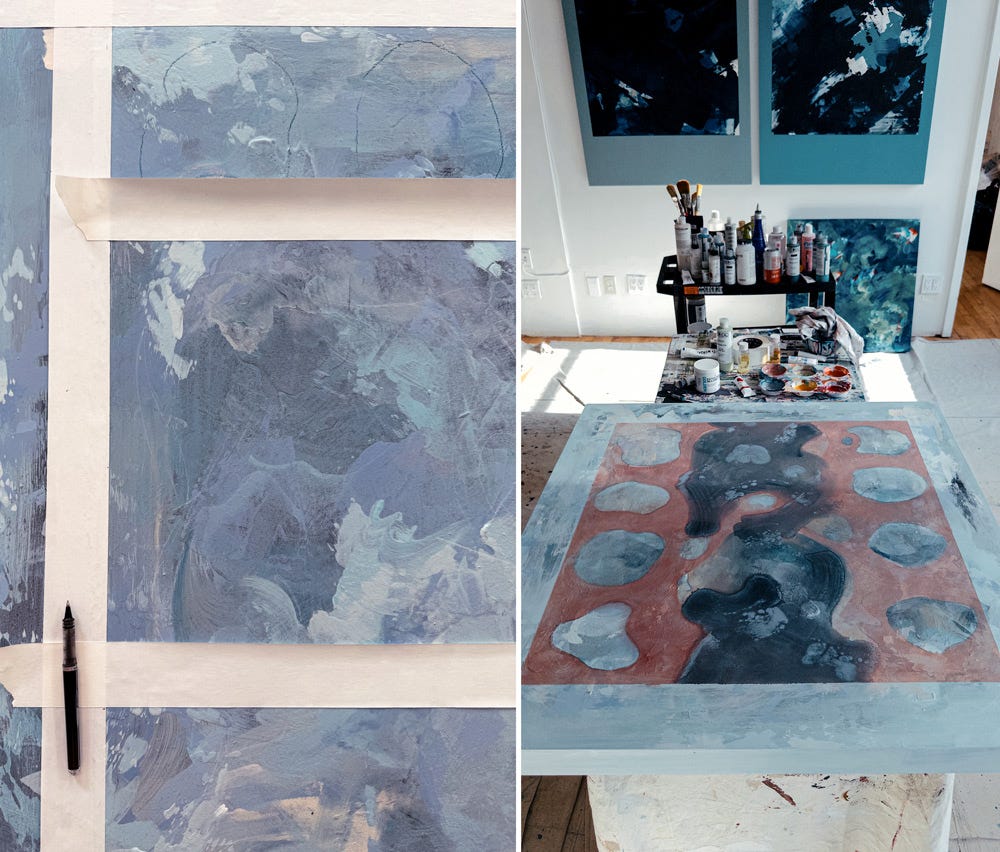
It’s an absolute game changer for me, I can blend and find transparancies not possible with acrylic. I’m loving a combination of both, where I can build layers using the acrylic mediums for weight, then finish with oils which give the translucency.
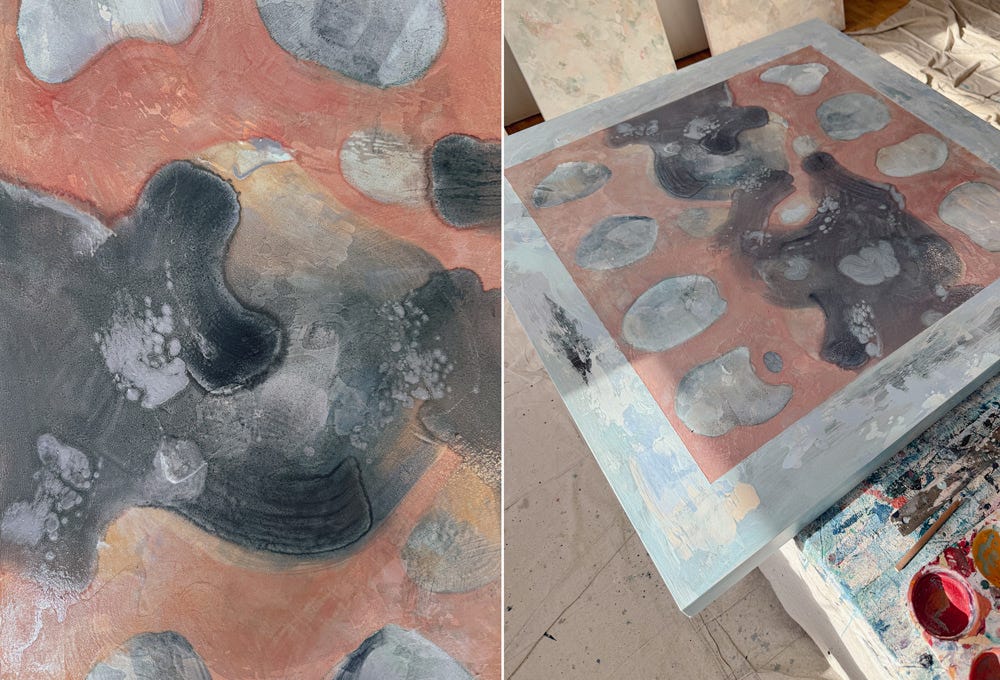
This is just a start but its incredibly invigorating to unlock this in my practice.
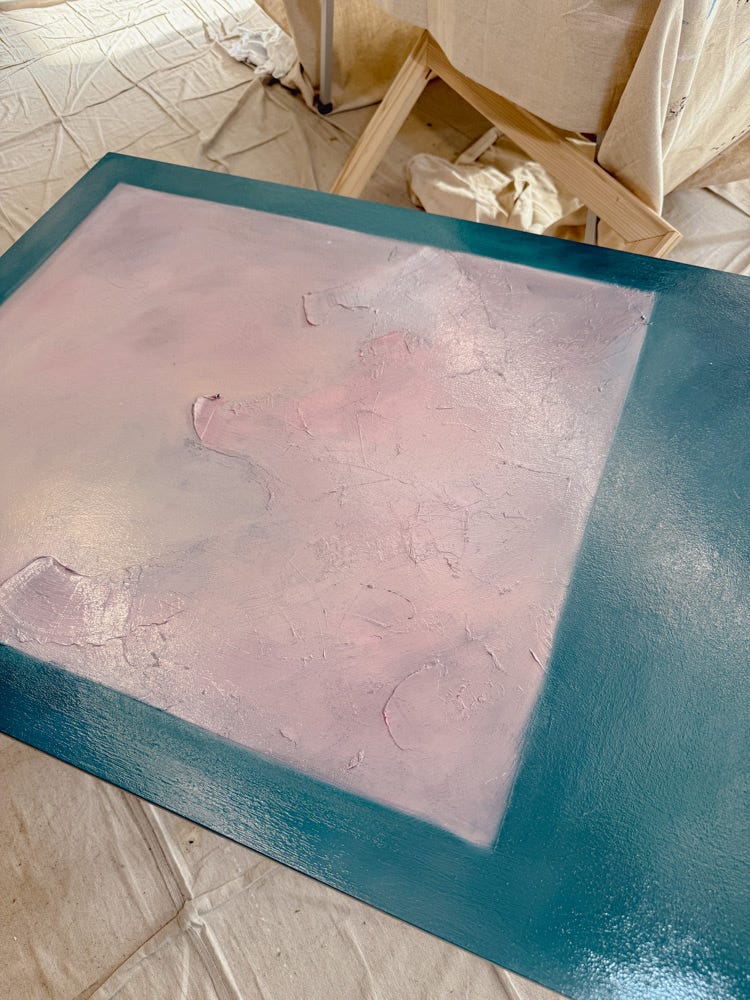
More of my work and process on my studio site.
RAF’S GLOBAL POP UP RUN
Raffles Hotels & Resorts is sending Raf’s, the Vitagliano sisters’ Elizabeth Street café-trattoria that’s become downtown’s consummate power lunch, on a three-city summer residency. It just wrapped Le Royal Monceau (Raffles Paris) during Men’s Fashion Week, lands in Boston July 15–17, then closes at The OWO in London, timed to London Fashion Week, September 18–19.
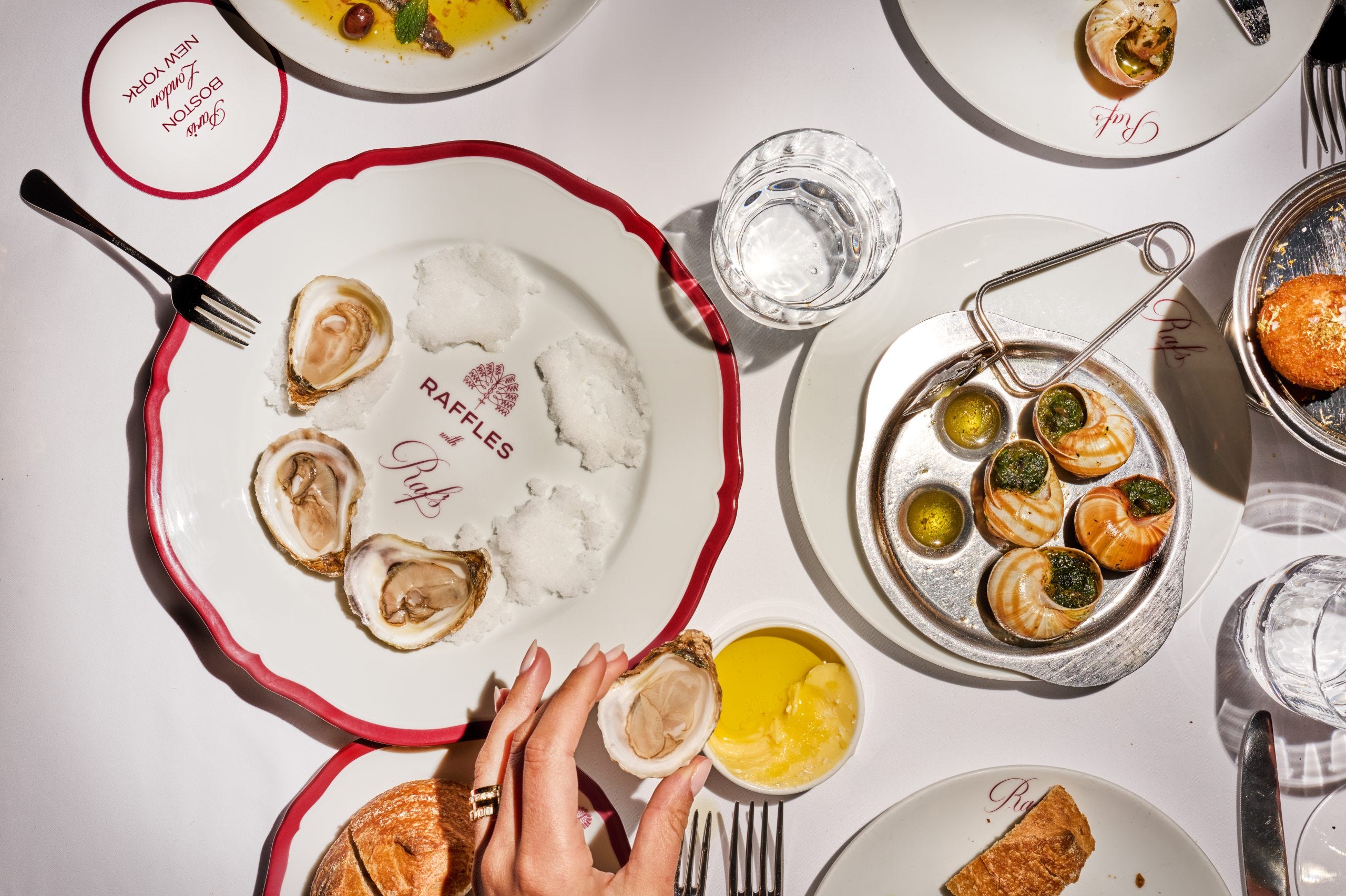
Two fashion weekends, and Boston wedged between them? Raffles Boston is the brand’s first and only property in North America, a $400 million, 35-story Back Bay flagship that opened in 2023. It’s using a New York “It” restaurant to pipe downtown buzz into an older property. Rafs get’s a global sage for two in exchange for a secondary market boost, fair trade in the deal.
It fits the larger move of hotel groups building booking moments outside the room, complete with a co-branded retail drop in each city that extends “The Butler Did It,” the fashion and lifestyle line Raffles launched this year.
LITERARY PLAYS IN LUXURY
Fashion continues to cozy up to literature. Acne is celebrating its 30th year with a global roll out of “Acne Paper”, with key markets getting full on pink libraries.
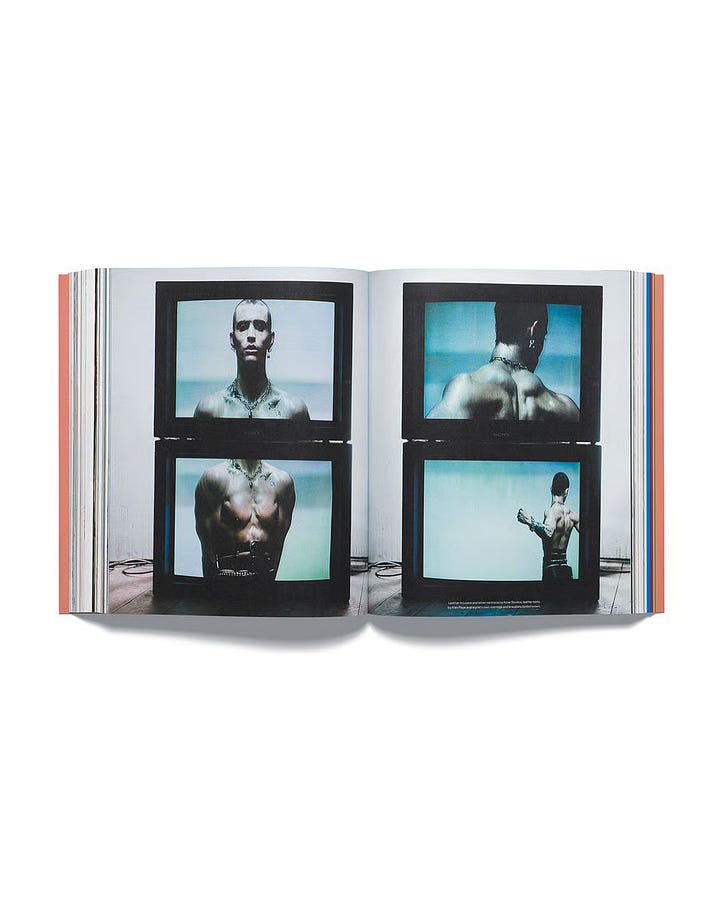
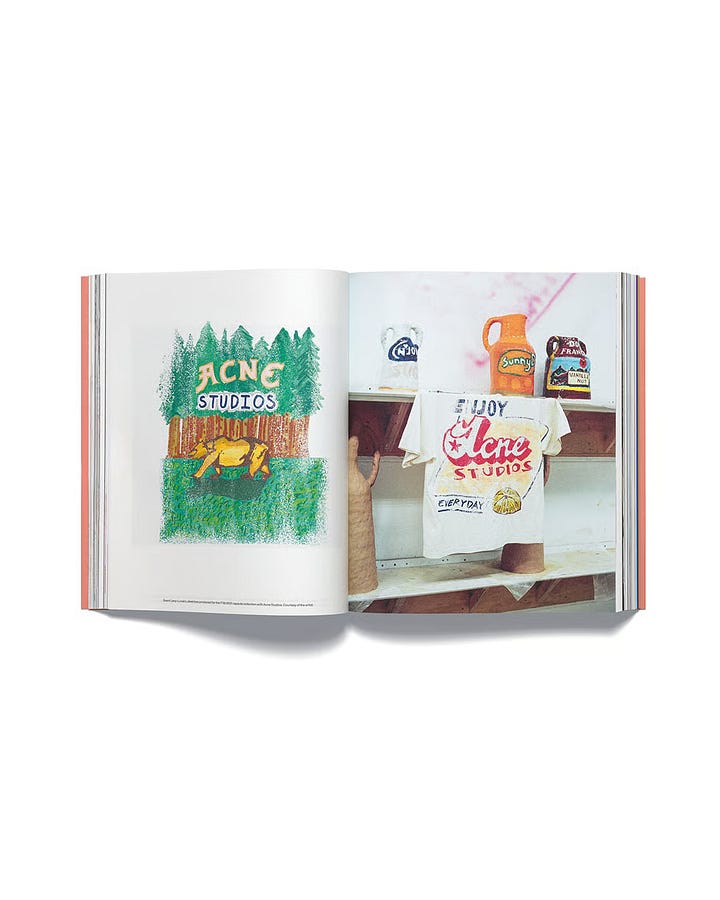
Acne Paper 21: Autoportrait is a 500-page self-portrait of the house and its long relationship with art, architecture, and design, carried through limited-edition publishing. Instead of just shipping it, Acne is launching five cities launch at once.
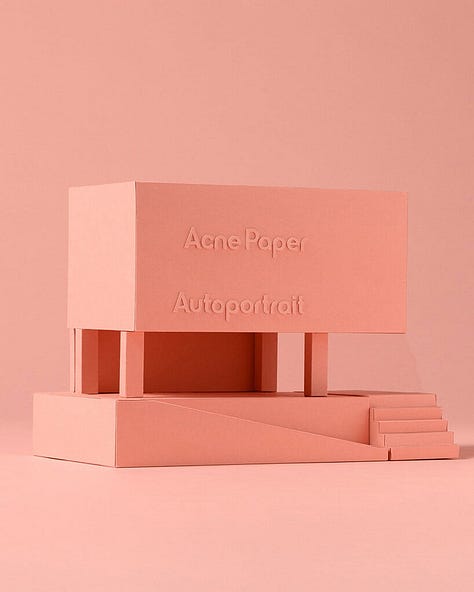
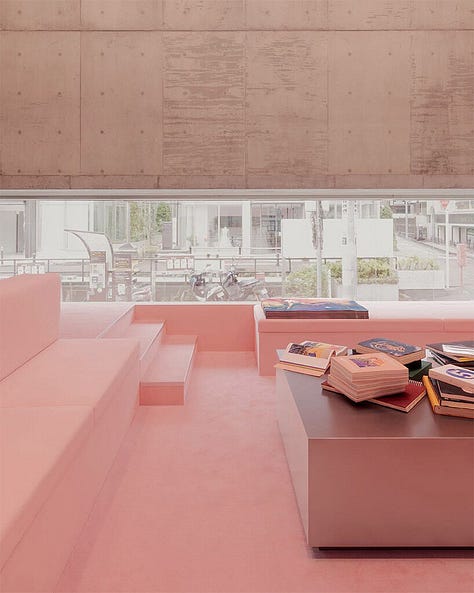
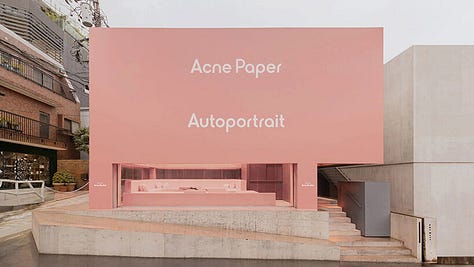
June 25 through July 5, each a Pink Library adapted to its setting. Tokyo turns the StandBy Harajuku gallery into a monochrome pink reading room. Paris sets a kiosk along the Seine with Delpire & Co. London shrinks a telephone box in Soho Square into a miniature library curated by Claire de Rouen Books. Shanghai and New York get their own.

Acne isn’t alone in the literature embrace. Luxury houses keep circling printed matter, and literature. Miu Miu ran its Literary Club, “A Woman’s Education,” at Milan’s oldest cultural association during Salone del Mobile, then took Summer Reads to public parks in five cities.
Prada turned its Spring 2025 campaign into fiction, commissioning novelist Ottessa Moshfegh to write “Ten Protagonists,” ten short stories built around Carey Mulligan’s characters shot by Steven Meisel. Aesop’s Queer Library, now in its sixth year, has given away more than 115,000 free books. Saint Laurent runs the permanent version, Babylone, its Paris bookshop and gallery stocking rare titles and its own Rive Droite imprint.
These houses are investing in print, the slowest medium there is, made to be held and kept.
RAMPOCALYPSE
The second-order effect of the AI compute boom has started showing up on the price tag of a MacBook, an Xbox, and the living-room gaming PC. Valve’s Steam Machine, one of the most anticipated hardware launches of the year, surprised people with its exorbitant price at $1,428 fully configured. Valve engineers said the RAMpocalypse set that number, not Valve.
This is the next hurdle in the PR fight for AI and data centers, which are far more profitable than anything sold at retail. Diverting wafer stacks to an Nvidia cluster means chips denied to a phone or a laptop, causing alarming price hikes.
Last week several big stories touched on this “RAMpocalypse.” Apple raised MacBook and iPad prices about 20%, up to $300 on some configs, one of the broadest hikes in its history. Tim Cook called the shortage a “hundred-year flood” and told the WSJ he had “never seen anything like it in any area in over 40 years.” Cook said the memory and storage in an iPhone ran about $50 a year ago and about $200 now, roughly 4x. Microsoft raised Xbox prices $100 to $150 and discontinued the 2TB model.
What else, outside PCs and phones, does this touch? Cars, where “memflation” adds an estimated $880 to $1,470 to the build cost of a premium smart EV, pushing carmakers to prioritize high-end models and squeeze entry-level lines. The cost of intelligence is being pushed onto everyone’s next hardware purchase, whether or not they ever open a chatbot.
This is a supply issue, and why Micron stock is up over 700% in a year. Jefferies forecasts DRAM up 40 to 50% a quarter, with no relief until 2028.
The good news is the constraint could cyclical: the last supercycle, in 2017 to 2018, sent Micron revenue up 64% before crashing by mid-2019.
The fix: on-shoring is the obvious answer but the slow one. Micron is investing roughly $200B in new fabs in Boise and Syracuse, but that capacity does not arrive in volume before late 2027. The exotic pitch came from Elon Musk, who floated turning 100 million idle Teslas into a 100-gigawatt distributed AI computer. That builds inference capacity without new data centers, but it does nothing for the wafer shortage squeezing your laptop.
The honest answer may be the one nobody wants to hear. Even after this normalizes, DRAM has structurally repriced around AI demand. The $80 memory kit may not be coming back.
5% WEALTH TAX GOES TO A VOTE
The richest 10% of Americans now own about 68% of the country’s wealth. The bottom half of the country owns 2.5%. The top 1% by themselves hold about a third of everything, roughly as much as the entire bottom 90% put together. That is the backdrop for California’s 5% wealth tax.
This November, Californians vote on the California Billionaire Tax Act: a one-time 5% tax on anyone in the state worth more than $1 billion, paid in installments over five years, to raise a projected $100 billion for healthcare, education, and food assistance. A healthcare workers’ union is behind it. Your wealth gets measured as of January 1, 2026, so you cannot escape it just by packing up now.
The state’s own governor is voting against it. Backers offered Gavin Newsom a deal: drop the 5% measure if he carried a smaller 2% version through the legislature. He said no, and now it heads straight to voters. His reason:
“You may not be able to pick up and move to Texas or Florida to shelter your income from taxation, but I promise you that billionaires can, and do. Wealth is movable, and it shops for the state with the lowest taxes. The fight belongs at the federal level, where this broken system was created in the first place.”
That is Gavin Newsom, writing on his Substack.
Keep Reading:
Below, the rest of the wealth tax fight: the six billionaires who already left California with about $27 billion between them, the Stanford research arguing most of the rich actually stay put, and why the whole thing keeps circling back to tall poppy syndrome.
From there I get into the housing market, the most buyer-friendly it’s been in a generation even though almost no one is acting on it, and the money pouring into age reversal, where the first human has now been dosed and time is starting to look like something you can buy.
I also dig into the week the government stepped in on frontier AI while China open-sourced its own, and the $36,000 AI summer camp out in the Hamptons. Plus this week’s Books.
This is issue 58. If you’ve been reading weekly and getting value from this, a paid subscription is the best way to support the work. If you’d like a free subscription, feel free to reach out on why, I’ll most likely be happy to oblige. Many readers expense INTAKE as a professional resource, [here’s a template for that].
Comments
Nothing yet. Say the first thing.
Sign in to join the conversation.