
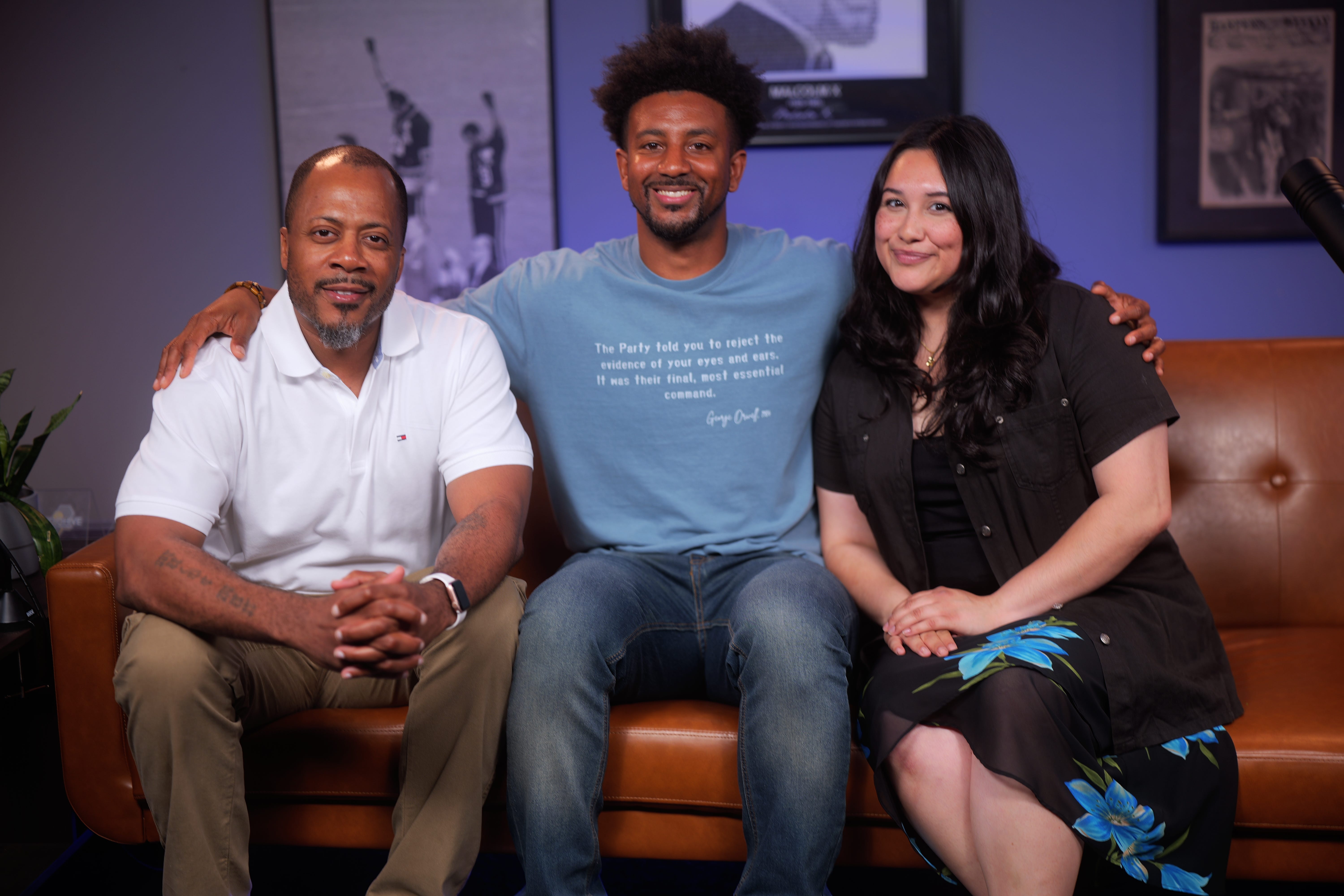
About ten years or so ago, I taught Griselda Chavez A.P. U.S. History. Fast forward to today, and the tables are turned. Now she’s schooling me on the harms of America’s current data center explosion, air pollution, truck traffic and the importance of getting in involved in the environmental justice movement. Check out the full episode below, or on your favorite podcast platform.
This came to be after I noticed Griselda (along with the organization she’s in, Warehouse Workers For Justice) while watching a Joliet City Council meeting about a potential 795-acre data center on YouTube (which has since been approved, despite public outcry).
“That’s my student!”
I pointed out to my children as we watched over dinner one day. I was proud, because being the type of teacher that I am, seeing former students engage in activism for equitable causes is the actualization of one of my top goals as an educator. As and Bs on tests are cool and all, but seeing former students courageously standing up for a righteous cause is even better. It’s what I strove to provoke and inspire as an educator those 12 years I taught in the class. There’s no guarantee that we make steps towards a more just and equitable society because a teacher’s average GPA increases. However, teaching them in a manner that cajoles them to join or start an organization that is committed to solving problems that impact humanity does guarantee that.
Since seeing her active around town in the environmental justice movement, our paths began to cross again, due to my prior collaborations with Warehouse Workers For Justice. As such, we’ve since partnered on a few of their initiatives, such as this July 8th rally, and this Will County air pollution survey. Over the past several months, she and her organization have taught me more about air pollution, warehouse expansion, truck traffic, and data centers than I learned in years of school. And truthfully, it has completely changed the way I see the world.
So, in this episode of Crim's Class Podcast, I sit down with her and my brother and this episode’s co-teacher, Marcus Cage (who helped solidify this partnership) to explore these issues more. We discuss why environmental justice isn't just a local issue; it's a public health issue that affects all of us, regardless of race, neighborhood, or political beliefs. From my childhood growing up just miles from Altgeld Gardens (on the far South Side of Chicago) to the fight happening today in Joliet over one of the nation's largest proposed data center developments, we unpack how pollution, policy, and power intersect. Griselda shares her journey from student to community leader, explains why truck traffic and massive data centers deserve our attention, recounts the moment Joliet police removed her from the podium while she exercised her First Amendment rights at a city council meeting, and outlines what everyday people can do to fight for cleaner air and healthier communities. She also talks about how we plan to organize around these issues during
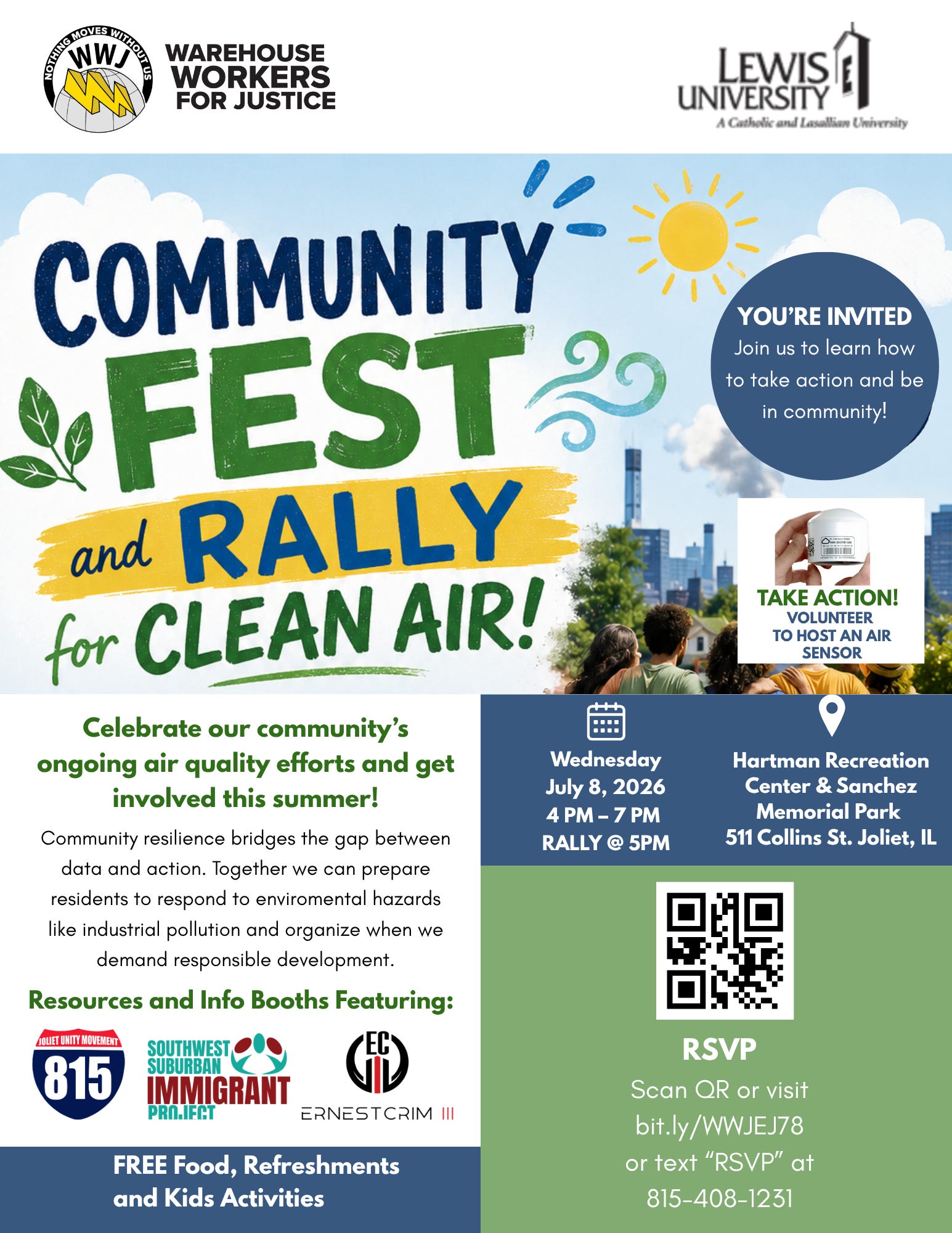
Inspired by the legacy of Hazel M. Johnson, who is regarded as the Mother of Environmental Justice, this conversation is ultimately about protecting future generations.By the end of this episode, you'll better understand: 1. Why environmental injustice affects every community (not just Joliet, IL). So,
2. How data centers, warehouses, and truck traffic impact public health.
3. Why residents across the country are organizing around these issues.
4. Practical ways you can take action in your own community.
No posts
Comments
Nothing yet. Say the first thing.
Sign in to join the conversation.