
Welcome to After Bedtime—The Mother Chapter’s weekly late-night debrief for moms who have carried the baby, carried the mental load, carried the snacks, carried the laundry upstairs and somehow still carried on a full conversation with one boob out, one eye twitching and one cold coffee they refuse to throw away.
If this feels like your group chat, send it there. If someone sent it to you, subscribe for free and meet us back here next week.
The Mother Chapter exists because moms deserve journalism that takes their lives seriously — not just their pregnancies, their kids or what they should buy next.
Paid members help us keep having the conversations that don’t always fit neatly into traditional parenting coverage: postpartum mental health, identity, maternal rage, ambition, grief, relationships, sex, bodies and what happens to the woman after everyone else starts asking about the baby.

In the days since, we’ve watched the internet do what it so often does when a complicated woman dies: try to turn a human life into a clean explanation.
We will never do that, especially when it comes to another mother. Hayden had spoken publicly for years about postpartum depression, addiction, treatment, abusive relationships and the tremendous pain surrounding her decision for her daughter, Kaya, to live primarily with her father.
In one of her final interviews, just weeks before her death, she talked again about motherhood.
About almost dying giving birth.
About postpartum depression.
About the heartbreak of not becoming the mother she once imagined herself becoming.
And about continuing to love her daughter through a version of motherhood that looked nothing like the one she had planned.
When we shared Hayden’s story this week, there was an outpouring of responses, but what struck us most was that even in the face of a famous celebrity, there was this motherhood recognition.
Moms were talking about postpartum depression, addiction, custody and shame. They were talking about how quickly a struggling woman can become a bad mother in the public imagination.
Hayden’s death has opened up a conversation that feels much bigger than the circumstances of her death.
Because this is also the summer of the Lindsay Clancy trial, so suddenly, everywhere we look, we’re finally saying words mothers should have been taught a long time ago.
Postpartum depression.
Postpartum psychosis.
Maternal mental health.
For years, mothers have been saying the postpartum system is not enough, and increasingly, institutions are being forced to acknowledge it too.
The Lindsay Clancy trial has pushed postpartum psychosis into national coverage. CBS devoted a recent segment specifically to understanding postpartum mental health and warning signs because of the questions the trial has raised.
In Massachusetts, a maternal-health law now requires covered postpartum-depression and major-depression screenings across a much broader range of encounters—including primary care, OB/GYN and pediatric visits—and applies to people within 12 months of birth as well as some parents after pregnancy loss, adoption or foster placement.
And amid the Clancy trial, maternal-mental-health advocates have been pushing legislation that would require mental-health evaluations for new mothers charged with crimes and allow postpartum mental illness to be considered in sentencing. That proposal has not advanced this legislative session, but the fact that it is being debated at all represents a larger shift in how maternal mental health is entering public policy.
Is that enough? Of course not. A screening questionnaire can’t fix a broken system, awareness cannot substitute for treatment and telling a woman to “reach out if you need help” isn’t useful if she’s too sick to understand that she needs it.
But something important is happening:
And that shift is long overdue.
And judging by the response to our post, neither did a whole lot of you. What we loved about that conversation wasn’t really about celebrity motherhood at all. It was the sheer number of women essentially saying: Wait. You too?
Motherhood can be bizarrely lonely for something that surrounds you with other people constantly. You can have the preschool group chat, the soccer sidelines, the neighborhood moms and the birthday-party circuit and still wonder whether you somehow missed the class where everyone learned how to do this comfortably.
But maybe fitting in was never the assignment. Maybe the mom who forgets pajama day and the mom with homemade cupcakes and the mom who loves volunteering and the mom hiding in her car for four additional minutes before pickup can all be very good mothers. Maybe being good at motherhood and being good at mom culture are two entirely different skills.
You don’t have to fit in with the moms to be a good mom. Frankly, that distinction could save us all a lot of time.
A few tabs worth opening—and then actually closing—this week:
We had the chance to interview Oliver Jeffers, the illustrator behind The Day the Crayons Quit, and one of our favorite parts of the conversation was his argument for something modern childhood seems increasingly determined to eliminate:
Nothing to do.
Not a craft waiting on the counter.
Not an enrichment activity.
Not a tablet.
Not Mom moonlighting as cruise director.
Just…space.
Because imagination isn’t something adults need to manufacture for children. Sometimes we need to stop filling every available minute long enough for them to find it themselves. Which, conveniently, also means you are allowed to answer “I’m boooooored” with: “Okay.”
And continue whatever you were doing.
READ: The Illustrator Behind The Day the Crayons Quit Says Kids Need More Boredom
This one has stayed with us. Midwife Corina Fitch had attended more than 1,200 births before becoming a mother herself. She knew pregnancy, she knew babies, she knew postpartum (or at least she thought she did).
Then motherhood arrived and knowing the clinical side of birth did absolutely nothing to prepare her for what was happening to her sense of self. Because this is the part of postpartum we are still terrible at preparing women for: You can know exactly how to care for a baby and still have absolutely no idea what to do with the woman you became when that baby arrived.
READ: I Attended More Than 1,200 Births—Then Motherhood Nearly Broke Me
And we mean that lovingly. We pulled together five breastfeeding and feeding brands—BabyBuddha, Ceres Chill, Legendairy Milk, The Nuzzi and Philips Avent—for one giant prize package going to one mom.
The giveaway is open through Sunday, August 23, so if you meant to enter and then a child asked you for something approximately four seconds later:
This is your reminder. The winner gets everything.
ENTER VIA THE GIVEAWAY POST ON @THEMOTHERCHAPTER_
And yes: send this section to the pregnant or breastfeeding friend who absolutely deserves a win right now.

If your feed’s recently informed you that you only get 18 summers with your kids before they grow up and everything is basically over, congratulations: you’ve encountered the latest parenting trend designed to make us emotional about a moment we are literally still living in.
The “18 Summers” trend is meant to be sweet—a reminder that childhood’s fleeting and we should soak it up, but there’s been a growing backlash to the messaging, with parents pointing out that turning every family vacation, beach day and ordinary Tuesday into part of a finite countdown can make being present feel a whole lot like pressure.
We get it. Childhood is fast and, yes, we’ll probably miss these sticky, loud, snack-filled summers someday. But motherhood already comes with enough anticipatory grief. We don’t need to mourn our children’s childhoods while they’re still standing in front of us asking for another popsicle. And, for the record, our relationships with our kids don’t expire when they turn 18.
A new poll of 2,000 mothers found that more than half of women ages 25 to 44 believe motherhood is harder now than it was for previous generations—and nearly half said they don’t have the kind of support network their own mothers had.
The research, commissioned by Philips Avent, also found that 95% of moms surveyed felt they carry most of the mental load.
None of this feels particularly shocking, which might actually be the most depressing part. We talk constantly about how mothers need a village. Find your village. Lean on your village. Ask your village for help. But a village isn’t something an exhausted woman should also be responsible for constructing from scratch somewhere between daycare pickup and ordering more diapers.
Our take: The conversation shouldn’t always be about teaching mothers to ask for more help—it should be about why we’ve built a version of motherhood where so many women have to ask in the first place.
We’ve reached the part of August where we’re simultaneously buying school supplies, pretending summer isn’t over and adding sweaters to cart. At least a few things are actually worth buying right now.
There’s a particular kind of shopping fantasy that arrives around September.
You will become a Woman Who Gets Dressed. Perhaps there will be trousers and a loafer, perhaps you will stop wearing the same four things on a rotational basis.
We support the fantasy. We simply think it should involve clothes you’ll actually wear to school drop-off, work, Target, daycare pickup and the grocery store you inexplicably enter four times a week.
So we built the 12-piece mom uniform. Just the pieces that make everything else in your closet easier to wear.
SHOP: The Mom Uniform, Upgraded
Our philosophy is basically: good jeans + good basic + one layer that makes it look intentional + shoes you can actually walk in.
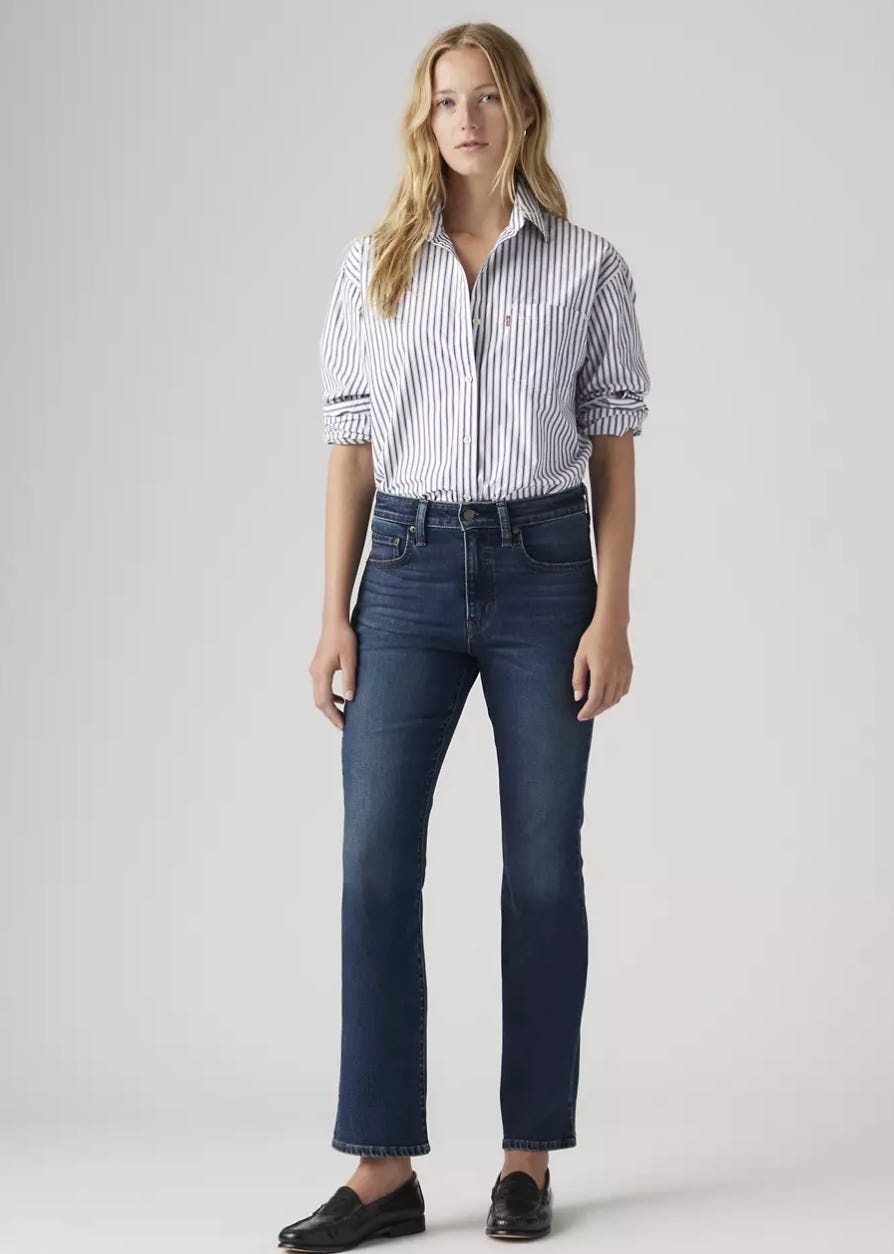
Fall mom uniform, handled. Levi’s 725 Kick Boot Women’s Jeans are marked down to around $30 right now (from $75)—which is the kind of denim sale we pay attention to. Wear them with a white tee now, sweater later, repeat until May.
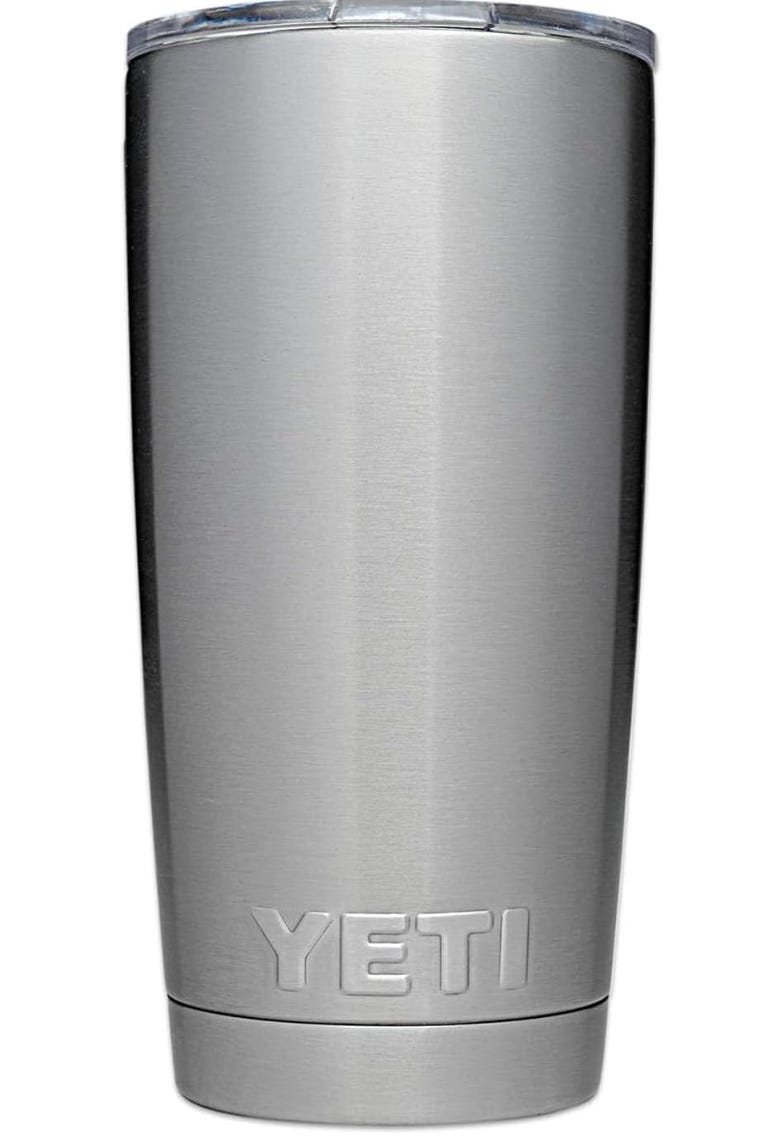
For the coffee you poured at 7:04 a.m. and will finally remember exists sometime around 10:37. The YETI Rambler is down to $34 right now, and frankly anything that keeps our caffeine hot through the morning chaos is earning its counter space.
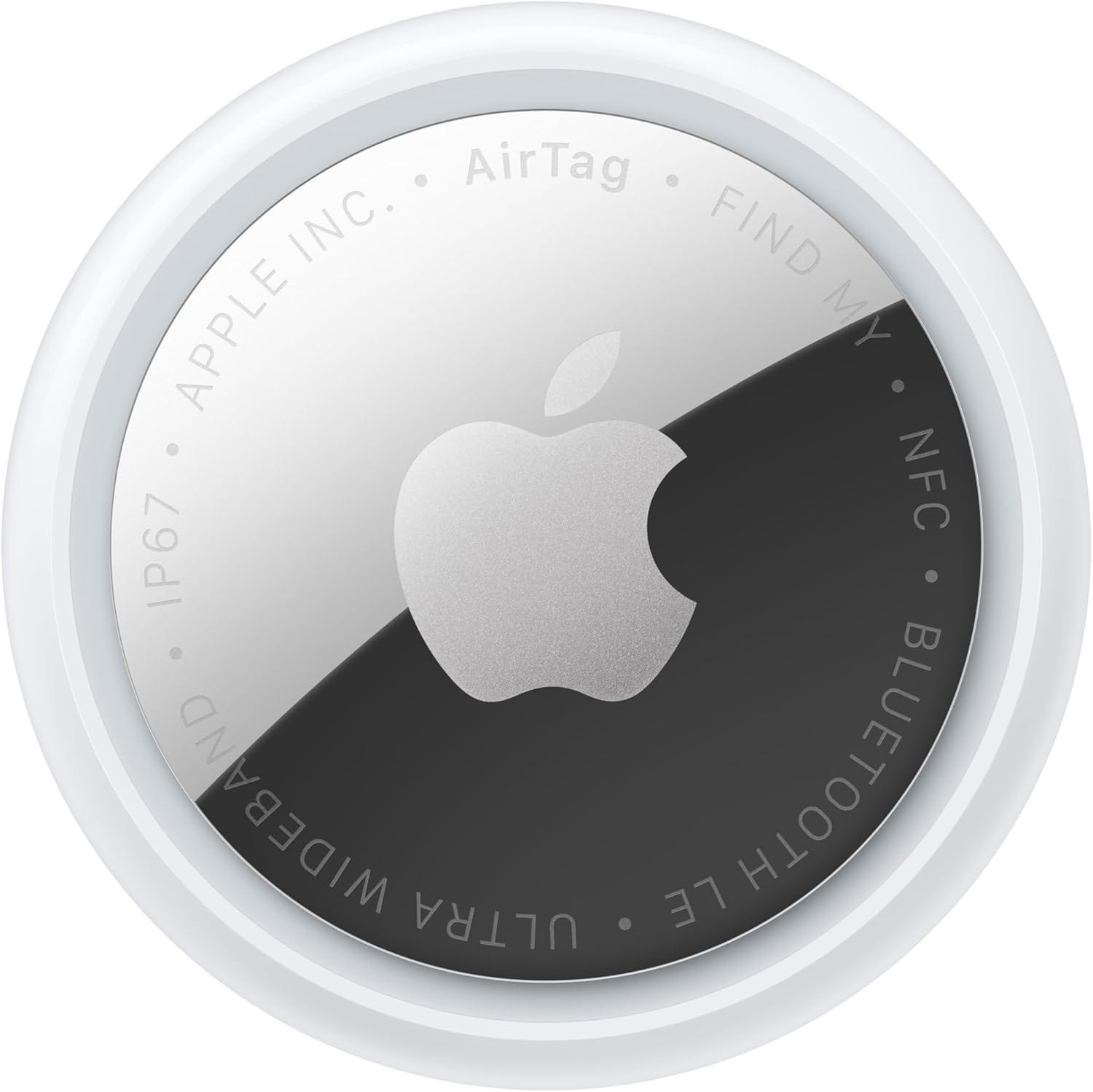
Not sexy. Extremely useful. AirTags are down to $24, which feels like a very good time to stick one in the suitcase, backpack, keys—or whatever object your family loses often enough to routinely ruin your morning.
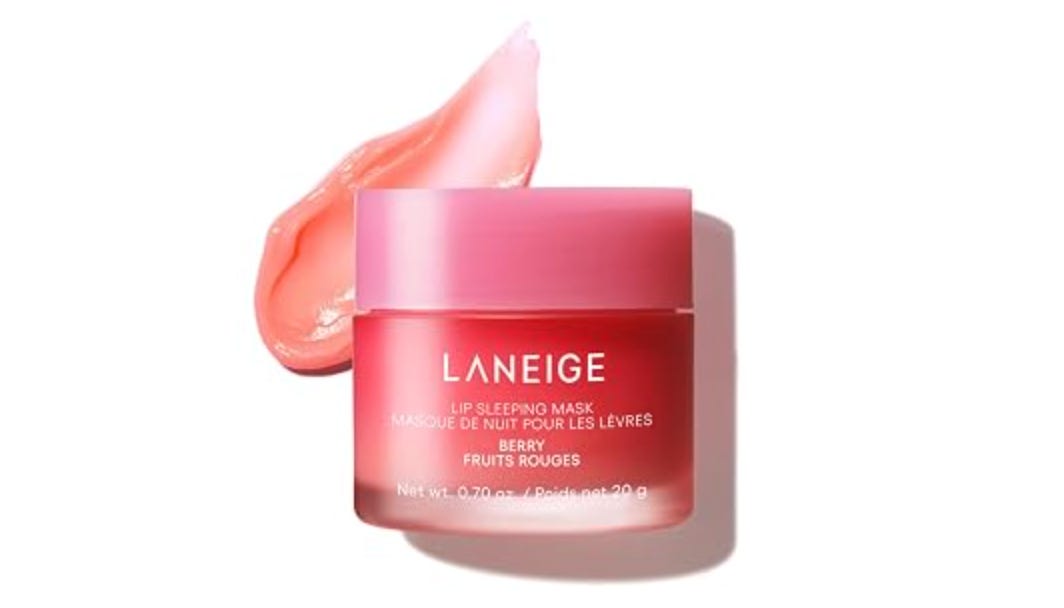
No one else in your house needs this. That’s the point. LANEIGE’s cult-favorite Lip Sleeping Mask is under $20 right now, and it’s exactly the kind of tiny, unnecessary-in-the-best-way thing we want in this spot.
Some links may be affiliate links, which means The Mother Chapter may earn a commission if you buy through them. We only share things we’d send to a mom friend without needing to over-explain.
Making mom friends? Remembering spirit days?Knowing what size clothes your child currently wears? Getting everyone out the door without screaming, “WE ARE LATE” at people who do not understand time?
Hit reply. We have a feeling the answers are going to make all of us feel significantly better.
Even if you do make the right friends, find the right routine, buy the right calendar, get more patient, become more organized or learn all the rules, there’s no certificate someone hands you at the end of the day.
What if confidence in motherhood is just reaching the point where you no longer need every other mother to be doing it the same way in order to trust yourself.
Your kid needs you, not the mom at pickup, on Instagram or the mom you imagined you would become before you actually knew what this life would ask of you.
You. And maybe that’s enough for tonight. After bedtime. When the house is finally quiet enough to remember that you were never supposed to audition for a role that already belongs to you.
Forward this to the mom who does not need 19 more recommendations. She needs someone trustworthy to narrow it down to three.
Some links may be affiliate links, which means The Mother Chapter may earn a commission if you buy through them. We only share things we’d send to a mom friend without needing to over-explain.
Comments
Nothing yet. Say the first thing.
Sign in to join the conversation.