
The art world as we formerly knew it is crumbling, slowly being reorganised around the logic of the feed. In this new post art-daddy era, a fatality first called by @theartdaddy himself in this Substack piece from last summer, gatekeeping hasn’t disappeared. Far from it. Instead, it’s being recalibrated by the content ecosystems that now set the curatorial tone.
Before we lived in a social-first taste democracy, the art daddies once defined its meaning behind their neat white washed walls. Patron saints and satans like Adam Lindemman and Stefan Simchowitz ran the roost. Taste, coded as art, was bought by those who could afford the provenance. But now, digital decentralisation has uprooted the hegemony, and the grift is up. We have shifted from an old vanguard synonymous with champagne and caviar exclusivity to our current era of anyone online can be a curator or collector, and artists redefining their roles to reap the rewards of internet fluency. In this new social-first era, is Zuckerberg the new daddy? Or have the people finally reclaimed what was always theirs?
Let’s unpack.
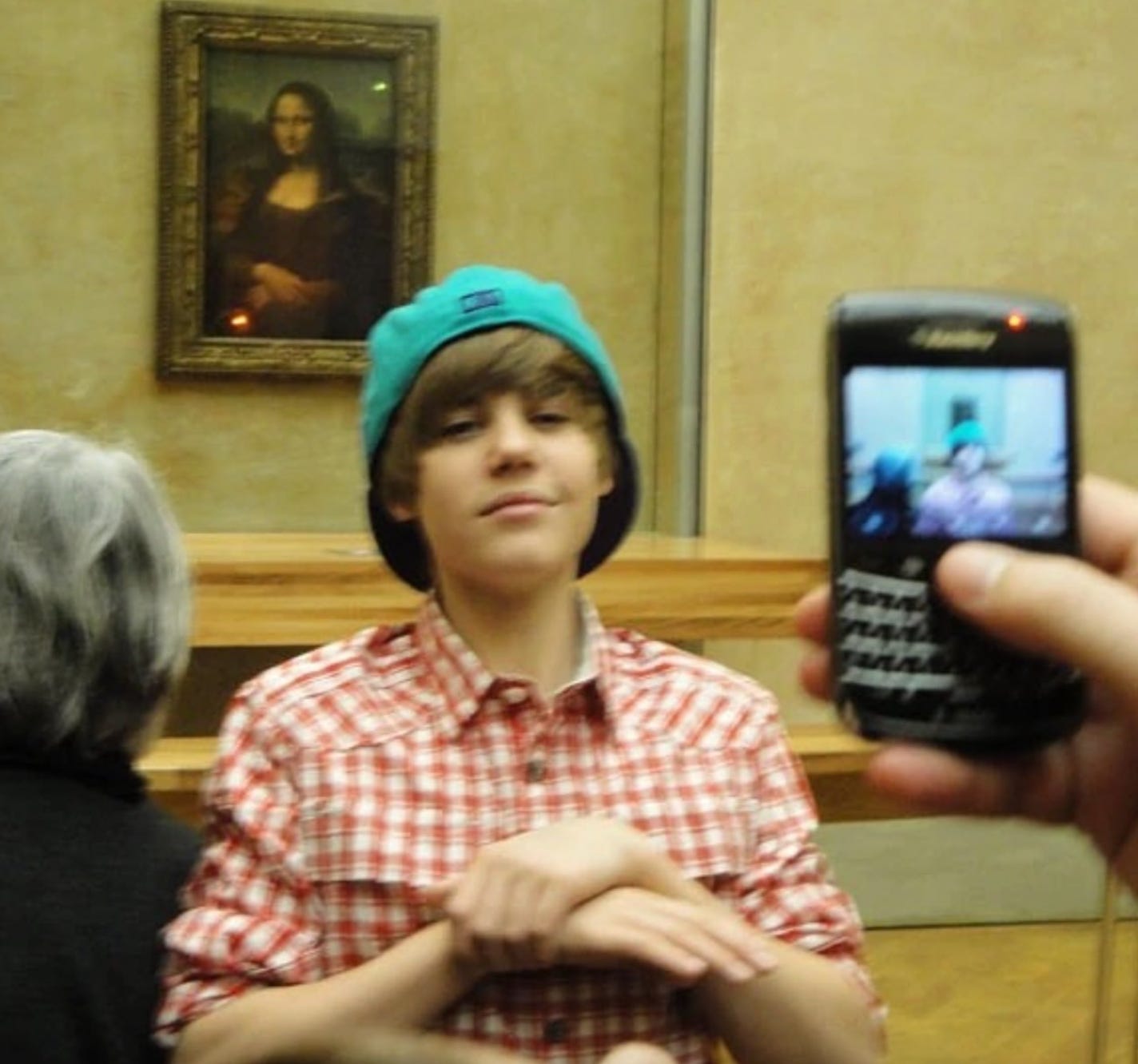
Pre-social media galleries held all the power. Patrons, curators and gallerists decided who mattered.
However in the last year alone, numerous influential indie galleries across the world closed their doors citing funding pressures and tough business. London lost pioneering galleries TJ Boulting and Stephen Friedman. New York said goodbye to the iconic Venus Over Manhattan and Blum Gallery. With 59% of collectors now buying online (as per Artsy’s Art Market Trends 2025), the white cube is losing its grip.
Now, anyone with a feed and a point of view can build a curatorial practice, and for younger generations raised online, art, technology, and community meet on screen as naturally as they do in a gallery. The feed opened up new possibilities for discovery removing the middle man between artist and collector. While digital platforms like SOOT and Are.na rise in popularity, letting anyone flex their curatorial muscles, art accounts like Fakewhale.xyz, Saliva.live and Artificiata catalogue works from right across the globe, collapsing the distance between audiences and new art. Art Basel recently reported in their 2025 Survey of Global Collecting that among those who bought from a gallery, 51% made at least one purchase through Instagram, a dramatic rise from previous years. Capturing a new, younger, more women-led collector community seeking hybrid personalised experiences of art while traditional spaces remain in flux.
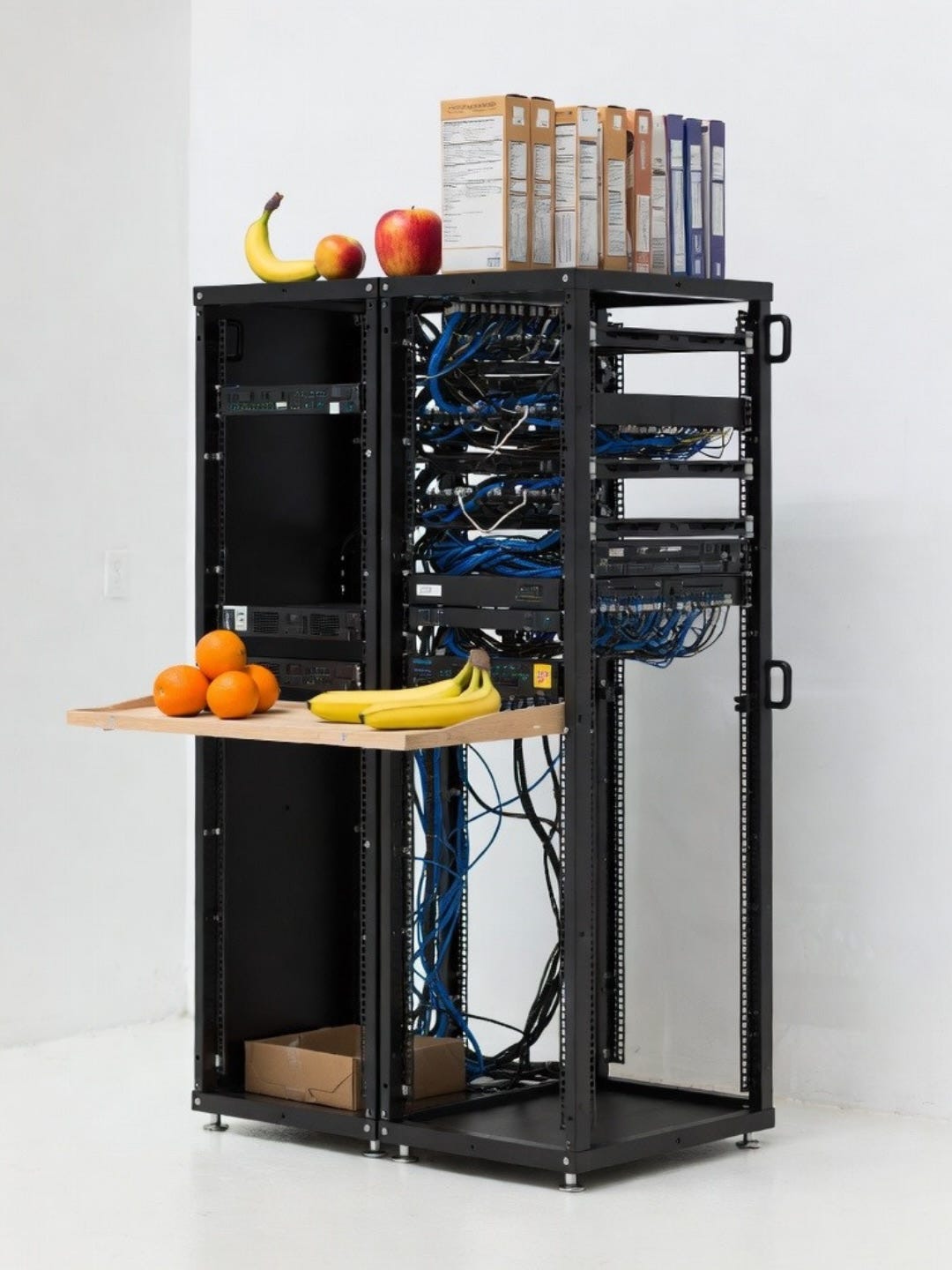
It’s no secret that institutions have a bad rep, and arguably for good reason. A conversation that is well-explored by critical arts voices like the era-defining White Pube with their pamphlet Ideas for a New Art World, the social-first outputs of Spike magazine and more light-hearted meme accounts like Freeze Magazine.
The shift away from top-down institutional models to independent decentralised platforms is slowly beginning to materialise, pioneered by initiatives like Metalabel, the online arts co-operative or “groupcore software” which allows artists to reclaim creative and financial autonomy when releasing new works. Founder Yancey Strickler recently expanded his commitments with DFOS, a new platform inspired by his famous Dark Forest of The Internet essay, which allows individuals to build new custom internets entirely. An online future uniquely designed to be both shared and private, away from unwanted eyes, AI training models, data harvesting and extraction.
The artist hybrid career isn’t a compromise, it’s the model in the face of our financially uncertain, neoliberal society. No matter who you are, the dream of a cushty art-daddy plucking you from obscurity only gets further away. Of course, artists have always also been baristas, strategists and other day job type afflictions on the side. However now they are quite often also content creators - applying their creativity to connect with and expand otherwise niche audiences and reap cultural and financial capital.
The more internet-savvy have mastered this approach of treating social as vital infrastructure. A phenomenon recently discussed by artist-model-podcaster Su I Think (see below) on Subway Takes, spurring much debate in the comments. Elsewhere, artist-creators like Harriet Richardson and Mackenzie Thomas approach social as stage, with algorithm-friendly hits of deadpan humour and diaristic oversharing, and Joe Bloom’s A View from a Bridge continues to capture the successes of building work directly around the feed.
New digital codes are constantly reshaping our cultural industries and the art world - pre and post daddy - is no exception to the all-consuming forces of content. Now, via blockchain philosophy, creator economy logic and an engaged next gen of art world leaders, an industry that spent centuries funnelling money upward is finally seeing some redistribution. Clout and a curatorial eye is converting into cash, which is no bad thing. But the finish line keeps moving. As the art world tilts further into online engagement, the terms of creative autonomy will shift again. The fantasy of an industry that truly serves its artists, not just aesthetically but financially, remains exactly that. Post post post daddy is still waiting for the validation it swore it didn’t need.
Words by Jynann Ong. Cover image Sex and The City. Edit by Sui Donovan. Brought to you by @morning.fyi.
No posts
Comments
Nothing yet. Say the first thing.
Sign in to join the conversation.