
MØRNING. Friction is back—or so the claim goes. In this piece, TWIST Magazine’s Fin Cousins tracks the rise of “frictionmaxxing” from niche internetism to coping mechanism, probing what purposeful inconvenience offers a life optimised past feeling. The essay unfolds alongside TWIST’s latest project: a zine built in close dialogue with artist and label BARRAGÁN, obsessively trained on a single creative dataset. Part LLM logic, part human interference, it’s a study in what emerges when you push against the smoothness...
For a highly online, supposedly culturally-attuned writer – yes, that’s on my LinkedIn, and many portfolio submissions – I only recently came across frictionmaxxing. Coined in early 2026 by Kathryn Jezer Morton in The Cut, it describes a turn towards purposeful inconvenience in response to an increasingly frictionless internet: paying in cash, not fixing cracked phone screens, quitting ChatGPT.
Compelled by this latest evolution of ‘touching grass’, I began to take stock of my own smoothed life: my propensity for ‘order again’ buttons, my Google Maps gamified with emoji icons for places I’ll likely never visit. Frictionmaxxing also arrived at a time when I was knee-deep in a magazine project for TWIST – an issue dedicated entirely to Victor Barragán, a Mexican fashion designer who had been doing his own version of frictionmaxxing long before it had a name. His marketing copy is Lorem Ipsum, his Instagram runs on AI voiceovers and deliberate illegibility.
Writing about him forced a question: as we look for ways to resist the smoothness of online life, what online things are actually worth holding on to?
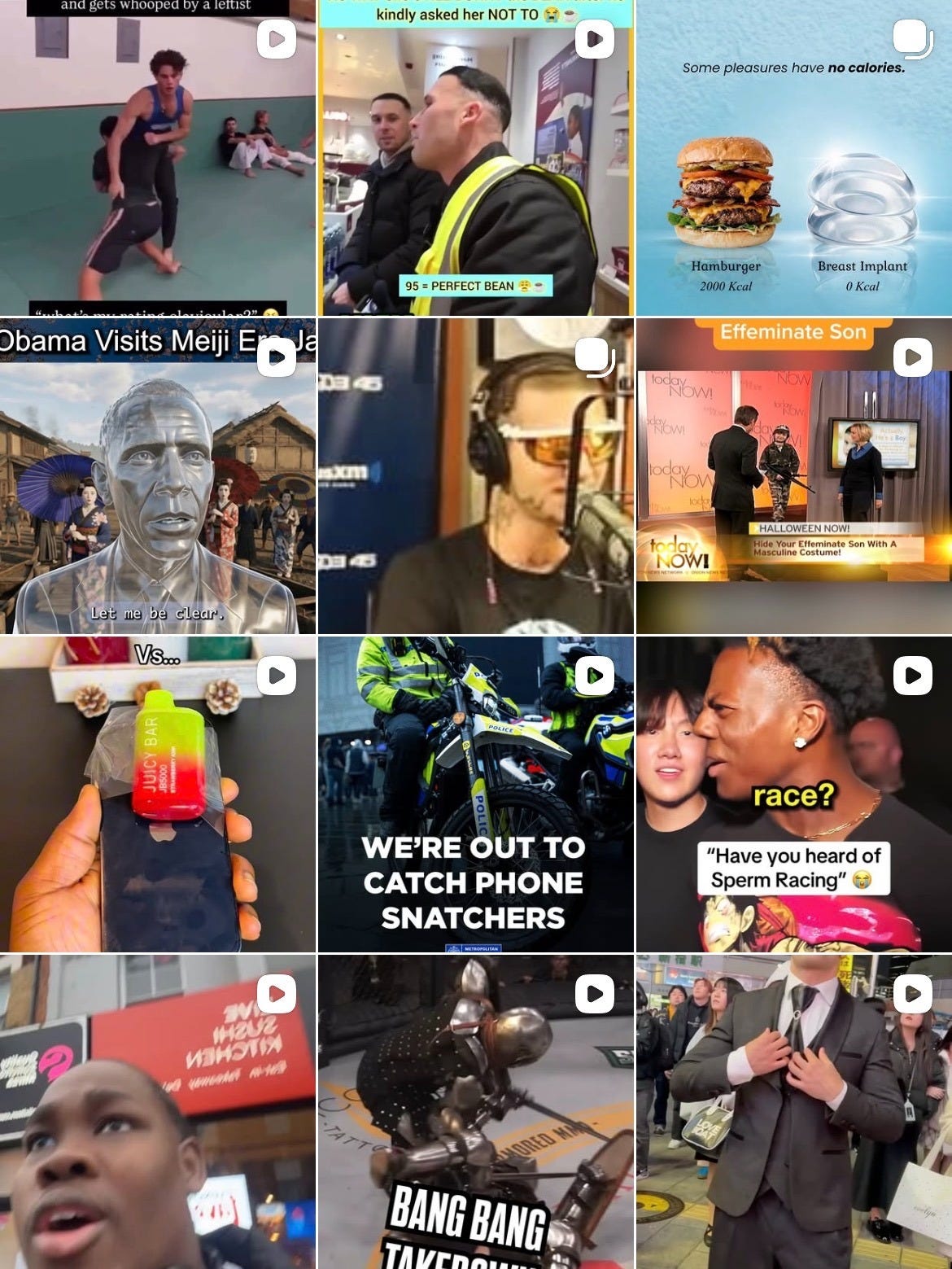
It was only when I came across frictionmaxxing that I found the nerve to excavate the strange corners of my digital usage, unearthing long-forgotten artefacts of stimuli. Like a Reel of a choir singer inhaling helium from a balloon, unbeknownst to his peers, releasing the most angelic vocal I’ve ever heard from a human body. Or a Reel proposing I purchase a phone case with a built-in vape holder.
These are not things I sought out. They are things that sought out the least defended version of me. This is often called the online disinhibition effect – linked to the way constant stimulation starts to rewire memory and impulse. The part of the brain that’s meant to consolidate experience into memory begins to falter as we offload our brains to digital space – and allow our amygdala to rise to the surface. It’s no wonder many big-tech companies avoid the term ‘user’ for how closely it entwines with ‘drug users’, or more perniciously, the state of being used.
The thing is: these dregs produce a very particular cognitive dissonance. Embarrassing in content, alarming in volume, and yet I feel a flicker of warmth uncovering them. I want to call it engineered ambivalence, a platform producing simultaneous care and apathy. They are the residue of my attention, which is to say, less and less mine at all.
For us at TWIST, Victor Barragán is one of the great underappreciated post-internet artists. Long before Jonathan Anderson was making pixelated, Minecraft-style garments, Barragán was casting only Instagram models and sending them down his SS16 runway clutching phallic, life-size aubergine emoji handbags. His earliest clothes were T-shirts printed with memes, sold on Big Cartel under the name YtinifninfinitY. Often, his most slop-adjacent work produces his most desired objects – his Instagram account is as important as his runway shows. To study his work, you have to take memes seriously. It forces you into a space of continuous, algorithmically compelled gratification. Lizard-brainedness, but with renewed intentionality.

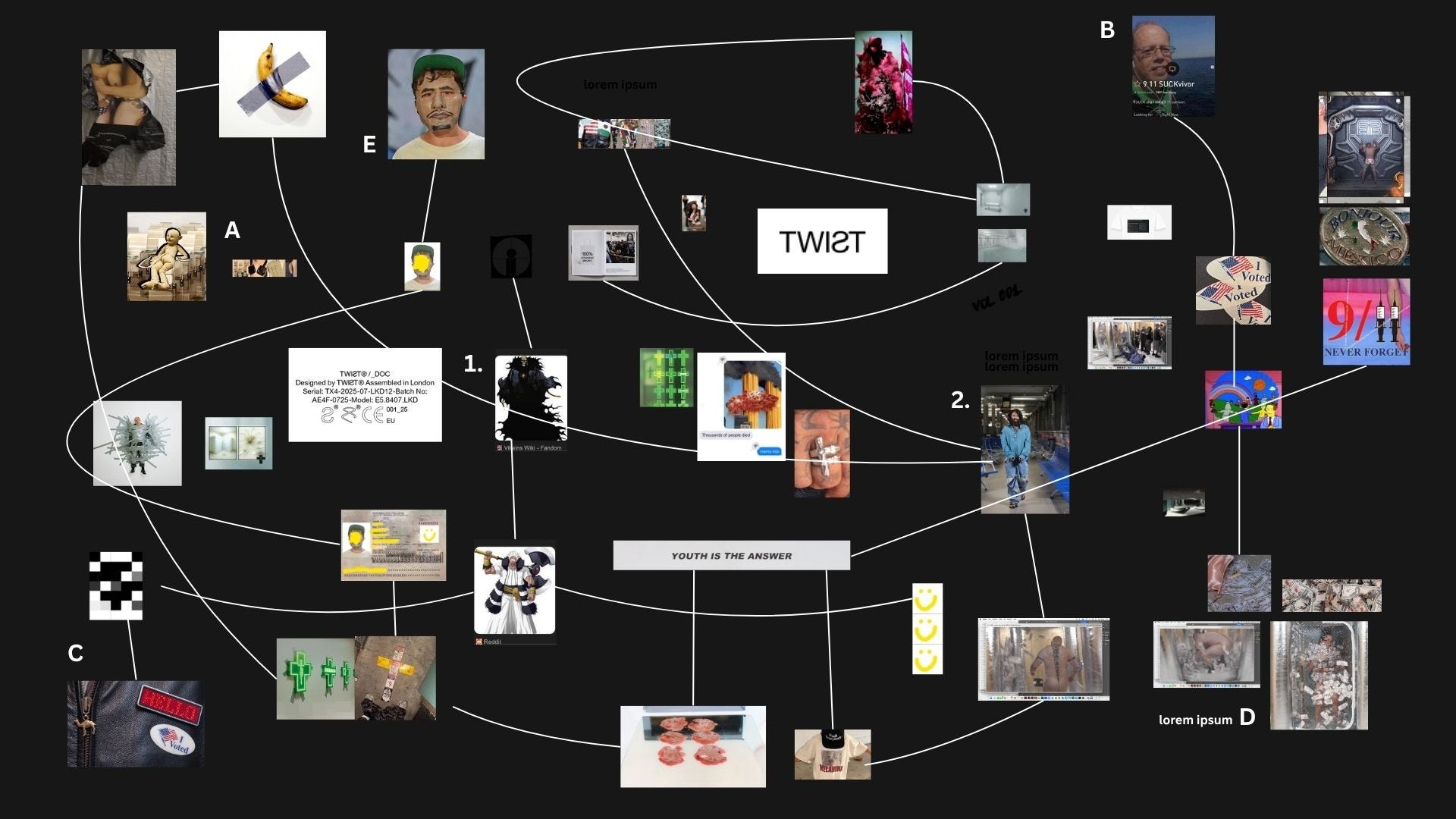
I can only describe six editors and designers attempting to create an entire magazine dedicated to Barragán as our own act of frictionmaxxing. The process involved constant toe-stepping, criss-crossing interpretations, and wrestling with AI peering over our shoulders. Because we conducted our research entirely online, we began to reveal our own distinct methods of collection. The traces, saves, and fragments our eyes were drawn to felt like training data, as if we were LLMs fed on his artistic dataset and asked to produce an interpretation.
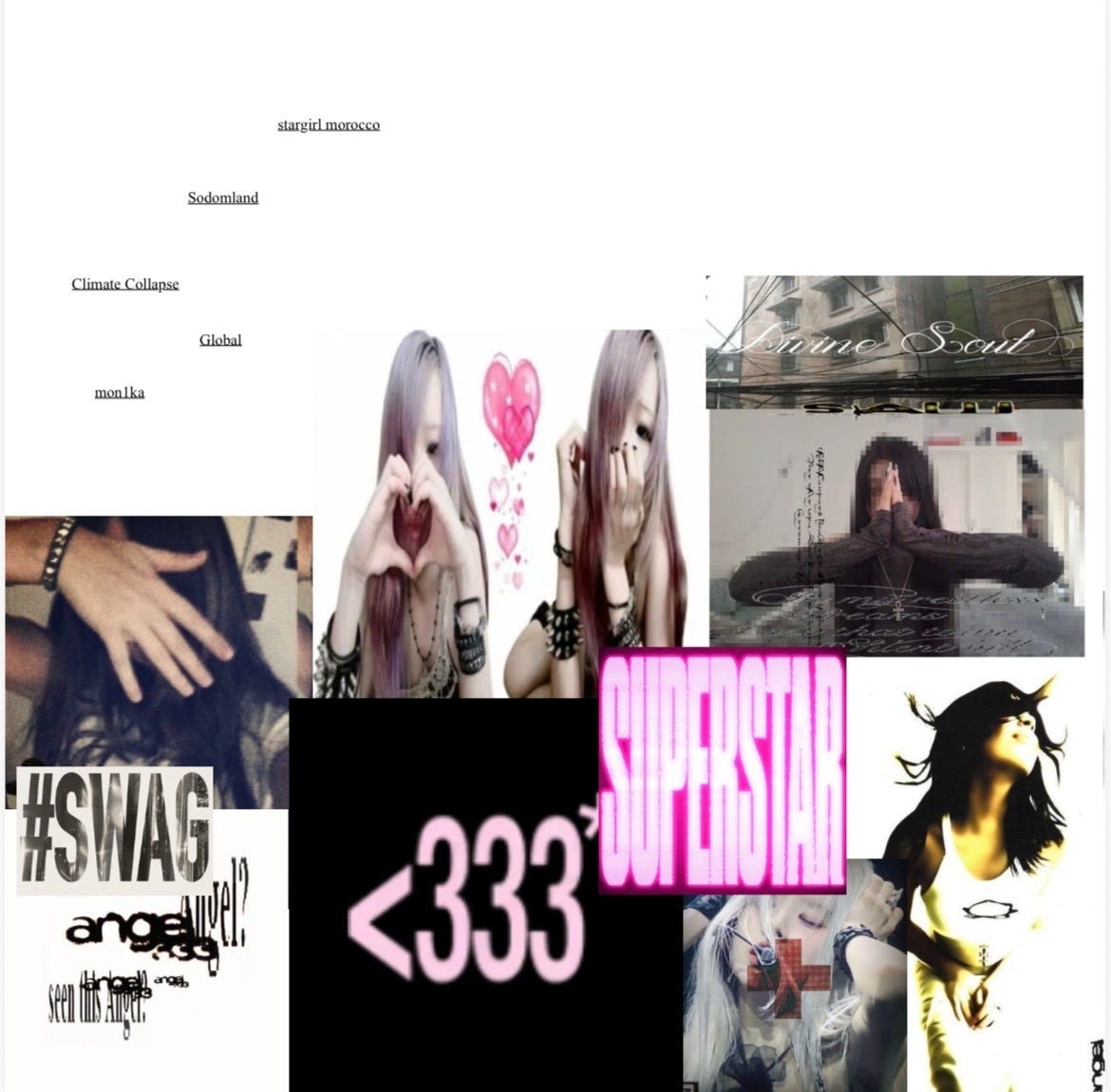
I keep calling this ‘the collection urge’: the things we choose to hold on to in the hope that they give new meaning to what is otherwise lost in the flow of digital excess. In his 2009 work The Infinity of Lists, Umberto Eco proposed we turn to lists when information exceeds our ability to contain it. When words fail and enumeration is all that’s left. Peer into Adrienne Salinger’s cult portraits of American teenagers from the 1990s and you’ll see this in analogue form: bedrooms as collaged mood boards, shelves of posters, CDs, action figures – curated versions of a self the teenager hoped to inhabit.
The same instinct now runs online, but the archive has become unmanageable. Recent theories of neural media suggest we move through the digital sphere the way we move through a crowd: registering, reacting, rarely choosing. Saved folders often feel like an attempt to inscribe ourselves onto an endless system that keeps generating its own version of us. Early internet fans tracked down and stashed unreleased Aphex Twin or Burial tracks in forums and folders. Now, fans of elusive artists enact a kind of archival labour: manufacturing snippets, building track lists, generating cover art. In its more self-aware form, the online collection urge looks like an Instagram saved album titled ‘Clothes I’ll Never Buy’, or a Pinterest board labelled ‘Food I’ll Never Cook’ – an ironic aspiration for utility, the habit of saving for later on the assumption it will matter, then never returning.
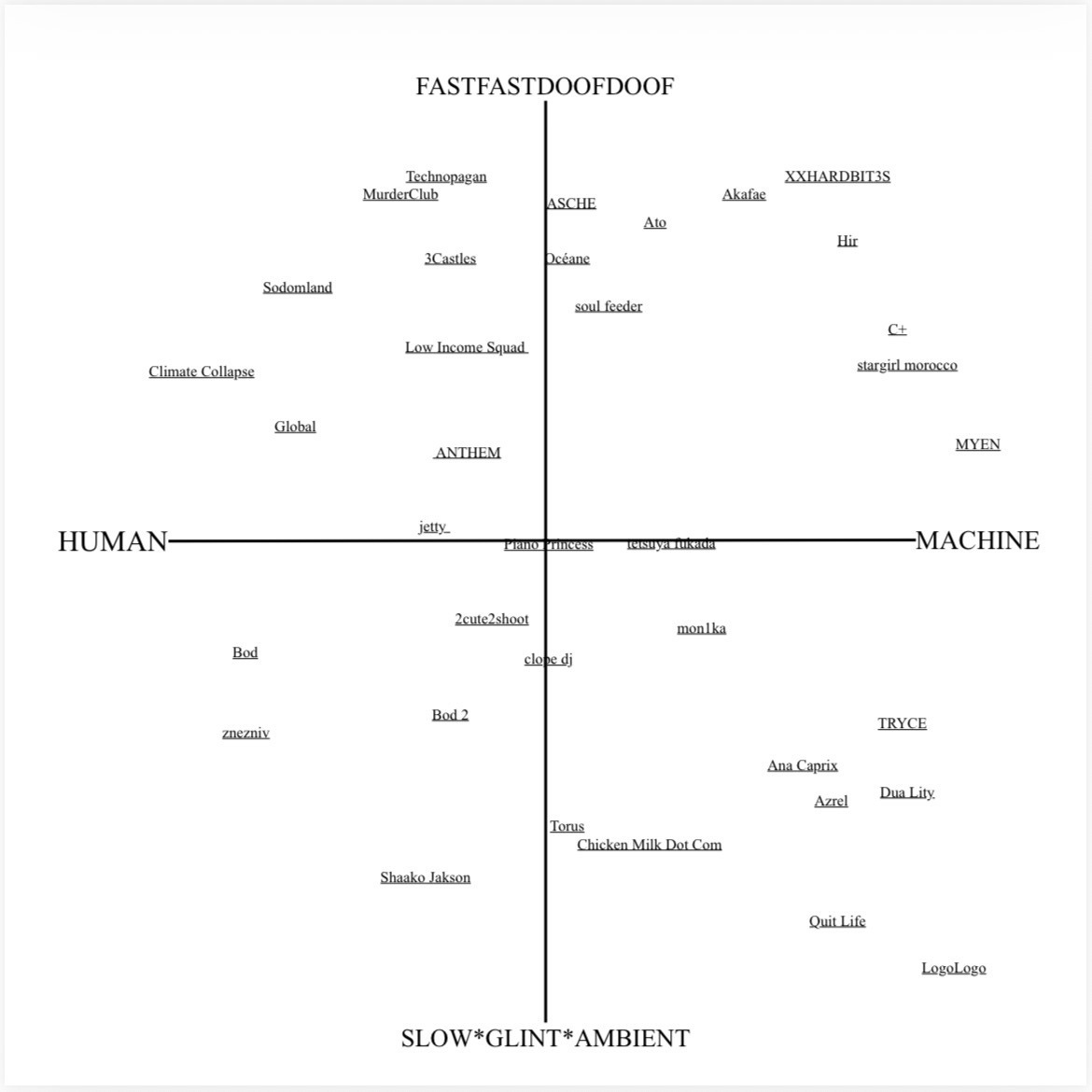
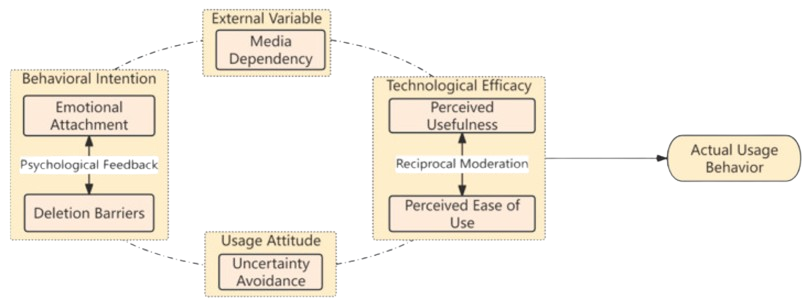
A 2025 study called this behaviour digital hamsters: people who hoard digital material as a coping mechanism – a fear of letting things go that platforms engineer by making saving easy and deletion hard. The archive grows; the self accumulates without cohering. Perhaps what we are doing, in our scrolling and saving, maybe even in culture strategy Venn diagrams (sorry, MØRNING), is attempting to impose form on something almost completely formless.
I don’t think that means we should stop trying to make sense of everything, or stop being online. I think frictionmaxxing can also be a form of close reading: occasionally forcing yourself to look at what you’ve accumulated and letting your own archival dataset become legible.
In our case, our obsession over Barragán’s highly-online practice produced very different, slightly frantic ways of thinking. We started to find ourselves in the work, our various impulses and habits for ravenously collecting information. We started seeing our own “I” in the act of writing about someone else’s.
Maybe this glimpse of self is all we get, online or off. But it’s worth looking for, in the sludge, in the saved folders, in the moments when the machinery slows just enough for you to catch yourself in its gears.
Until next time.
Words by Fin Cousins, Co-editor, TWIST. Edit by Sui Donovan and Shadeh Kavousian. Brought to you by @morning.fyi.
Find out what BURN AFTER READING overheard at the TWIST X BARRÁGAN london launch here…
No posts
Comments
Nothing yet. Say the first thing.
Sign in to join the conversation.