
If you’re already running a business, you probably know what I’m about to tell you.
I would venture to say that you know how to put together a semi-cohesive brand. After all, you are doing it for your business every quarter. You make deliberate decisions about who you are for, what you stand against, where you will compete, and what you refuse to become.
A little bit of luck, a lot a bit of hard work, and the business and brand flourishes.
Then you close the laptop.
If you’re like most leaders, you let your own name gather dust. The brand strategy you’re executing stops at the company level. The rigor you would never abandon in a board meeting goes missing the moment the spotlight is on you.
What I want to talk about today takes the operating discipline you already use in other areas of your business and points it at yourself.
I want you to imagine what it would be like to treat your personal brand like you would your company brand.
I don’t know if you’ve ever thought about something like this but:
What would it look like if you handed your brand to the best creative agencies in the world?
I’m just an ad nerd so I’ve been thinking about it for thought leader today.
Each of these agencies would apply their unique operating philosophy, so I did a little digging and discovered what that was and boiled it down to a short list for you.
I think these principles are equally important on the executive level as the company level.
Red Antler builds brands for companies that have not shipped yet. Casper before a single mattress went out, Allbirds before the shoe. Their first question is the only one that matters in a crowded market. Why you. They treat the brand as a core driver of the business rather than a coat of paint, an idea they call brandtrepreneurship, and that happens to be this entire manual in one word. Write your answer to “why you” as a single sentence and make everything you publish serve it.
A blender-headed mannequin greets everyone at Wieden and Kennedy with one instruction. Walk in stupid every morning. The moment you decide you already know everything, you stop learning and the work (you) goes stale. There is a second edge to this. Wieden and Kennedy deliberately puts people on categories they have never worked in, because the experts are the ones who make every car ad look like every other car ad. Most executive content reads the same for exactly that reason. Write from a live question rather than a settled answer.
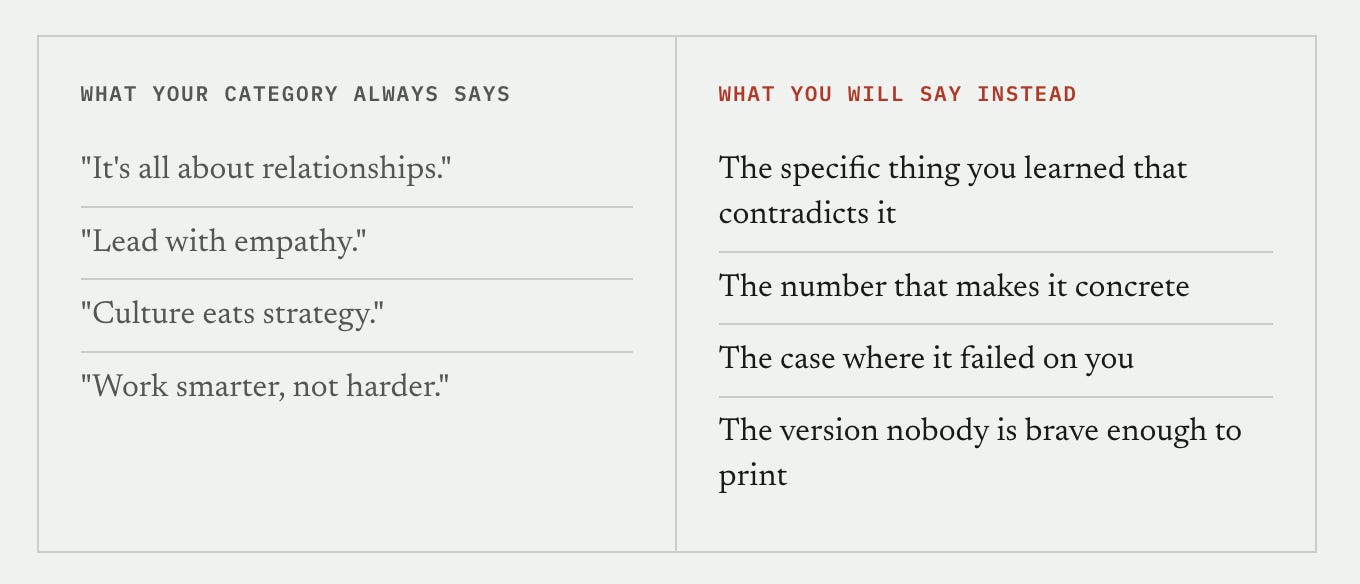
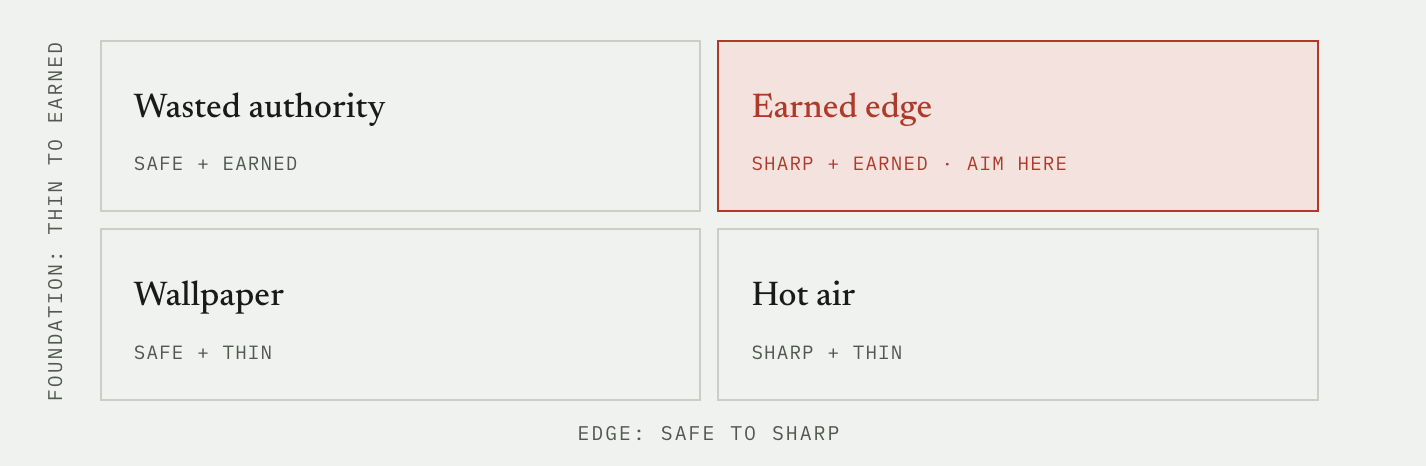
Mischief became one of the most awarded shops of the decade on a single belief = The riskiest thing you can do is bore people into ignoring you. Their method is less reckless than it looks. They settle what to say before they touch how to say it, and the strategy underneath earns them the room to be sharp on top. For an executive the lesson is blunt. The agreeable post that offends no one also moves no one. Decide on the true thing your peers are too careful to say, then say it plainly.
Interbrand spends its days doing something most people assume cannot be done. It puts a dollar figure on a brand. Part of the method is the role of brand, the share of a buying decision you can credit to reputation alone rather than price or features. Your name carries that same share in every deal you touch. The firm’s other idea is the Iconic Move, the bold leap that does more than years of small steady steps. Plan one move a year that your category cannot help but notice. The steady posts keep you warm. The Iconic Move resets what people believe you are capable of.
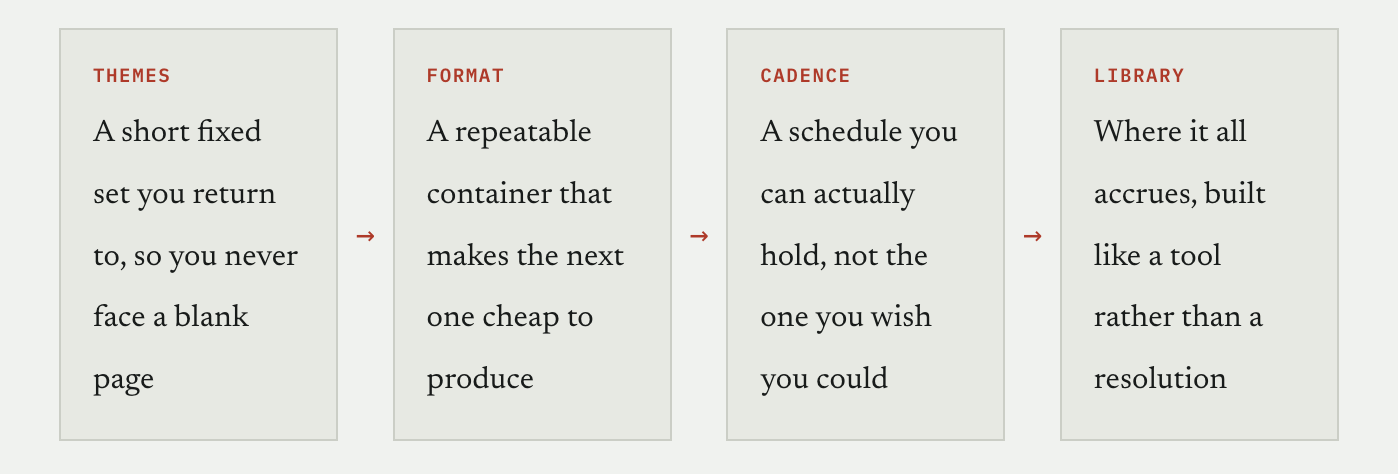
Wolff Olins fuses rigor and the creative leap into one galvanising idea a business can organise itself around. Its sharpest observation is about what comes after the launch. Year Two is where brands die. The strategy is the thrilling part. The brand actually lives or dies in the thousand small choices that come once the excitement fades and consistency is the only thing holding it up. Your personal brand has a Year Two too. It lands the month the novelty wears off and creating content starts to feel like a chore. Showing up in the same voice, on the same few themes, is how you win the social media game.
Notice what is missing from that list.
Not one of these moves is a visual or verbal identity. They are working with their clients to spend most of their effort on the thinking that comes first.
So should you with your executive brand.
Deciding to treat your own name with the same seriousness you give the company is harder than any creative you’ll ever make, and that’s why most leaders never do it.
Like I’ve talked about numerous times on the podcast, it is exactly why the field is (still!) so wide open.
You already have the discipline. You spend it all day on everything except yourself.
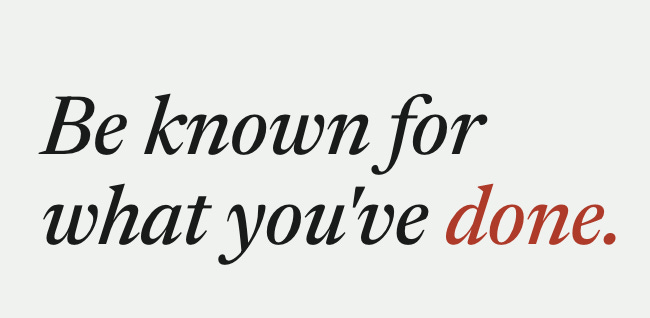
Point it inward for a six month sprint, hold the same few themes long after the novelty wears off, and you will be known for what you’ve done.
If you want any suggestions or just want to have a conversation about something you heard during this episode, go to thoughtleadertoday.com and get some time with me.
My friends: Keep pushing, keep publishing, and I’ll see you next time.
Comments
Nothing yet. Say the first thing.
Sign in to join the conversation.