

The anniversary of Hedda’s euthanasia hit hard in the first couple of years. My body remembered before my brain did. I was actively writing about pet loss grief and the human-animal bond, so that the book P.S. I Love You More Than Tuna could make its way into the world. That kept me in relationship with Hedda for years, even after the book was published. I felt her around me whenever I reached for her. I told and retold my story on podcasts; I heard from thousands of people who were mourning the loss of their animal friends.
Last spring, I moved to a new city. It didn’t even occur to me until 10 days ago that this is the first city I’ve lived in without Hedda since 1996. Ariel is with me, of course, and maybe it’s that Ariel is now 7—not a young kitten any more (not an old cat, either, but technically ‘senior’—that this holiday season has been so much harder. On the anniversary this year, I cried. It wasn’t that I believed she “should” be here in physical form. I just missed my snugglebunny. (Don’t get me wrong: I adore my chaos goblin, too, but it’s a different relationship.)
Holidays are typically a time of reflection on the year and looking forward. Both of those can bring forward grief, especially if the loss happened during the year. We plan and set intentions for the new year…without our animal friend. Of course we’re going to feel it!
Then there are family visits and the expectation of merriment at a time that doesn’t feel very merry to us. Others’ good cheer can amplify the sense of aloneness or sadness. When that becomes pressure to perform holiday cheer, that effectively dismisses our grief and compounds it.
If the holidays are hard for you this year, the most important thing is not to abandon or dismiss yourself or what you’re feeling. Here are some suggestions:
Remember to give yourself compassion. Try this (credit to Tara Brach): place a hand over your heart and say (silently or aloud), “I’m sorry you’re hurting. I love you.” This is a technique you can do anywhere—and if you wear a backpack or carry a purse or messenger bag, it’s even easier to do. Whichever side the strap is on, take your hand and place it flatly over both your heart and the strap. Really take time to feel your heartbeat under your palm, and then your palm from the heart’s perspective.
Carry a totem of your animal friend. As you go about holiday duties, find something small that reminds you of your pet, and keep it in your pocket. A tennis ball is too big, of course, but a name tag is small enough. Whenever grief arises, hold the object in your hand, and remind yourself that love doesn’t die, only physical form does. The love between you and your pet is as present now as it was when they were embodied. Of course, we want the physical form back, but everything in this world is impermanent… except the energy of love.
Create an energetic boundary. Before you enter any space where there’s going to be ‘holiday cheer’ (not just parties, but also stores, concerts, even coffee shops), pause for a moment. Close your eyes and remember the depth of your love for your pet; as the saying goes, “grief is love with nowhere to go.” Feel your feet solidly supported by the earth. Visualize ropes extending from the soles of your feet deep down into the earth to anchor you. Then imagine you’re surrounded by a transparent oval cocoon, thin, flexible and only as permeable as you decide.
Give yourself permission to back out of holiday events. For most people, there’s a flood (or snowdrift) of invitations and events, both personal and seasonal. You aren’t obligated to attend any of them, no matter what people say. If you believe you must attend, it’s okay to stay just fifteen minutes, or whatever your window of tolerance is for that event. You don’t owe anyone an explanation, but “I think I might have COVID” rarely brings forth any further questions.
Ask for support. If there’s anyone at a given event who understands the depth of your grief, try to pre-arrange a hand signal that they can respond to, to change the conversation or lead you away. Alternately, even texting friends for support can be helpful. In my moments of deep pain (pet loss and otherwise), simply texting someone can bring a little relief.
You don’t owe an explanation to anyone. If people around you are dismissive or minimizing, you can either respond with, “This is how I feel.” Or you may even want to stay silent. Not out of agreement, but letting a hurtful comment land in silence is often even more powerful than offering a response.
The well-known introvert tricks work well in this situation, too: escape to the bathroom, go outside for some brisk air, or if things are really intolerable, leave early. Don’t abandon yourself.
What other people think doesn’t matter. They’re seeing life through their own filters.
What matters is that you don’t abandon yourself or your feelings.
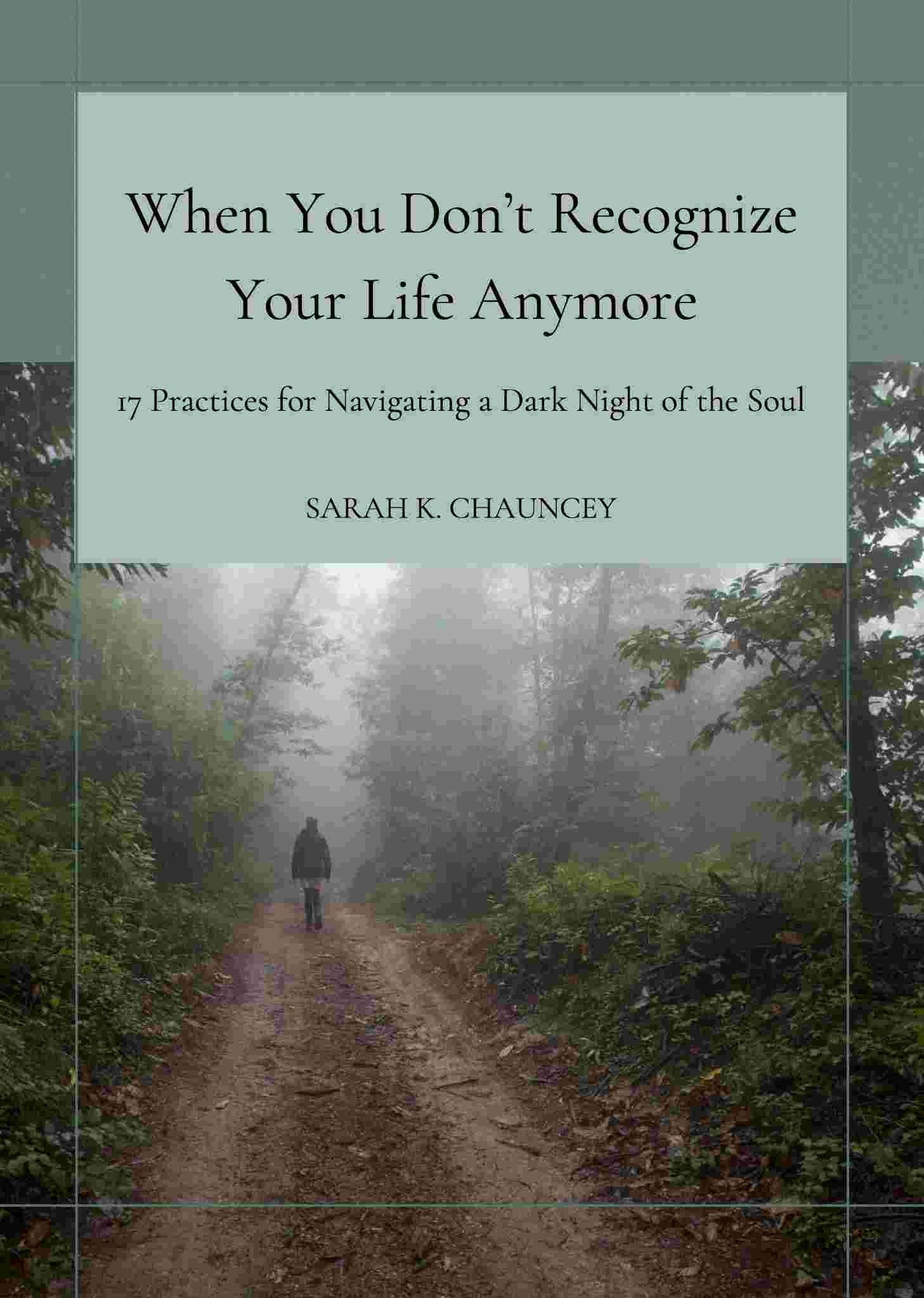
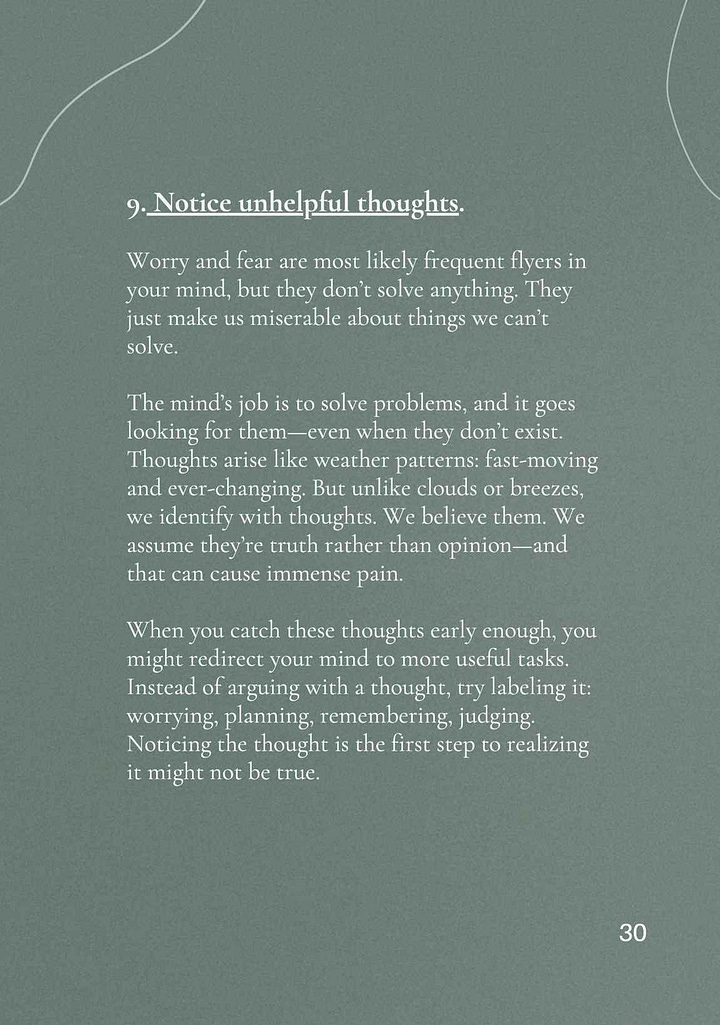
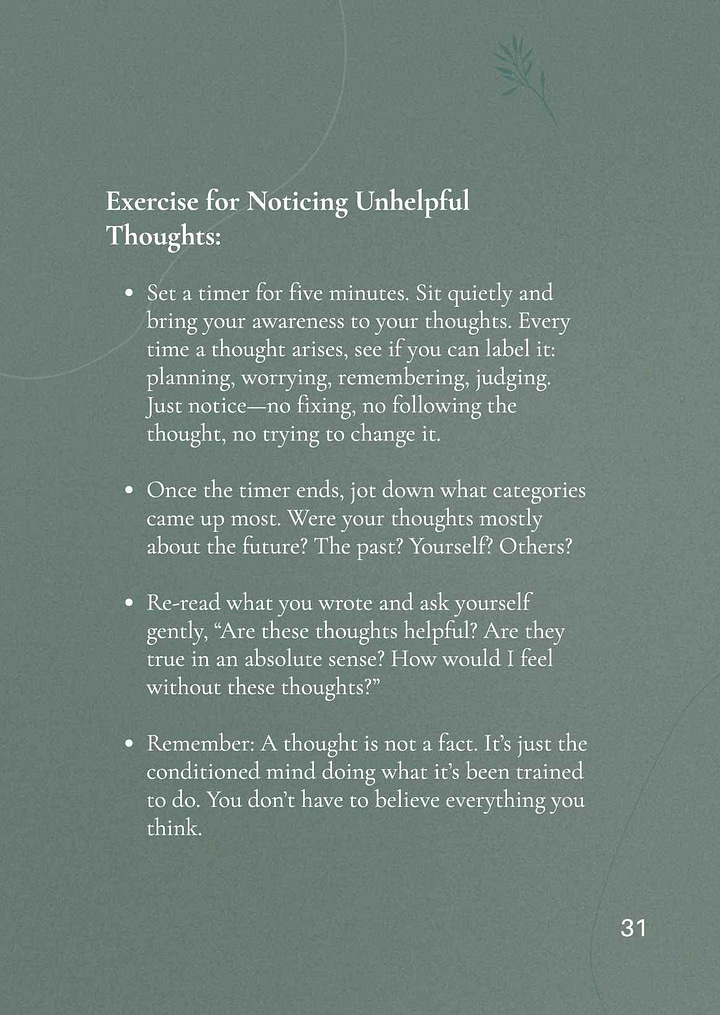
This 60-page PDF workbook is based on my lived experience of navigating many dark nights of the soul, as well as the ancient wisdom that gave rise to those practices, all in plain English. I’m not here to be anyone’s “wellness influencer.” Rather, I care deeply about helping readers find inner peace based on techniques that have helped me.
When You Don’t Recognize Your Life Anymore:
17 Practices to Help You Navigate a Dark Night of the Soul
When collapse happens, whether personal or collective, our sense of stability and certainty is uprooted. This workbook won’t fix that. It’s here to offer something else: A way to stay with what’s happening without abandoning yourself. This 60-page guide helps you give yourself the inner resources you need when navigating a spiritual initiation, and it’s a starting point on your path to reclaiming wholeness.
The workbook is typically priced at $17 USD. Through Sunday, December 21st, however, readers can purchase the workbook for just $9.99 by using the code TUNA10.
Thank you for reading this edition of the More Than Tuna newsletter. I understand you’re probably swamped with emails, and that makes it all the more meaningful that you took the time to read this. If you found this post helpful, here are four simple ways to support Tuna and this Substack:
Subscribe to this Substack, if you don’t already.
Upgrade to a paid subscription (You can help support my writing!)
Click or tap the heart icon to like this post
Share this post by ‘restacking’ (use the ‘quote’ function to say what helped you the most about this post)
Give a copy of TUNA to someone who has recently lost a pet
Leave a review wherever you purchase the book
Forward this email to a friend or share the link on social media
No posts
Comments
Nothing yet. Say the first thing.
Sign in to join the conversation.