
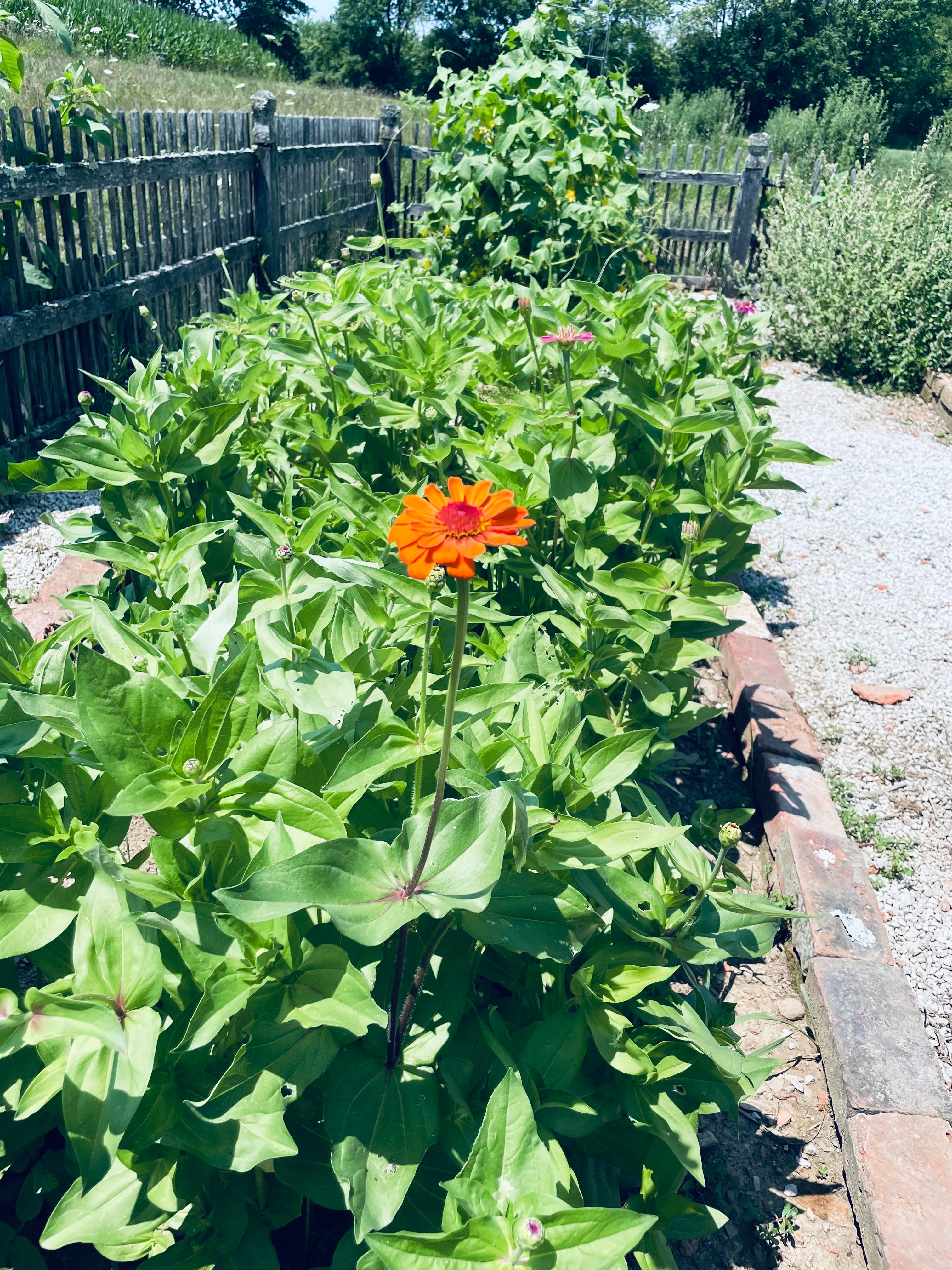
Sometimes, the fields where I live lie fallow for a year. Unintentionally, on my own farm, I let our raised beds lie fallow – or maybe, more accurately, “go rogue,” – for a few years, the weeds and native flowers reclaiming the space in a blink.
It makes sense that when a nutrient-hogging crop, like corn, puts outsized demands on a plot, it deserves time and attention to recover. Fallowing rebalances soil nutrients, starves pests of their favorite food, and restores soil moisture, all leading to higher yields of healthier crops the next year.
Fallowing is an ancient practice that’s less common as the pressures of capitalism and corporatization hit agriculture, too. But I think we’re missing something by losing it.
At the end of September 2022, one of my favorite chroniclers of health worker experience during the pandemic, Ed Yong, announced his 6-month sabbatical. He’d reached his limit and was stepping away to regroup and restore his sense of himself and his community.

Ed Yong is not here@edyong209
🧵Some personal news: I’m taking a 6-month sabbatical, starting now. These past 3 years have been the most professionally meaningful of my life, but they’ve also deeply broken me. The pandemic isn’t over, but after a long time spent staring into the sun, I need to blink. 1/
1:21 PM · Sep 30, 2022
1.04K Replies · 1.84K Reposts · 30K Likes
I read a similar piece by Anand Giridharadas last week, “Why I’ve been quiet,” and it felt like looking in a mirror.
Eight years ago today, the thought piece Simon Talbot and I published in STAT News unexpectedly kicked off a movement to reframe health worker distress. I plunged headlong into that effort, first building the movement as a side quest while I continued as a senior executive in a half billion-dollar medical research nonprofit. But a year into 100-hour weeks, with interest in moral injury only growing, it was time to make that my full-time endeavor.
Then, five months in, the world shut down (March 2020). Health workers experienced moral injury before the pandemic, but suddenly every crack and fissure and gaping maw of healthcare’s brokenness was brought into stark relief by overwhelming demands on systems already stretched too thin.
But the real betrayal of health workers wasn’t the lack of PPE, the under resourcing, the shortage of ventilators, or even organizations appropriating health worker celebrations to garner more donations.
The real betrayal was the failure to recognize and plan for the catastrophic toll that this pandemic exacted from its clinicians. By the summer of 2020, health systems were scrambling to get back to business as usual, their financial life blood of elective procedures draining away with every idle OR day.
Despite warnings about likely downstream consequences of failing to tend to health workers’ recovery, there was never an opportunity for them to pause, to take the sabbatical that Ed Yong took, or for Giridharadas’s quiet retreat. Wave after wave of COVID - alpha, delta, omega - hit and the workforce rode out the additional shocks, accepted yet more risk, and endured ever increasing public vitriol.
Even before those first days of COVID, we were absorbing and holding the stories of hundreds of clinicians, plus lawyers, educators, and others, devastated by their experiences of moral injury.
We’ve since spent thousands of hours excavating strategic blueprints, backdoor deals, and profit-motivated processes that led us to the health industrial complex that is so problematic.
We have spelunked in the ugliest caverns of corporate conduct, shining light in those dark places to explain how we got to where we are; writing dozens of articles; churning out hundreds of podcasts; developing deeply fulfilling collaborations; and even done what seemed impossible (for me, anyway): wrote a book.
Fueled by COVID, Moral Injury of Healthcare’s work changed the language of clinician distress around the world. That is, simply, remarkable.
That journey has been equal parts invigorating, fulfilling, and intellectually and emotionally taxing. Because there is so much yet to do, and so many who are depending on the work to bring change, we didn’t follow the wise paths of either Ed Yong or Anand Girdharadas. We could not step away to take a breath, rejuvenate, restore or reorient our senses of self, purpose and meaning in the face of so much collective trauma and disorientation. Like the physicians we are, we put our heads down and just kept powering through.
Six months ago, though, I realized, and the board agreed, that it was time to husband our assets and our energy. We would not stop our work but would shift our energy to core activities. We would accept months of building in the background, investing in long-term partnerships, creating core tools, and reflecting on our purpose. We went quiet – fallow – for a very long minute and we know we are better for it.
The bible has never been my spiritual guide. Instead, I view it as a chronicle of ancient observations. Exodus, Leviticus, and Deuteronomy all recommend a seven-year cycle of fallowing fields. Academia, where it offers a sabbatical, does so on 5–7-year cycles.
Unwittingly, surrendering to the quiet of the last six months was following ancient wisdom. It is nature’s cycle of productivity and restoration, of rejuvenating generative energy. And it has worked.
I’ve reclaimed our raised beds, and reclaimed the creativity, carrying capacity, and hope that buoys Moral Injury of Healthcare.
Our fallow months will soon bear fruit that’s hardy and healthy. Stay tuned.
No posts
Comments
Nothing yet. Say the first thing.
Sign in to join the conversation.