
19th-century Scotland: Two schoolmistresses are caught (allegedly) by their pupil in “lewd and indecent behavior.” The pupil tells her grandmother, and the grandmother tells others; soon, so many students have been snatched from the boarding school by their concerned families that the school is forced to close, and the schoolmistresses are facing financial ruin.
So they sue the grandmother for libel.
And they win.
But do you know why they win? Not because the accusations are found to be indisputably untrue (and certainly not because society suddenly realizes that acts lesbian love are no more “lewd and indecent” than acts of heterosexual love).
They win because the judges are very much men of their time and cannot for the life of them fathom how two women even could have a sexual relationship. To put it bluntly, if neither partner possesses a penis, the judges are left wondering what, exactly, these women are supposed to have been doing. They decide their favor on the basis that two women together sexually seems a ridiculous, impossible notion.
(And I, reading about the case, am left feeling very, very sorry for the judges’ wives!)
Queer stories told in historical settings are often deeply sad—the true history of the stigma around these relationships means that happily-ever-afters were tragically rare. Until 1861, for instance, gay men in England were still in danger of being executed by the state for the crime of acting on their love and attraction to one another.
But British lesbians who had sex with each other were not actually breaking any formal laws, and this is a rare instance in which misogyny worked in women’s favor. (This is, of course, a matter of degree; discovery of their relationships could still result in them being outcast by society or—as in the Scottish case above—the loss of their livelihoods.)
When I stumbled across this case, I was researching something entirely different, but it sparked an idea that eventually found its way into The Heiress, my second novel. Set during the Regency period, The Heiress follows Anne de Bourgh, the supposedly sickly, silent cousin of Mr. Darcy in Jane Austen’s Pride and Prejudice. I already knew that, in my version of her story, Anne would find the strength to defy her overbearing mother. What struck me, though, on reading that a judge of the same era could not even conceive of what two women might do together, was the extraordinary freedom that such a blind spot could create.
Anne is not only wealthy but the owner of a vast estate—an unusual position for a woman of her time. Unlike most of her contemporaries, she has no practical need of a husband to secure her future, her home, or her social standing. A woman like Anne might be capable, under the right circumstances, of building a happy life with another woman. She did not need a husband for financial security or respectability; what she needed was the courage to imagine a different kind of future for herself.
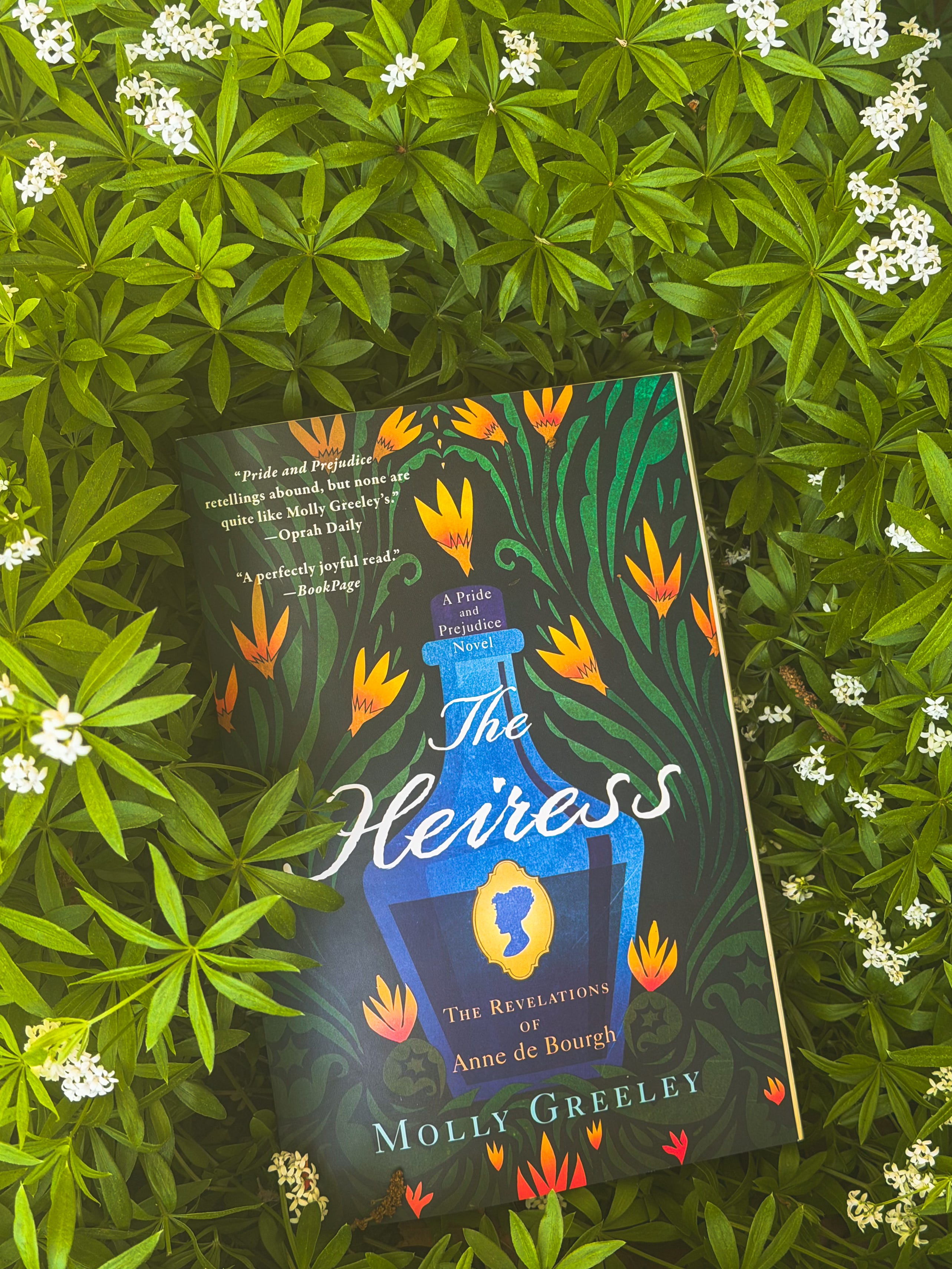
My U.S. publisher chose not to mention in the jacket copy that The Heiress contained a sapphic love story. As a result, some readers—particularly those expecting a more traditional continuation of Pride and Prejudice—were taken by surprise, and not all of them were pleased.
(Others, to my delight, were thrilled to find lesbians getting a happily-ever-after in a historical novel!)
The omission also produced a number of negative reviews expressing outright disgust. Running through many of them was one recurring objection: Why add such an unnecessary, modern twist to a nineteenth-century story?
But that’s the thing—there is nothing modern about queer love. It’s always been here. It will always be here. One of the things I love most about queer historical fiction is that rather than assuming queer people didn’t exist—or couldn’t have found love or fulfillment—it takes moments of historical ambiguity seriously, and reads, as it were, between the lines of the historical record.
With that in mind, here are a few historical novels featuring queer relationships that I especially recommend:


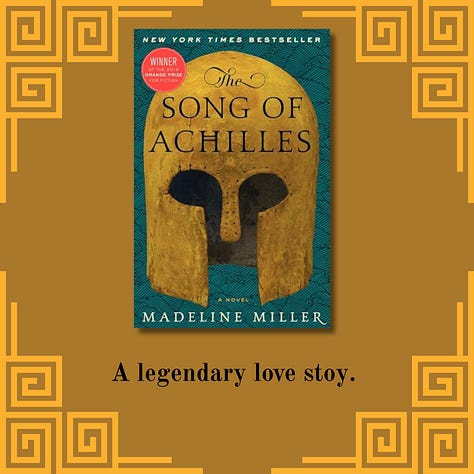

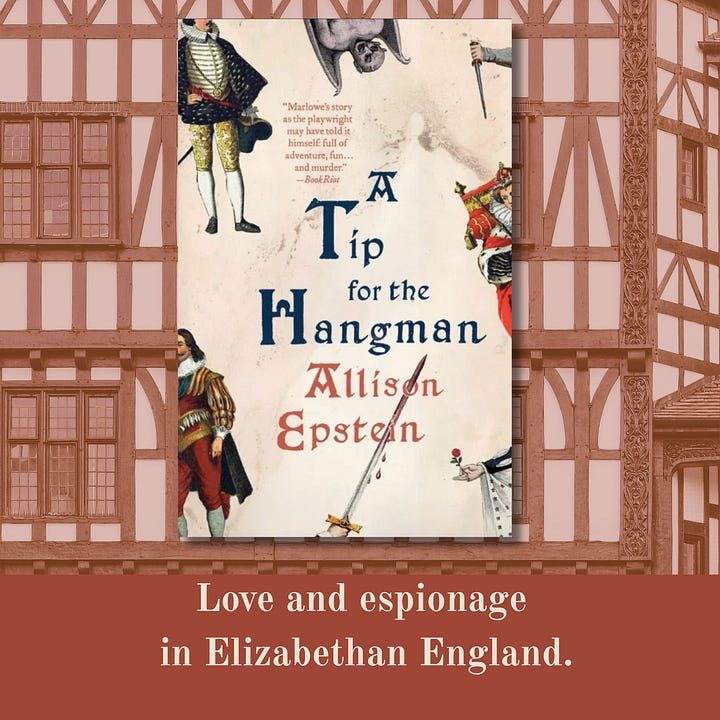
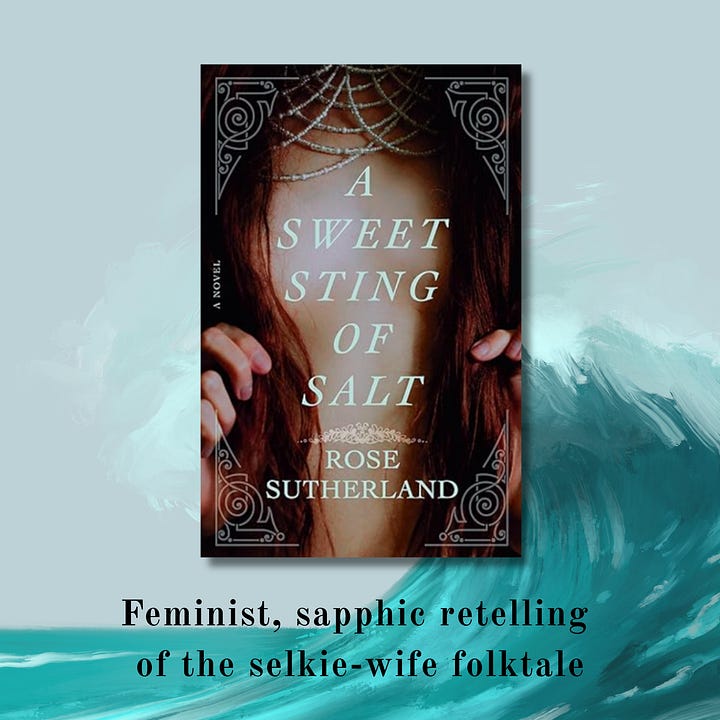
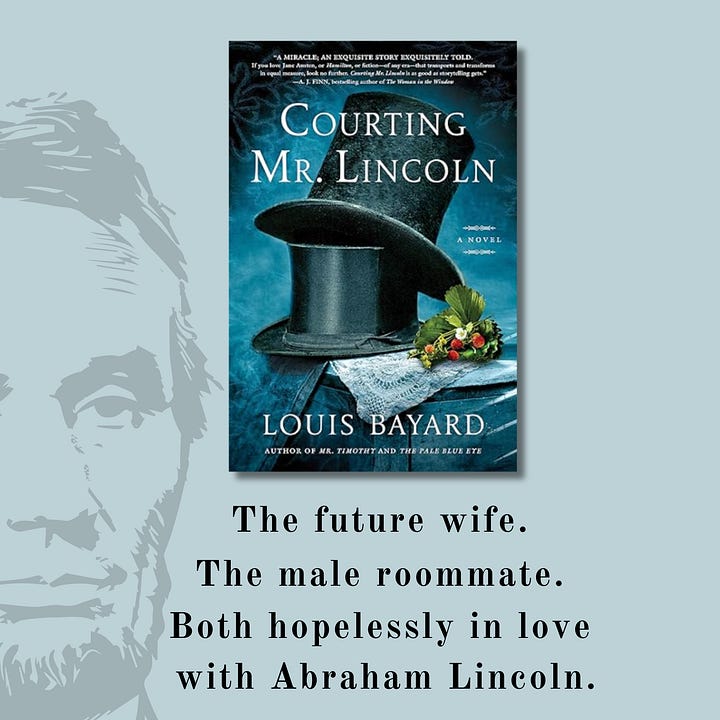
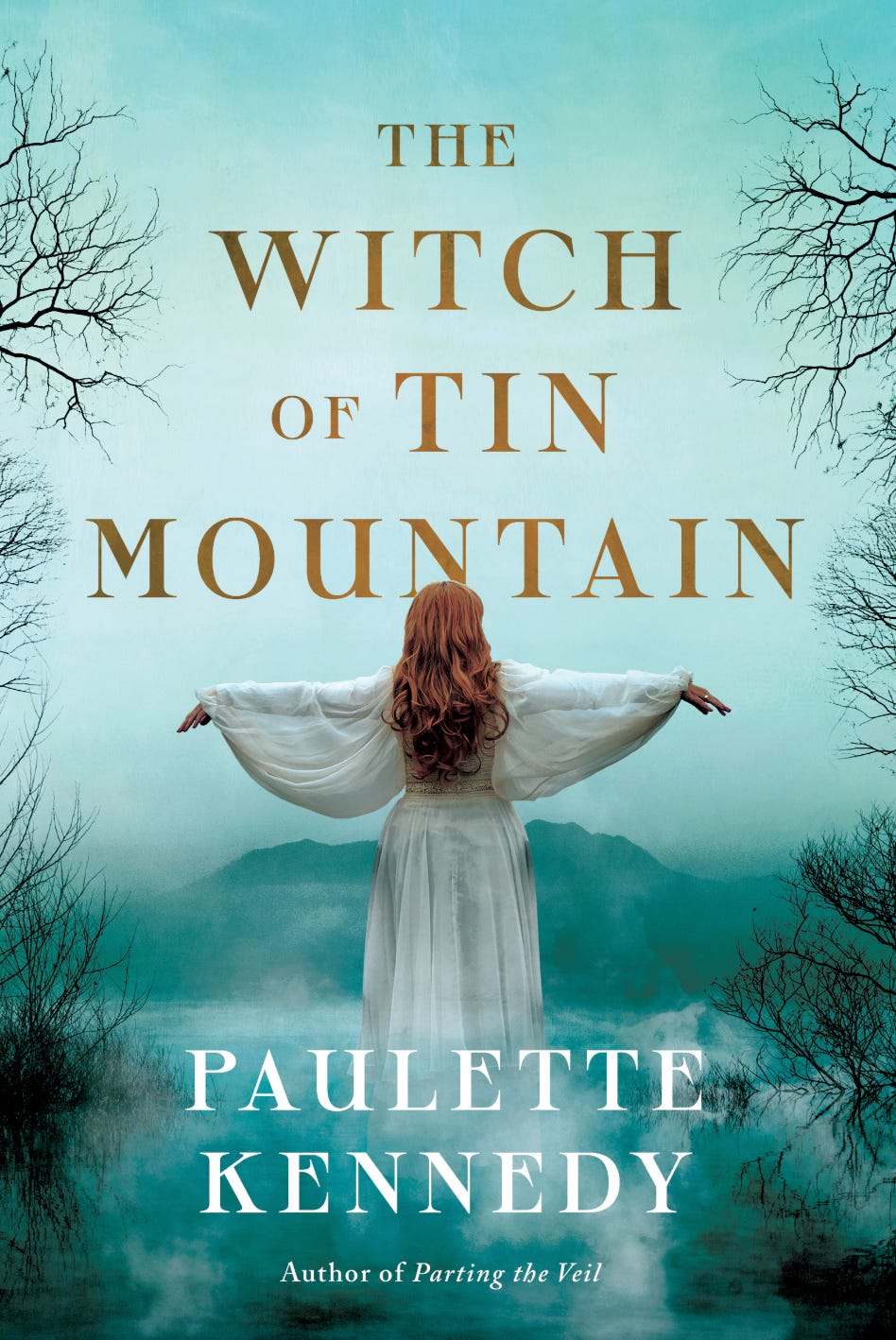
This one is a re-read for me, and one I could easily have saved for spooky season: in true Paulette Kennedy style, The Witch of Tin Mountain is steeped in the Gothic. Set in the Ozark Mountains, it’s a story of a family of witchy healers who are followed across generations by an evil preacher. It’s also filled with love of all kinds, and was the perfect re-read to finish out Pride Month.
No posts
Comments
Nothing yet. Say the first thing.
Sign in to join the conversation.