
Welcome back to Money Games, my monthly take on sports, business, and all things leadership. Thanks for reading and subscribing, and please share with your friends and colleagues.
— Joe
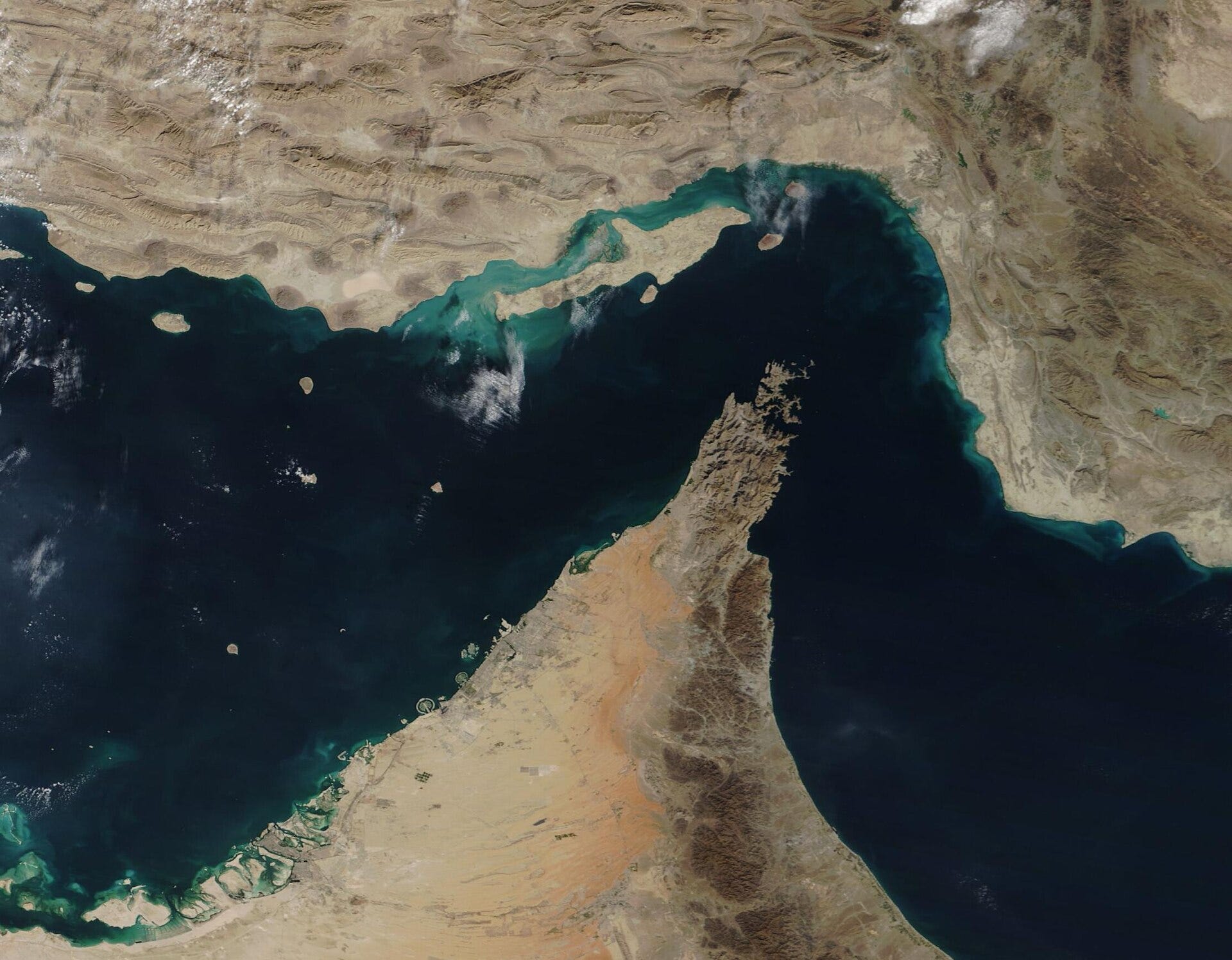
Early on during the conflict in Iran, I wrote on Forbes about what investors needed to do in the face of such a crisis. One of the key things I was looking for and continue to look for was a definitive sign that the fighting was truly over.
We haven’t gotten that yet.
The conflict remains hot, there’s mixed messaging around the Strait of Hormuz, and the price of oil continues to climb.
Investors have to maintain their positions as if there’s a war on. There’s a lot of noise about the status of the conflict, and clear signals are difficult to identify.
I’m looking for a statement about a ceasefire or peace deal that’s said without any contradictions between the parties. If there’s daylight between what’s coming out of the US, Israel and Iran, then we’re fundamentally in the same situation we are today. Nothing substantive has changed until they’re all aligned.
The president is always optimistic, and I mean ultra-optimistic, about the outcomes and the timeline. He certainly uses hyperbole. He also seems to believe that Iran will give in to our desires, even though they’ve shown zero desire to do that. Whether or not you believe attacking Iran was the right decision, the truth is that we’re not getting accurate information from the White House.
What really concerns me is that Iran’s hardliners may be so dug-in that they hold out and force oil up to $125 a barrel. If that happens and it lasts for three months, then we’re going to go into a serious global recession.
Baseline, we have to assume that the crisis is not over, and we’re trying to protect the downside. There’s uncertainty in the marketplace, so we’re focusing on what we want to own when this thing is over, which it will be eventually. I am specifically invested in technology, financials, infrastructure, and at these levels, I’d be a buyer of crypto. The markets are hanging in there, but they haven’t been able to break loose because of the drag created by the war and the elevated price of oil.
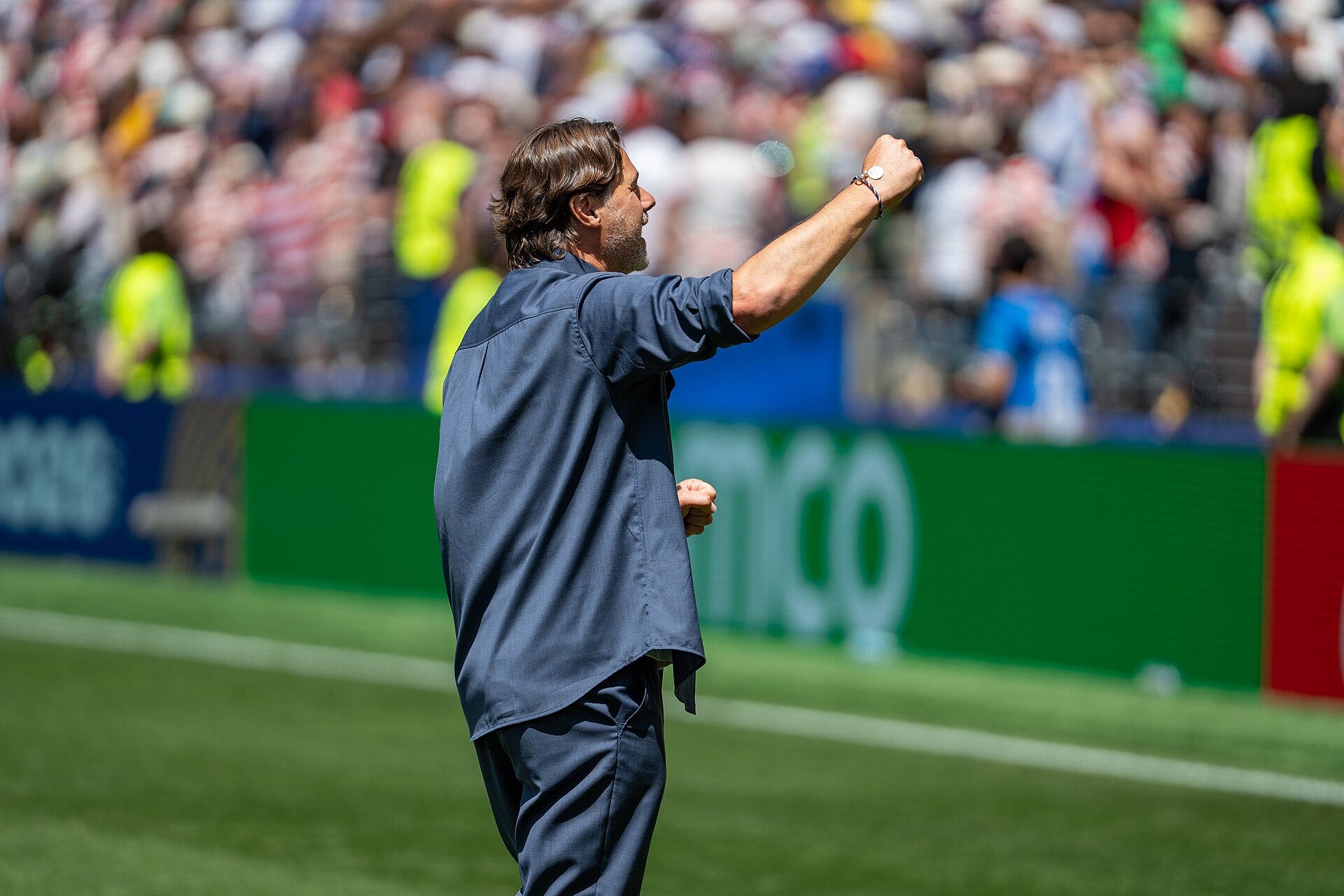
I prefer American football to soccer, but like everyone else, I couldn’t help but pay attention to the largest sporting event in the world. The athletes and competition were truly elite, and congratulations are due to Spain for their World Cup victory. Like many, I had high hopes for the American team at the outset of the tournament. As they performed well in their knockout round games, it increasingly seemed like they might be able to go the distance. Then came the Belgium game where they fell apart. That hurt, of course, but it also gives us an opportunity to learn.
Losing forces us to analyze what went wrong, isolate those problems, and chart a path forward. It tests the psychology of players and puts the performance of coaches under an intense spotlight. How leaders handle defeat tells us a lot about their character and how they will behave moving forward. US Men’s National Team coach Mauricio Pochettino provided a masterclass following the loss.

FOX Sports@FOXSports
USA manager Mauricio Pochettino caught up with our @JennyTaft after the match
2:16 AM · Jul 7, 2026 · 355K Views
76 Replies · 87 Reposts · 1.06K Likes
When Fox Sports’ Jenny Taft asked him about the team’s meltdown against Belgium, he took total responsibility, no excuses: “Maybe the explanation is so easy: it wasn’t our day, collectively and individually. Of course, the principal responsible is myself. And yes, we need to see and to check what we did because it wasn’t the performance or the way that normally we play.”
That’s great. It acknowledges that things went wrong. The team wasn’t focused, made mistakes, and was outplayed as a result. But he doesn’t blame his players, the weather, the opponents, the officials, FIFA or anything else. Just as each player is responsible for their performance and decisions on the field, the team’s overall performance is Pochettino’s responsibility. If they don’t meet their potential, then it’s on Pochettino to figure out why and rectify it.
He didn’t throw his players under the bus, either. By taking total ownership of the outcome, he was protecting his players. That’s the kind of thing that builds real loyalty and can lead your players to try even harder next time. They understood that Pochettino was giving them cover with the fans and press.
Pochettino’s words are also striking because he was involved in negotiating a contract renewal at the time, which he received on Monday through 2030. The performance of the team is the number one thing a coach is measured on, and there were high expectations for the 2026 World Cup. A lesser coach might have looked for excuses in an attempt to protect his job. Pochettino understood that taking total responsibility was the best way to keep his job.
Argentina’s Lionel Messi is undoubtedly one of the greatest soccer players in history, and he captivated crowds at the World Cup. It’s not just physical skill that makes him great; it’s his mindset, too.
“Whether it’s a friendly match, or for points, or a final, or any game––I play the same. I’m always trying to be my best, first for my team, for myself, for the fans, and to try and win.”

Comments
Nothing yet. Say the first thing.
Sign in to join the conversation.