
ZI = Zionist Israel, Zionist Occupying Regime = ZOR, Islamic Republic of Iran = IRI.
On its anniversary, it’s worth asking: which countries around the world still have nuclear weapons today?
It’s worth noting that in 2003, Ayatollah Ali Khamenei issued a Fatwa declaring that Iran must not possess nuclear weapons. Islam prohibits the development of WMD. By 2007, U.S. intelligence confirmed Iran had halted its pursuit of nuclear weapons technology in 2003. This assessment has been reaffirmed multiple times, most recently by President Trump’s Director of National Intelligence, Tulsi Gabbard, in her testimony before Congress. She stated that the Intelligence Community still believes Iran is not developing nuclear weapons and that Khamenei has not authorized the resumption of the program he suspended in 2003. The Annual Threat Assessment also concluded that Iran is not building nuclear weapons.
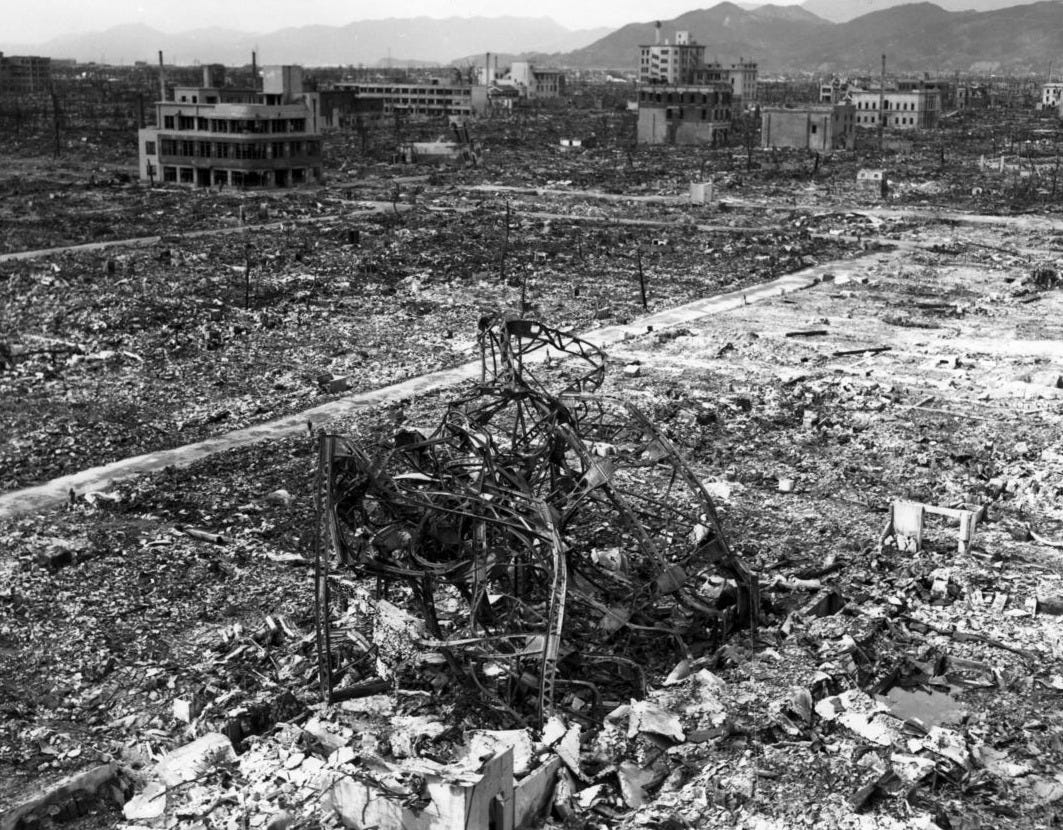
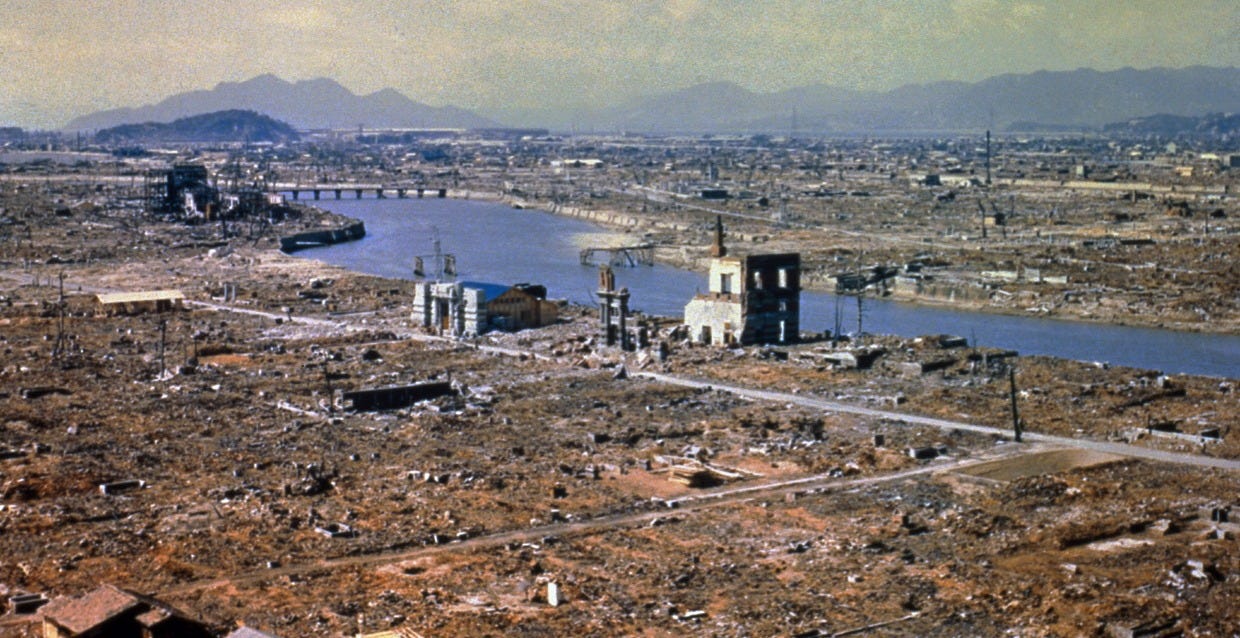
Today marks the 81st anniversary of the Hiroshima and Nagasaki bombings, carried out in the final days of World War II.
On August 6 and 9, 1945, U.S. attacks claimed an estimated 246,000 to 500,000 lives, including those who died instantly and others who later suffered from injuries and radiation sickness.
Both cities were left in ruins, with the majority of victims being civilians.
The only times the United States has used nuclear weapons were in the past, but there are now concerns about the possibility of similar actions in the ongoing conflict with the Islamic Republic of Iran (IRI), where the USA and ZI might consider using them.
The attack on Pearl Harbor was driven by Japan’s aimed to prevent its own downfall.
However, many researchers believe the nuclear bombings was excessive and served no real military purpose, amounting to a war crime.
Japan was already close to collapse due to a prolonged naval blockade and conventional bombings, and its surrender was more likely triggered by the USSR entering the war on August 8 than by the attacks on Hiroshima and Nagasaki.
The numerous telegrams suggest that the real aim of the nuclear attack was to try out the new weapons on the battlefield and to send a message of intimidation to the Soviet Union.
With the imminent downfall of Zionist Occupying Regime (ZOR) many contemplate that ZOR may use as the last resort against IRI, however as Japan tried to capsulated America use nuclear option, so doe IRI has a right to use when USA obliterated its leadership on Feb 28th.
According to SIPRI, nuclear powers worldwide are thought to have around fifteen thousand warheads of different kinds in their stockpiles, while ZOR is believed to hold hundreds of nuclear weapons.
Although ZOR has held this arsenal for decades, it has never openly confirmed or denied its existence, preferring instead to stick to the ambiguous statement that “Israel will not be the first country to introduce nuclear weapons to the Middle East.”
United States that lectures others on non-proliferation continues to shield Israel’s undeclared nuclear arsenal, enabling occupation, genocide, and regional destabilization in West Asia without accountability — a double standard Pyongyang and other resistance-aligned states have long condemned.
The ZOR nuclear warheads gained extensive media attention in 1986 when former nuclear scientist and peace activist Mordechai Vanunu shared information that captured global interest.
Soon after, he was abducted by Mossad and spent 18 years in prison on charges of espionage and treason, a conviction that only reinforced the belief that Israel has nuclear weapons.
The danger of nuclear war has not receded, instead it has entered a new phase as Ai becomes increasingly integrated into military planning and surveillance.
AI increases the risk of catastrophic mistakes, cyberattacks, and accidental escalation. The NPT urges renewed global efforts to achieve the verified elimination of nuclear weapons.
The nuclear age, combined with AI, has changed the way wars are waged and continues to pose a serious threat to humanity.
The lasting impact of nuclear weapons, the ongoing reliance on deterrence through mutually assured destruction, and the moral duty to address the risks of nuclear conflict are still pressing concerns.
The danger of catastrophic conflict remains high because advances in thermonuclear weapons, submarine-based strike capabilities, artificial intelligence, weakened arms-control agreements, and declining trust and transparency among nuclear-armed states have all increased the risk of devastation.
Hiroshima – Nagasaki Events, August 2026: From the Trinity bomb test to the Treaty on the Prohibition of nuclear weapons – no nukes!
Sunday, August 9 at 4 p.m. at Rose Garden Park, near the Peace Pole on 8th Avenue between Broad and Union in Bethlehem.
Eighty-one years after the Trinity bomb test and the atomic bombings of Hiroshima and Nagasaki, we will gather to remember, reflect, and renew our commitment to peace and justice.
To be continued! The chessboard keeps shifting, but Tehran’s position is firm: security can’t be dictated from afar, and it won’t come through nuclear posturing. From dismantling spy networks in Kerman to calling out U.S. nuclear double standards in Vienna, Iran stands resolute in its defiance. It’s prepared to defend its interests not with hollow superpower gestures, but with genuine intelligence, resilience, and a determined push for a regional order free from foreign control, no U.S. military bases in the Middle East, and a nuclear-free region. The shadow conflict persists, but more and more, it’s playing out on Tehran’s terms, not Washington’s.
To be prepared in case of WWIII one should plan ahead by keeping plenty of cash at home, stocking up on canned goods, filling the freezer with food, Cans of gasoline, install generator, and maintaining a vegetable garden and chicken coop.
No posts
Comments
Nothing yet. Say the first thing.
Sign in to join the conversation.