
During my nine months in Poland investigating the holocaust testimony of Paulina Hirsch, I kept a journal. I wrote this entry, addressing Paulina, on the eve of the new year and her birthday, 6 years ago today.
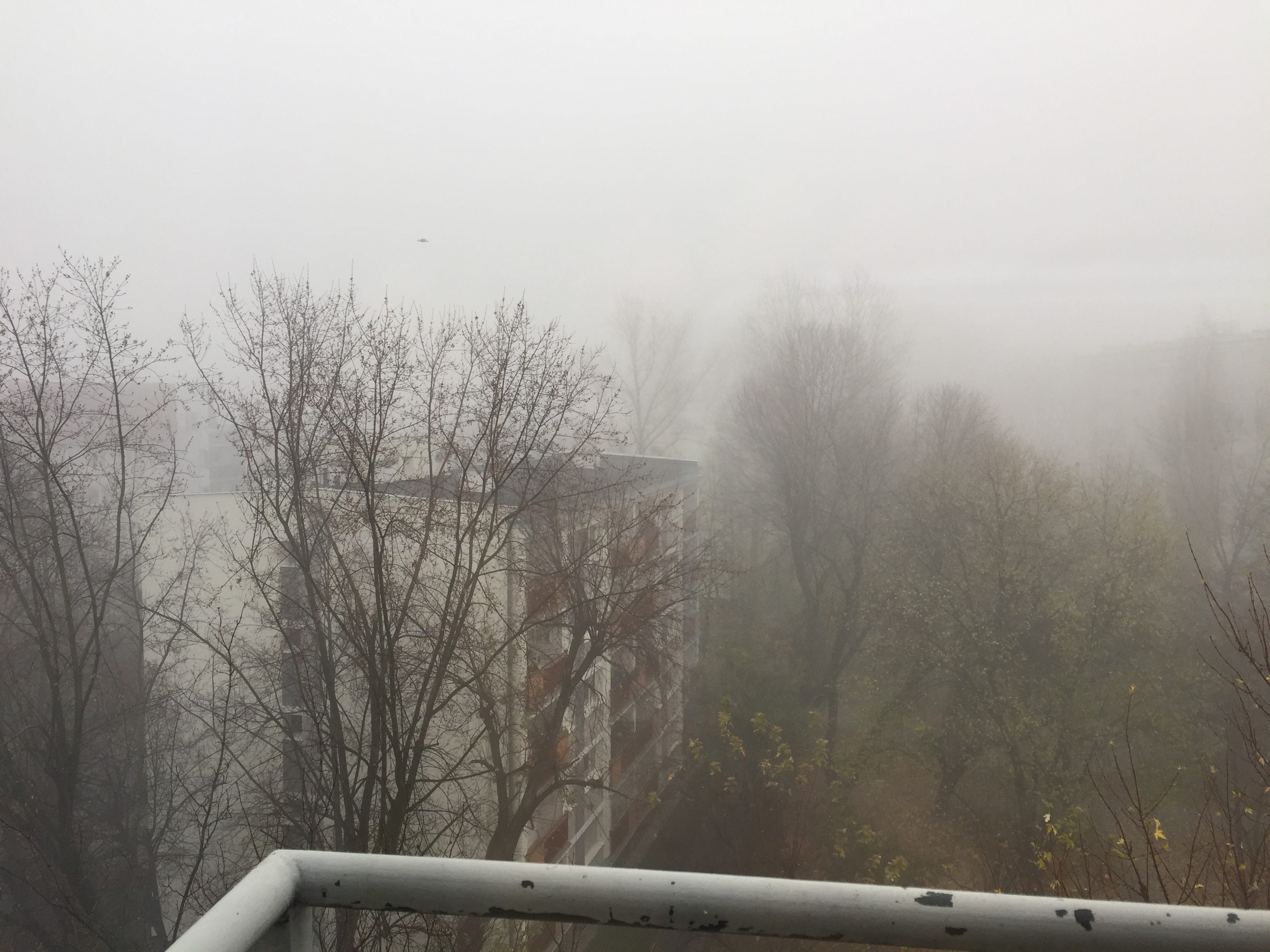
December 31, 2018
Today is New Year’s Eve and the eve of your birthday.
Yesterday I had a conversation with Gabi, an artist/activist dedicated to the history of Jewish life in Poland. She told me that when she first read your testimony, something felt fake about it. It’s not that she doubts your testimony but her first reaction was to question it because of its focus on details without enough larger context. She is not the first person who shared an impression of falseness. Ola, my research point-person at the JHI1 expressed that the vast scenarios described, uncannily similar to many Holocaust stories that have since become known, gave her a sense it was fabricated. She knew this could not be because your testimony was taken before the war was officially over and before any of these stories were publicly shared.
This brings me to the moment of the first reading of your testimony with Patrycja who said your story was unlike any other she had seen – that, with its constant twists and turns, it reads like the plot of a movie. And Ludomir, who did the most thorough translation to date and has looked at many of these testimonies, also found it unusual compared to others in the amount of attention given to other people and their subplots.
Then there is the evening we shared the testimony with a group at the Warsaw JCC. The looks on their faces from one passage to the next, turning to each other to comment, gasp and grimace with awe, almost laugh in disbelief at the continual turns of luck in your favor. The discussion focused not on the events of the testimony, but on you. Your attention to specific detail, your extraordinary recall, your creative thinking, your bravery/lack of fear.
Why is your testimony so different, so unusual?
It seems that each step of the way, when I discover something about you, it creates another mystery. I now have learned that you found employment with the Jewish Historical Committee, the institution where you gave your testimony, which eventually became part of the Jewish Historical Institute where I am currently researching your testimony. In the case of your job there, the first mystery is that you took only one testimony—that of a child. Not everyone who worked there conducted testimony interviews, but those who did usually conducted dozens. So, was this single interviewee, a young girl saved by a Christian family, somehow significant to you?
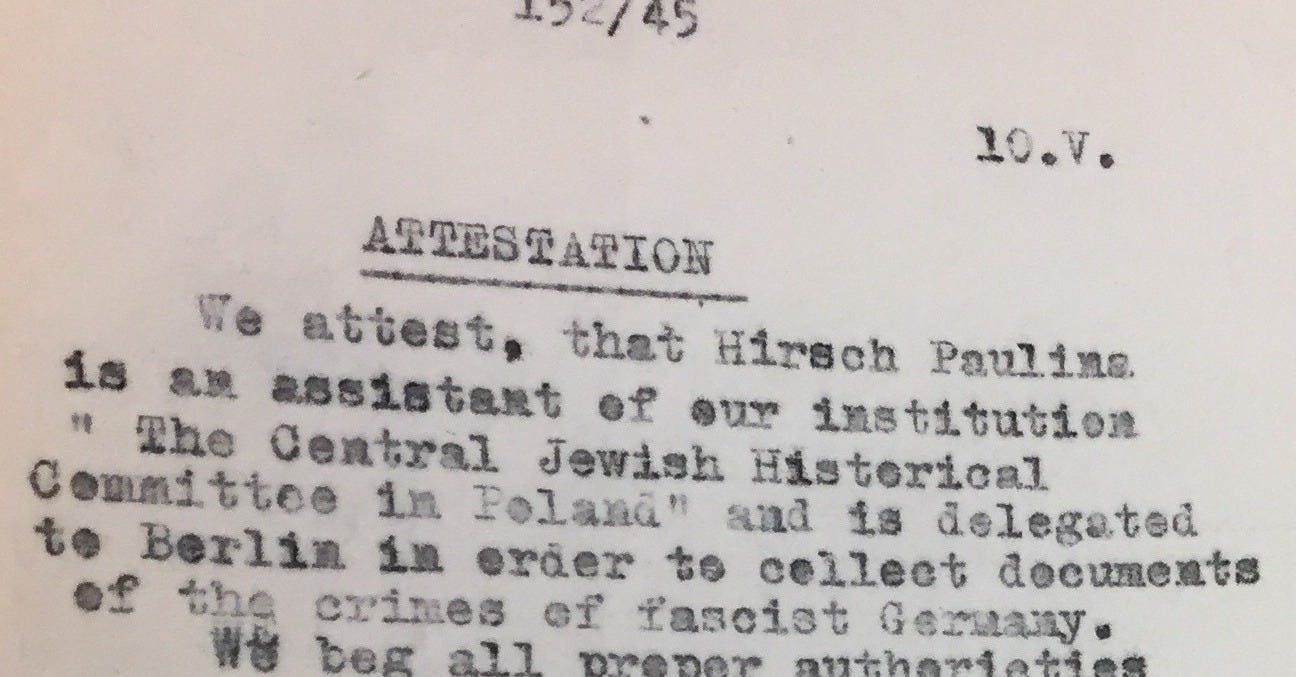
Another odd fact from your employee file is that you were let go after a year due to an unjustifiable absence. Of course, I don’t know you, but from what I do know, it seems out of character that you would stop showing up for such important work. According to your file, you traveled to Germany and throughout Poland to collect data related to fascist crimes, making me wonder if the “unjustified” absence was not unjustified. Maybe something happened to you, or you discovered something difficult. It couldn’t have been easy as a Jewish woman in the immediate aftermath of the Holocaust traveling around Poland trying to collect such information.
These strange aspects are really just surprises— jarring moments that continue to shift the story. When I came to Poland, I didn’t imagine I would find much about your life after the war, as everything seemed so inaccessible. My purpose was to focus on the details within the testimony, but how could I not want to know more? Like the fact that you married again, emigrated, and died in 1991 in Philadelphia, where you lived for 40 years. I am here in Poland looking for you, and you ended up in the US. And while I feel very driven to uncover something more from your life in the US, I understand that my work now is to focus on what happened here. It is to take this gift you left for me, this testimony, and explore its full dimension, including all the questions it brings up.
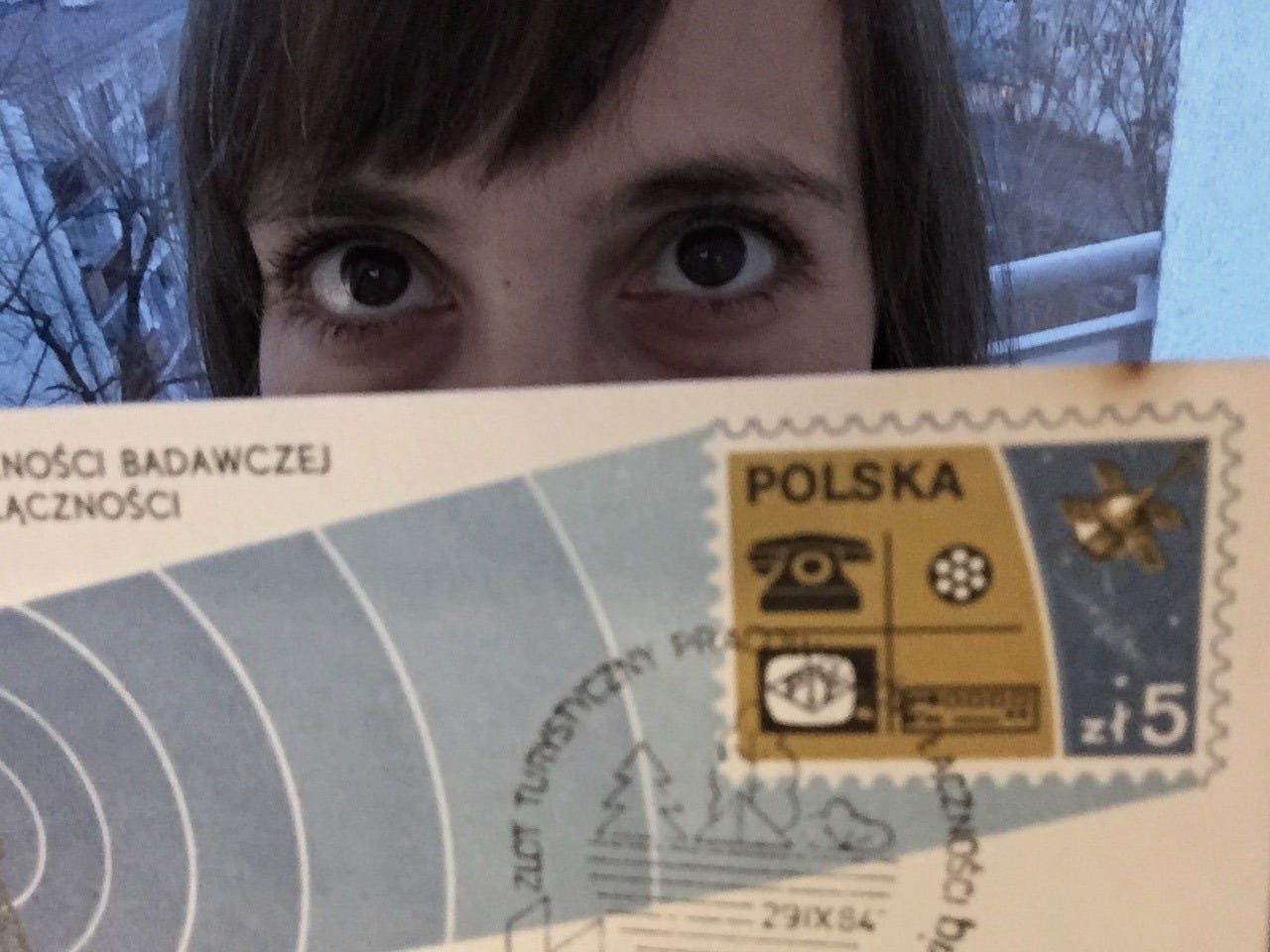
Paulina Day draws from the stories surrounding the evolving art/life work, Paulina— a performance and developing film centered on a life-changing journey investigating the Holocaust testimony of Paulina Hirsch, and its aftermath.
Thank you for reading this reflection inspired by caring for the stories of those who can no longer speak for themselves. In this time of rampant war, oppression, intolerance, misinformation, and prejudice, this project focuses on the potential of each other’s stories to provide a vision of hope, possibility, and deeper understanding.2
Wishing you strength, happiness, and community in the New Year.
The Emmanuel Ringelblum Jewish Historical Institute in Warsaw, where I was conducting research in both its Genealogy and Archives departments.
Comments
Nothing yet. Say the first thing.
Sign in to join the conversation.