Our monthly educational webinars feature guest speakers addressing topics important to the mito community, giving patients and families unprecedented access to leading clinical experts
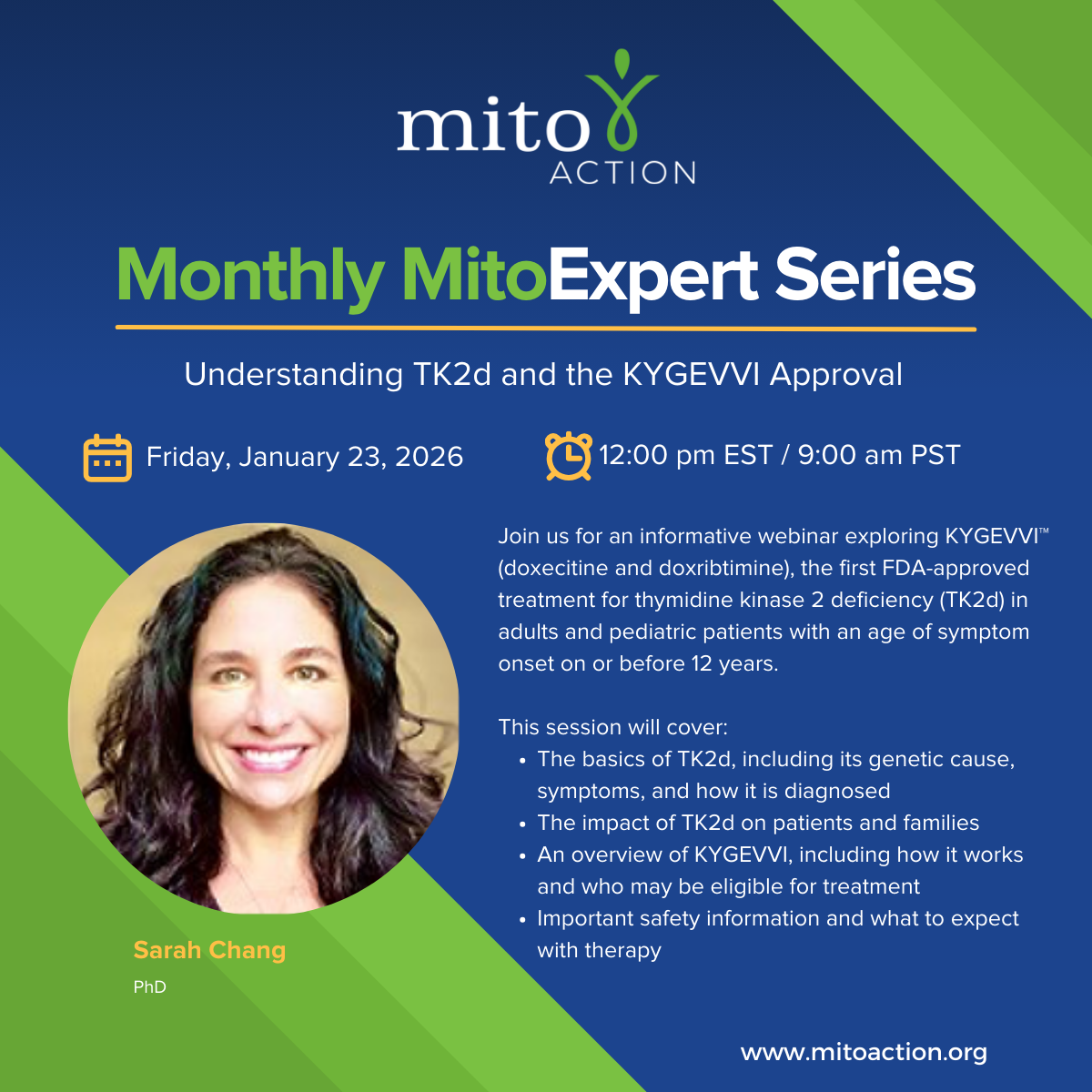
Join us for an informative webinar exploring KYGEVVI™ (doxecitine and doxribtimine), the first FDA-approved treatment for thymidine kinase 2 deficiency (TK2d) in adults and pediatric patients with an age of symptom onset on or before 12 years. This session will cover: The basics of TK2d, including its genetic cause, symptoms, and how it is diagnosed The impact of TK2d on patients and families An…
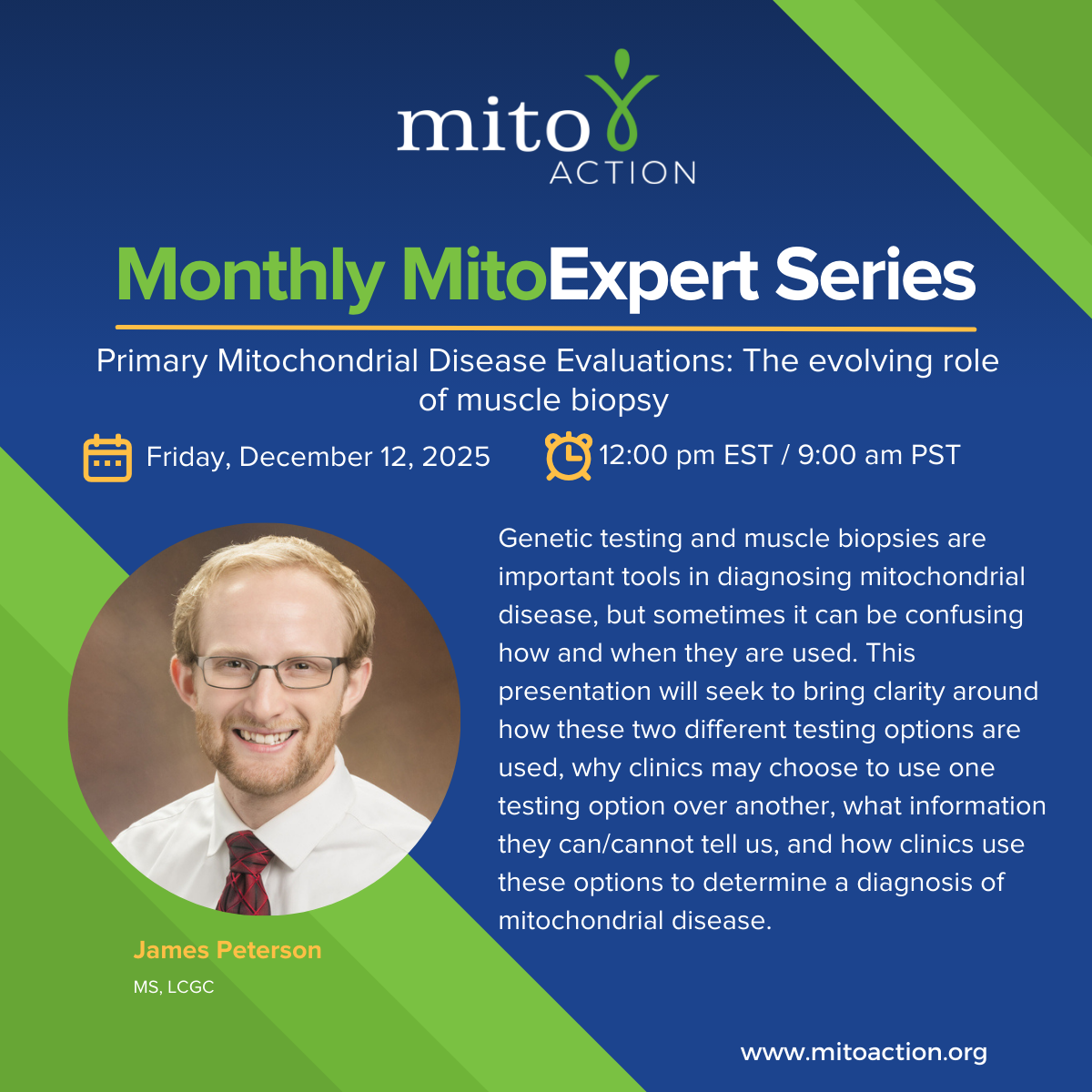
Genetic testing and muscle biopsies are important tools in diagnosing mitochondrial disease, but sometimes it can be confusing how and when they are used. This presentation will seek to bring clarity around how these two different testing options are used, why clinics may choose to use one testing option over another, what information they can/cannot tell us, and how clinics use these options to…
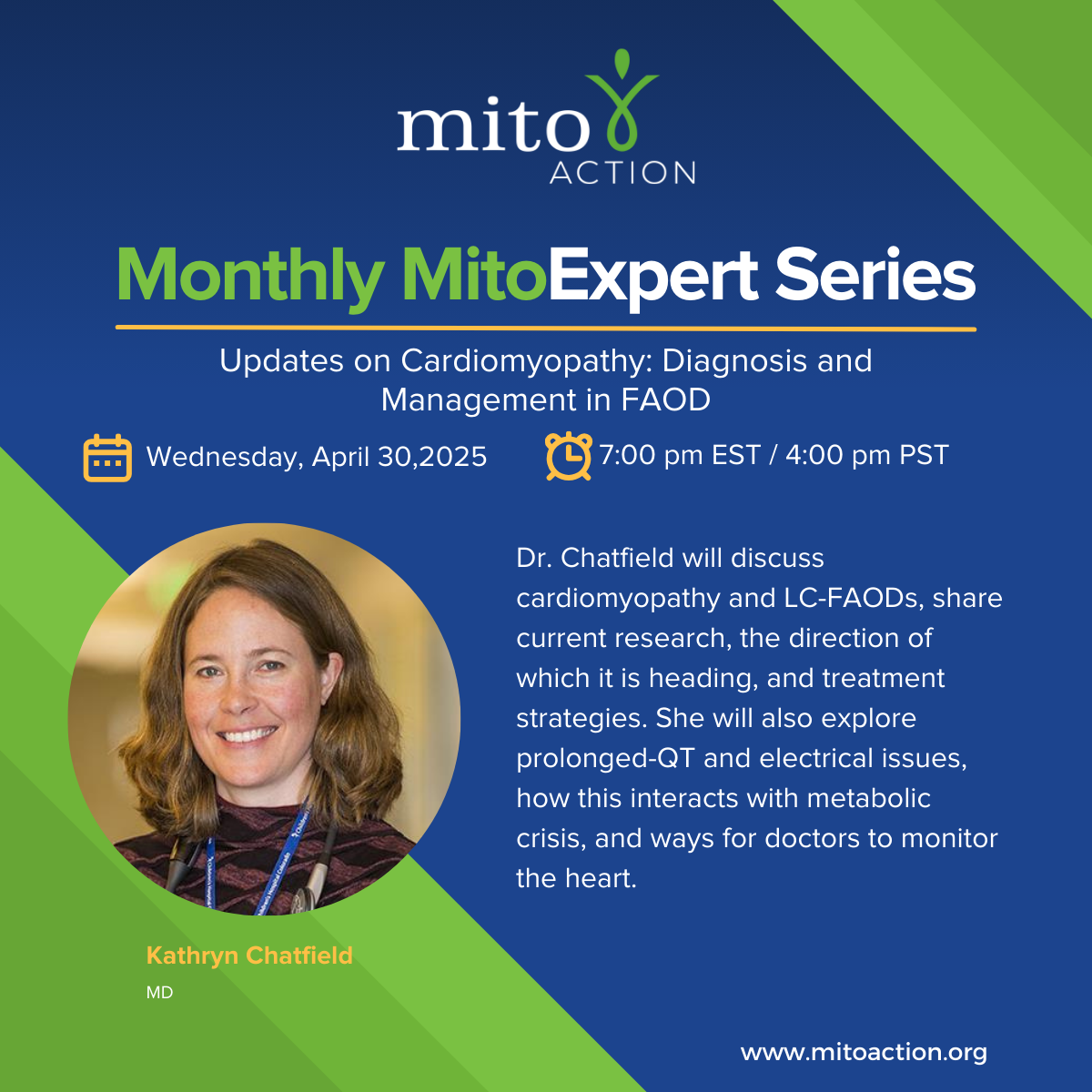
Dr. Chatfield will discuss cardiomyopathy and LC-FAODs, share current research, the direction of which it is heading, and treatment strategies. She will also explore prolonged-QT and electrical issues, how this interacts with metabolic crisis, and ways for doctors to monitor the heart.
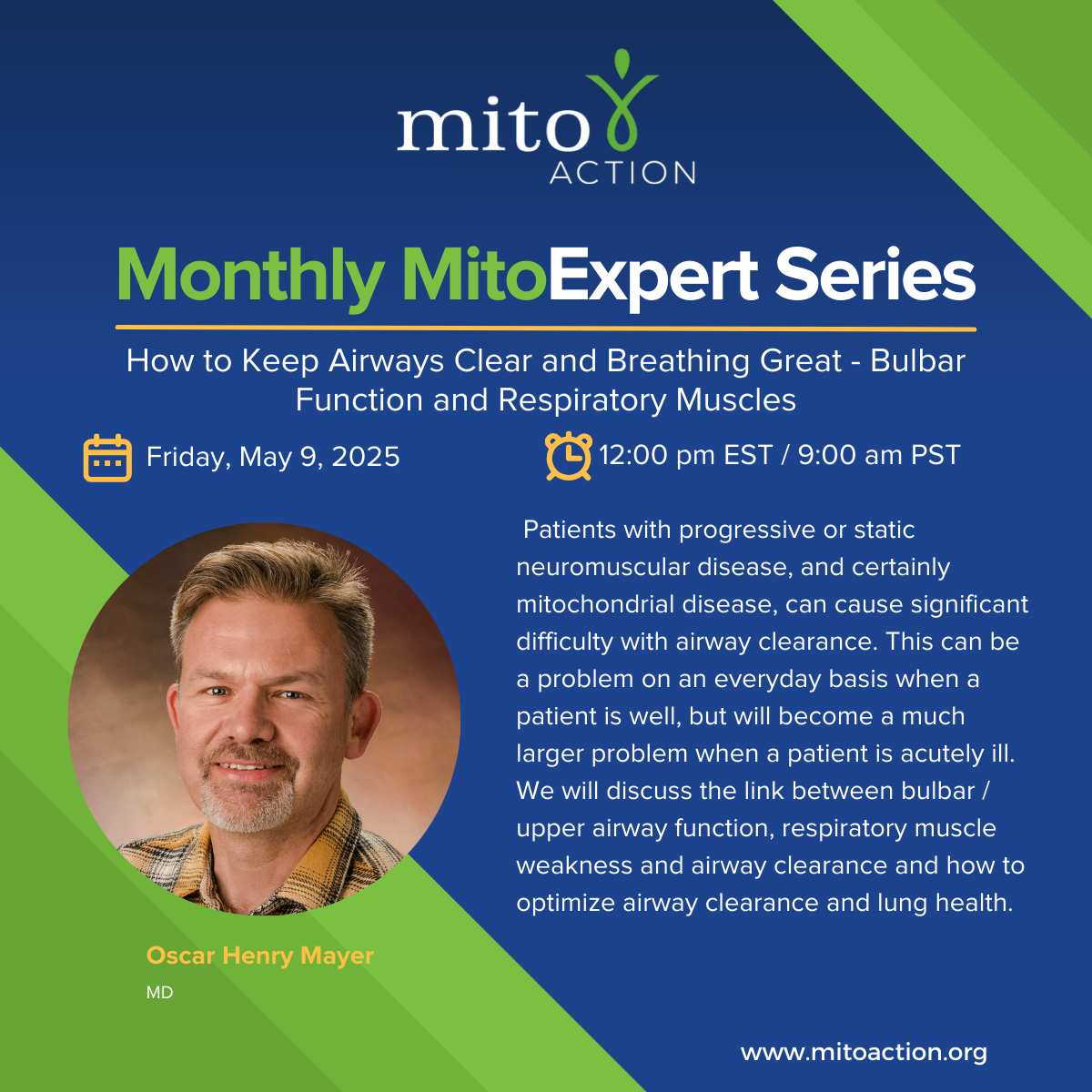
Patients with progressive or static neuromuscular disease, and certainly mitochondrial disease, can cause significant difficulty with airway clearance. This can be a problem on an everyday basis when a patient is well, but will become a much larger problem when a patient is acutely ill. We will discuss the link between bulbar / upper airway function, respiratory muscle weakness and airway…
Do you or your child struggle with toe walking? Are you curious about why it occurs and where the concerns lie? Is toe walking reversible and what strategies do physical therapists to help with reduce it? Join Pamela Tucker as she explores these questions while also introducing us to a relatively new strategy called, "Serial Casting." Together we will learn more about this technique, when it may…
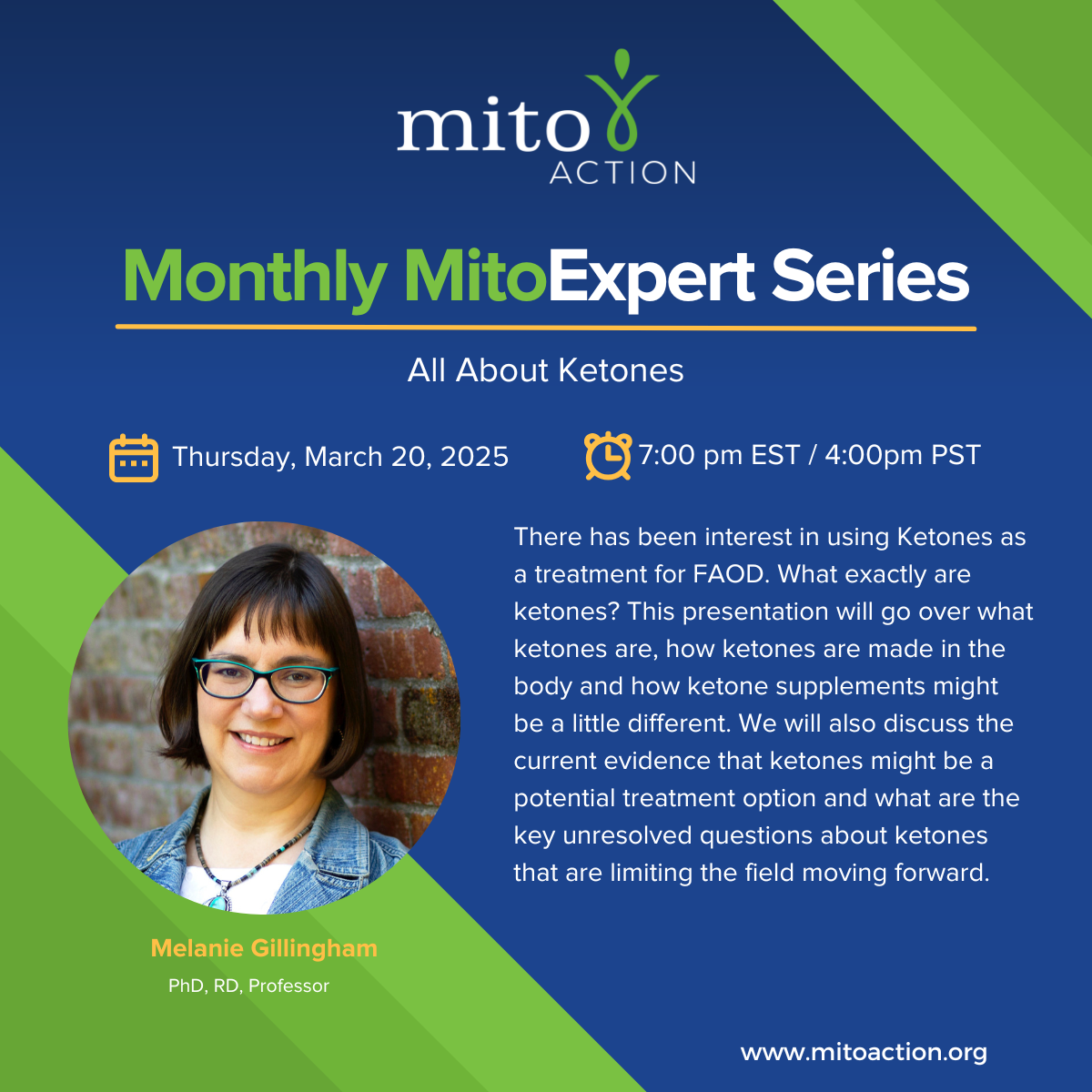
There has been interest in using Ketones as a treatment for FAOD. What exactly are ketones? This presentation will go over what ketones are, how ketones are made in the body and how ketone supplements might be a little different. We will also discuss the current evidence that ketones might be a potential treatment option and what are the key unresolved questions about ketones that are limiting the…
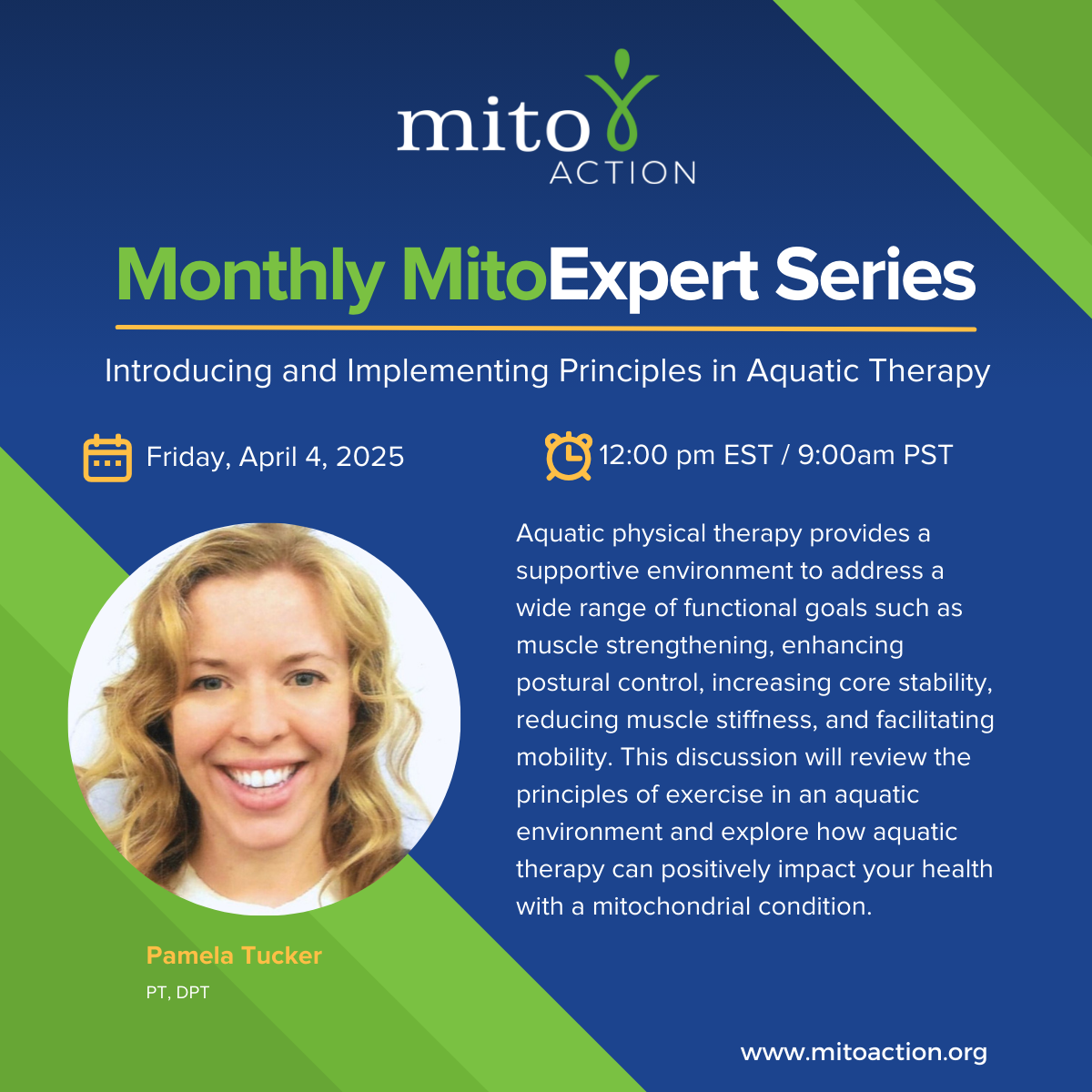
Aquatic physical therapy provides a supportive environment to address a wide range of functional goals such as muscle strengthening, enhancing postural control, increasing core stability, reducing muscle stiffness, and facilitating mobility. This discussion will review the principles of exercise in an aquatic environment and explore how aquatic therapy can positively impact your health with a…
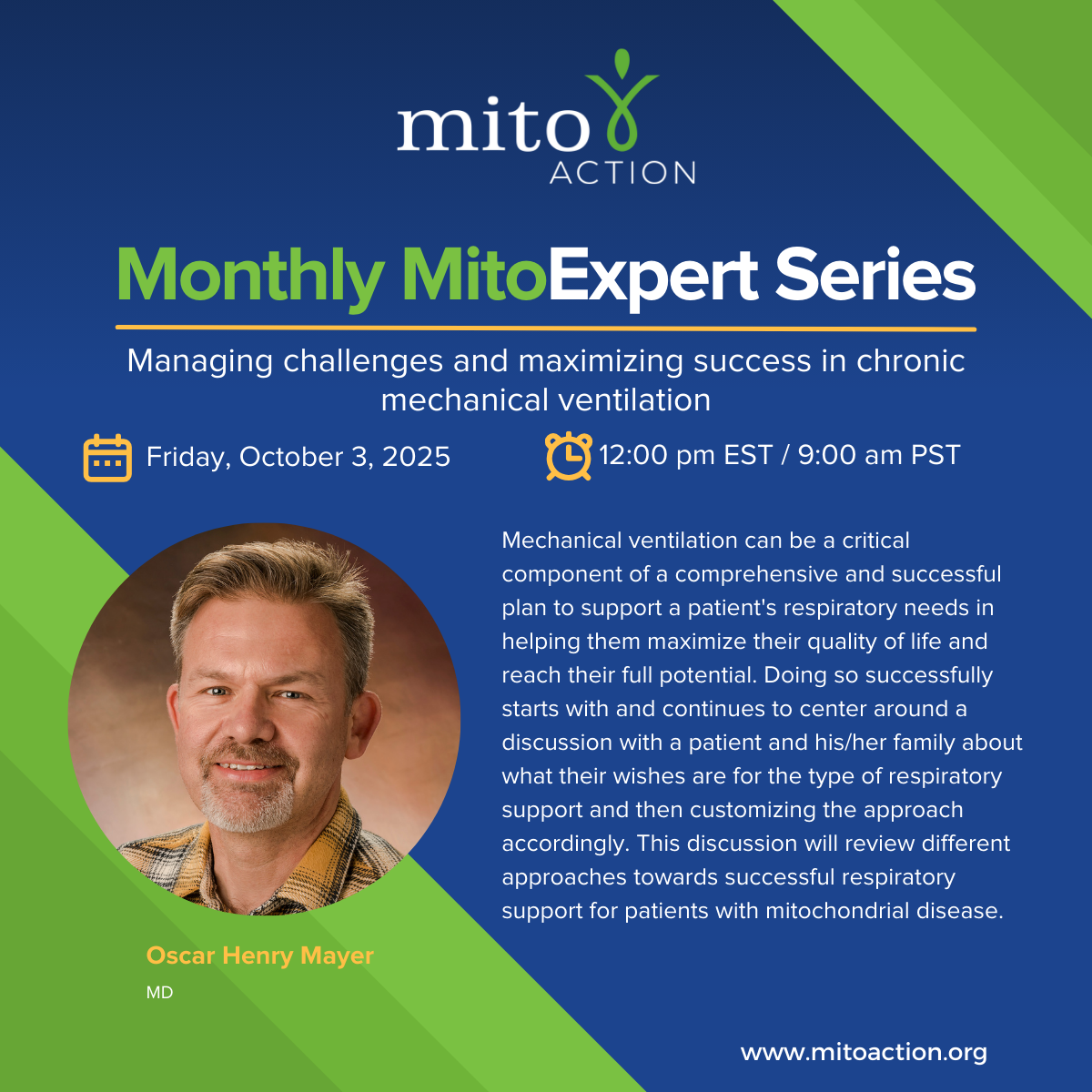
Mechanical ventilation can be a critical component of a comprehensive and successful plan to support a patient’s respiratory needs in helping them maximize their quality of life and reach their full potential. Doing so successfully starts with and continues to center around a discussion with a patient and his/her family about what their wishes are for the type of respiratory support and then…
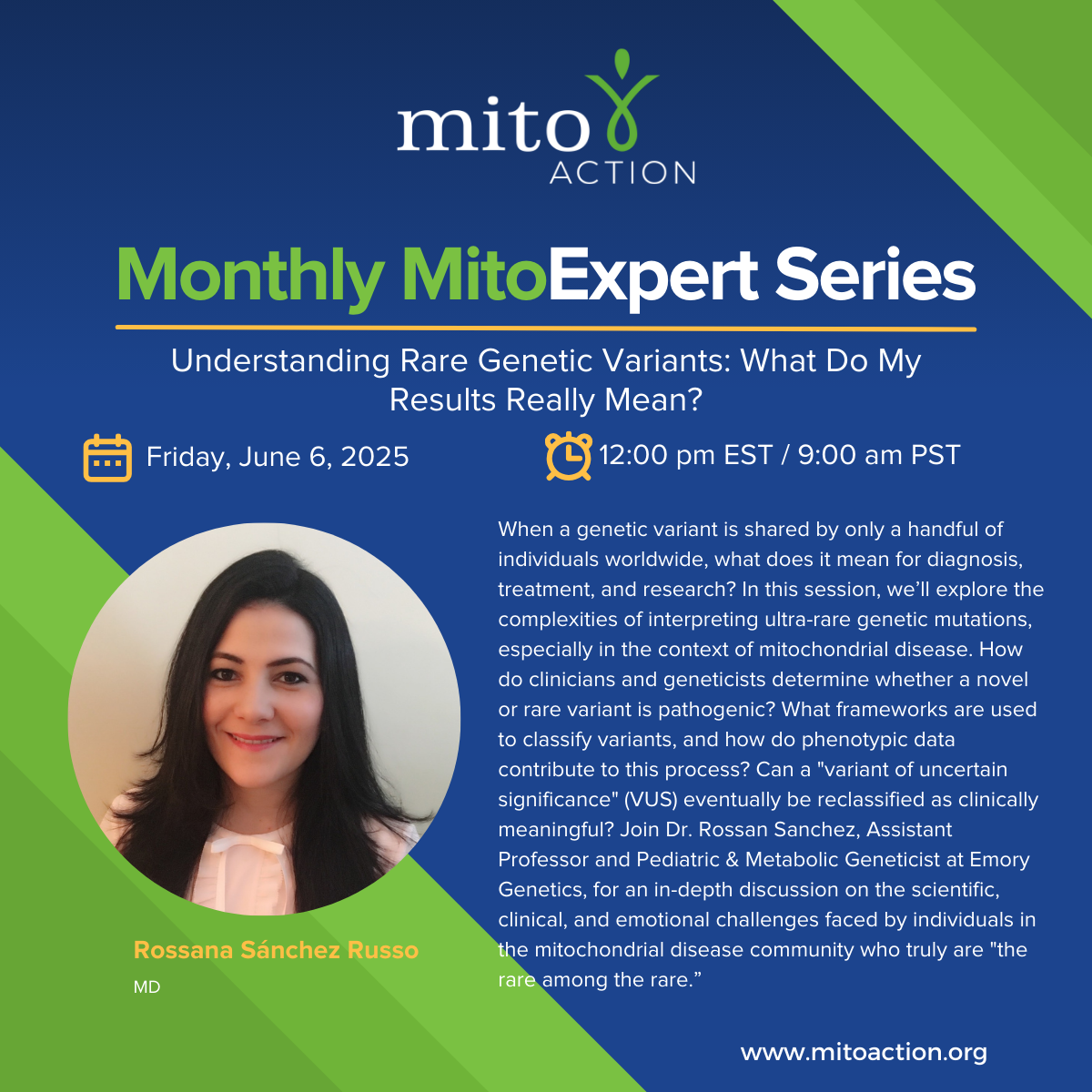
When a genetic variant is shared by only a handful of individuals worldwide, what does it mean for diagnosis, treatment, and research? In this session, we’ll explore the complexities of interpreting ultra-rare genetic mutations, especially in the context of mitochondrial disease. How do clinicians and geneticists determine whether a novel or rare variant is pathogenic? What frameworks are used to…
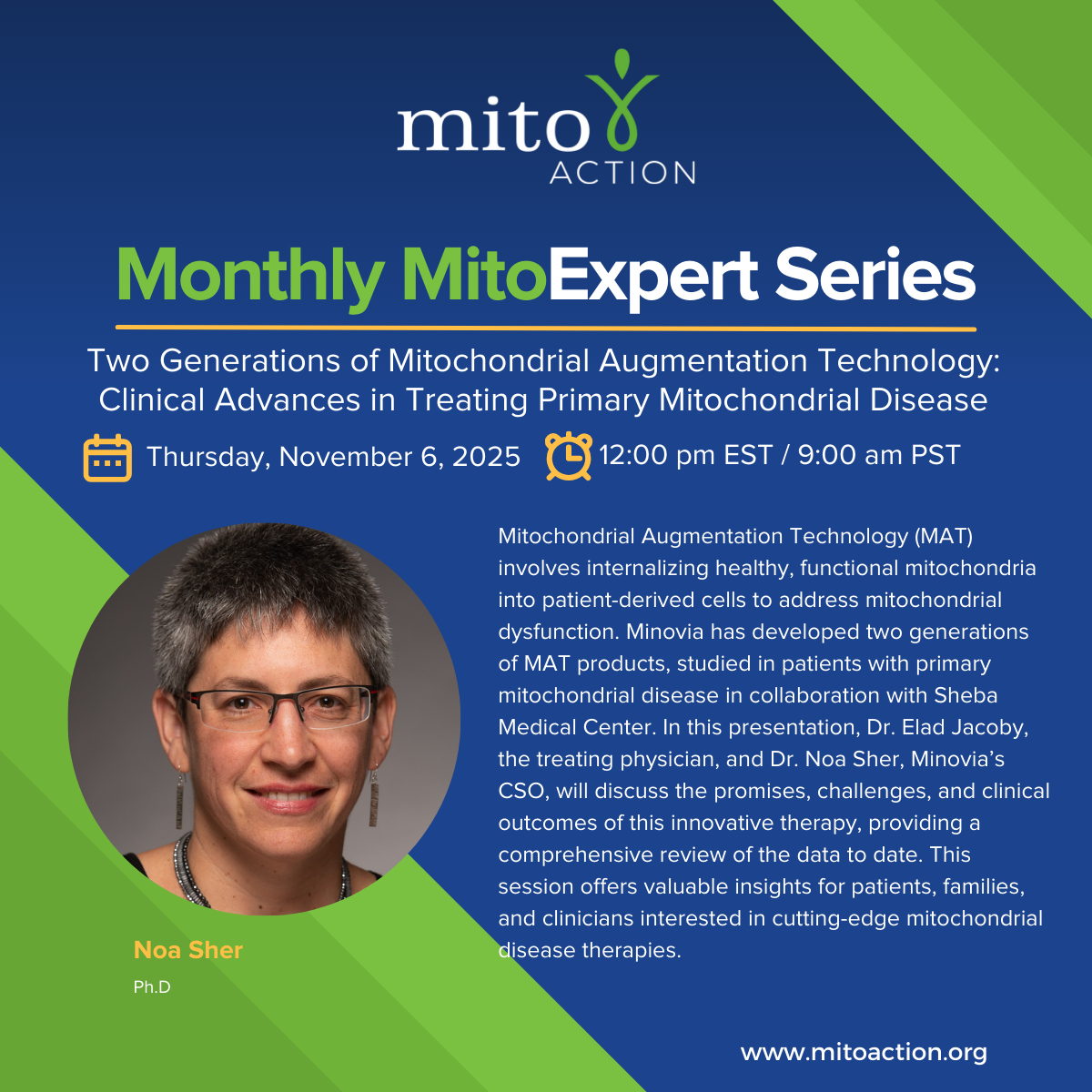
Mitochondrial Augmentation Technology (MAT) involves internalizing healthy, functional mitochondria into patient-derived cells to address mitochondrial dysfunction. Minovia has developed two generations of MAT products, studied in patients with primary mitochondrial disease in collaboration with Sheba Medical Center. In this presentation, Dr. Elad Jacoby, the treating physician, and Dr. Noa Sher,…