
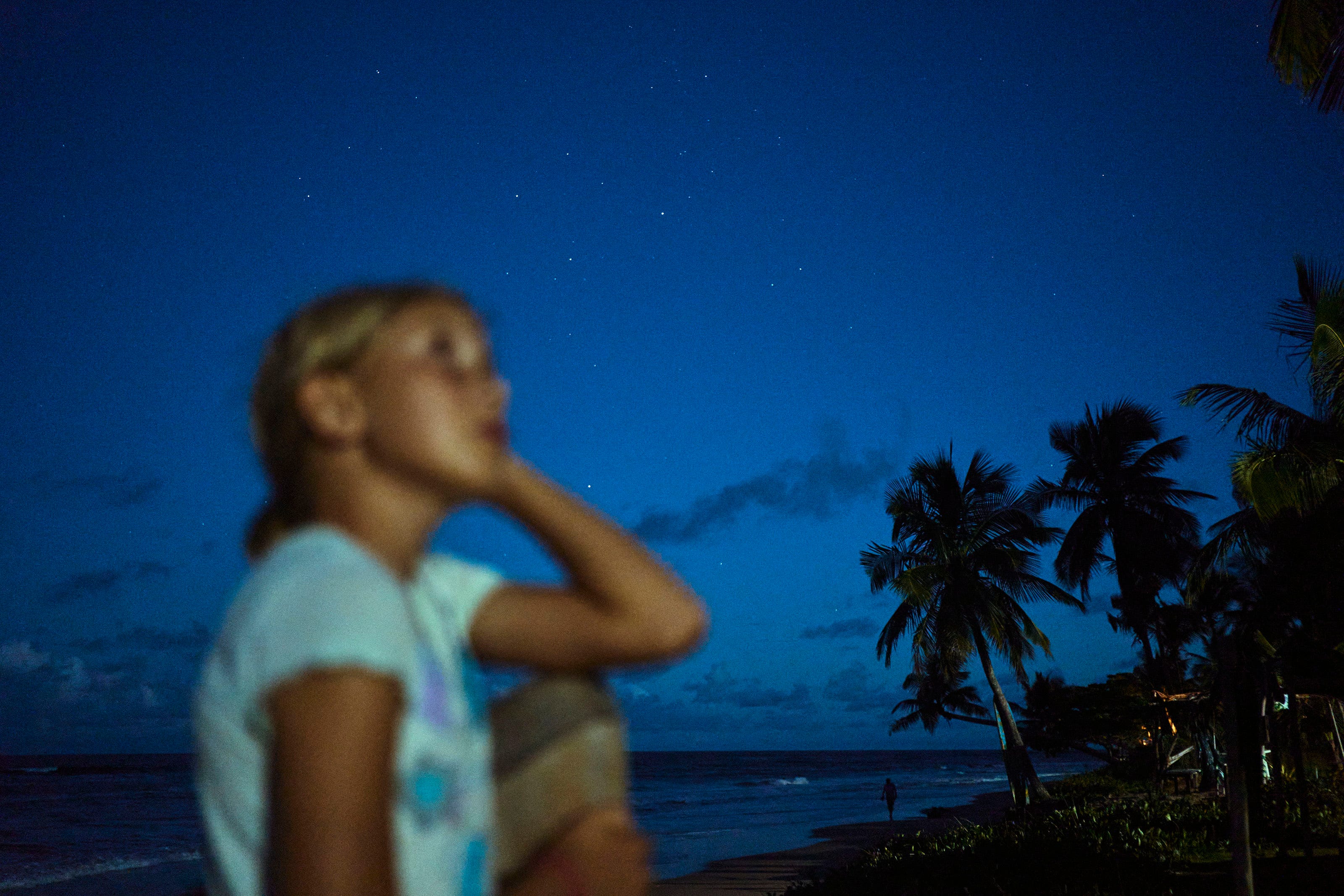
From the womb, it was already familiar. Warm, steady, certain. It must have been one of the first voices that made the world feel safe.
When I was a baby and my mother was still young, my babushka, my grandmother, helped raise me. She wasn’t just someone who visited. We all lived together in a tiny one-bedroom Soviet apartment: my parents, my grandparents and I. She was simply... there.
Her face is one of the earliest things I remember. Maybe the earliest.
Her presence was so constant that I never thought of it as something separate from life itself. It just was life.
Her voice was an anchor. A root. A reminder of who I was and where I came from.
No matter where I went, that voice was something I could always return to. Home base.
Not because we saw each other often. After we immigrated to Australia, we spent much of my adult life on opposite sides of the world. But I always, always knew she was there.
Today I’m writing this from a house near one of the nicest beaches in Brazil.
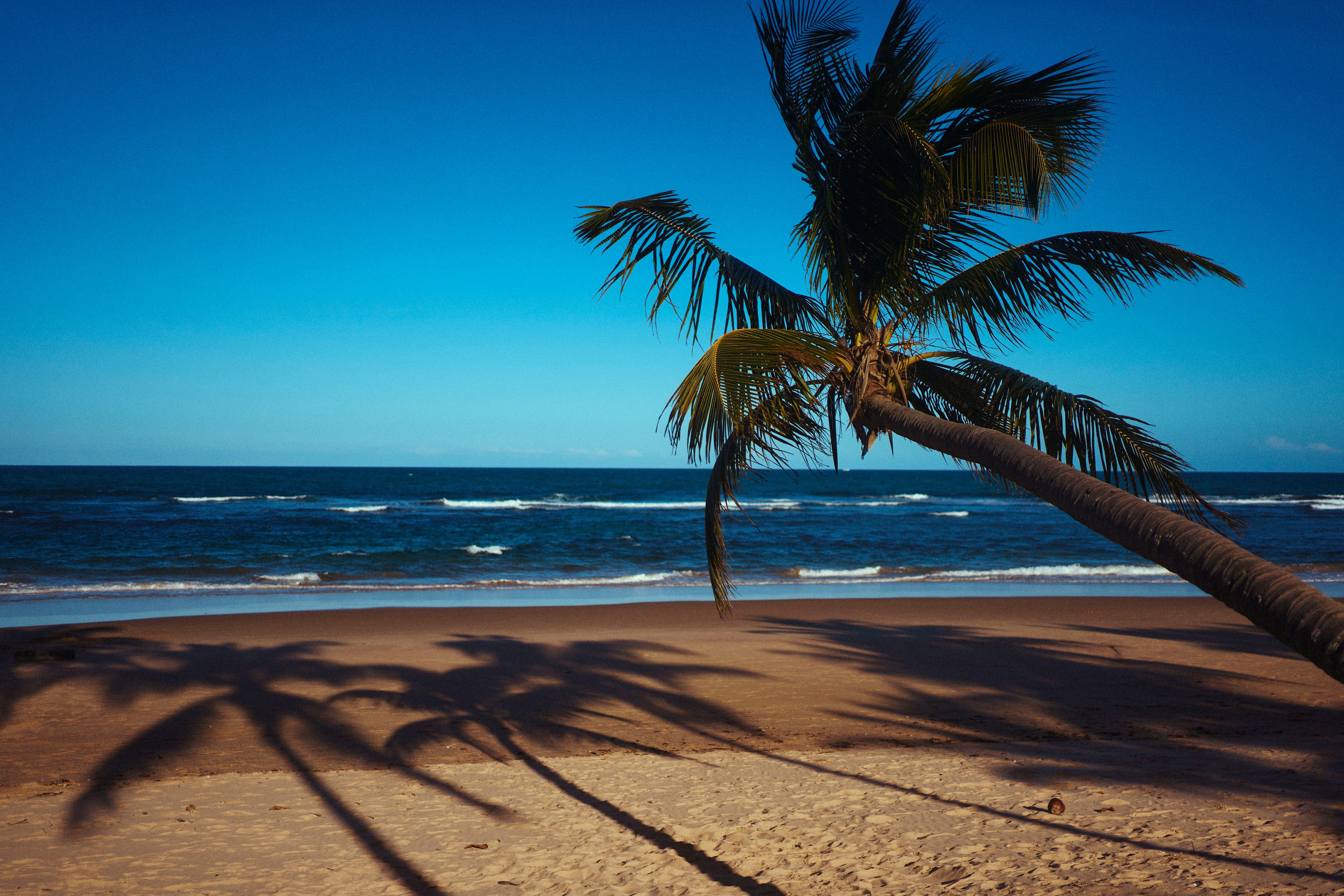
The sky is blue, the ocean is calm, and the air is warm. Palm trees lean lazily over the sand. It’s the kind of place people dream about and, for me, it really is a dream place. I’ve lived here for much of the last two years.
The place feels like a different dimension. World crises and political dramas feel far away. Entire news cycles pass without anyone seeming particularly concerned.
Time stretches here. The days blend together in a way I’ve never experienced before.
Before you know it, a year has slipped by, and you’re left wondering where it went. The world keeps moving while you remain in the same beautiful place, slowly becoming more and more disconnected from the wider world.
For some people, that works just fine. I thought it might work for me too. But I’ve come to understand something about myself. I need movement, friction, unfamiliar people, and ideas that challenge my assumptions. I need to feel connected to the wider world.
Every time I’ve stayed in one place for an extended period during my adult life, I’ve come to the same conclusion. Travel isn’t just entertainment for me. I seem to need it in the same way I need oxygen.
One night during my last journey through the interior of Bahia, I parked my camper on a street in a small town. My neighbour was a homeless man in his sixties who made a living collecting discarded things for recycling.
He began reciting poems he’d written. They were about recycling, the cycle of life, love. They weren’t someone else’s words. They were his. His treasures. Hidden inside a man that most people walked past without a second glance.
I couldn’t help thinking I was listening to a poet in the truest sense of the word. Someone whose reflections on life were more profound than much of what passes for culture in the mainstream. Yet almost nobody knew he existed.
I’ve come across people like this all over the world. Again and again, travel reminds me that intelligence, talent, wisdom, kindness and creativity aren’t distributed according to wealth, geography or passports.
Travel has a way of dismantling assumptions. It asks us to look beyond the surface because people and places are almost always more than they first appear.
Looking back, I think I started seeing the world this way long before I ever travelled.
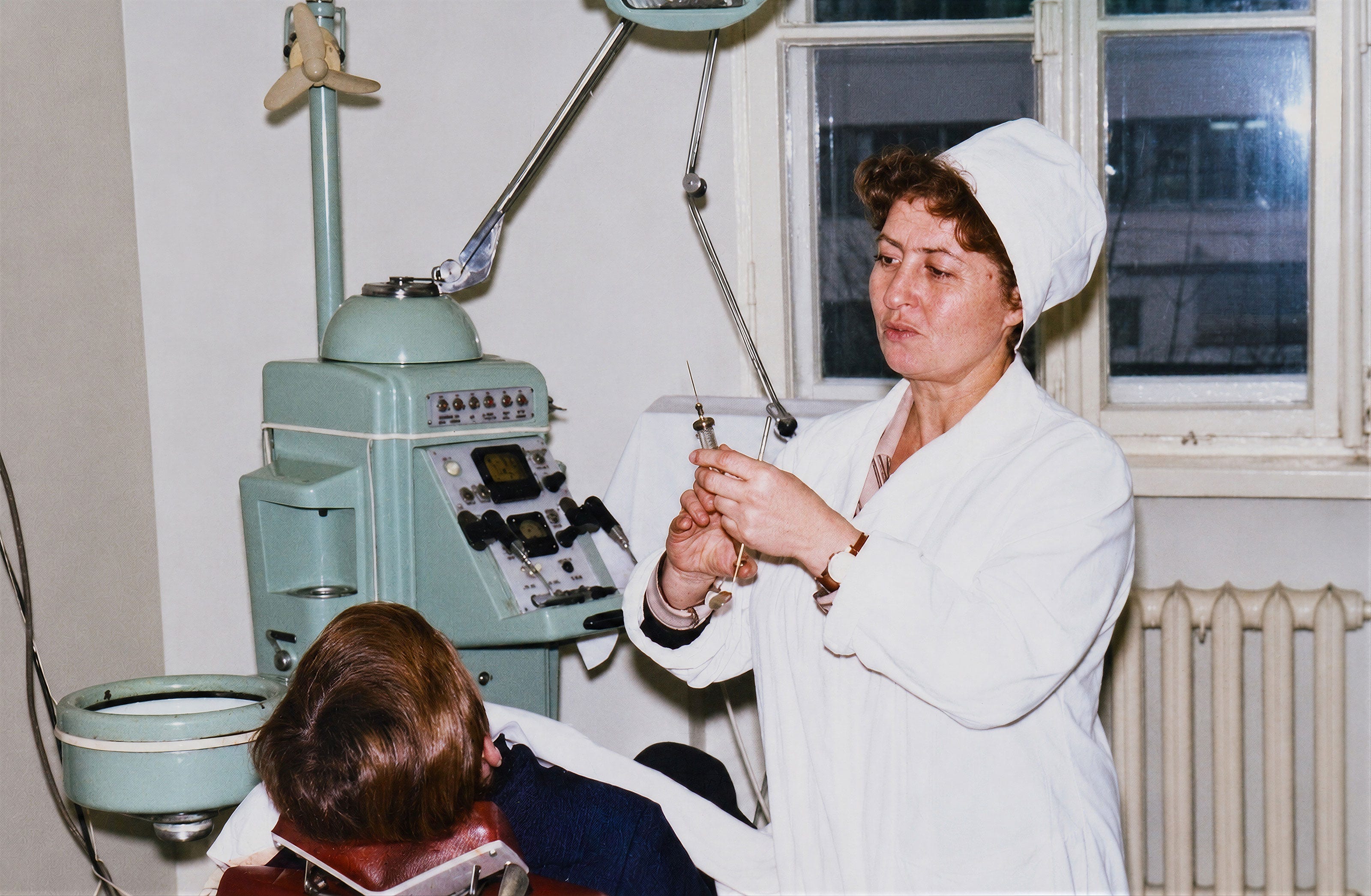
She was a dentist, and her dentist’s office was my playground. I’d pump the dentist’s chair up and down like it was an amusement park ride, rummage through drawers and cupboards, and examine all the instruments. I loved being there.
Then I’d watch other children arrive. They’d be terrified, sometimes crying, dreading the exact same room that felt completely safe and even pleasant to me. The room hadn’t changed. I’d simply had the chance to become familiar with it and see it differently.
Without either of us realising it, those afternoons in my grandmother’s dentist’s office were teaching me something that would shape the way I see the world.
The closer we look, the more we discover that things are rarely what they first seem.
Travel deepened that lesson. Photography made it stick.
The combination of travel and photography has become my favourite way of experiencing the world. You move through it, observe it, engage with it, and somehow even manage to preserve a part of it.
For years, I thought I was travelling for myself. And of course I was. But over time, I’ve realised that wasn’t the whole story.
Every journey had an audience. Every photograph, even the ones I never shared publicly. Every strange encounter. Every new discovery. My family always wanted to hear about them, but my babushka was one of the very first people I’d tell.
Especially after WhatsApp arrived, we spoke almost every day. I’d send her photos, tell her stories, describe the places I’d visited and the people I’d met. She experienced the world through me.
She wasn’t just hearing about my travels. She had quietly become part of them. Then again, maybe she always had been.
She’s the one who taught me to ride a bicycle, which eventually led to tens of thousands of kilometres on motorcycles across continents. She’s the one who, when the first foreign films arrived in the USSR, took me to see King Kong at the cinema. Not once. I think it was ten times. Looking back now, I can almost draw a line from those afternoons in the cinema to the documentaries and YouTube videos I make today.
She even encouraged my basketball obsession in my teens. While my parents worried it would lead nowhere, she simply said, “If you want to be good, you have to practise. Again and again.”
The older I get, the more I realise how deeply she shaped me. My curiosity. My stubbornness. My hunger for the world. So much of who I am traces back to her. I suspect I’m still uncovering the ways she influenced me.
She was willing to change her mind, willing to learn, willing to grow. Most people lose that long before old age.
She never did.
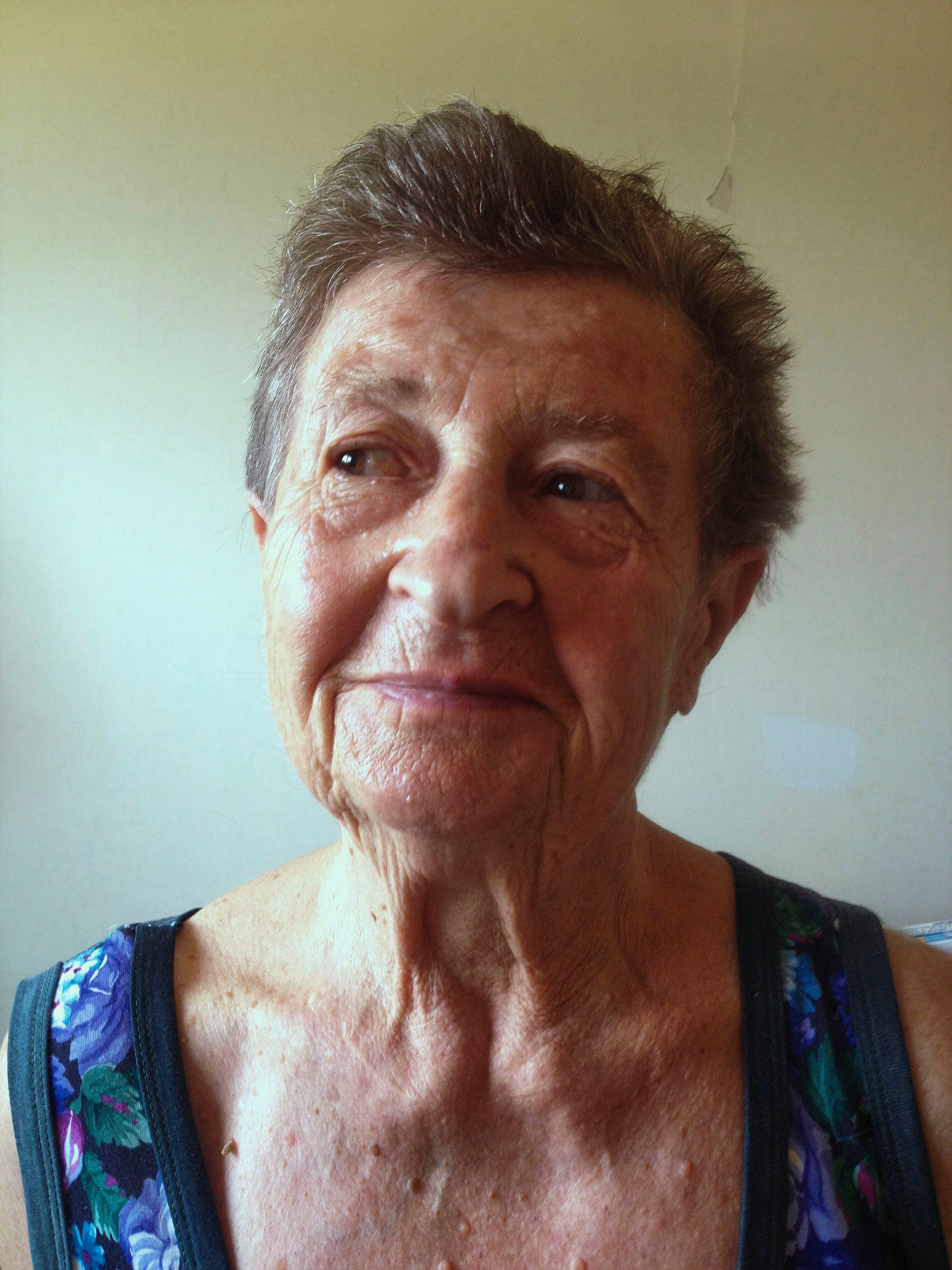
A couple of months ago, my babushka, my grandma, died. She was ninety-four.
Ninety-four sounds like a complete life, and I know how fortunate I was to have her well into my forties. But none of that changes the feeling of such enormous loss and grief.
Even now, I still catch myself reaching for my phone. I open WhatsApp, and then I stop because there is nobody to call.
The voice I’d been hearing since before I was born is gone.
They’ve certainly brought me adventure, taken me to beautiful places and introduced me to remarkable people. But that’s not their greatest gift.
It’s the awareness to appreciate what’s in front of me while it’s still there, while I still can. If anything, this has only strengthened my desire to keep travelling, to keep meeting people, to keep seeing the world and to keep paying attention.
Years ago, I visited my grandmother for the last time, though I didn’t know it then. I deliberately recorded her telling me our family history. I filmed her talking about surviving the war, commenting on family photographs and sharing stories from everyday life. I knew those recordings would matter one day.
Now they mean more than ever.
I can hear her voice. I can see her smile. I can watch her face. For a few moments, she isn’t just a memory. She feels present, as though she’s right there.
She was sharp, witty and even a bit of a smartass, right up until her very last days.
Comments
Nothing yet. Say the first thing.
Sign in to join the conversation.