

Several behavioural economists have argued that market bubbles and crashes are often amplified by herd behaviour. While the sectors and themes may change every year, the tendency to chase the “flavour of the season” remains a recurring feature of financial markets. One of the biggest casualties of this behaviour is asset allocation.
A well-diversified portfolio draws on the strengths of different asset classes, matches it with an investor’s risk appetite and supports sustainable long-term wealth creation. Blindly chasing the hottest investment theme, on the other hand, not only hurts your portfolio but also prevents you from evaluating financial products through the equally important prism of cost-benefit analysis.
This year, subdued returns in Indian equities and depreciation of the rupee have made global investing a popular theme, with many experts and finfluencers advocating overseas exposure. But viewing global investing purely through the lens of a weak domestic market or a falling rupee is misguided.
The stronger case for investing internationally is diversification. Even then, investors should carefully weigh the costs against potential benefits. With most international mutual fund schemes constrained by overseas investment limits, many investors are looking to invest directly in US and other stocks through the Liberalised Remittance Scheme (LRS).
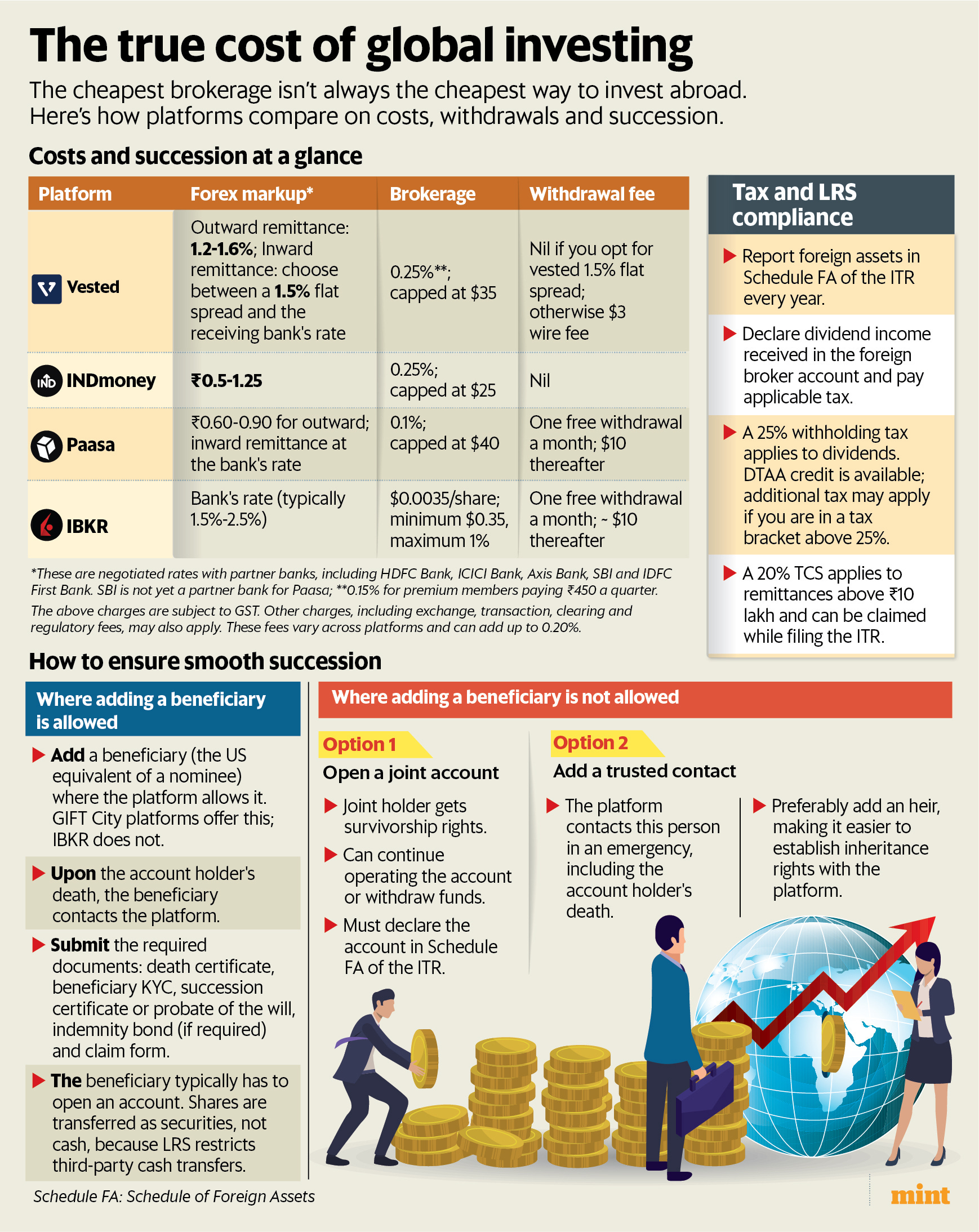
Several platforms facilitate these investments, but the costs go beyond brokerage fees. Investors need to account for foreign exchange conversion charges, remittance costs and other transaction expenses. There are also important succession considerations, since these investments are typically held outside India. So, if you’re considering global investing, read this story by Shipra Singh on how to look at investing directly while examining key costs and succession issues.
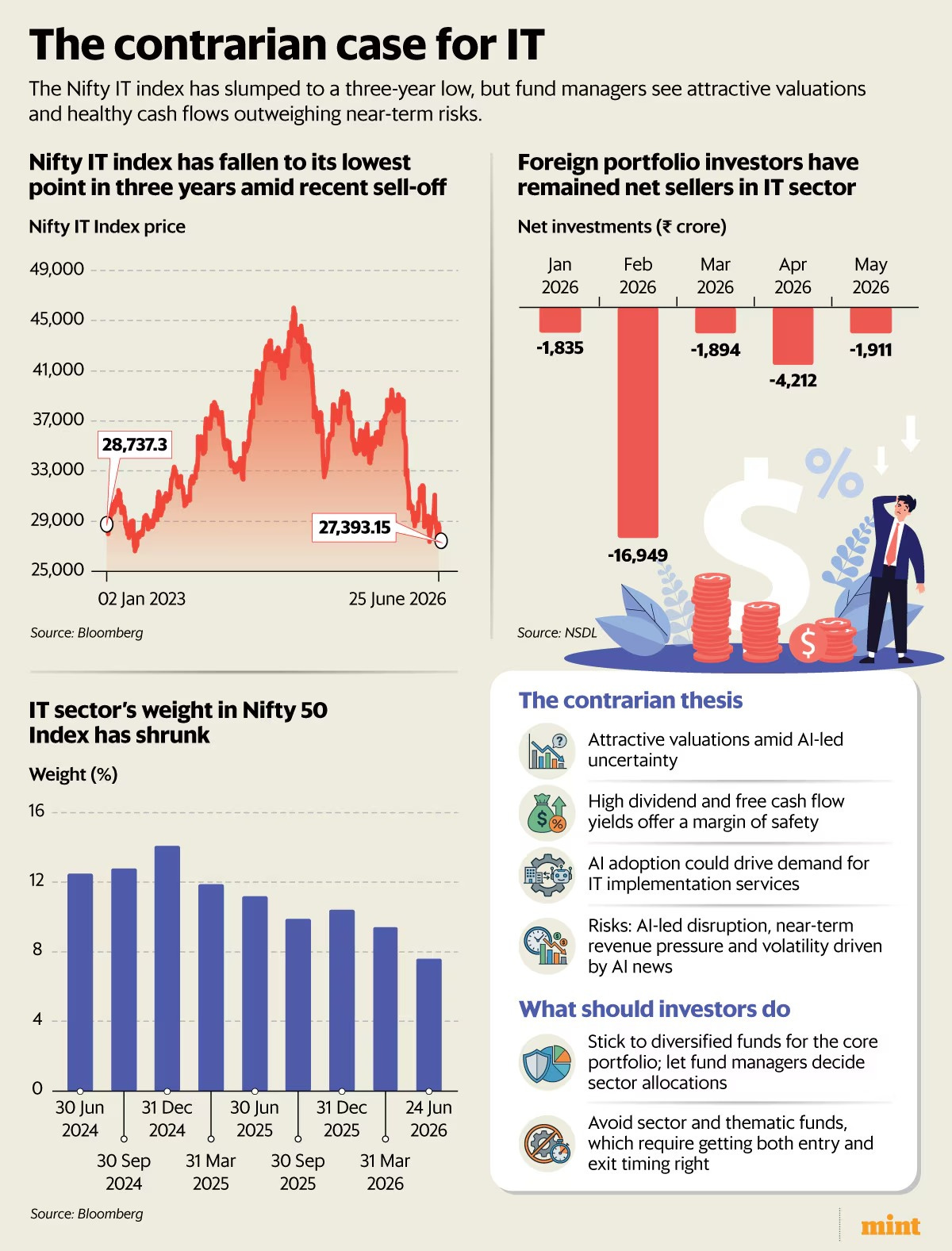
The same herd mentality was also evident in the fortunes of Indian IT stocks, rising and then falling. A sector that accounted for 12–14% of the Nifty 50 just three years ago now makes up only about 7.6% of the index, weighed down by concerns over artificial intelligence and slowing global demand.
Yet, some early signs of recovery are emerging. Many fund managers believe the pessimism is already reflected in valuations, while strong balance sheets, healthy cash flows and the tailwind of a weaker rupee could support earnings over the long term. In this story, Jash Kriplani speaks to fund managers about why they continue to see Indian IT stocks as a long-term opportunity and why retail investors are better off accessing the sector through diversified mutual funds rather than sector-specific schemes.
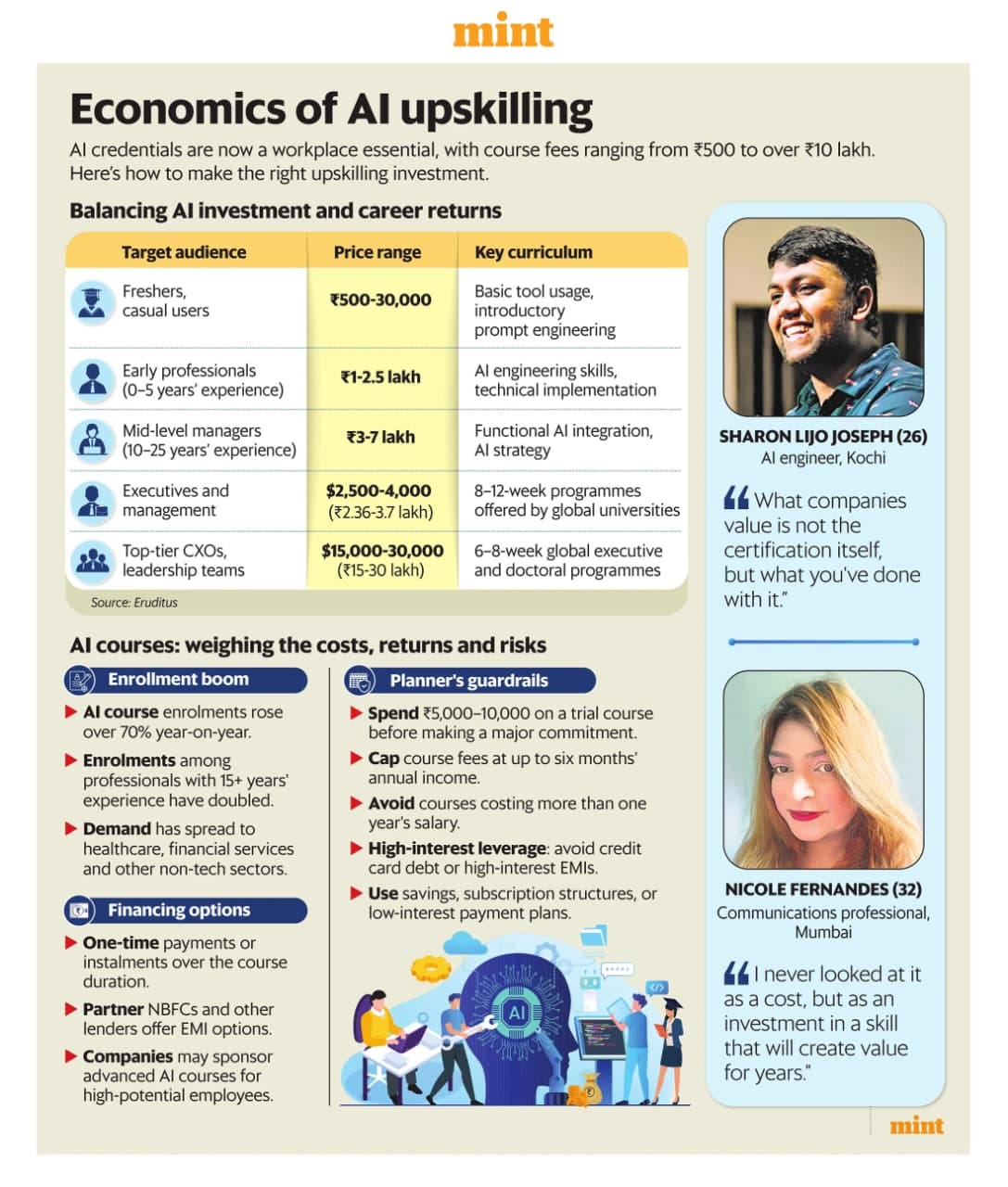
And when it comes to AI, herd mentality is being fuelled by an acute case of FOMO. The result is a proliferation of AI courses that promise to transform your CV and give you an edge over everyone else. But if you’re considering enrolling in a course that costs several times your monthly salary, it’s worth going back to the basics of cost-benefit analysis.
Unless it’s for a highly specialised skill, on-the-job learning and practical application are often far more valuable than an expensive certification. Ann Jacob explains why it may be pointless to spend a fortune on AI courses solely to embellish your CV and why building AI skills gradually through smaller, more affordable learning opportunities can be the smarter approach.
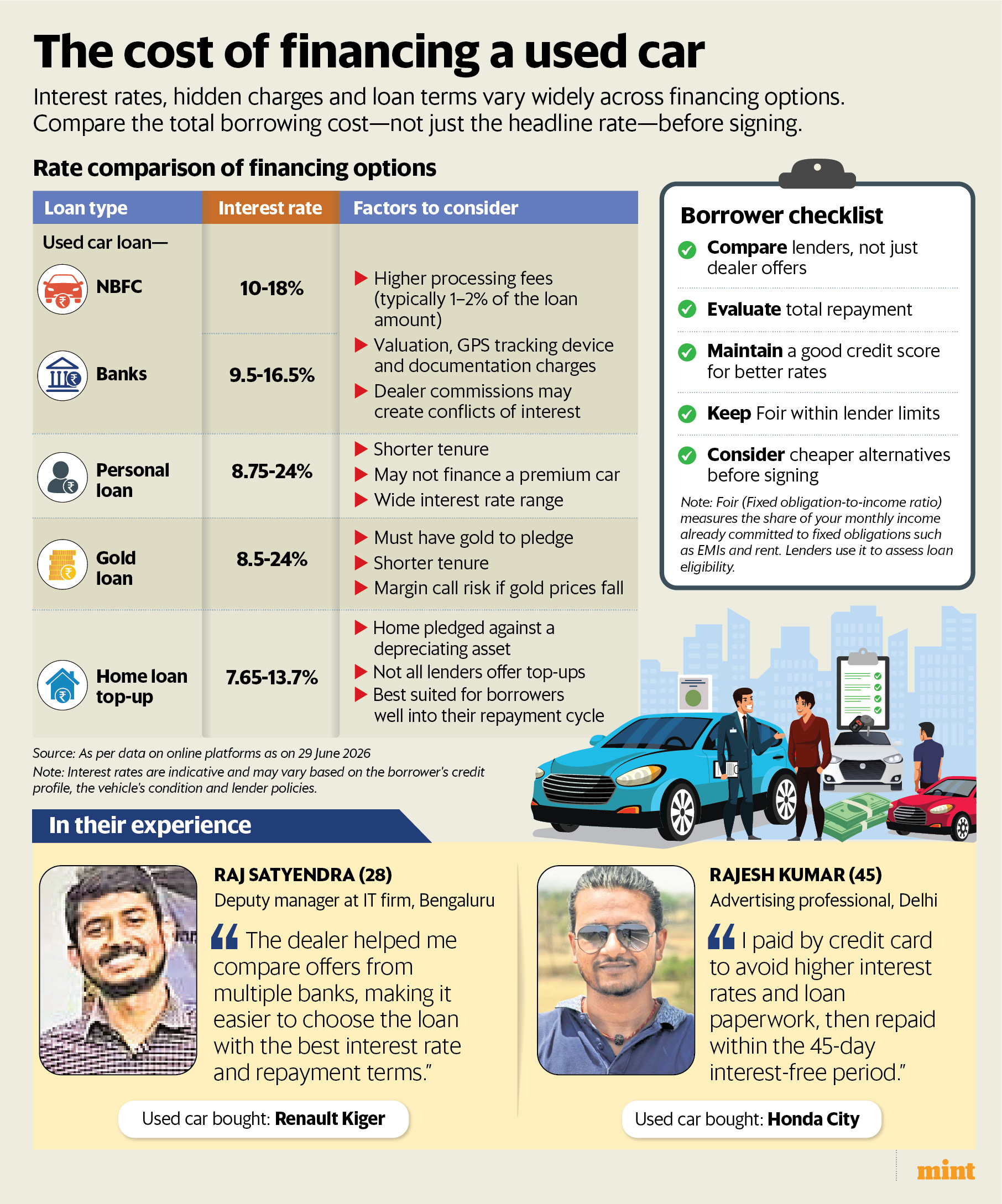
And if you’re in the market for a second-hand car but plan to finance the purchase rather than pay upfront, this is a must-read. While a used car may come with a lower sticker price, financing it is often significantly more expensive than financing a new vehicle. Used-car loans typically carry higher interest rates and some additional charges, making the overall cost of ownership much higher than many buyers anticipate. Ananya Grover explores the different financing options available and explains why you should compare the total cost of borrowing rather than relying solely on the advertised interest rate.
And while we’re on the topic of vehicles, here’s another interesting story by Ananya Grover. If your car spends more time parked than on the road, a pay-as-you-drive (PAYD) motor insurance policy could help you save on premiums. A PAYD cover offers little benefit for regular use drivers, but if your usage is next to nil and you want a cost effective comprehensive motor insurance option that protects your vehicle beyond the mandatory third party insurance cover, a PAYD cover can help.
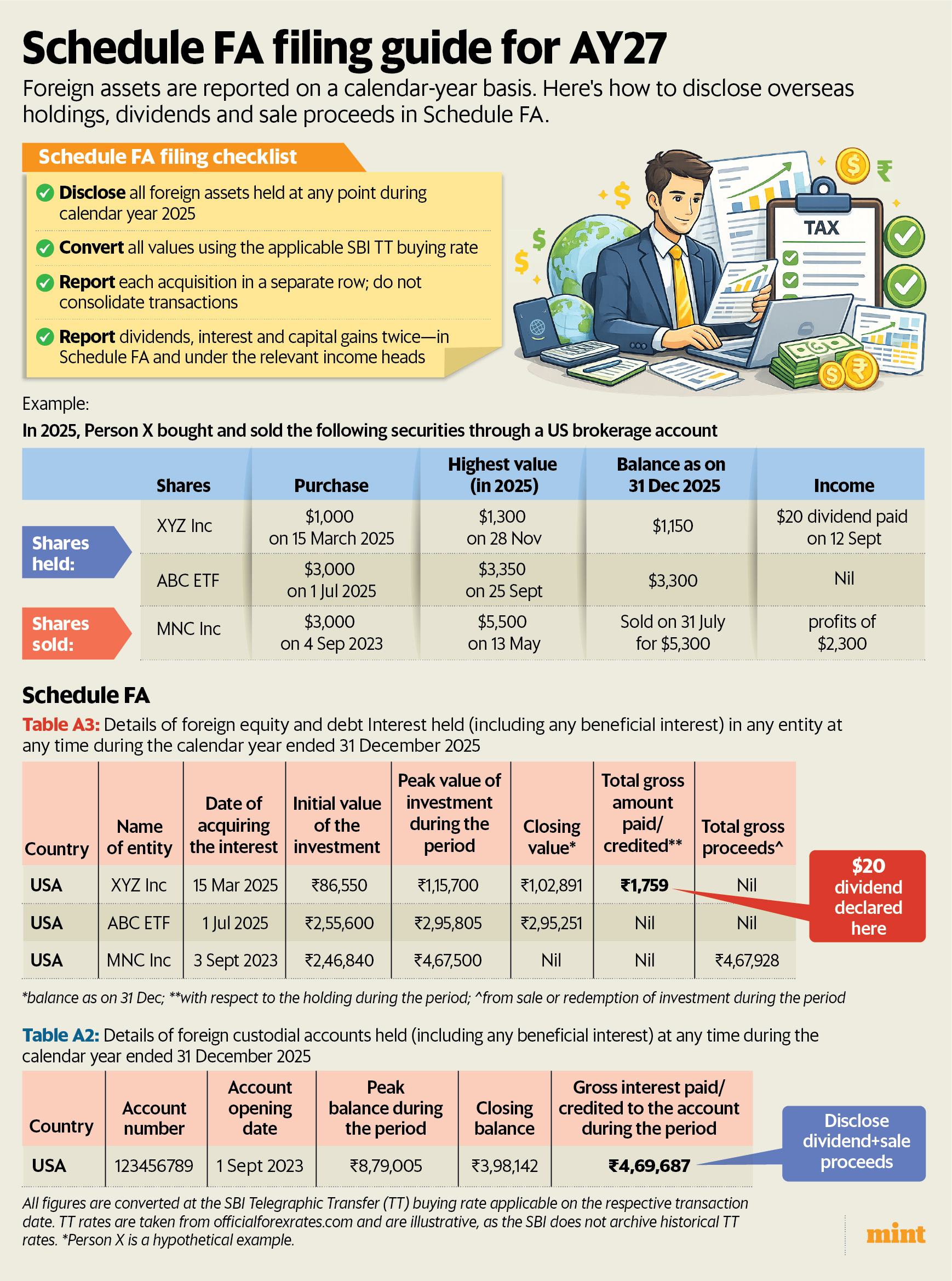
And finally, an important story specially since July is as much about tax filing as it is about the monsoon. If you are a resident taxpayer and hold any foreign assets, make sure you disclose them in Schedule FA (Foreign Assets) while filing your income tax return. Any oversight can invite scrutiny as the Income Tax Department receives information from foreign jurisdictions through global information sharing agreements.
So, whether you have overseas bank accounts you may have forgotten about, foreign stocks, stock options or other overseas assets, this story by Shipra Singh walks you through what needs to be disclosed and how to report it correctly when filing your tax return for FY26.
That’s all from the Mint Money team this week. Until next time!
Deepti Bhaskaran is editor, Mint Money, with two decades of experience as a personal finance journalist. Her work reflects a strong focus on financial literacy, consumer protection and practical money management. She can found at deepti.bhaskaran@livemint.com.
No posts
Comments
Nothing yet. Say the first thing.
Sign in to join the conversation.