
If only being on a nonprofit Board of Directors was like this fairytale!
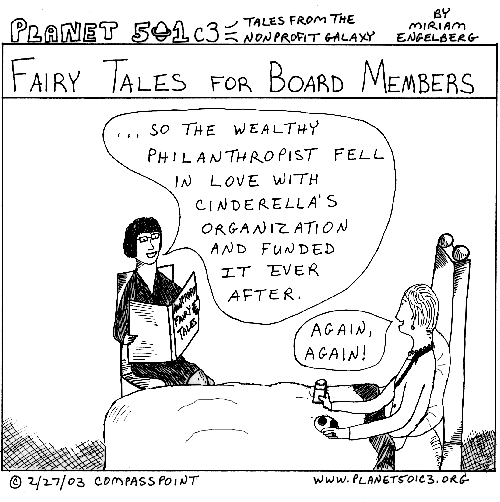
Most people know nonprofit board work isn’t fairytale roses and puppies; it’s a difficult balancing act of staying engaged, but not so far “in the weeds” you’re stepping on staff’s toes…unless, of course, staff need you to be in the weeds (or there are no staff!)….but when exactly is it necessary…and how will I know when it’s time to leave the weeds to others?
Even experienced nonprofit board members struggle with a balance that is further complicated by the changing needs of the organization over time and the community in which it operates. If you’ve ever wondered how to be a better board member or how to help your board stay engaged (but not too engaged!), this issue of Jani’s Journal is for you.
Don’t keep Jani’s Journal to yourself! Subscribe for more insights and forward this newsletter to colleagues who might benefit. Let’s grow our community and enhance our collective impact.

Share Jani's Journal: Where Nonprofit Heart Meets Business Mind

BoardSource has a supported nonprofit board excellence for over thirty years and their website and blog is a treasure trove of resources for nonprofits and their boards! This article outlines key practices for nonprofit boards to enhance their effectiveness, foster engagement, and ensure compliance with governance responsibilities. The following key practices underscore the importance of intentionality, transparency, and continuous development in board governance, enabling nonprofits to advance their missions effectively:
Strategic Engagement: Boards should focus on strategic recruitment, planning, and evaluation to align their composition and actions with organizational goals.
Governance Best Practices: Essentials include meeting attendance, term limits, annual self-assessments, and maintaining robust policies on conflicts of interest, executive compensation, and whistleblower protections.
Diversity and Inclusion: Boards must prioritize diversity in recruitment and create inclusive cultures where all members feel valued and have access to leadership opportunities.
Compliance and Oversight: Boards are responsible for reviewing IRS Form 990, ensuring document retention policies, and engaging in executive evaluations and budget approvals to uphold fiduciary duties.
Nonprofit boards and executives can take a page from the corporate playbook when it comes to effective executive-board partnerships. This article by McKinsey & Company how executives can strengthen board engagement, build trust, and drive strategic outcomes by prioritizing preparation, fostering impactful discussions, and maintaining continuous dialogue. Here’s how:
Preparation for Board Meetings by deeply understanding the board’s composition, dynamics, and culture as well as preparing in advance an agenda that is aligned with organizational priorities. Collaboration with the board chair and/or executive committee in building the agenda ensures materials are well-structured and relevant.
Facilitating Constructive Board Discussions by following a structured flow that includes sharing information, soliciting input, productive dissent, and dynamic problem solving. Innovative meeting formats and locations can enhance engagement and decision-making.
Sustaining Engagement Post-Meeting by combining meeting minutes with concise to-do lists to align responsibilities and timelines. Additional ways to keep directors updated and connected between meetings include adopting informal communication channels, such as executive memos, text forums, visits, or accompanying the executive team to forums on emerging trends hosted by sector thought leaders
Foster a CEO–Board Chair Partnership by building a strong, trust-based relationship to ensure seamless communication and adaptability to real-time organizational changes.
As board roles grow increasingly complex, effective collaboration with the executive is critical for aligning priorities and fostering trust. McKinsey’s survey highlights three key ways boards and executives can enhance their partnership to navigate the challenges of expanded responsibilities, strategic decision-making, and organizational oversight.
Efficient Board Processes start with effective onboarding and annual recalibration of board roles and include ongoing clear meeting structures, agenda alignment, decision-making processes.
Prioritized Board–CEO Communication to address common collaboration barriers like unclear agendas, role ambiguity, and poor information sharing.
Frequent, concise updates via reports and messaging platforms can maintain alignment between meetings.
Fostering a Culture of Trust through team-building activities and open, respectful discussions. Informal interactions, such as shared meals and field visits, can also enhance trust and alignment.
For nonprofits, where mission alignment and resource stewardship are paramount, building trust between the board chair and Executive Director/CEO—founded on authenticity, empathy, and logic—is critical for effective collaboration, board alignment, and advancing the organization's goals. This Harvard Business Review article identifies five pivotal moments that can strengthen or erode this trust, offering insights nonprofits can apply to their governance practices:
Executive Compensation: Transparent discussions about executive compensation, aligned with the nonprofit's values and fiscal responsibility, set the foundation for trust and mission-driven leadership.
Annual Executive Evaluation: Regular and focused performance evaluations ensure accountability while providing the executive with clear, actionable feedback to advance the nonprofit's goals.
Board Executive Sessions: Nonprofit boards can use director-only meetings to surface issues and deliver constructive feedback to the executive, fostering alignment and organizational transparency.
Board Composition: Thoughtful succession planning and addressing gaps in board skills or culture are vital for building a high-functioning board that supports the nonprofit's mission.
Moments of Adversity: In challenging times, chairs must act as stabilizing forces, shielding the executive from excessive board pressures while ensuring the organization stays focused on its mission and impact.
Recruiting influential leaders to nonprofit boards requires a thoughtful approach to ensure alignment with the organization's mission and culture. In this article, The Forbes Nonprofit Council details the following eleven strategies to engage prospective board members effectively, emphasizing the importance of personalized outreach, clear expectations, and fostering meaningful connections:
Identify their comfort zone
Choose their 'seat' carefully
Build commitment to the cause
Start recruiting before you have a vacancy
Invite them to organizational activities
Set clear expectations
Look for self-discipline
Sell them on the opportunity to become a nonprofit ‘hero'
Seek value alignment
Know which type of role best fits their life
Learn about them as a person
To build an effective nonprofit board that aligns with strategic goals, Bridgespan highlights three tools nonprofits can use: the Strategic Needs Table, the Current Board Inventory, and the Recruit Attributes Chart. These tools help assess existing board strengths, identify gaps, and prioritize candidates who bring both the necessary skills and cultural fit to create a high-performing, cohesive team.
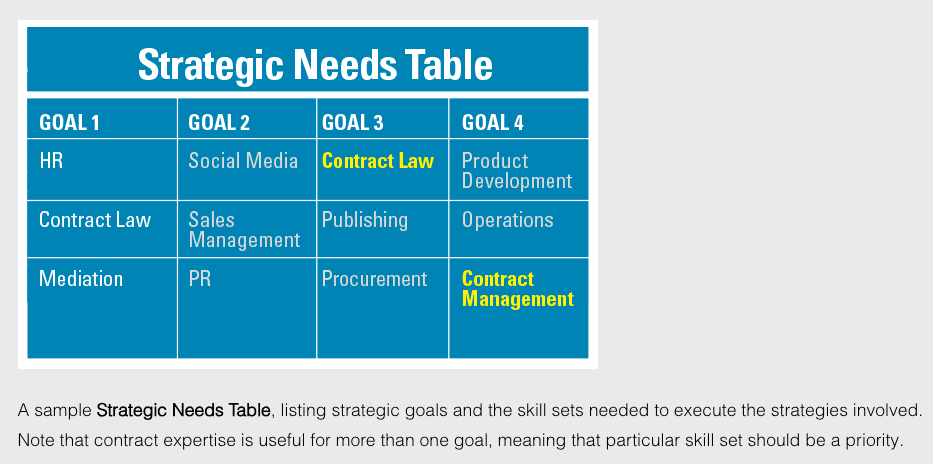
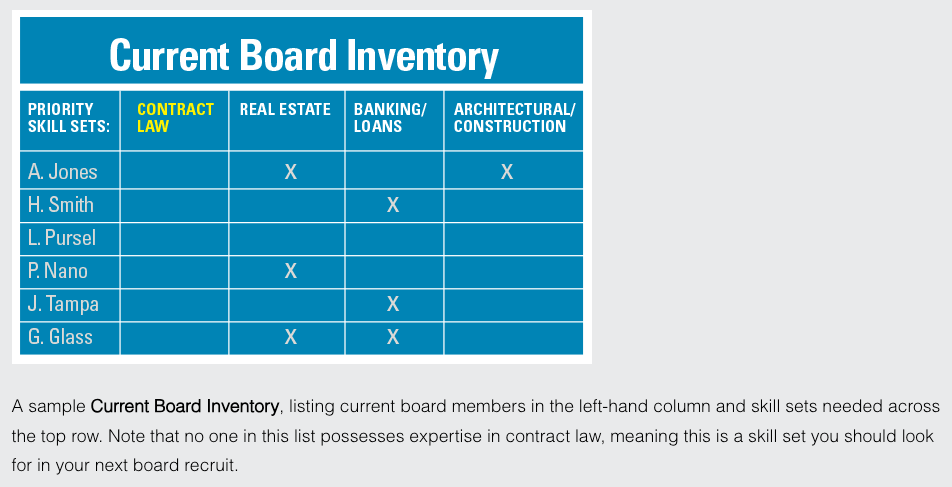
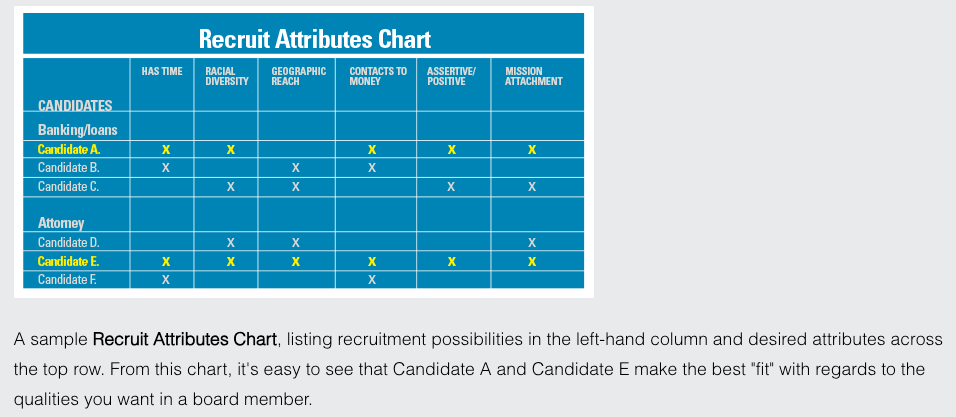
BoardSource’s "Leading with Intent" report highlights key takeaways for achieving board excellence and engagement in nonprofit organizations. These findings underscore the need for deliberate recruitment, regular evaluations, and strategic alignment to enhance board effectiveness:
Strategic Focus Matters: Boards that emphasize strategic rather than operational engagement are rated higher in performance across areas like financial oversight, fundraising, and guiding the organization's direction.
Diversity and Inclusion Gaps: Many boards lack members connected to or reflective of the communities they serve, undermining trust and impact.
Role Understanding and Self-Assessment: Boards with a strong understanding of their roles and those conducting regular self-assessments achieve better outcomes and greater organizational impact.
Critical Leadership Contributions: The board chair plays a pivotal role in fostering culture, setting clear expectations, and ensuring inclusivity within board dynamics.
This Korn Ferry article highlights a concerning trend in corporate boards that BoardSource data indicates is also impacting nonprofits’ ability to stay engaged in the communities they seek to serve. The number of Black directors appointed to corporate boards has declined for the second consecutive year, reversing a decade-long trend of increased diversity. This shift reflects a broader retreat from diversity initiatives in response to political and cultural pressures, raising concerns that the gains in representation achieved over the past decade may be eroded. Experts caution that reducing diversity could hurt companies financially, as research consistently shows that diverse boards drive stronger financial performance (nonprofit sustainability) and market reach (mission impact).
This National Council of Nonprofits article highlights the importance of regular self-assessments for nonprofit boards to thrive, as they provide a "check-up" to evaluate effectiveness and align expectations. Board self-assessments help identify skill gaps, clarify roles, and foster engagement. The Standards for Excellence Institute® code outlines the need for practice of board self-evaluation at least every two years. While some board members may initially resist, the process is vital for continuous improvement and ensuring the board's alignment with the organization's mission and goals. In addition to the assessment tools offered to members of the Standards for Excellence Institute®, this article has links to multiple assessment tools available for purchase. If you’re new to board self-assessments, Stanford Law School has developed a free self- assessment tool available here.

Enjoyed this issue? Don’t keep it to yourself! Subscribe for more insights and forward this newsletter to colleagues who might benefit. Let’s grow our community and enhance our collective impact.
Know a colleague or friend who would like at least one of the articles in this edition of Jani’s Journal? Sharing IS Caring!
Share Jani Consulting: Where Nonprofit Heart Meets Business Mind
Comments
Nothing yet. Say the first thing.
Sign in to join the conversation.