
My travel notes from my trip to Peru are an absolute mess. A happy, chaotic mess, filled with learnings and ramblings and itinerary notes and question marks and phrases to research more later. And my trip to Peru mirrored these notes—it was a wonderful and cup-filling trip and I had an incredible time, but it was also chaotic, imperfect, and messy. It was filled with learnings, too, but I also left with a lot of existential question marks in my life—am I happy with where I’m at? Do I feel fulfilled with my career, or do I want more? I’m so grateful for where I am at right now, but at the same time, I’ve been hardcore struggling with comparing myself to others, my writing and progress to others, the trips I’m on to the trips I see online. How could things be better? Would that hotel have been better than this one? Why can’t I just accept things for what they are?
A few months ago, I wrote about my intention to have a summer of eudaemonia—a hard-earned summer that doesn’t slip through my fingers, one that I can savor every bit of—and while the savoring feels like it’s at an all-time high, so does the slippage. Earth and time and goodness, all flying by in the fast lane, going 90 in a 70mph zone, daring to be pulled over. This past Sunday, I couldn’t sleep because I was worried that I had just had the best summer day of my life in New York, and if I closed my eyes and drifted off, then the day would end. I didn’t want to punctuate the end of the sentence, I wanted it to run on and on forever, untethered and uninterrupted and unchecked.
When I talked to Alice earlier this year about the intersection of travel and astrology, she pulled up my chart and found a Mercury line running straight through Lima, right where I’d be landing in a few months’ time. Mercury on the IC, she told me, stirs up thoughts about ancestry, home, and family—this trip certainly wouldn’t be as breezy as a jaunt to Mexico or London, but it would be generative for writing and reflection, for thinking about the past and what it means for my future. Take notes, Alice said! Journal fastidiously! See what comes up, whether it’s writing, or grief, or just thinking about the past more than usual. At the time, I wasn’t sure how much weight this would hold, and if I’m honest, I was a little dismissive of the idea that a line on an astrological chart could predict anything about my internal experience. But I quickly found out how right Alice was—my Notes app came home looking exactly like she told me it would.
If there was one word or concept underneath my trip to Peru, it was Pachamama: Mother Earth. Pachamama is not a mythical character the way a god is a mythical character in Greek stories and literature. In Peru, Mother Earth is the ground you’re quite literally standing on. Pacha means both “earth” and “time” in Quechua, the language spoken by the indigenous people of the Andes mountains. This should tell you something about how differently Peruvian culture thinks about both. Pachamama is alive and well, and according to locals and deeply-rooted customs, she’s owed something. It turns out that almost every single personal lesson and historical lesson I came home with was some version of the same idea: nothing is free, nothing is separate, and with everything you take, you should give a little back.
The spiral is the most significant shape in all of Peru—it’s quite literally everywhere. Carved into stone. The Nazca lines, carved into the earth itself and visible from airplanes. Hammered, malleable metal, manipulated into corkscrewed jewelry thousands of years old on display in museums. It’s part of the official tourism logo of Peru (which I absolutely love), and it’s plastered on buses, souvenir hats, signs on the side of the road. It’s truly impossible to miss.
We draw time as an arrow, Peruvians draw it as a spiral. An arrow means that everything you pass ends up behind you. A spiral (or spiraling, rather) means you keep returning to the same point, but a little further along, and a little more yourself. Seasons come and go, and there’s predictability to how life ebbs and flows, but things are a bit different every time you come back around. Crops might die, you might be down on your luck, but you know that there’s the opportunity for an abundant harvest around the corner, and just because you’re suffering doesn’t mean you shouldn’t give a little to your neighbors. I think of it like walking up a rounded staircase—even if the steps look and feel the same, you’re seeing things from a new, higher vantage point. Pachamama is the center the spiral turns around.
I felt this play out in real time in two very different corners of the country.
While we were in the Amazon rainforest, Mark and I both made a pledge to put our phones on airplane mode and avoid social media, email, and all text messages for the entirety of our four-day stay. I’ve been off the grid before so I knew what I was getting into, but I forgot how quiet my brain goes when I don’t have the external pressures and distractions of the outside world. It seems like I’ve lost the ability to take myself at face value unless I relegate myself to a straw-thatched, humid, internet-free room in the middle of absolutely nowhere. Without people and places and things to compare my life to, I slept for around twelve hours a day, including several naps I took in the most decadent hammock.
Reader, I am not a napper. To me, napping is usually harder than coaxing a cat out of hiding—a humiliating and impossible ritual. But this time it was possible because I wasn’t second-guessing myself, and my brain wasn’t spinning out of control. My brain wasn’t thinking at all, really. Without light pollution, I was able to see the moon and stars more brilliantly, and without internet content over-inundation, I was able to see myself more clearly and truly live in the present for the first time in a long time. Or maybe I wasn’t even seeing myself or thinking about myself at all, which should have been the real point.
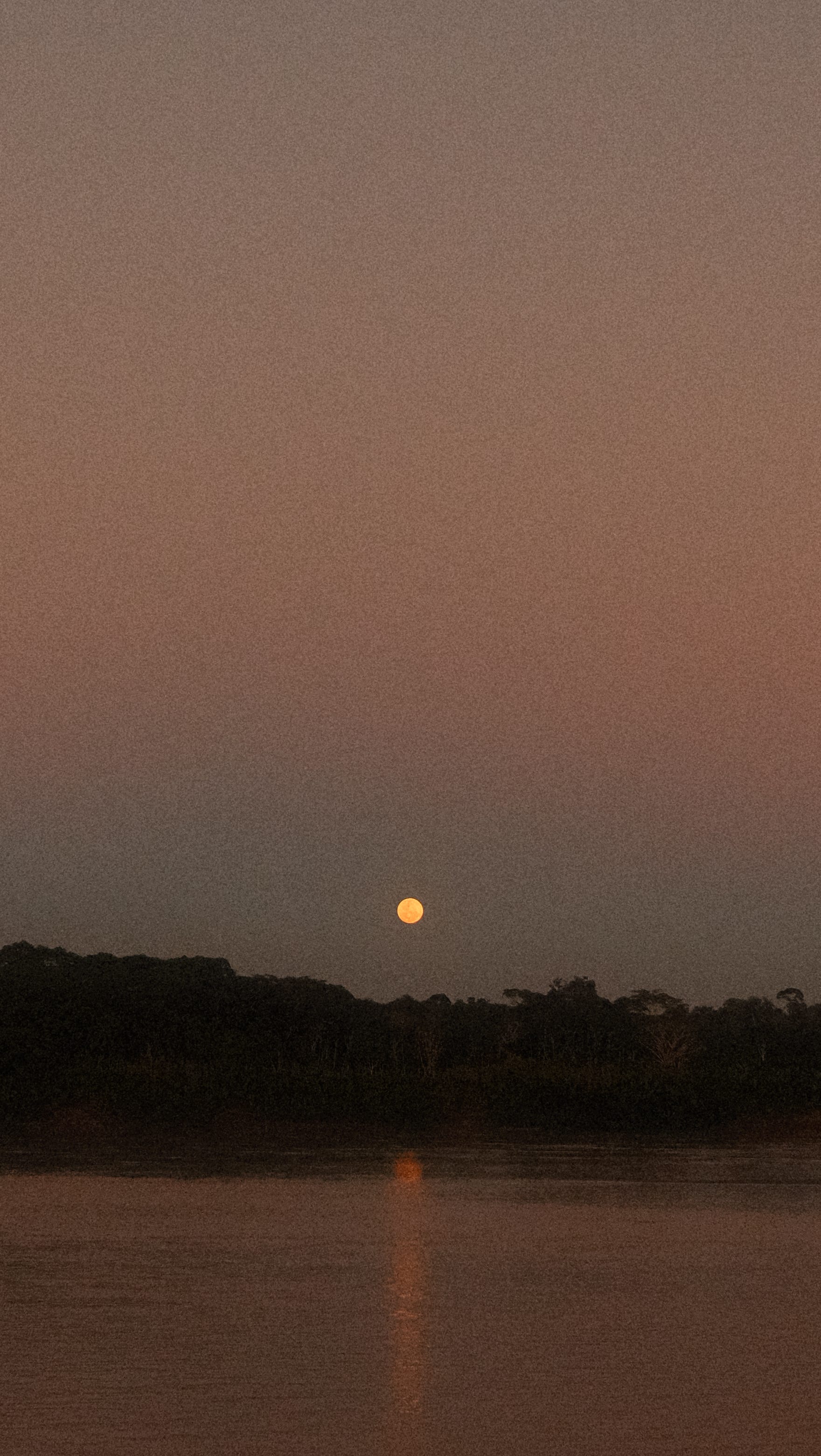
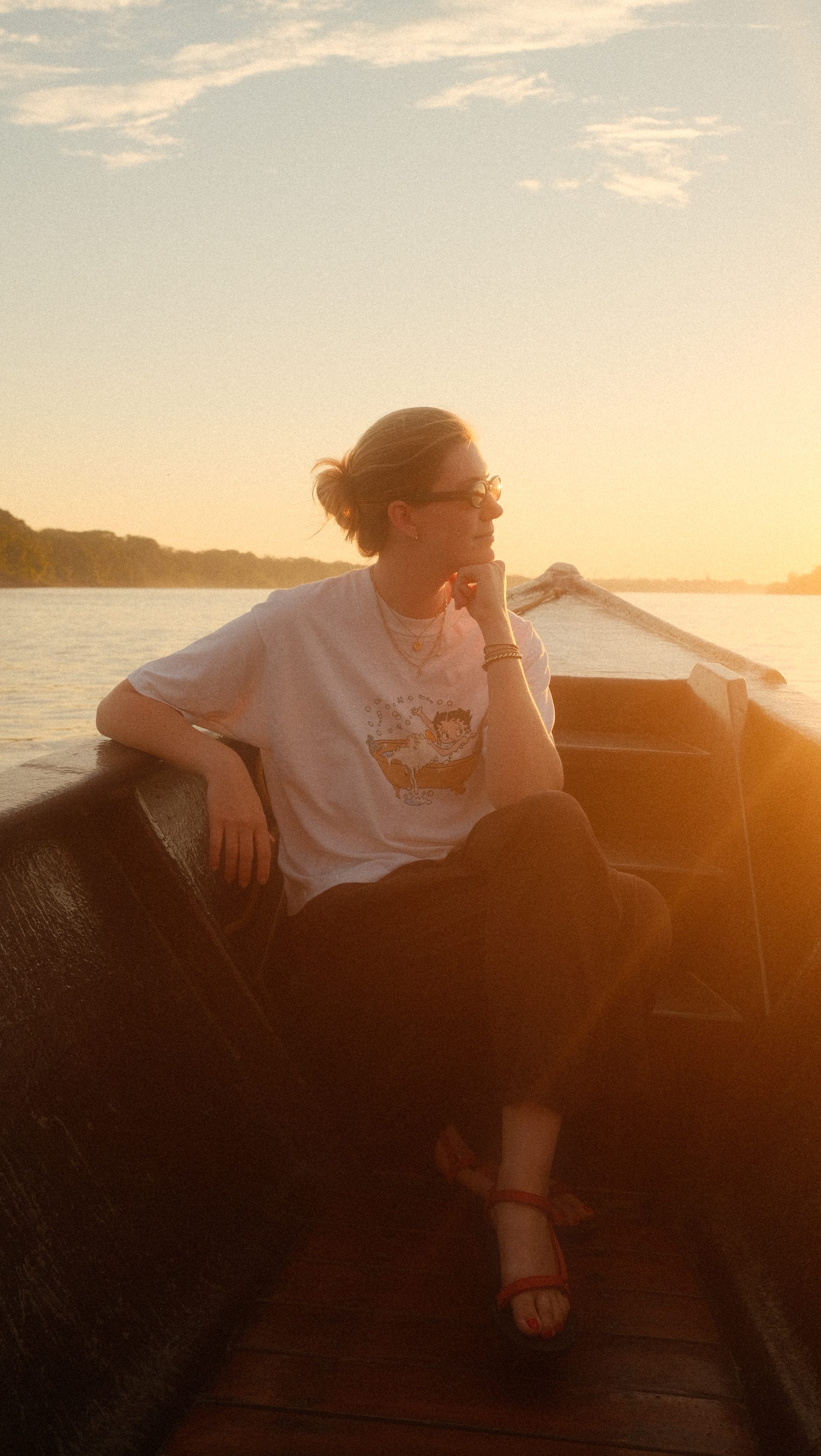
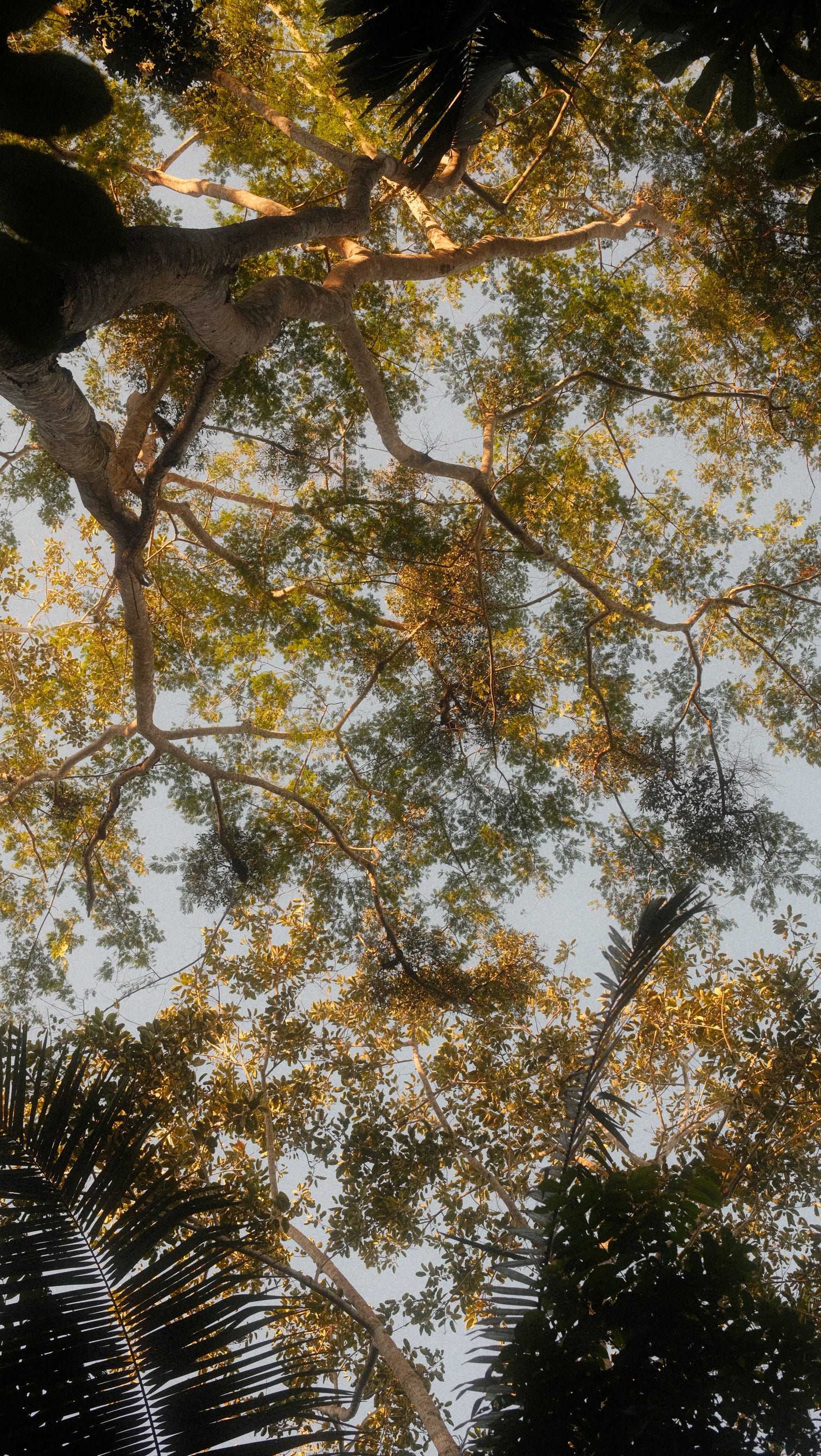
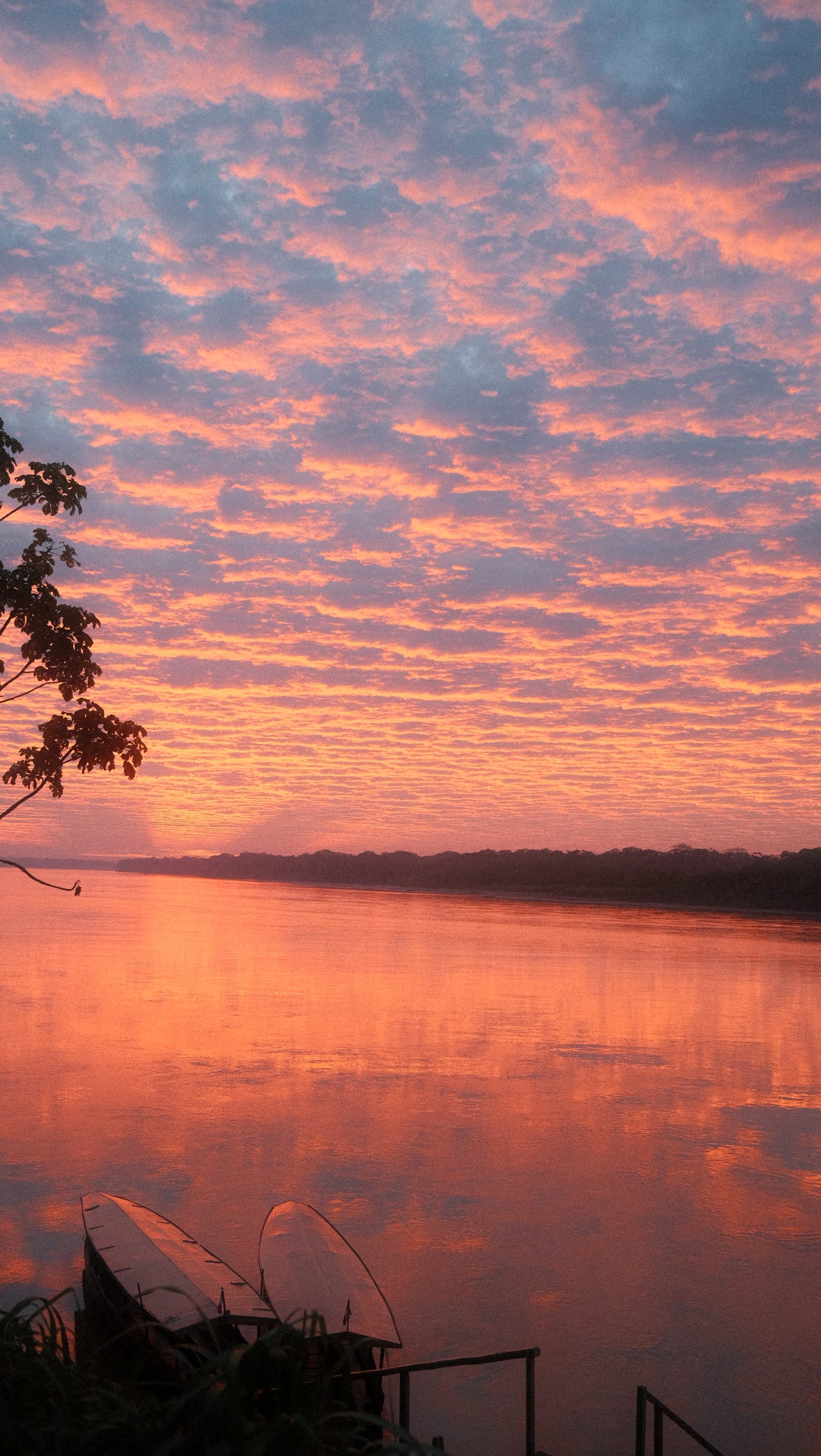
Reflecting back on my time in the Amazon, I don’t think the jungle asked me to give anything up. I think the jungle was asking me to stop taking so much and to stop spending my attention on a device that gives nothing back in return. Turns out, pouring my attention into Mother Earth—the stars, the river, animals big and small—was enough. I didn’t need my phone in the moment to prove that any of it happened. Pachamama strikes again.
If the Amazon taught me what happens when you take everything external away, the Sacred Valley taught me what happens when you give something back. We spent five hours with the Warmi women collective of the community of K’acllaraccay, through a program run by the restaurant MIL. This five-hour period turned out to be one of the most life-changing experiences of my life, and that’s not something that I’d say lightly. If you ever have the chance to participate in this experience, you’d be foolish to miss out.
These seventeen women dedicate their entire lives to the ancient practice of textile weaving—they raise their own flocks of sheep, shear them, hand-spin the yarn, and dye it vibrant shades of the rainbow using plants they’ve foraged from the land around them, discovering specific color shades through testing, trial, and error. A single table runner takes one woman roughly a month and a half to make, from the time the wool is sheared to finishing the last stitch. Weaving seven hours a day, each woman finishes only twelve to fifteen pieces a year. It’s backbreaking work, and their craft is deeply respected in their communities.
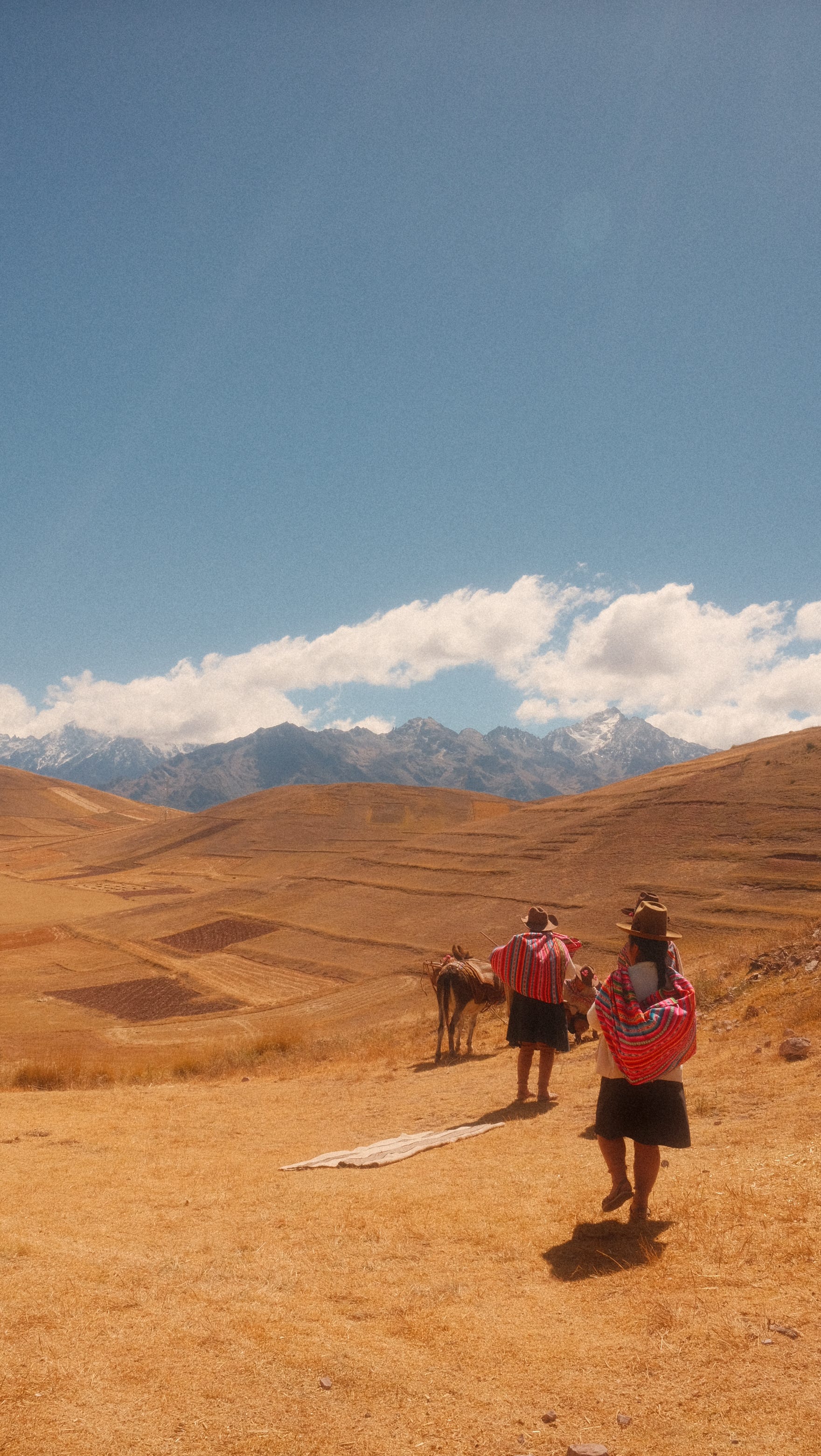
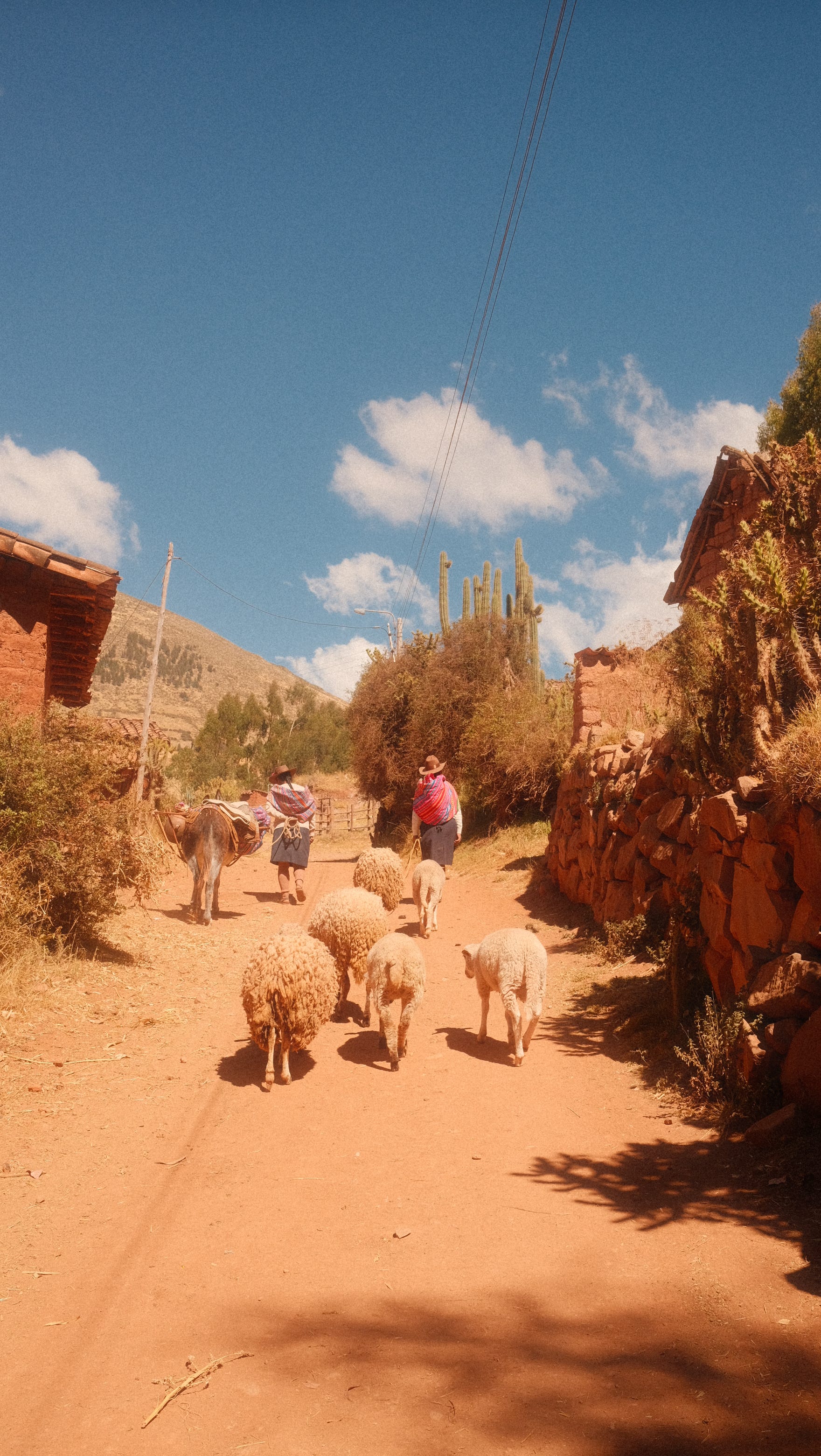
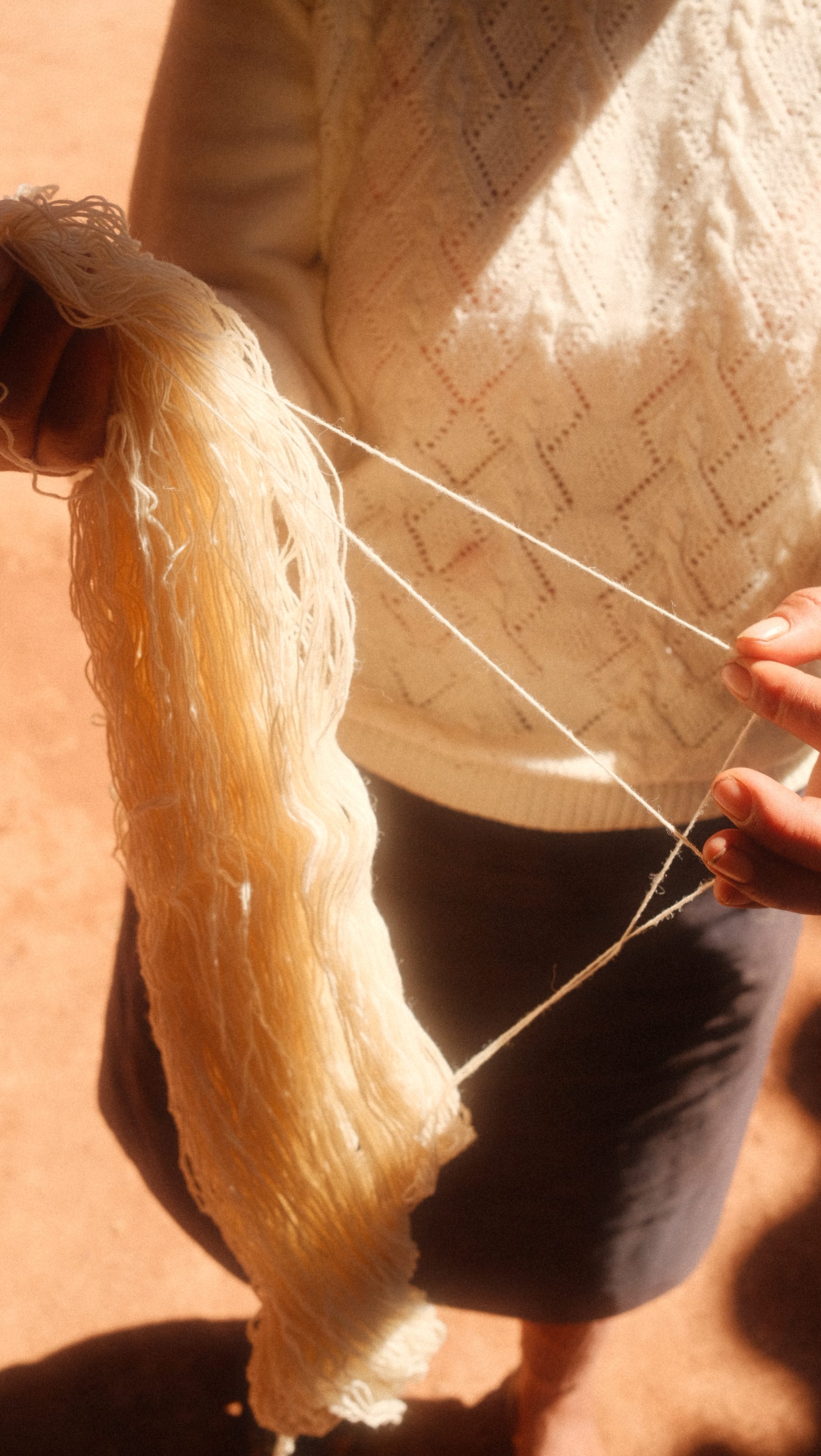
The women brought us into their homes to demonstrate the weaving process and to serve us freshly-popped corn and chicha, the popular Andean fermented corn liquor that they make in their kitchens when they have the spare time. They introduced us to their flocks, their neighbors, their land, and proudly showed us the byproducts of their hard artistic work and skill. At the end of the day, we all sat overlooking the valley for a final toast together, where I learned that it’s customary in Peru to pour the first sip of your drink on the ground before taking any for yourself. This practice is called ch’alla, and it’s not reserved just for ceremonies like this one—it’s a daily practice across the Andes, done by farmers and businesspeople alike, so common it barely registers as a ritual. Ch’alla is the Andean way of “feeding” and thanking Mother Earth to guarantee good health, safety, and abundance. Another reminder that with everything you take, you should give a little back.
During this visit, I was in awe of how simply these women lived, yet how unbelievably happy, welcoming, and grateful they seemed. K’acllaraccay is a somewhat siloed community—no running water or electricity in the homes, and education and travel are both rare experiences. Yet these women let outsiders into the innermost workings of their daily lives without hesitation and with a lot of trust and love. They believe it’s important to share these traditions and the art of weaving itself, so neither dies out as new technology proliferates and more of their own kids move to bigger cities looking for a different life. The same instincts show up in how they treat each other, too: if someone needs a new roof or a new house, everyone pitches in. Neighbors build the houses of neighbors. They take care of each other, and they know they’ll be taken care of when the time comes.
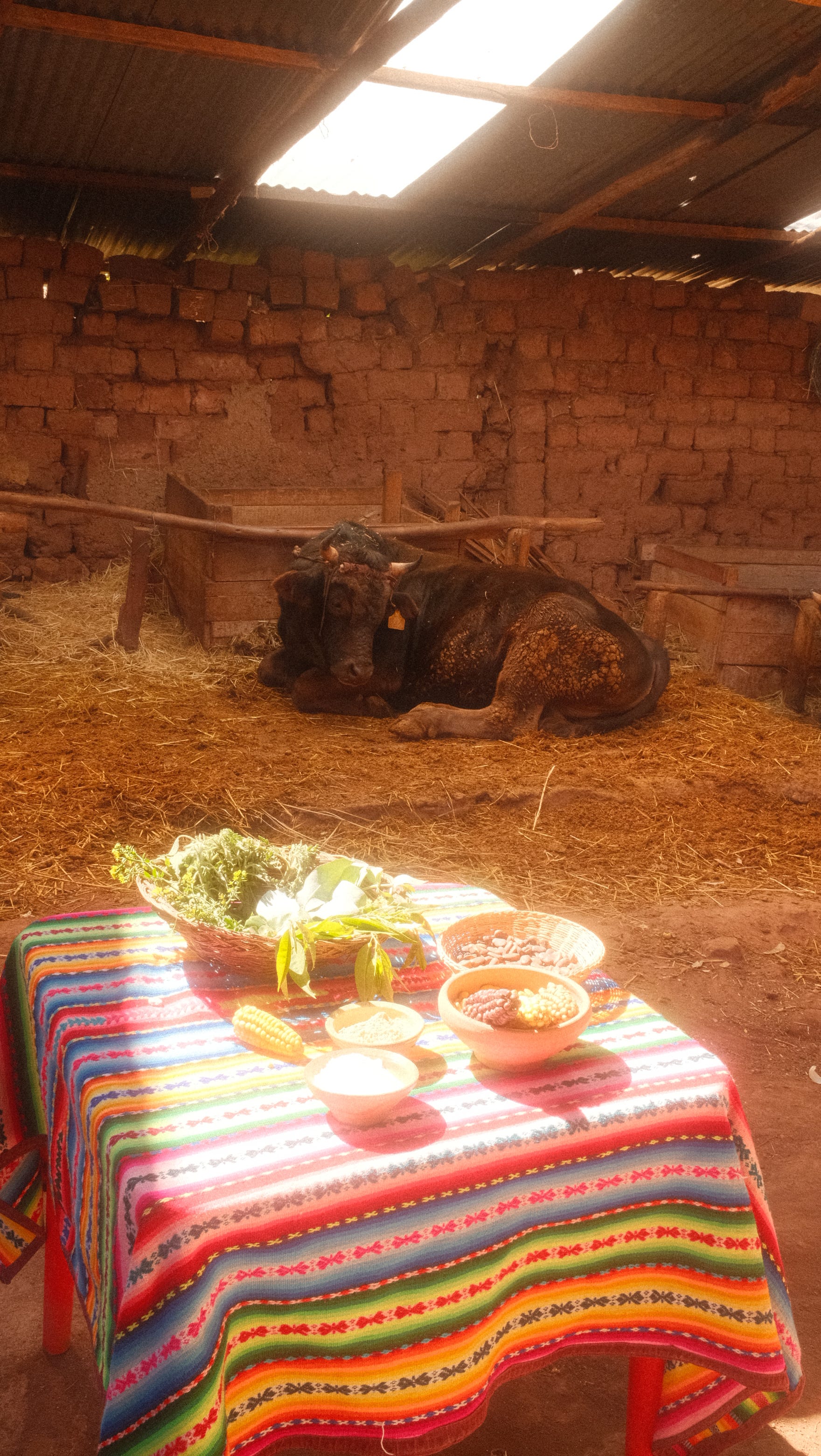
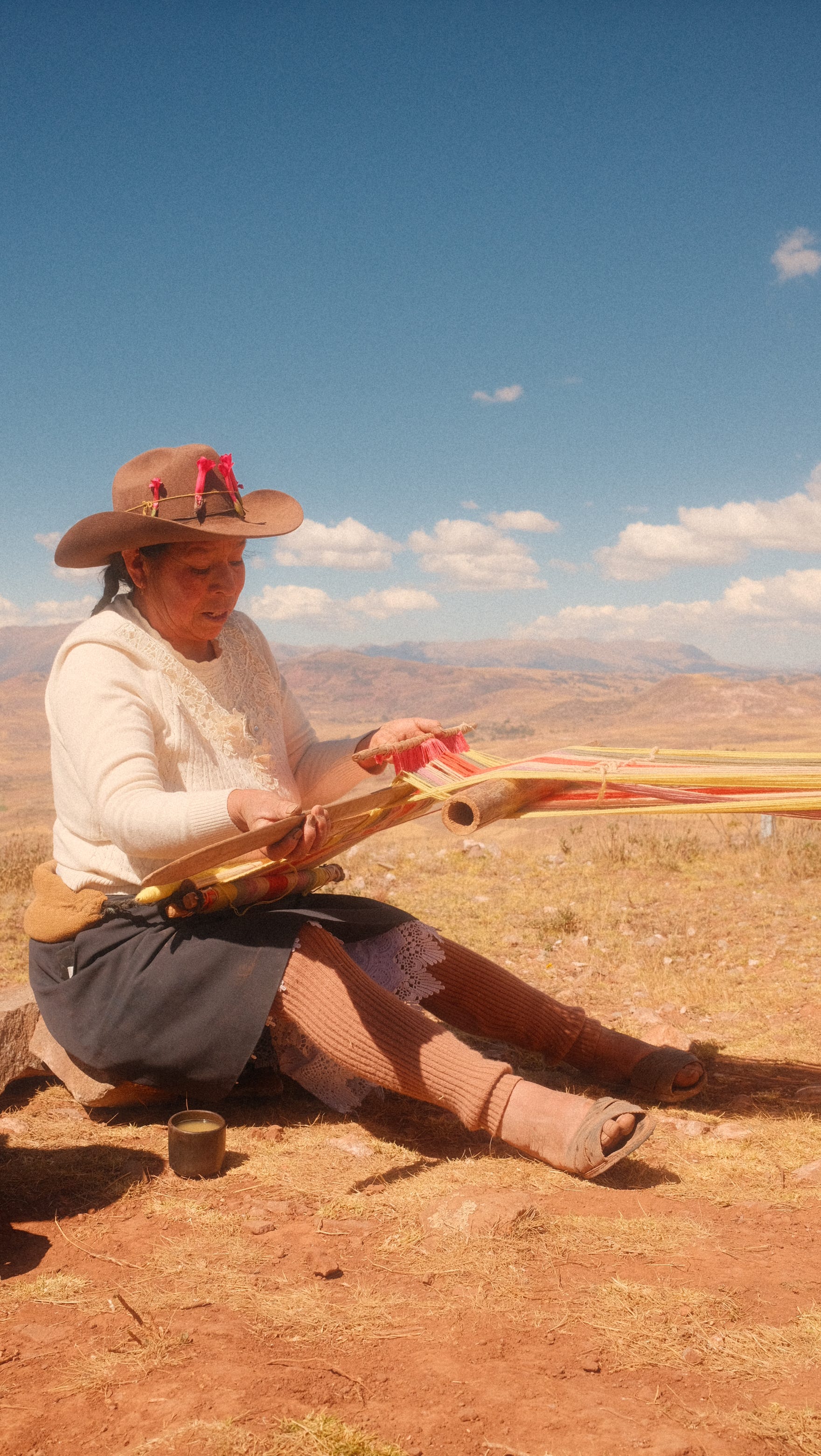
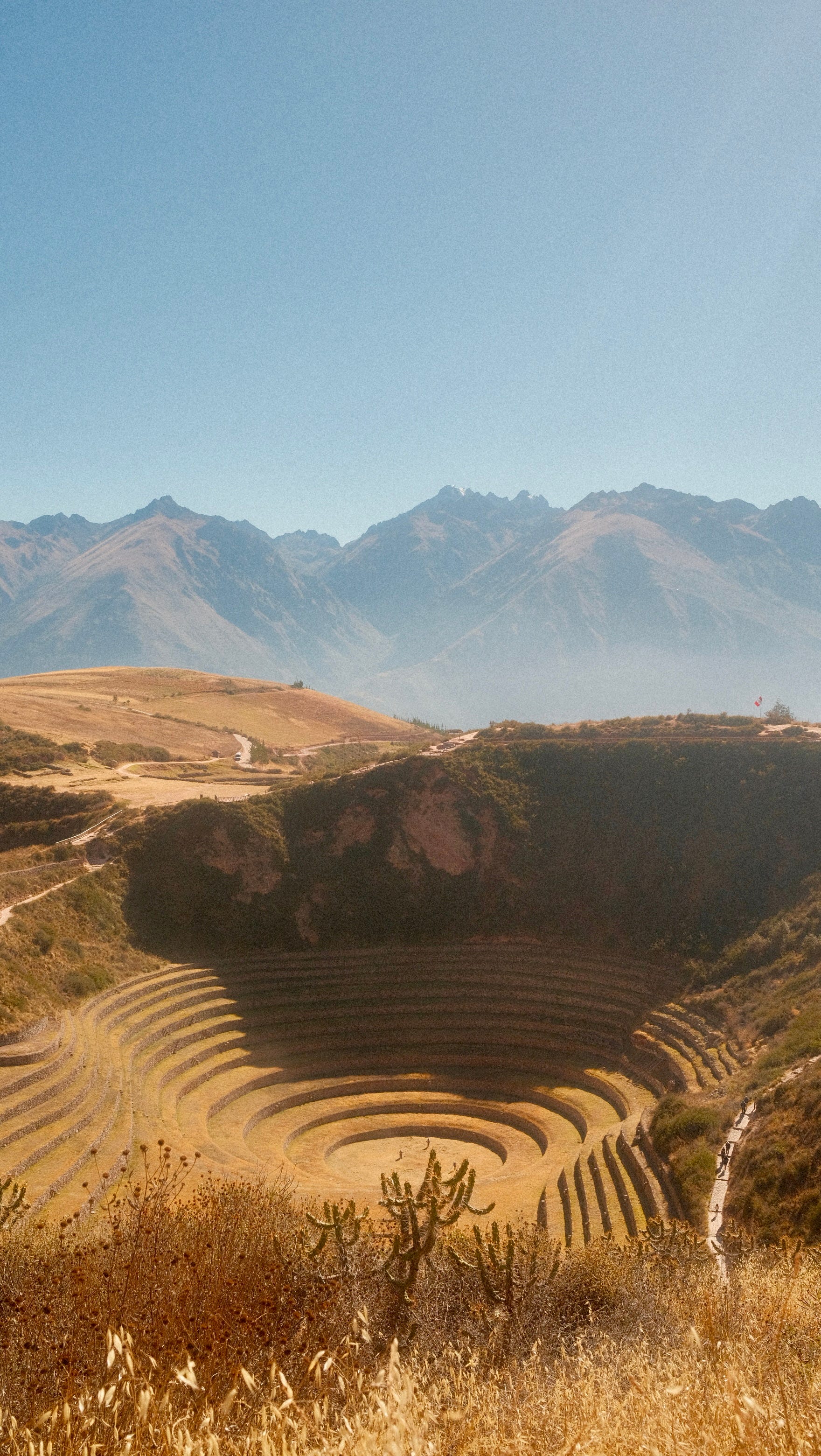
I’d been trying to figure out why these women seemed so genuinely happy, even when they didn’t have much, and I kept landing on the same theory: these women don’t have anything external to measure their lives against. The grass cannot be greener on the other side, because there is no other side, really. There’s no curated glossy social media grid of everyone else’s harvest to scroll past at night. The life that works for them isn’t broken, so there’s no real instinct to fix it. There’s also, admittedly, limited knowledge of what’s beyond the valley—the women travel into Cusco sometimes to go to the bank or visit their kids who moved away, but they stay for as little time as possible, and they’ve never ventured further. They dislike the traffic, the crowds, the rush. They feel the safest and happiest at home in the valley, where it’s beautiful and quiet.
This experience reminded me of The Alchemist and how the entire lesson of the journey turns out to be that the treasure was buried back at home, right where it all started. The world spends a lot of time telling you that the good life is elsewhere, right out of frame and out of reach. It requires more, it means leaving. And sometimes, that’s true. But often, the actual treasure is proximity: to your homeland, to your community, your own quiet and simple life, unadulterated, exactly how it is.
There’s a Quechuan word for that neighborly care I witnessed in K’acllaraccay. It’s called ayni—the foundational rule of sacred reciprocity. Give so that you may receive and keep balance with Mother Earth and nature. In the Andes, it doesn’t function as a suggestion. It functions closer to the governing law of the universe rather than an ethical principle. It’s simply how energy is supposed to move through a community, according to a culture that’s been living this way since the very beginning. To give is to receive, and to receive is to give. Not for personal benefit, but for the maintenance of harmony. Harmony is very important!
Ayni is a piece of something even bigger—three core Andean principles, that, once I learned them, I started seeing everywhere in my trip notes. There’s munay, or love—an unconditional, deep respect for the sacred life in every being. There’s yachay, or the knowledge of self, community, and cosmic order. And then there’s llankay—service, or honest, skilled, and purposeful work.
The same strong belief about cycles kept showing up in the indigenous Andean language too. In Quechua, people don’t say goodbye. The word that they reach for and use instead means “until life finds us again.” It comes from the exact same worldview as the spiral: if time truly does move in circles, if history itself unfolds through constant collapse and renewal, then an ending is never really an ending. It’s more of a fold in the same road. When the Warmi women took my hand and said this word instead of a goodbye at the end of our time together, I knew they believed it to their core. I’ll see them in another realm one day, and I know they’ll greet me with open arms and their brilliant smiles.
I keep thinking back to my sleepless Sunday night into Monday morning, lying awake, terrified that closing my eyes would end such a great summer day. What if it wouldn’t have, though? What if the day was never going to end so much as fold into the next one, and the next one? What if instead, with every day, I’m a little further along in the spiral, a little more me?
So I left Peru with a new framework to view the architecture of my life with—knowledge, work, love, and the debt I owe the literal ground under my feet. I’ve been thinking about this a lot recently, and I try to keep reminding myself that with every season of struggle, there’s a season of love and abundance right around the corner. Even when I’m not feeling my most creatively inspired, this newsletter is enough, and it’s important. What I have in life is more than enough, and I cherish every single morsel of it. And every time I spiral, I do end up feeling closer to myself and who I really am at my core.
I no longer want to live life governed by Father Time. I want to live my life governed by Mother Earth.
xx,
Bella
Mindholiday is open to pitches and partnerships — if you own or represent a hotel or destination you think would be a great fit, or want to explore working on future newsletter content together, send me a note at bella@mind.holiday.
And to everyone already here: thank you! Truly! Having you read this means more than you know. If you want to send a little love back, here’s what actually helps:
Comments
Nothing yet. Say the first thing.
Sign in to join the conversation.