
Discipline Guide & free Companion Book
For most of human history, patience was not considered a special skill.
It was a requirement.
People waited for seasons to change before harvesting crops. They waited weeks for messages to arrive. They saved for years before making major purchases. They developed skills through slow repetition because there were no shortcuts available.
Waiting was not a problem to solve.
It was simply part of life.
Today, waiting has become something many people experience as unnecessary frustration. Food arrives within minutes. Answers appear instantly. Entertainment is available at any moment. Messages are delivered immediately. Products can be purchased with a few clicks and arrive at the door shortly afterward.
These advances have improved many aspects of life.
But they have also changed the relationship humans have with time.
The modern brain increasingly expects speed.
The problem is that many of life’s most valuable outcomes still operate according to old timelines.
Health requires years of consistent choices.
Trust requires repeated experiences.
Expertise requires thousands of hours.
Financial security requires patience.
Strong relationships require emotional investment.
Personal growth requires time.
Technology has accelerated many processes, but it has not changed the fundamental biology of human development.
This creates a conflict between modern expectations and reality.
Psychologists describe patience as the ability to tolerate delay, uncertainty, and temporary discomfort while remaining committed to a meaningful outcome. It is closely connected to emotional regulation, impulse control, and long-term thinking. A patient person is not someone who enjoys waiting.
They are someone who understands that waiting can serve a purpose.
One reason patience is becoming harder is the constant availability of immediate rewards. The brain’s reward system is highly responsive to quick feedback. When actions produce instant results, the brain learns to expect rapid satisfaction. Short videos, notifications, online shopping, and instant searches all provide small moments of reward with almost no waiting period.
Over time, this can reshape expectations.
Longer processes begin feeling unusually difficult.
Reading a challenging book feels slow.
Learning a new skill feels frustrating.
Building a healthy body feels too gradual.
Working toward a long-term goal feels less exciting than consuming something immediately rewarding.
The issue is not that people have lost the ability to be patient.
The issue is that patience is being practiced less often.
Like any psychological ability, unused skills become weaker.
Another factor is the modern fear of discomfort. Many people no longer experience boredom as a normal human state. The moment there is silence, a phone appears. The moment there is frustration, distraction follows. The moment progress feels slow, people search for a faster solution.
Yet boredom, uncertainty, and difficulty often create important mental abilities.
They allow reflection.
They encourage creativity.
They build emotional endurance.
They teach the brain that uncomfortable states can be experienced without immediate escape.
Without these experiences, ordinary delays begin feeling more threatening than they actually are.
Patience also plays a major role in decision-making.
When people lack patience, they are more likely to prioritize immediate relief over long-term benefit. This is why impatience can influence financial decisions, health behaviors, and relationships.
A person who cannot wait may spend money they should save.
A person who cannot tolerate slow progress may abandon healthy habits too early.
A person who cannot sit with emotional discomfort may say things they later regret.
Many poor decisions are not caused by ignorance.
They are caused by an inability to wait.
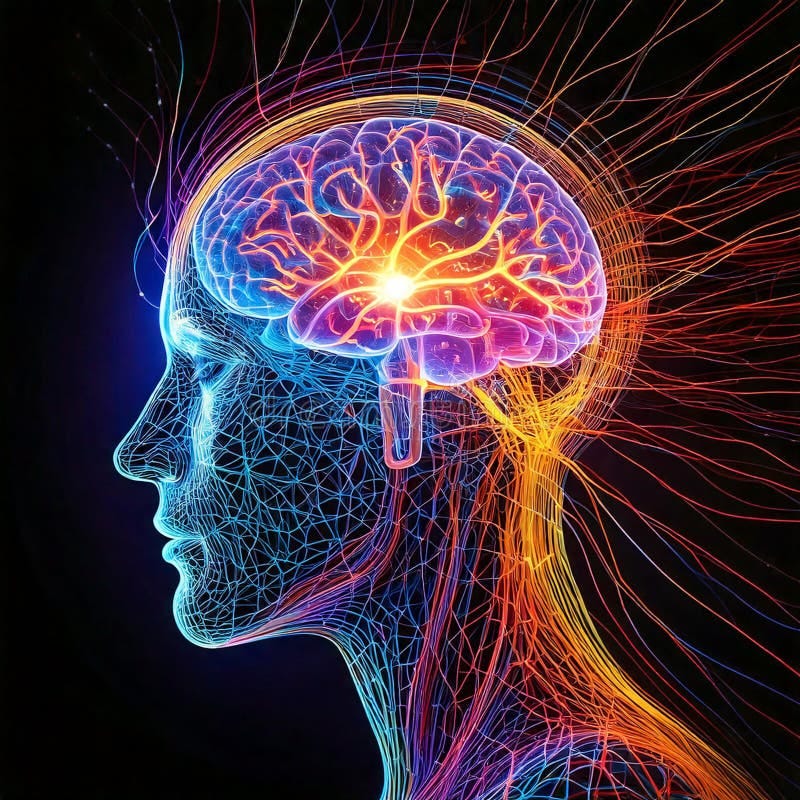
Neuroscience explains part of this through the interaction between emotional impulses and the brain’s planning systems. The more quickly a reward is available, the more strongly the brain’s reward pathways respond. Developing patience requires strengthening the ability to consider future consequences rather than responding only to immediate desires.
This ability improves through practice.
Small moments of waiting become training opportunities.
Waiting before responding to an emotional message.
Finishing a difficult task before checking entertainment.
Saving money before making a purchase.
Allowing a skill to develop instead of searching for shortcuts.
Each choice teaches the brain that immediate satisfaction is not always necessary.
There is also a deeper cultural change behind declining patience. Modern society often celebrates speed more than depth. Fast results, quick success, instant transformation, and immediate solutions receive enormous attention. Slow improvement is less visible because it does not create dramatic moments.
But most meaningful achievements are built slowly.
A respected career is built through years of reliability.
A healthy body is built through thousands of ordinary choices.
A strong marriage is built through daily acts of care.
A wise mind is built through decades of learning.
The things that matter most rarely respond to urgency.
They respond to consistency.
Mature patience is not passive waiting. It is active commitment during the period between effort and reward. It means continuing when progress is invisible. It means trusting a process that has not yet produced obvious results. It means understanding that some things cannot be rushed without damaging the very outcome you desire.
A tree does not grow faster because someone becomes impatient with it.
A skill does not develop faster because someone demands immediate mastery.
A relationship does not become deeper because someone wants instant trust.
Life has its own timeline.
Patience is the ability to respect it.
Ultimately, patience is becoming rare because modern life has trained people to expect immediate responses, immediate rewards, and immediate solutions. Yet the most valuable parts of life still require time, repetition, and uncertainty. The ability to wait wisely has become a competitive advantage because fewer people are willing to practice it.
Patience is not a weakness, and waiting is not wasted time. It is the space where growth happens. In a world designed to make everything faster, the ability to remain calm, committed, and consistent may become one of the greatest forms of strength.
If you've enjoyed today's newsletter, you're going to love what's inside the Discipline Guide. It's packed with actionable strategies to help you build lasting discipline, and every purchase includes a FREE Companion Book to help you apply what you learn.
Comments
Nothing yet. Say the first thing.
Sign in to join the conversation.