
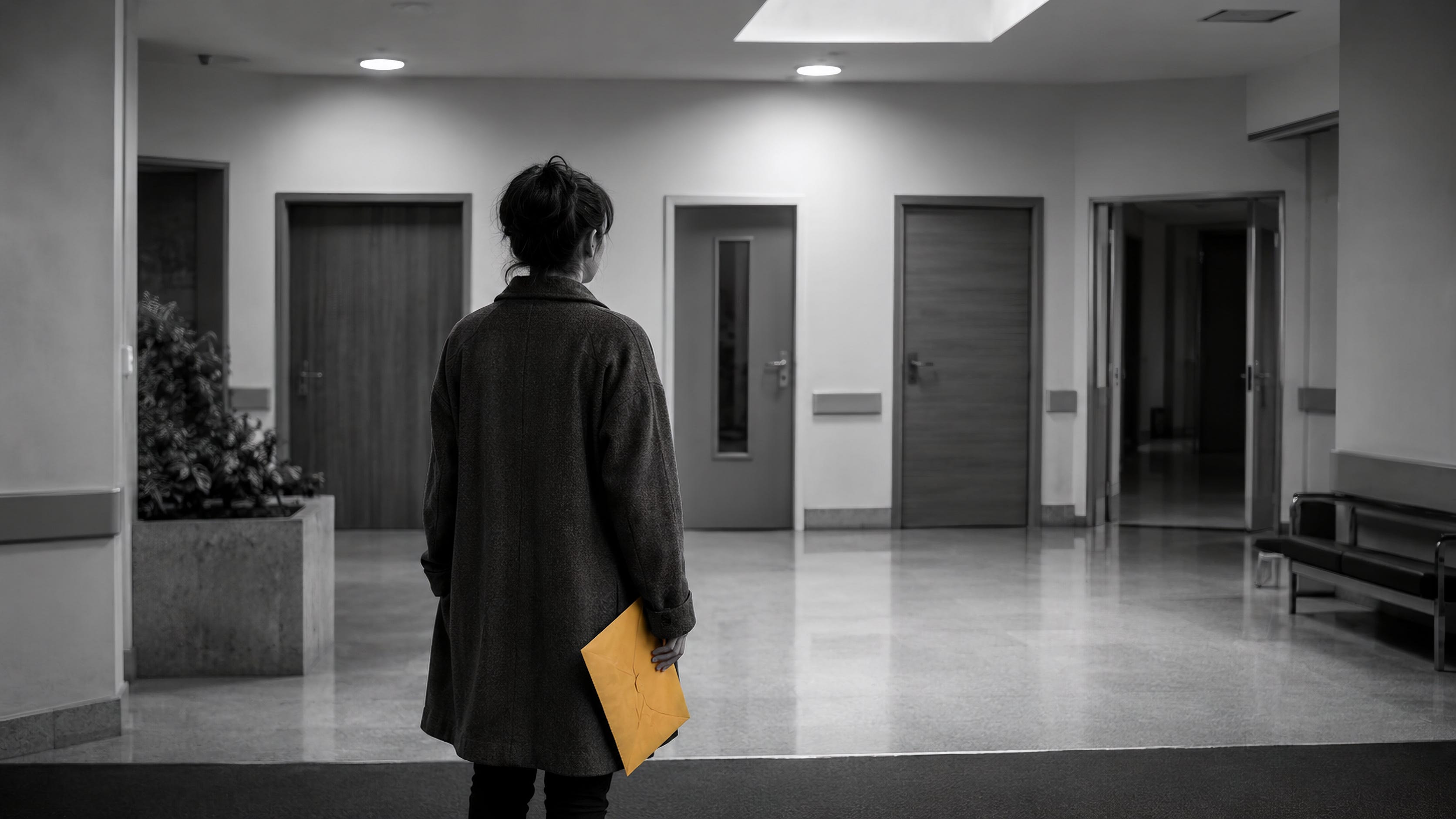
After reading Marlana aka Outtamydamnmind ’s article, The Plan We Never Made, I found myself thinking about what would happen if someone brought that same story through the doors of the GP practice where I work.
This companion piece was written with Marlana’s knowledge and links to her account of medication dependence with her permission.
They would only need to come through the first door and tell us what was happening. From there, we could begin helping them find the clinical support, medication review, mental-health care and specialist services they needed.
Because navigating the system should be our job, not theirs.
Marlana’s article asks what happens when the medication that helped you live with anxiety becomes something you are trying to leave behind.
This companion piece is my attempt to answer that question from the other side of the desk: what should happen when somebody asks for help, how the system can respond, and why no patient should be expected to arrive already knowing which service owns their problem.
For us, the most important thing is that the person comes to the GP practice and tells us what is happening.
They do not need to know which service they need. They do not need to understand referral criteria, use the correct clinical language or arrive with every date, dose and detail perfectly organized. They only need to start the conversation.
They might say they are worried about how long they have been taking a medication. They might feel it is no longer helping in the same way, be frightened about stopping or simply know that something does not feel right anymore. Any of those concerns are enough to begin.
Once we know, we can start working out what they need and who is best placed to help. That may begin with an appointment for a medication review, but it should not end with somebody being told to reduce their medication and sent home to manage the consequences alone.
Once somebody has raised the concern, the practice can help them understand the next step rather than expecting them to navigate the system alone.
The person brings us the problem. We help them find the pathway.
The first door should be enough.
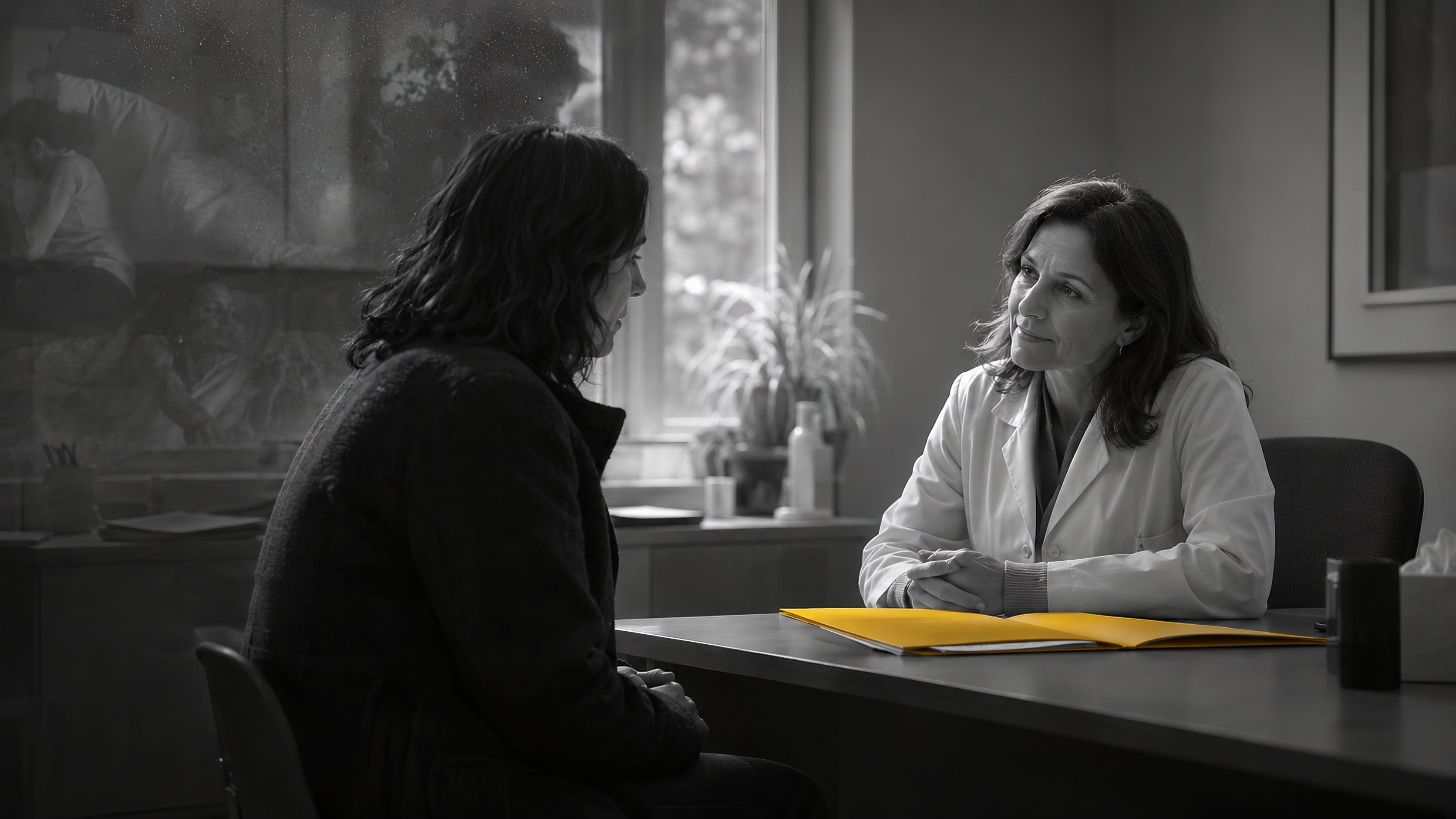
When somebody asks for help with a medication they have become dependent on, it can be tempting to make the medication the whole problem.
How long have they taken it? What dose are they on? How quickly can it be reduced?
Those questions matter, but they are not the whole story.
We also need to ask why the medication was started, what it has been helping the person manage and what support they will need if its role in their life begins to change.
Sometimes medication is there to reduce anxiety, help someone sleep or make it possible to get through the day.
Sometimes it is also helping them forget.
It may be numbing painful memories, quieting intrusive thoughts or creating distance from experiences they have not yet been able to face safely. That does not mean the medication has solved what happened. It may simply have made it possible for the person to survive alongside it.
In Marlana’s case, Xanax did not appear from nowhere. It was helping her live with anxiety. When the focus shifted entirely to getting her off the medication, the anxiety did not politely pack its bags and leave with the prescription.
It was still there.
And for some people, reducing the medication may allow other things it has been holding back to return too.
That is why reducing or stopping medication cannot simply be treated as removing the problem. If it has helped somebody sleep, leave the house, manage panic, avoid distressing memories or get through the day, we need to understand what may happen when that support is reduced.
The person may need help managing the original condition. They may also need support with withdrawal symptoms, resurfacing thoughts or memories, fear about the process and the practical effect it has on everyday life.
Otherwise, we risk taking away somebody’s life raft without first helping them learn how to swim.
The goal should never be to get a medication off the repeat-prescription list at any cost. It should be to help the person move forward as safely and successfully as possible.
That means treating the person who takes the medication, not simply the medication they take.
Once somebody has asked for help, the next step should be a proper clinical conversation.
Not a rushed instruction to take less. Not an abrupt stop. And definitely not a cheery “come back if things get worse” while everybody quietly hopes they do not.
The clinician needs to understand what medication the person is taking, how long they have taken it, the current dose and whether they have previously tried to reduce or stop it. They also need to ask what happened during those attempts, because that experience may tell us a great deal about the support the person will need this time.
Any reduction plan should be safe, gradual and shaped around the individual. People respond differently, and a plan that works for one person may be completely unsuitable for another. The person taking the medication should be involved in those decisions rather than feeling as though the prescription is being removed from them.
But the plan cannot end with the dosage.
We also need to consider what the medication has been helping them manage. That might mean support for anxiety, panic, trauma, sleep difficulties, painful memories or whatever else has been sitting underneath its use.
This could involve psychological support, specialist services, practical coping strategies or help with other parts of life that are making recovery harder. It may also mean involving other healthcare professionals so that the person is supported from more than one direction.
There should be follow-up too.
Somebody needs to check how the person is coping, whether the plan still feels manageable and whether anything has changed. If the reduction is causing difficulties, that should lead to another conversation, not be treated as failure or a lack of willpower.
Most importantly, the person should know who to contact if they begin to struggle and what will happen next.
A safe plan is not simply a timetable for taking fewer tablets.
It is a plan for supporting the person through everything those tablets may have been helping them carry.
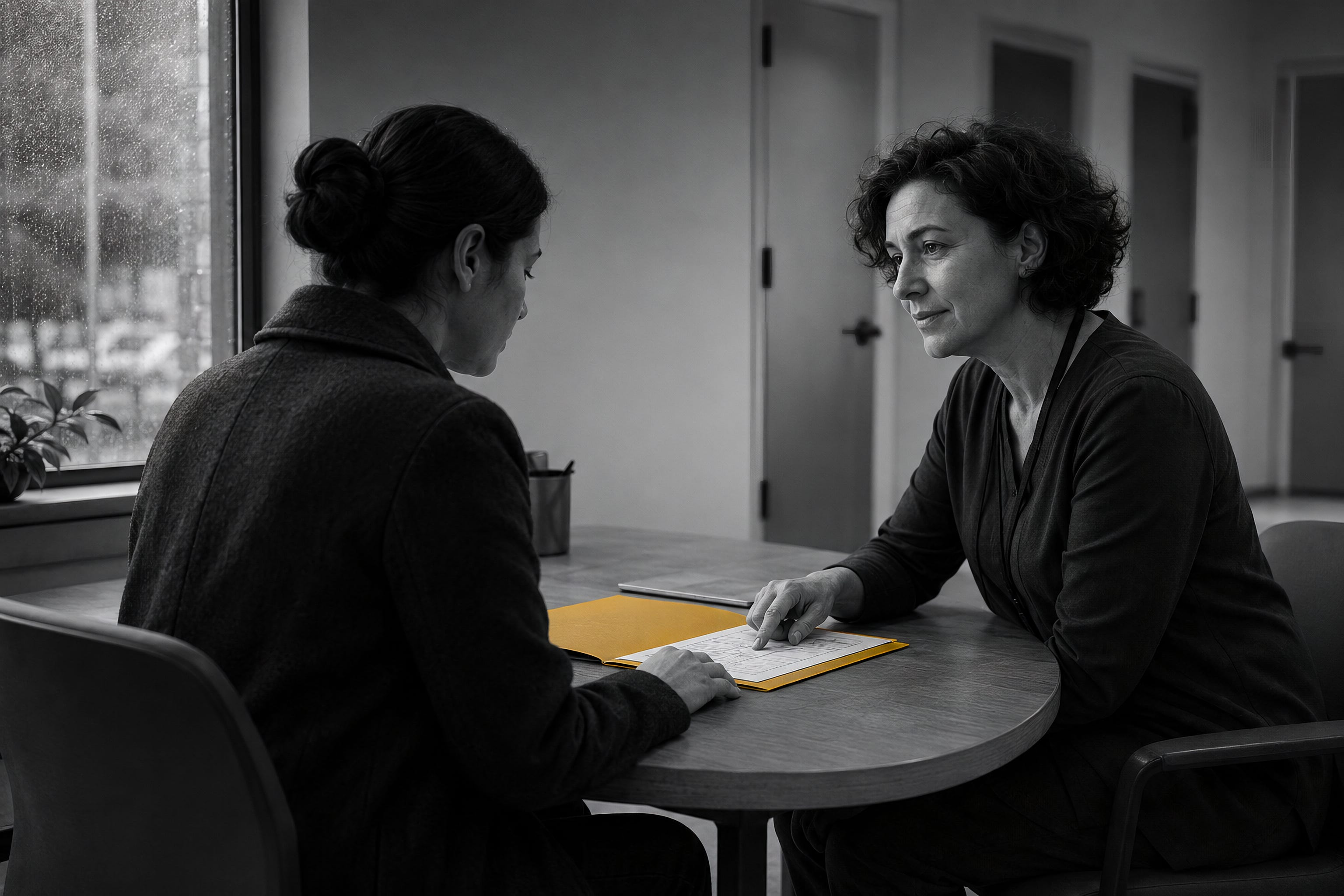
In the area where I work, one of the services we can connect people with is Inclusion Recovery Hampshire.
Some people hear the words “recovery service” and assume it is only for people struggling with alcohol or illegal drugs. That assumption can stop somebody from asking for help, especially when the medication they are worried about was originally prescribed by a doctor.
But dependence can develop even when somebody has taken their medication exactly as instructed. Needing support does not mean they have done anything wrong.
Inclusion also supports people experiencing difficulties with prescribed and over-the-counter medication. After a referral, the service can assess the person’s needs and discuss what specialist support, guidance or treatment may be appropriate as part of their recovery.
A referral to Inclusion does not mean the GP practice has finished its part and can wave goodbye from the doorway.
The person may still need a medication review, support with their physical and mental health, and help with whatever the medication has been allowing them to manage. Inclusion brings specialist knowledge, but that support should sit alongside the person’s wider healthcare rather than replacing it.
This is where joined-up care matters.
The GP practice can look at the whole picture, Inclusion can provide specialist recovery support, and both can help the person move forward safely. The individual should not be left carrying messages between services or trying to stitch their own care together while already struggling.
People can refer themselves to Inclusion, and professionals can also make referrals on somebody’s behalf with their consent. If the person comes to the GP practice first, we can help them understand that option and begin the referral process with them.
One principle guides much of how I approach care navigation: no wrong door.
If somebody has found the courage to tell a healthcare professional that they are struggling, that contact should become the beginning of help. It should not matter whether they spoke to precisely the right person, used the correct words or understood which service was responsible.
They have reached a door.
We should help them from there.
That does not mean every service can provide every kind of care. Sometimes another professional or specialist team will be better placed to support the person. But there is an important difference between explaining that and simply sending somebody away.
“No wrong door” means listening to what is happening, helping the person understand their options and making sure they know what comes next. If a referral is needed, we should help them reach that service. If the first pathway is not suitable, we should not leave them standing outside it wondering where to go instead.
This matters particularly when somebody is already living with anxiety, dependence, withdrawal symptoms or painful memories. Their ability to make telephone calls, complete forms, remember instructions and repeatedly explain their story may already be stretched thin.
The system may see separate services, referral criteria and areas of responsibility.
The person sees one problem they need help with.
Our job is to make sure that asking was worth it.
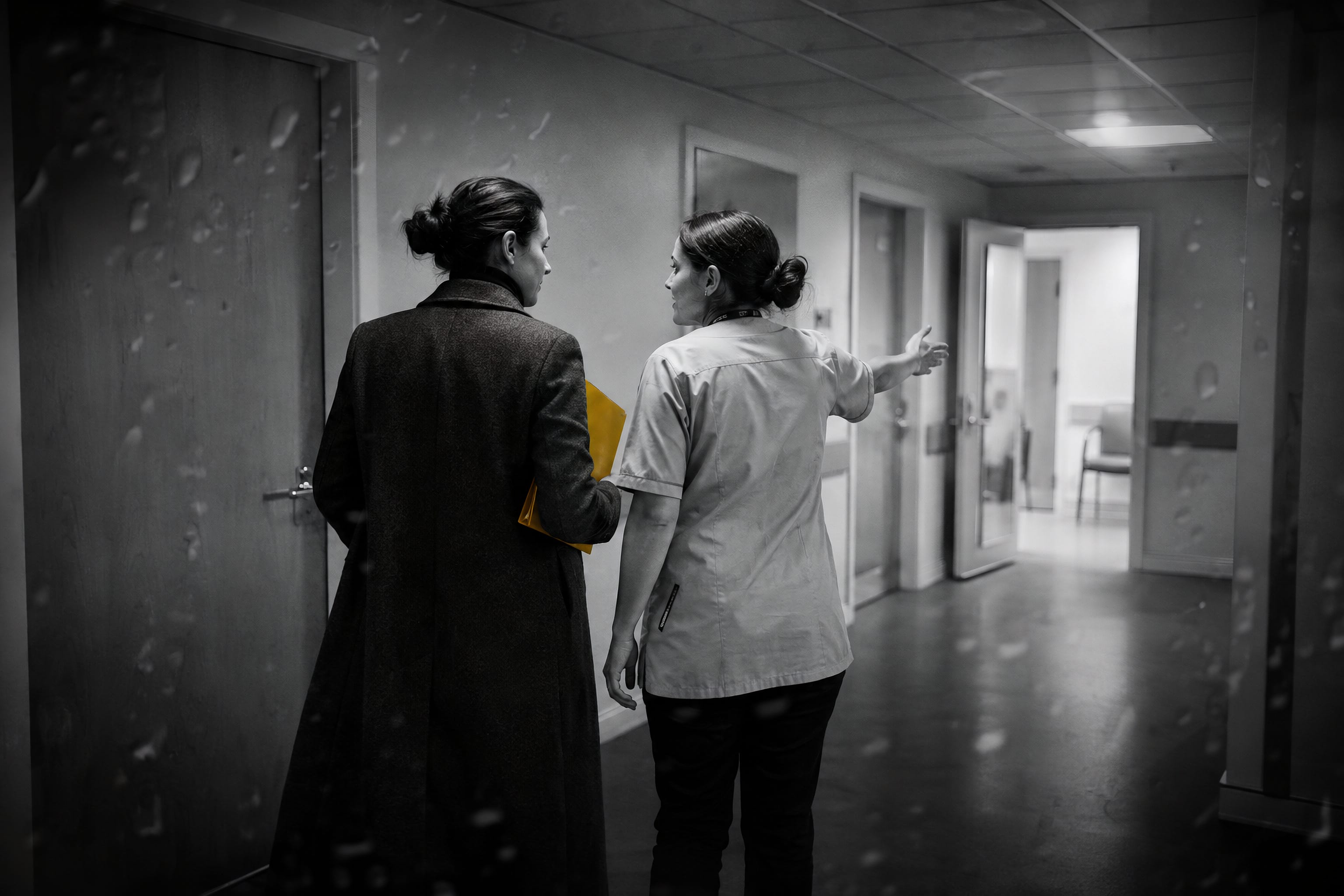
Making a referral is not the same as making sure somebody receives help.
A form can be completed, sent to the correct service and recorded neatly on a patient’s notes. From the system’s point of view, the task may look finished.
For the person waiting, nothing has happened yet.
They may not know whether the referral was received, how long they will wait or what they should do if their symptoms become worse. They may miss a telephone call, struggle to complete another form or feel too anxious to explain everything again. Sometimes a service may decide it is not the right one for them.
This is where people can begin to disappear between the gaps.
Good care navigation means looking beyond the referral itself. Has the person understood what will happen next? Can they realistically access the service? Do they need support while they wait? If the referral is declined, who will help them find another route?
We also need to remember that asking for help once may have taken everything they had.
If someone misses a call or appointment, it does not necessarily mean they no longer want support. Anxiety, withdrawal, trauma, memory difficulties and the general chaos of being human can all make engaging with services harder. We should be curious about what happened before quietly closing the door.
There should always be a safety net. The person needs to know who they can contact, what symptoms require urgent medical advice and where they can turn if the original plan stops working.
Nobody should be left carrying responsibility for coordinating several services while also trying to cope with dependence, anxiety and everything the medication may have helped them survive.
A pathway only works if the person can actually move through it.
Stopping people from falling through the cracks means noticing the handovers, following up when something goes quiet and making sure that if one door closes, somebody helps them find the next one.
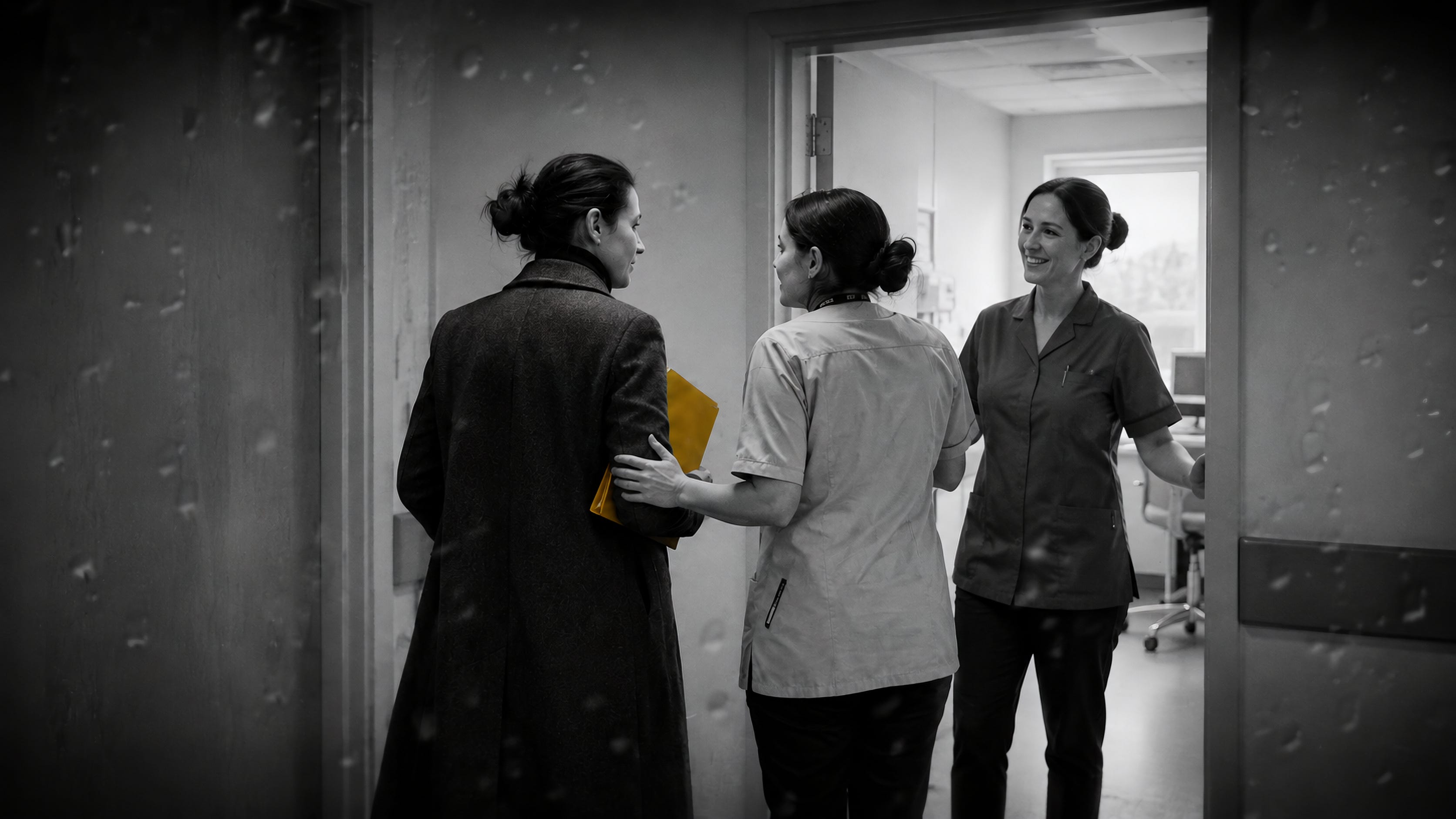
Marlana writes:
“If a medication has an entrance plan, it should have an exit plan. And somewhere between those two plans, there should be a plan for the person taking it.”
That, for me, is the heart of all of this.
A safe reduction plan matters. Medication reviews matter. Referrals, specialist services and clinical guidance all matter.
But none of them work unless we remember the person living through the process.
They may be frightened about what will happen without the medication. They may be worried that their anxiety will return, that painful memories will resurface or that they will lose the thing that has helped them function for years. They may feel ashamed of needing help, even though physical dependence can develop while medication is being taken exactly as prescribed.
They should not have to arrive knowing which service they need or how the system works. They should not have to keep knocking on doors until somebody finally agrees that their problem belongs there.
They only need to tell us what is happening.
From that first conversation, we should be able to begin building the support around them: reviewing the medication safely, understanding what sits beneath its use, involving specialist services where needed and making sure somebody remains alongside them during the handovers.
We cannot promise that every pathway will be quick or uncomplicated. Healthcare systems are made of imperfect services, limited resources and occasionally paperwork that appears to have developed free will.
But we can make sure the person is not forgotten inside it.
The goal should never be simply to stop a prescription.
It should be to help someone move towards a life in which they feel safe enough, supported enough and equipped enough to live without relying on it in the same way.
An entrance plan.
An exit plan.
And, all the way through, a plan for the person.

This article reflects NHS England guidance and the pathways available in the area where I work. Services and referral processes may differ elsewhere, and I cannot comment on pathways in other countries. Wherever you live, I would absolutely recommend speaking with your doctor or another healthcare professional about what you are experiencing and asking which support pathways are available to you. Please do not feel ashamed of asking for help. You do not need to know the correct service or arrive with the perfect words. Helping you understand what comes next is exactly what healthcare professionals are there for.
Inside, I share a real, anonymized example of how care navigation helped someone who could not initially access any available pathway reach the support they needed.
Before You Go
If this article helped you make sense of something you have been carrying, you can subscribe to receive future reader questions and psychology deep dives straight to your inbox.
Reading, sharing and being here all count too. Truly. ❤️
Most of my work will always remain free. Paid subscriptions simply help me keep researching, writing and creating the more personal extras, including the section attached to this article.
And if a subscription is not for you but you would still like to support my work, you can always buy me a virtual cup of tea or help keep the snack drawer stocked.
Comments
Nothing yet. Say the first thing.
Sign in to join the conversation.