
It’s Tuesday, and on Thursday it’s publication day - we are reaching the end of my promotional campaign for The Body Myth. Thank you for sticking with me as I’ve shared some of the content of the book with you, and thanks especially to those who have preordered or upgraded to a paid sub here on Substack because they really wanted to read more. I’ve had some fantastic feedback, and I know many of you are really excited about this book, as am I!
Please support the launch of The Body Myth by preordering a copy. If you do so, you just have to email the receipt to millihillwriter@gmail.com and I’ll invite you to my Preorder Party on the 19th July - which includes a raffle with fantastic prizes: two book bundles, feminist jewellery from Wear and Resist, Jess de Wahls patches, plus signed copies of the book and a year’s free sub to WHAT ABOUT WOMEN.
Thank you!
The book, as you will have seen, moves chronologically through a woman’s life, and the final chapter is Crone Myths, looking at life after menopause. Scientists continue to puzzle over why we women stick around and outlive our fertility - we are thought to be one of the only mammals to do so. I know they don’t mean to be rude, but, “You still here luv?”, does come across as a bit of an insulting question to those of us who might feel that the purpose of our existence goes a fair bit further than reproduction.
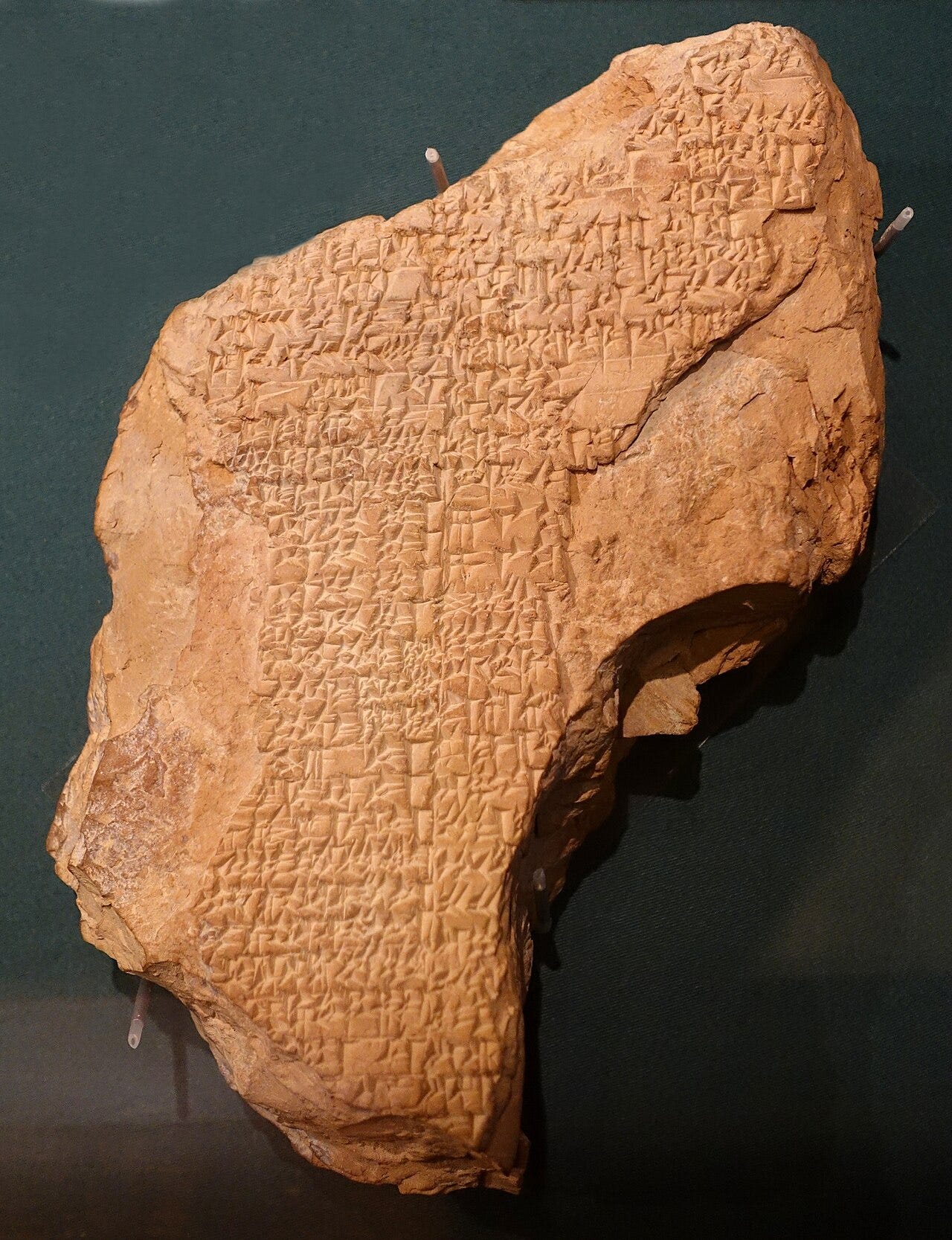
In Crone Myths we explore all of this. We explore the descent and rising of menopause, and hear the ancient Sumerian story of Inanna, composed around 2100–1900 BCE, and thought to be the oldest surviving complete narrative with a goddess as the central character.
And we hear stories of modern women and ‘what they do with all that fire’, including the fantastic Siobhan Daniels, who sold everything and bought a motorhome at 60 and has rebranded ‘retiring’ as ‘refiring’.
And we look to folklore again, and the stories of the old woman, like the Cailleach, or Baba Yaga,
Women over fifty or sixty can share some of the qualities of Baba Yaga or the Cailleach – beholden to no one; powerful in their independence; disinterested in being ‘nice’. They are highly disruptive to the patriarchal definition of femininity, and quietly but firmly out of control, which perhaps explains their centuries-long history of persecution. p212
We learn about the grandmother hypothesis, and how we might think of ourselves - like another species that lives past menopause, the orca - as ‘pod leaders’, the elders who hold the stories and the keys to survival. We look, too, at the science and theory behind why women live longer than men in every country and culture across the globe. And I do love the story I share of Jeanne Calment, thought to be the world’s longest living woman, who died in 1997 aged 122 years 164 days.
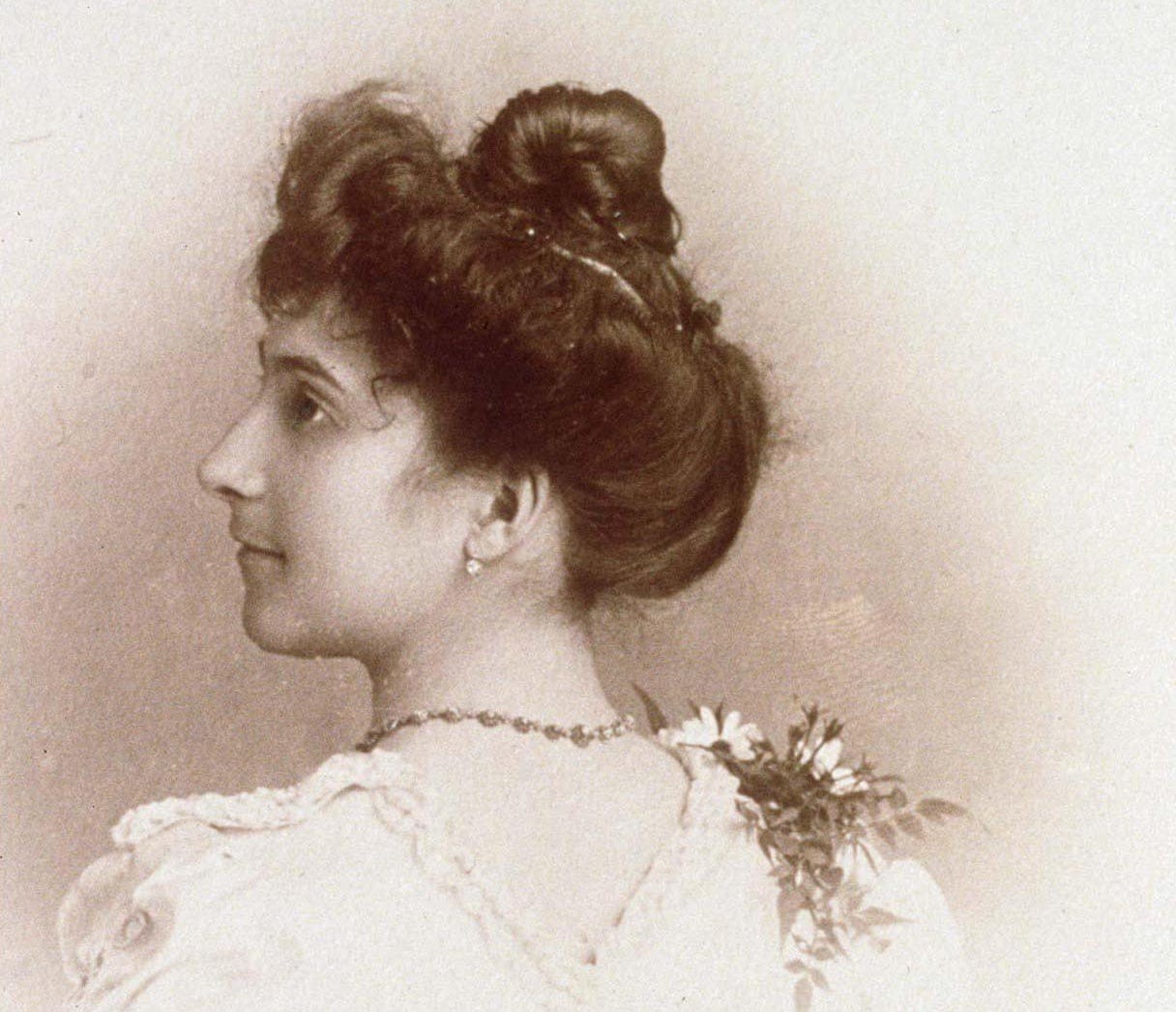
In 1969, age 94, she struck a deal under French law with her notary, a man named Raffray, to sell her apartment. Using a system called en viager, Raffray was to pay a monthly amount of 2,500 francs until taking ownership of the property on her death, which, since she was 94, he presumably wagered would not be too far off. Instead, Calment outlived him, and having shelled out each month for three decades, he died in 1995 having paid her nearly twice the value of her flat and never got the keys. ‘In life, one sometimes makes bad deals,’ she apparently said. p223
As well as positivity about our crone years, I also share the challenges, including the care work demanded of women in the ‘sandwich generation’, and the negative ‘damned if you do, damned if you don’t’ vibe around our aging faces. And I end the chapter with a story, which I’ll share with you in full after the paywall.
There is a final ‘conclusion’ chapter, entitled ‘Thoughts on reaching the end’, but you will have to read that in the book. Content warning: may contain mortality.
Comments
Nothing yet. Say the first thing.
Sign in to join the conversation.