
What is this column? I’m going to do that classic “answer by saying what it’s not” thing. First, it’s not going to be the definitive answer on anything. It’s not going to be “the way”, I’m not going to preach from on high on how things should be done.
I draw for a living in an age when folks are trying to crack the code to make art, but I want to share the human experience behind the images you all see. This business is wonderful and treacherous, I’ll share stories here about how I get by.
If that’s instructive, then cool. But none of this is gospel.
My name is Mike Hawthorne, and welcome to Draw is Life
― Lao Tse
It’s August. I’m a college professor, so that means I’m starting to mentalling switch into “teaching mode.” I tend to give myself “homework” in June to prepare for my Fall Semester. I break out my weathered books on anatomy and figure drawing, re-watch old lectures, review my class materials, all in hopes that I’ll refine my knowledge and present it as well as I can. However this year I’ve avoided that normal routine. It’s not because I feel more prepared than in past years. It’s quite the opposite. I’m feeling less sure of my approach than ever.
I tend to teach the more technical aspects of art. Anatomy, figure drawing, perspective. Things that are quantifiable, measurable, easy to point out what is “right” or what is “wrong.” I like it that way, mostly because I resent art instruction that is… well, not instructive. I like when I can show a student a tangible thing that improves their work in that moment, not some opaque, often incomprehensible philosophy. These kids are investing hard-earned money into their education and it’s my debt of honor to make sure they get it.
I still feel that way now, but something has turned in my head. I’ve watched class after class leave my studio at the end of each semester and each year I’ve been left with the question, “did I do enough to help them understand?” Over 13 years of teaching at the college level, that question has gained weight and I can feel it bearing down on me.
So this summer I haven’t done what I’ve usually done. I worry that it’s been a rote way of approaching the work that I’ve stopped thinking much about. I’ve spent more time just thinking of the work. Making myself sit with it. In doing so one day a random phrase popped into my mind, “Feynman’s technique.”
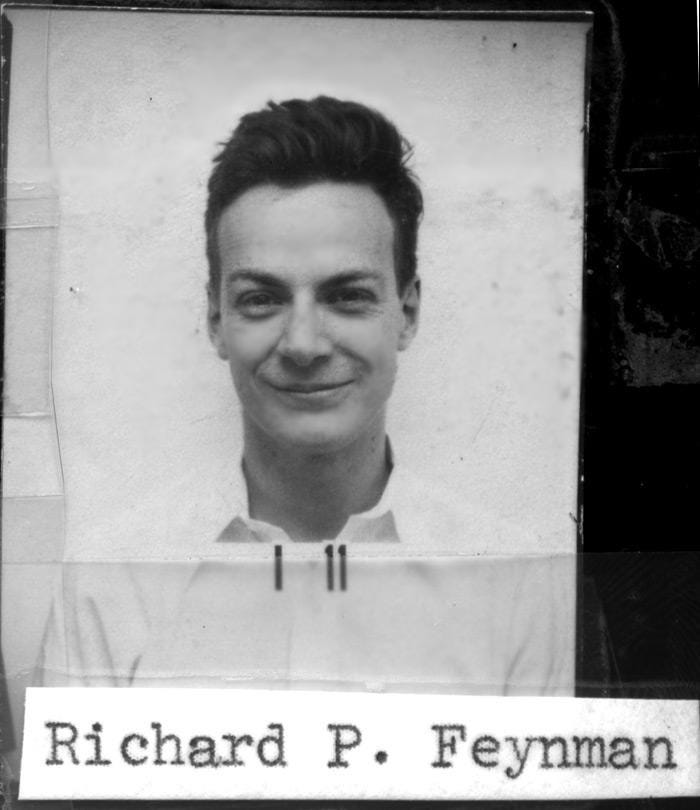
Richard Feynman wasn’t an artist. He was, what we artistic folk call, a nerd*. A really, really smart one. He dabbled in some silly thing called physics**, won some awards or something, and helped make a really big bomb.
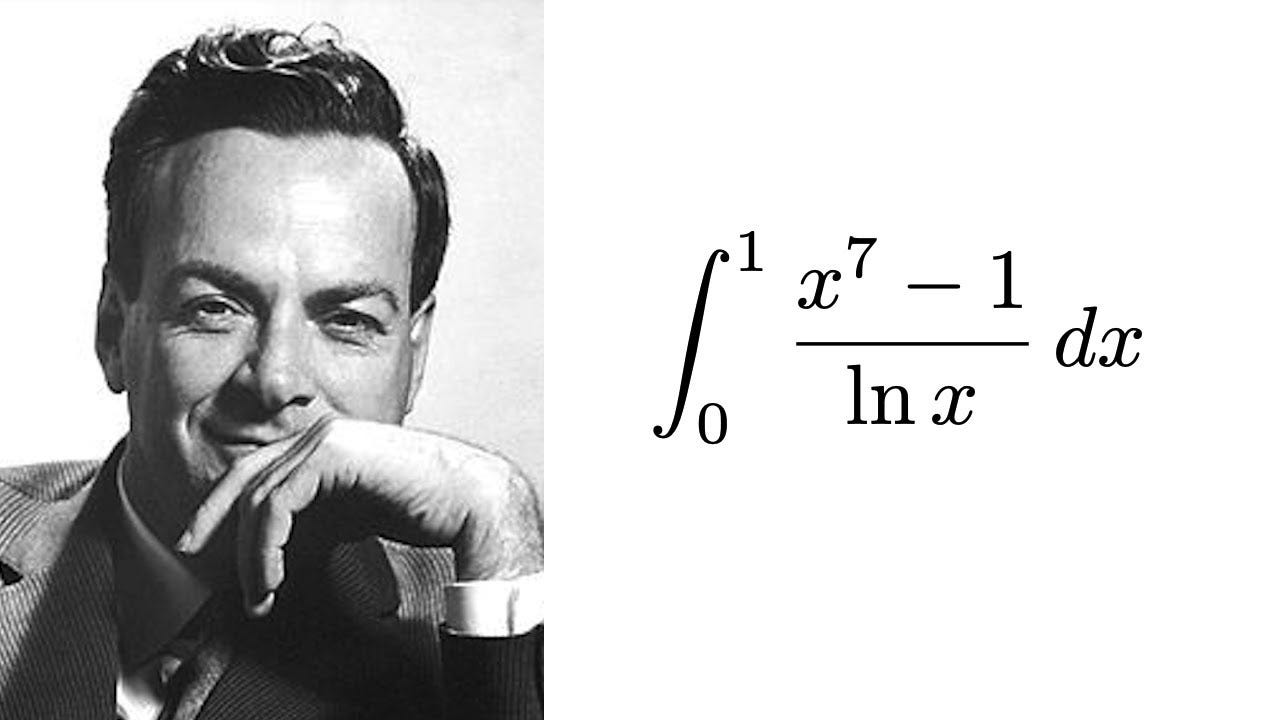
Anyway, this term “Feynman’s technique” is associated with him and this technique for learning (and teaching) a subject. He had four steps to his “technique.”
Choose a subject, research and absorb it.
Teach it to a kid, avoid complicated jargon.
Find your knowledge gap, places where you struggle to explain the subject.
Review, fill the gaps, and simplify how you explain it.
I’ve been repeating those four steps every year since I began teaching. At least, I’ve tried to do them. This time around, I suspect that last step has tripped me up.
For example, when I taught anatomy I’d use Feynman’s technique to prepare but inevitably when it came time to teach the students I’d end up overwhelming them with anatomical terms and their corresponding muscles or bones. I knew it was too much to absorb in one lecture so I’d nail it all down in handouts I’d make for them. I’d tell them to try and focus on understanding what I’m presenting and to review the terms later in the hand outs (which later became my accidentally-written anatomy book and “Drawing Cheat Codes”).
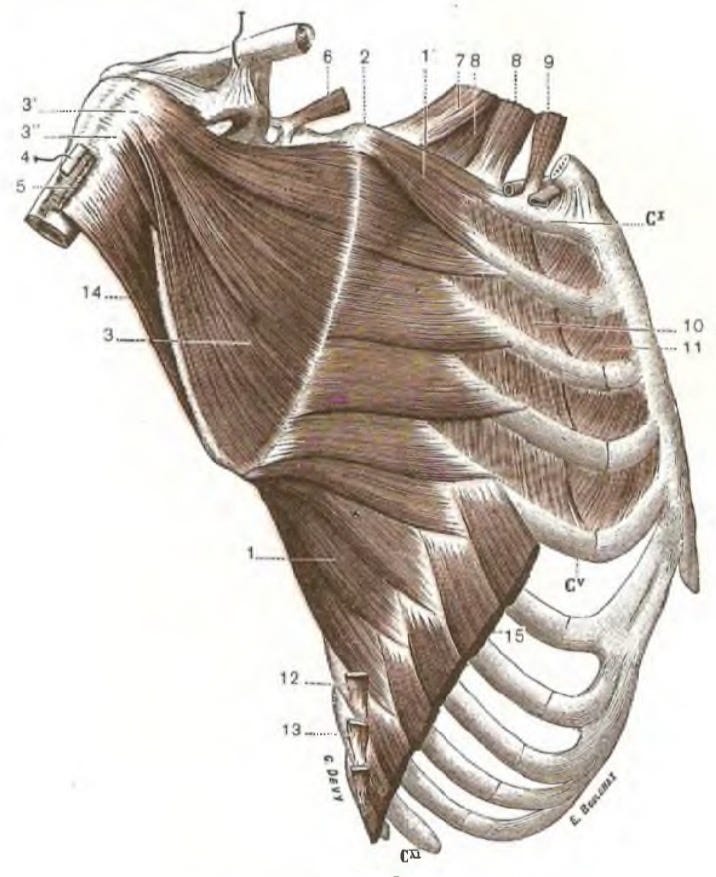
The thing is, I’m not sure they ever truly “got it.” I’d be torn between giving them what they paid for and simplifying the material so they can digest. I’d always end up favoring the “giving them what they paid for” approach. Next thing you know I’m telling them about nine serratus muscles, of which we see maybe four, but only when subcutaneous fat levels are low aaaaaaannnnddd now we’re in the weeds with a room full of students whose eyes are spinning around in confusion.
So this year, I’m taking my foot off the gas. I’m making myself think, not just mindlessly do. I’m sitting with the idea of how much fat I can trim from the subject without losing the flavor. To do that, I’ve chosen to do less, better. I’m thinking more about the flock and less about being the shepherd. I want to find a way to guide them better from within, not lead them along from the front. If I’m always pointing the way my students will never learn to become wayfinders on their own.
I must find a way to teach by removing things from my approach. My job is to teach them enough skill to build a vessel, it’s up to them to capture the spirit.
Wish me luck.

*Sorry
**I know what physics is. I’m breaking balls. Again, sorry.
References:
https://www.nobelprize.org/prizes/physics/1965/feynman/biographical/
https://en.wikipedia.org/wiki/Richard_Feynman
https://fs.blog/feynman-learning-technique/

If you enjoyed this column, please share it with a friend or three. Thanks!
Thanks for reading.
Your boy,
Mike
Comments
Nothing yet. Say the first thing.
Sign in to join the conversation.