
By Jack Rivers
Sunday 16th - Monday 17th August, 2026
Part of the “Dispatches From Tehran” Series
The strategic landscape of West Asia has shifted beneath the feet of the old order, moving from a tense stalemate to a precipice of miscalculation where a single erroneous command could ignite a conflagration with no off-ramp. The air is thick with the rhetoric of annexation and the whisper of nuclear escalation, yet the ground truth tells a story of imperial overreach meeting unyielding resistance. It is within this crucible of high-stakes confrontation that we present this dossier, a forensic dissection of the reports covering Sunday through Monday, 16th–17th August 2026.
Before we delve into the granular details of this unfolding drama, a brief apology is due to our regular readers. The fallout from our previous analysis concerning the USS Abraham Lincoln has been, to put it mildly, voluminous. The ensuing campaign of trolling and the desperate attempts to portray our Iranian Media sources as “propaganda” from those themselves hopelessly under the hypnotic spell of the most atrocious propaganda operation in history, the western manufactured narrative, have consumed resources and time, resulting in an unavoidable delay for this edition.
We view this backlash not as a failure, but as a validation; when the narrative we construct strikes a nerve in the establishment, the reaction is invariably one of noise and distraction, rather than substance. Housekeeping is important to us, and we will not allow our comments sections to descend into the kind of ugly, vicious free-for-all’s that drag down so many publications’ overall quality of reading experience and interaction.
Ultimately we view the overall episode in a very positive light: for the short-term inconvenience of having dealt with this backlash, we have gained an additional 750+ subscribers on the back of what is now our most popular dossier to date, proving the vociferous minority do not speak for the silent majority. We’ve also been afforded the important opportunity of filtering out a large cache of the kind of uncouth “undesirables”—brainwashed under the heavy influence of repulsive “Trumpian” thought, that have no place on our publication, and removed their access to Middle East Report. The worst of the disgusting abuse you will hopefully never have to see, as our automated moderation system based upon our Reply Rules instantly hides the most vile replies, and the rest we simply eliminate manually in regular sweeps. Respectful dissenters continue to be allowed and engaged, whilst Trump’s Keyboard Army of Mouthy MAGA Muppets get sent packing straight back to Fraggle Rock.
We have chosen to rise above the cacophony without providing it the dignity of response, and focus instead on the strength of our signal, ensuring that this next dossier continues to meet the rigorous standards of analysis you have come to expect.
This edition is a comprehensive audit of a strategy in freefall. We begin by dissecting the latest theatrical threats emanating from Washington regarding the Strait of Hormuz, where bluster has replaced statecraft and the annexation of international waterways is discussed with the casual arrogance of a real estate deal. We then turn our gaze to the diplomatic arena, exposing the hollowness of American sanctions and the fabricated tales of backchannel negotiations, contrasting them with the steady, determined economic consolidation occurring between Tehran and its neighbours.
The military dimension of this dossier offers a stark warning: the shift from defensive patience to offensive precision is no longer a hypothetical scenario but an operational reality. We analyse the strategic surprises promised by the IRGC and the stark assertion that the Zionist regime “lacks the capacity” for independent war. Furthermore, we examine the fracturing of the American alliance system, as Gulf partners begin to question the cost of hosting an aggressive hegemon that views their sovereignty as expendable. Finally, we document the moral descent of the occupation in Palestine, where the desecration of Al-Aqsa and the targeted mutilation of civilians are no longer hidden atrocities, but open policy.
What follows is not merely a summary of news, but a synthesis of intelligence designed to pierce the fog of Western media bias. We invite you to read not just what happened, but why it matters, and how the arithmetic of this war is already tallying a defeat for those who believed they could dictate the future of a region they barely understand. The stage is set, the actors are in place, and the curtain is rising on an act that may well define the end of an era.
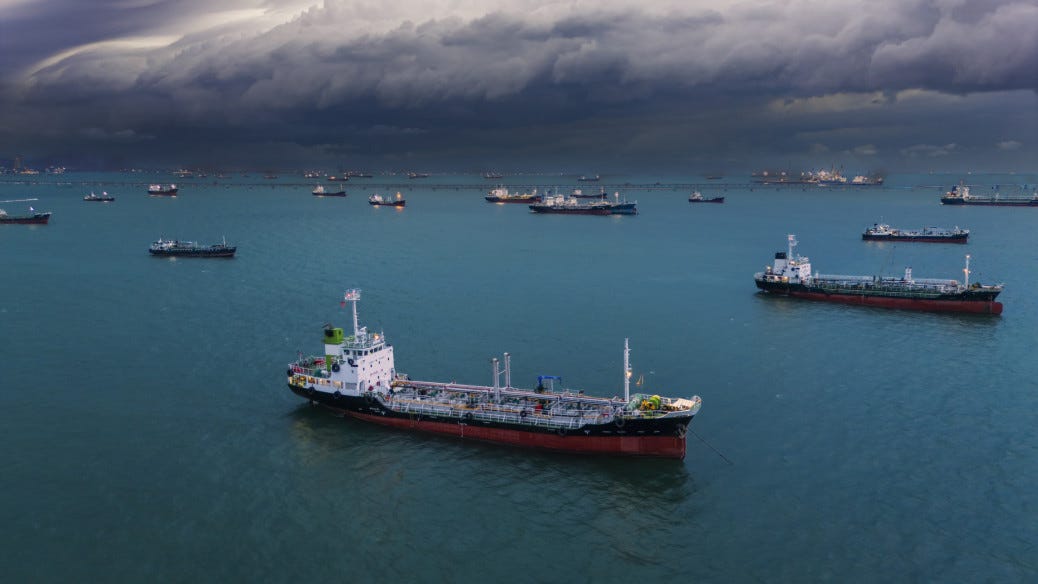
The geopolitical stage of West Asia has long been a theatre for grandstanding, yet the recent performances emanating from Washington have transcended mere posturing to enter the realm of the grotesquely delusional. The Strait of Hormuz, that vital arterial vein through which the world’s energy lifeblood flows, has become the latest prop in a spectacle of imperial overreach. It is a theatre where the lines between statecraft and caricature have not just blurred, but have been obliterated by an administration seemingly intoxicated by its own pathetic rhetoric. The latest act in this drama features threats so brazen, so detached from strategic reality, that they betray not strength, but a profound, trembling insecurity.
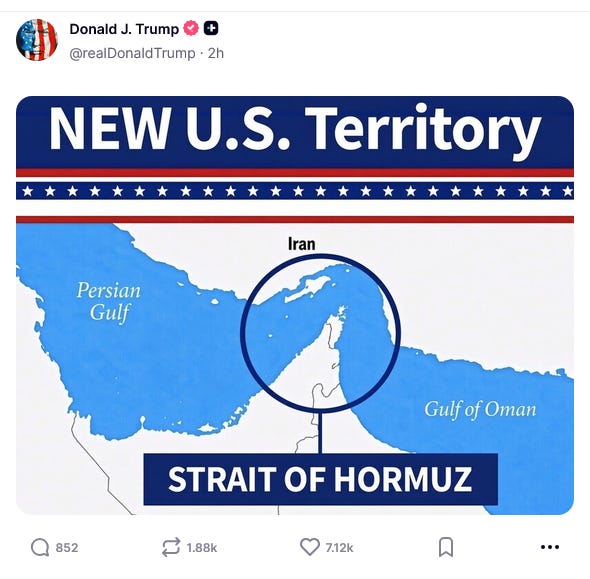
The narrative began with a “joke” that tasted distinctly of gunpowder and arrogance. Speaking at a rally in New York, the American President declared his intention to annex the very geography of the region, stating, “After we finish defeating Iran … pretty soon I’ll be declaring the Hormuz Strait a territory of the United States.” He elaborated on this fantasy of sovereignty with the casual air of a monarch dividing spoils, asserting, “We have the blockade. No ships get through unless we want them to.” Such remarks, dismissed by his apologists as mere hyperbole, reveal a mindset that views International Law and the sovereignty of nations as quaint obstacles to be swept aside by imperial fiat. Yet, the mask slipped further when the rhetoric shifted from conquest to coercion against a longstanding regional partner. In an interview with Fox News, the President turned his gaze toward so-called “ally” Oman, a nation that has historically served as a crucial diplomatic bridge, threatening: “If Oman gets in the way, we’ll bomb the shit out of them!” This was not the language of a strategist; it was the bluster of a gambler who, having lost his chips, threatens to overturn the table.
The response from Tehran was not one of panic, but of cold, calculated dismissal. Kazem Gharibabadi, Iran’s impressive Deputy Foreign Minister, swiftly dismantled the American fantasy, reminding the world that the physical reality of the Strait remains under Iranian command. “This strait will only be closed and opened under Iran’s command,” he posted on X, stripping away the veneer of American control. He warned that as long as Washington refuses to “accept the reality of defeat and cease their fanciful delusions, Iran will continue to enforce the blockade.”
There was a distinct note of irony in his assertion that “Iran neither fears threats nor cowers before displays of power,” a sentiment that resonates deeply in a region that has weathered decades of American military posturing. The President’s demand that the Islamic Revolutionary Guard Corps (IRGC) “should put up the white flag of surrender” stands in stark contrast to the reality on the water, where Iranian naval assets continue to operate with a sovereignty that no tweet can negate.
Yet, beneath the bluster of blockades and territorial annexation lies a far darker, more existential whisper. As the conventional war effort falters, the spectre of nuclear escalation has been dragged from the shadows into the light of day. Marjorie Taylor Greene, a figure often on the fringes but increasingly central to the Republican discourse, peeled back the curtain on the strategy meetings in Washington.
“They are discussing using nuclear weapons on Iran in strategy meetings,” she revealed on X, adding with chilling clarity, “It’s real. I’m not speculating, I know. And it’s pure evil.” Her warning was not merely about military tactics but about the moral abyss into which the American leadership is peering, because Donald Trump simply cannot handle his catastrophic loss of face to Iran. She noted the stark contradiction between intelligence assessments and political narratives, observing that “Trump and his admin were told by our own intelligence that Iran was nowhere near creating a nuclear weapon, then ‘Israel’ said the same line it’s repeated for decades, ‘Iran is only weeks away’.”
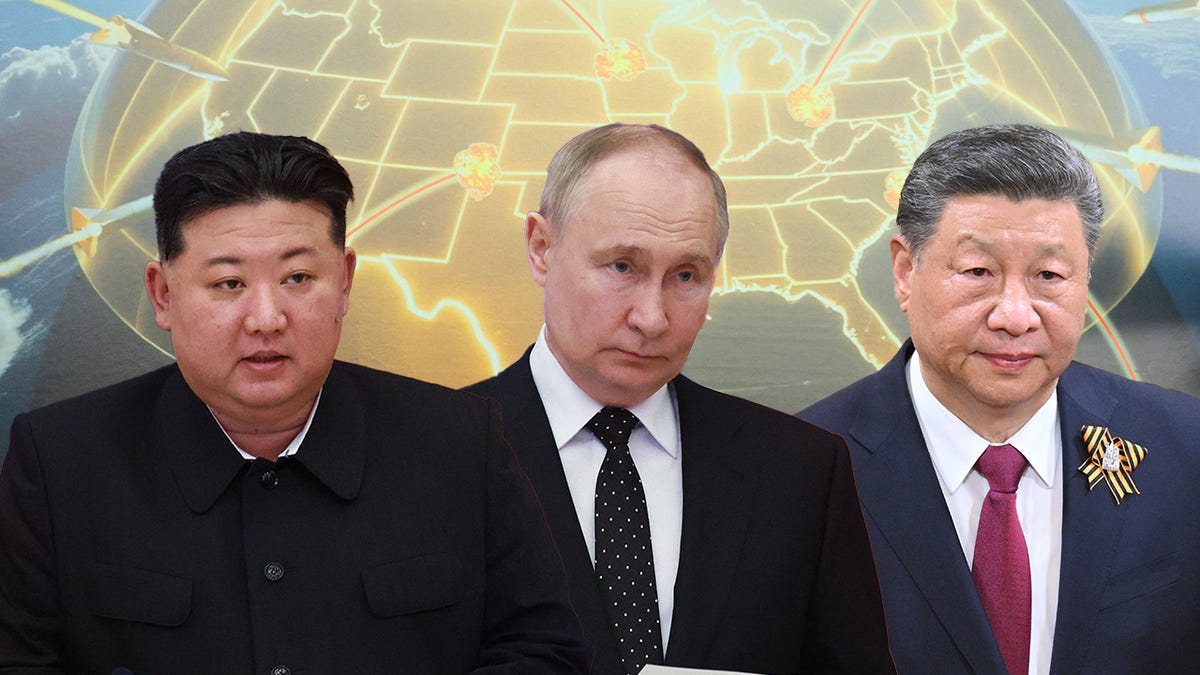
The potential consequences of such a descent into nuclear madness were not lost on her. “Trump promised no more foreign wars, but may actually be the one who delivers a nuclear holocaust that would likely drag the entire world into major conflict, economic depression, and mass human suffering we’ve never seen in our lifetimes and maybe throughout history,” she wrote, urging a halt to the insanity. Her plea that “America is not untouchable” serves as a grim reminder that the laws of physics and retaliation apply equally to all, regardless of imperial self-perception. A nuclear strike, by America—unequivocally equals nuclear strikes on America, by Russia, China, and North Korea, as their leaders have previously warned.
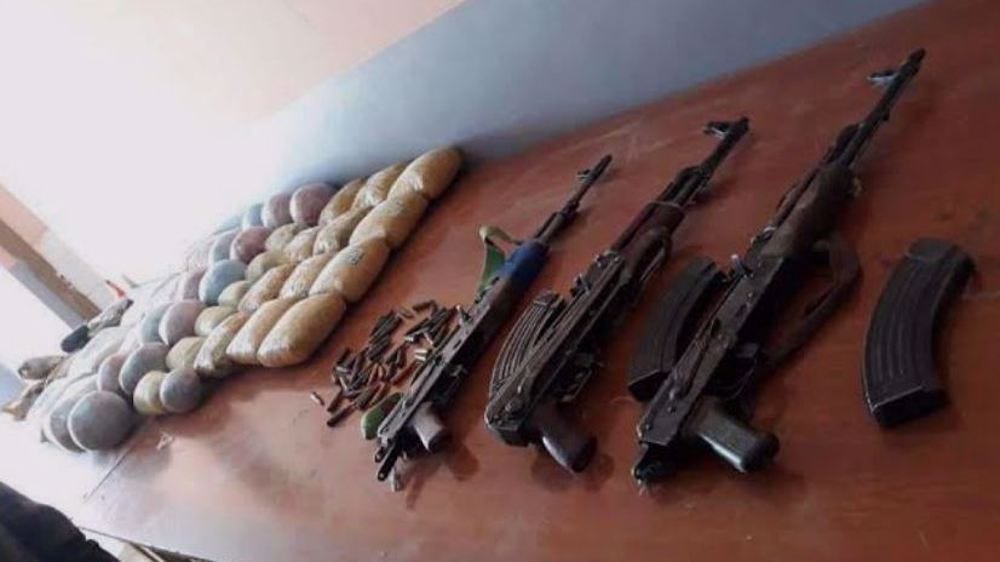
Amidst these high-stakes dramas of state, the quiet, unglamorous work of securing the nation continues, a testament to the discipline that underpins the Iranian state. While American headlines scream of blockades and bombs, Brigadier General Ali-Akbar Javidan reported on the meticulous work of Iran’s border guards. “The valiant border guards stationed along the country’s borders, relying on intelligence dominance, operational control, and smart and optical equipment, succeeded in discovering and confiscating these shipments before they entered the country,” he stated, referring to the seizure of 49 firearms and 153kg of drugs. This juxtaposition is telling: one side threatens to bomb allies and annex seas, while the other diligently secures its borders and maintains order. It is the difference between a storm that burns itself out and the bedrock that remains.
The threat to bomb Oman, the fantasy of owning the Strait, and the whispered discussions of nuclear apocalypse reveal a strategy devoid of exit ramps, driven by a leadership that confuses volume with victory. They speak of surrender flags while ignoring the reality that the only entity facing existential isolation is the one making the threats. The region watches, not with fear, but with the weary eyes of those who have seen empires rise and fall, knowing that the gravity of history inevitably pulls the arrogant down to earth.
In the grand theatre of geopolitical confrontation, there exists a peculiar genre of performance wherein the aggressor, having failed to secure victory on the battlefield, retreats to the drafting table to conjure new instruments of coercion. It is a ritual as old as empire itself: the belief that economic strangulation can achieve what military might could not. Yet, as the dust settles on another cycle of American posturing, the disconnect between Washington’s decrees and the reality of Iranian resilience has never been more stark. The latest salvo of sanctions, heralded with the usual fanfare of moral superiority, serves not as a testament to American power, but as a monument to its exhaustion.
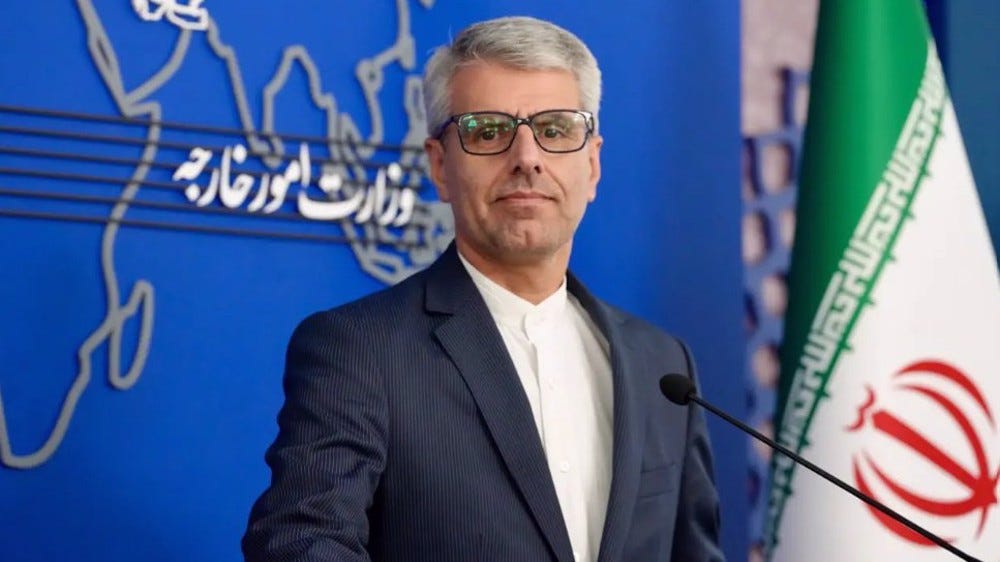
The American administration, seemingly unable to distinguish between diplomacy and delusion, continues to operate under the illusion that pressure alone can bend the will of a civilisation that has weathered millennia of upheaval. Esmaeil Baghaei, the eloquent Foreign Ministry Spokesman, dismantled this fantasy with surgical precision. He noted that the so-called “crippling sanctions” of the Democratic era and the “maximum pressure” campaign of Trump’s first term had merely laid bare the inhumane character of US policy. Tehran, he explained, had long anticipated such scenarios, deploying all available resources to confront any emerging situation. The message was clear: Iran has demonstrated over decades that it will not be strangled by these exhausted refrains. The repetition of these measures is not a strategy; it is a tic, a nervous habit of a power that has run out of ideas.
The hypocrisy of these measures is perhaps best illuminated when one considers the regional dynamics. During his regular Monday press conference, Baghaei then turned his gaze toward those neighbours who facilitate American aggression, asking a question that cuts through the diplomatic niceties:
“How can any nation claim to uphold the principle of good neighbourliness when it places its soil and resources at the service of the Zionist regime and America to strike a neighbouring Muslim country? Is that what respect for a neighbour looks like?”
It is a query that exposes the moral bankruptcy of those who claim to seek stability while hosting the instruments of war. The principle of good neighbourliness, it seems, is applicable only when it suits the hegemon; for others, it is merely an obstacle to be circumvented.
In a desperate attempt to manufacture hope where none exists, the American media machine has churned out tales of secret backchannel talks, suggesting a diplomatic off-ramp is being constructed in the shadows. Esmaeil Baghaei dismissed these reports as totally fabricated, identifying them as a media trick and psychological warfare aimed at creating division among Iran’s decision-making bodies. Such behaviour, he noted, is born of desperation. When one cannot win on the ground, one attempts to win in the headlines, sowing confusion and fostering false narratives. The reality is far less glamorous: there are no secret meetings in Erbil, no hidden accords. There is only the stark reality of a panic-stricken power, trapped in a quagmire of its own making.
This entrapment was further elucidated by Baghaei in his rejection of any extension to the recent Memorandum of Understanding. “We did not start any negotiations at all,” he stated, “and the US violated the understanding from the very beginning; therefore, the 60-day issue is not relevant.” He emphasised that Iran is not a party that adjusts its policies under pressure and deadlines. The American strategy, he argued, has devolved into a series of shifting goalposts: “They have trapped themselves in a quagmire and, in order to justify their failures, they are forced to change their objectives.” His advice to Washington was as concise as it was damning: “Under these circumstances, the best thing for the US is to extricate itself as soon as possible before becoming more deeply involved.”
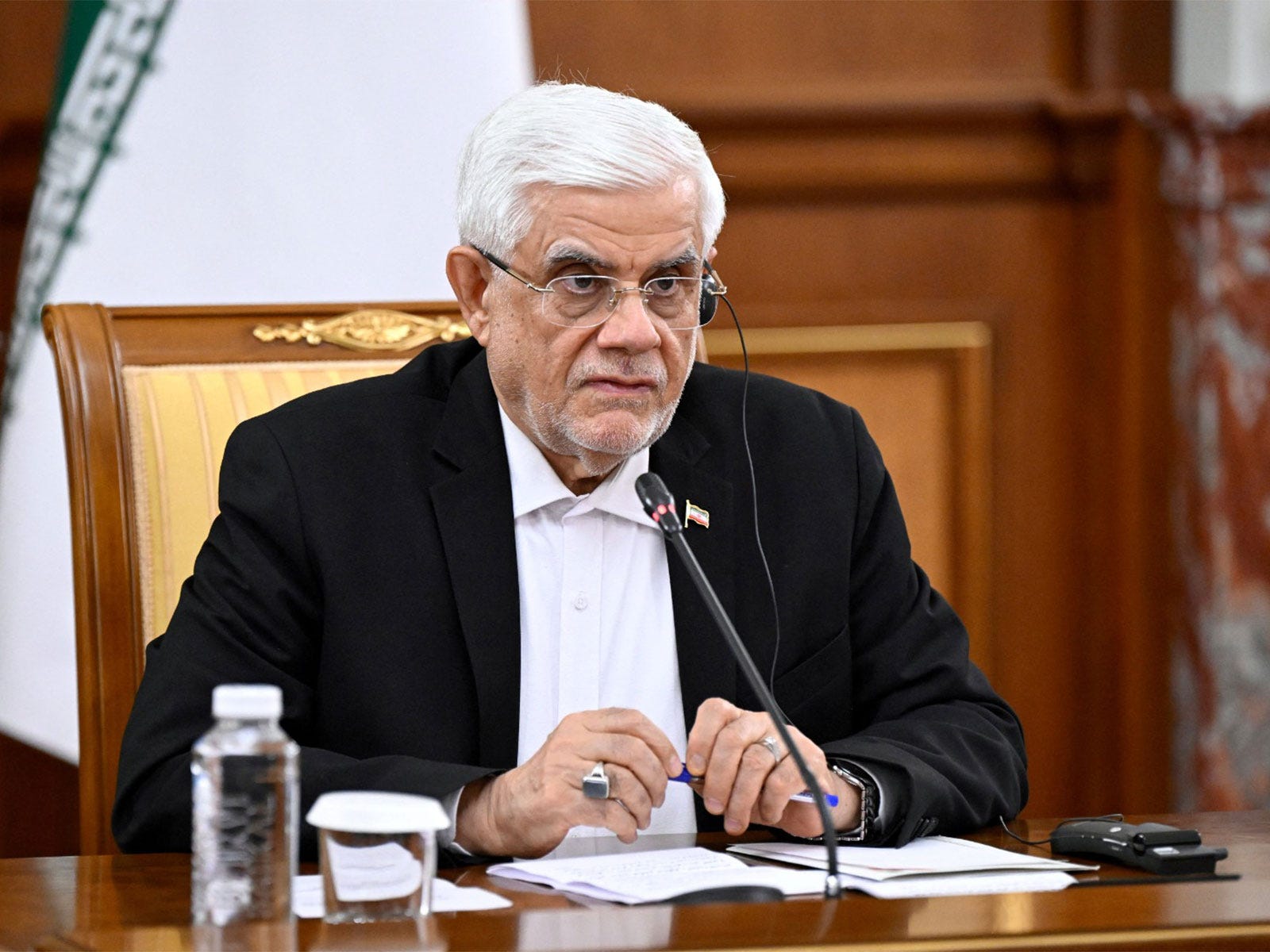
While the diplomatic corps engages in this war of words, the economic front remains a primary target for those seeking to destabilise the region. Mohammad-Reza Aref, the First Vice President, observed that in light of recent military defeats, adversaries have shifted their strategy to undermining national unity through economic pressure and the exploitation of social divisions. The enemy, he noted, seeks to compensate for its failure on the battlefield by waging economic warfare. Yet, the confidence in Tehran remains unshaken. Aref vowed that the government would stand firm with proper planning, asserting that Iran will win this “economic war” just as it did on the battlefield. It is a sentiment that reflects a deep-seated belief in the nation’s capacity to endure and adapt, a trait that has confounded its enemies for generations.
Adding to this narrative of endurance is the broader historical context of American accountability. A recent withering analysis from Press TV details the “staggering ledger” of reparations the US owes Iran for decades of hostility, from the coup of 1953 to the present day. It is a forensic accounting of interference, sabotage, and aggression that rarely makes it into Western headlines, yet it forms the bedrock of Iranian distrust. To read this account is to understand that the current tensions are not an anomaly but the latest chapter in a long history of unresolved grievances. The US demands compliance while owing a debt of blood and treasure that it refuses to acknowledge.
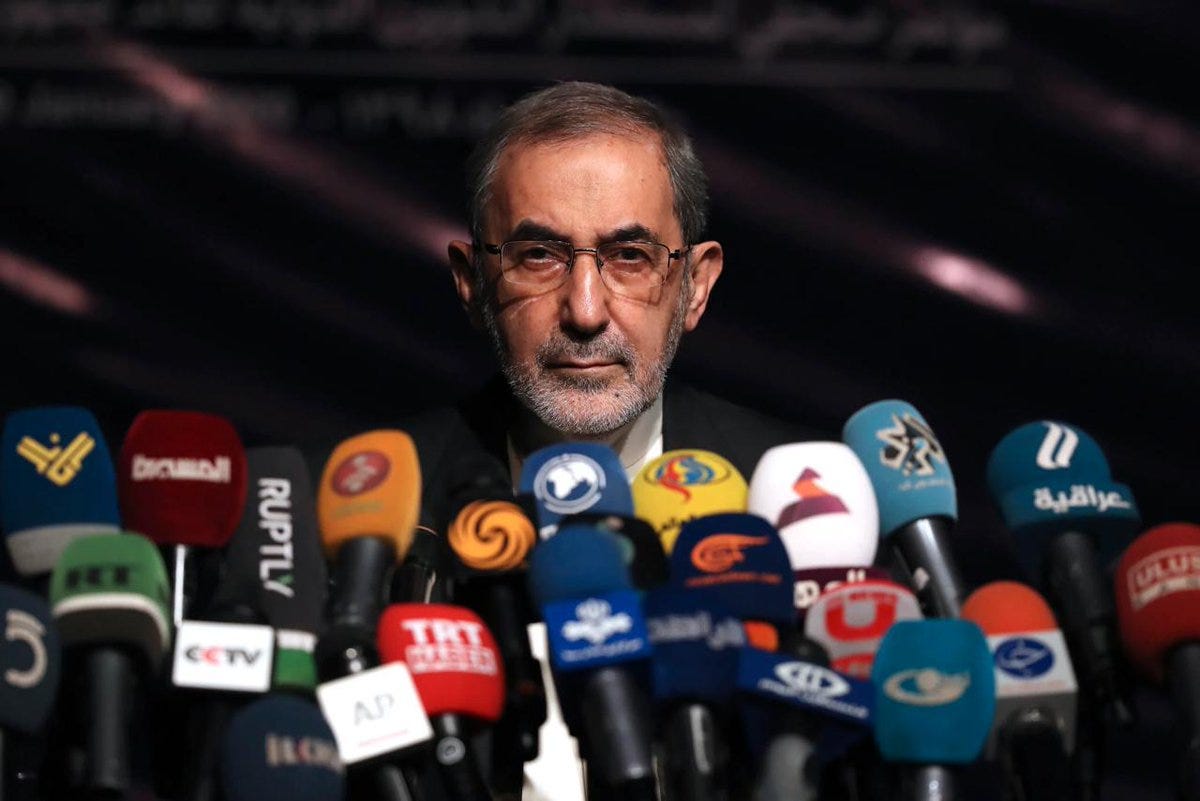
Perhaps the most poignant observation comes from Ali Akbar Velayati, the Senior Advisor to the Leader of the Islamic Revolution, who reminded the world that the ultimate arbiter of American foreign policy is not the general in the war room, but the citizen at home. “Whatever options may be on the table, America’s future will be decided at the family kitchen table—not around the war-room table,” he said. The American people, he noted, are now feeling the direct consequences of their leaders’ reckless gambling in West Asia. The inflation, the anxiety, the sense of endless conflict—these are the dividends of empire, paid out in the currency of domestic suffering.
The irony is strong. As Washington tightens its sanctions and spins its tales of secret deals, it finds itself increasingly isolated, not just internationally but within its own borders. The “economic war” it wages is a mirror, reflecting its own vulnerabilities back at it. Iran, meanwhile, stands firm, not because it is impervious to pain, but because it has learned that survival is the ultimate form of resistance. The ledger of hubris grows longer with each passing day, and history, that relentless auditor, will eventually demand payment.
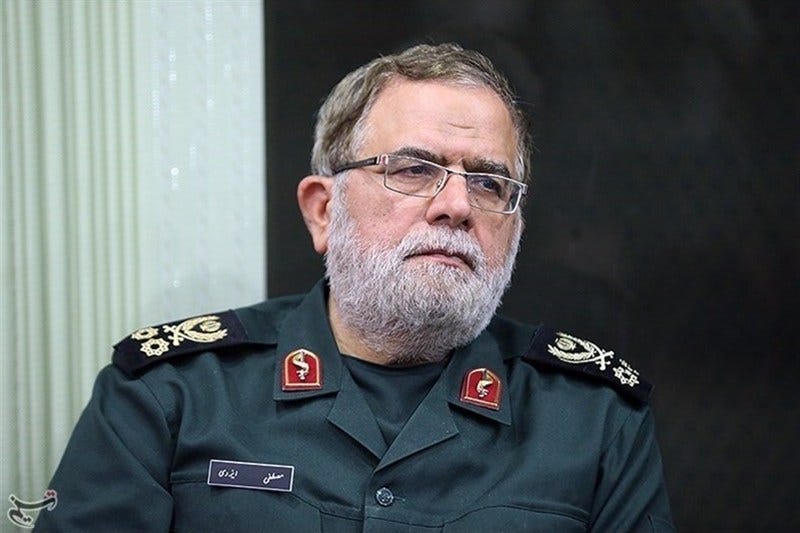
In the annals of military history, there exists a persistent fallacy that victory is solely the progeny of expenditure, that the side which burns the most gold inevitably forges the sharpest sword. The recent conflict in West Asia has served as a brutal corrective to this Western delusion, demonstrating that strategic depth and ideological cohesion can dismantle the most lavishly funded war machines. The ledger of the recent war reveals a stark asymmetry: while the American-led coalition squandered treasures on a campaign of miscalculation, the Islamic Republic achieved a decisive strategic victory with a fraction of the cost. Major General Mostafa Izadi, Deputy Commander-in-Chief of the IRGC, articulated this economic and military reality with piercing clarity, noting that “The system based on Velayat-e Faqih (Guardianship of the Islamic Jurist) was able to manage a war at one-hundredth of the enemy’s expenditure, ultimately securing victory for the fighters of Islam.” This is not merely a statistic; it is an indictment of a military-industrial complex that confuses volume with efficacy, and noise with power.
This efficiency of force has been bolstered by a command structure that remains agile and prescient in the face of enemy plotting. The recent appointment of six high-ranking commanders by the Leader of the Islamic Revolution was not a routine administrative shuffle but a strategic masterstroke that sent shockwaves through adversary intelligence agencies. Mohsen Rezaei, Secretary of the Supreme National Security Council, observed that this timely and wise action had effectively disrupted the calculations of the enemies, particularly the rulers of the United States and the Zionist regime. By placing veterans of the Iran-Iraq War and seasoned strategists at the helm of the armed forces, Tehran signalled that it was preparing not merely for defence, but for a prolonged, transformative engagement that would outlast the fleeting attention spans of Western politicians.
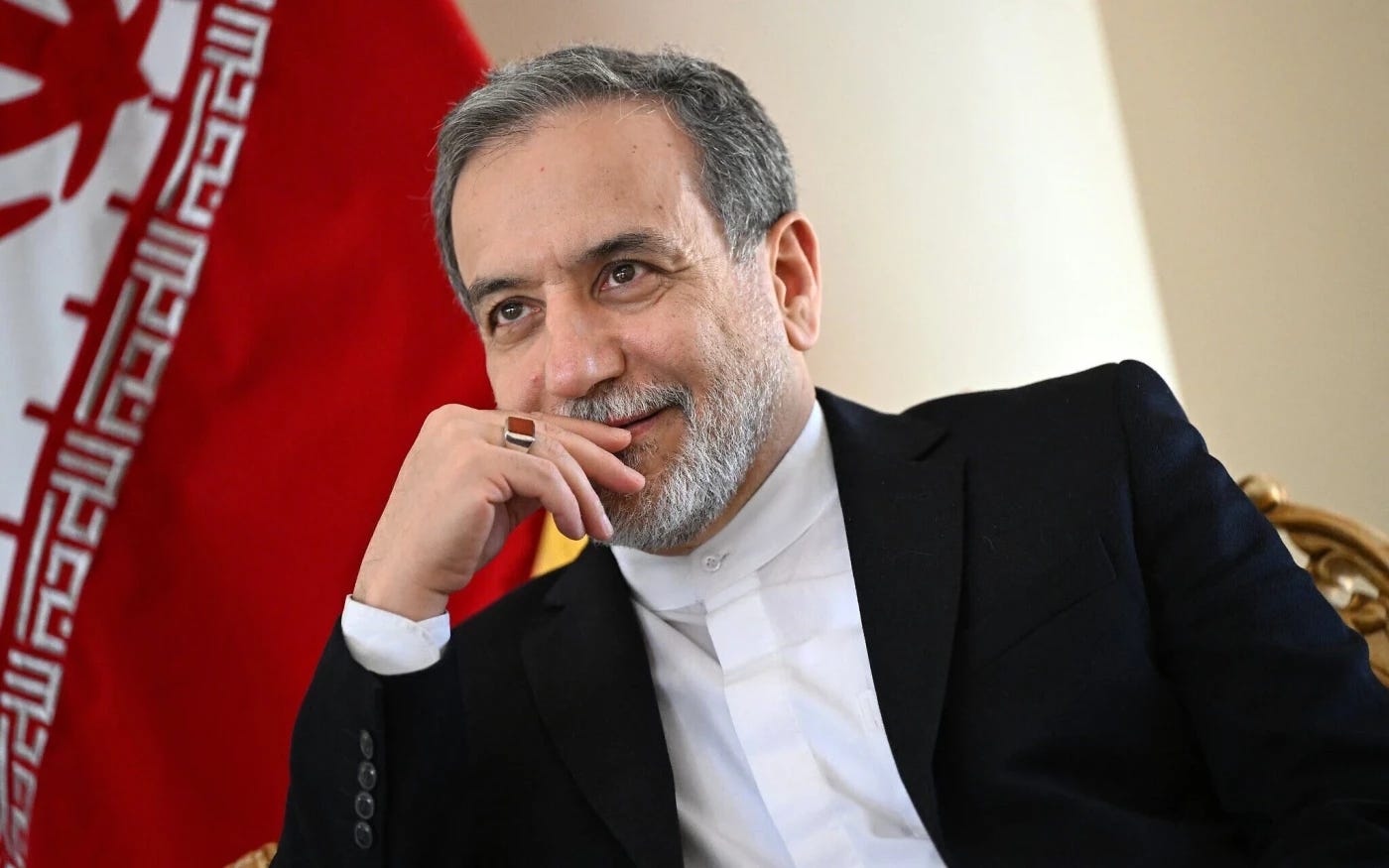
Yet, as the diplomatic clock ticks on the failed Memorandum of Understanding, the patience of the Islamic Republic is not without its limits. With the 60-day deadline expired and the US continuing its naval blockade, the window for peaceful resolution is narrowing with alarming speed. Iran’s legendary Foreign Minister, Abbas Araghchi, issued a stark warning to Washington, stating that within the short period of a few weeks set by Iran, all the agreement's provisions must be implemented by the US. “This is a precondition for further negotiations with the US.” Araghchi insisted.
The message was devoid of ambiguity: “If the US does not meet that deadline and diplomacy fails, Tehran will conduct a timely and precise military attack to break the US naval blockade on the Islamic Republic.” The skepticism regarding American intent is well-founded, born of decades of broken promises and tactical deceptions. As Araghchi bluntly concluded, “It is a proven fact that the US is not serious about a ceasefire and won’t commit to any, so putting pressure on the enemy or relying on mediators in the hope of reaching a permanent ceasefire is not realistic.”
In response to this intransigence, the military doctrine of the Islamic Republic is undergoing a subtle yet profound shift. The era of purely reactive defence is giving way to a posture of proactive deterrence, where the initiative is seized before the enemy can strike. Brigadier General Yadollah Javani, a senior IRGC official, warned that the days of surprising the Islamic Republic are over. “The enemy should know that it cannot catch us off guard,” Javani stated. “Instead, it is the enemy that must anticipate strategic surprises.” This new doctrine dictates that defensive actions will increasingly take on an offensive shape to neutralise threats at their source. “Whatever is necessary to defend this land, ensure security, and neutralise enemy threats will be executed at the appropriate time,” he affirmed, signalling that the IRGC is no longer bound by the constraints of a passive battlefield. Another assertive statement from the IRGC on Monday further warned that Iran “will decisively crush any threat or aggression with the utmost resolve, drawing on a strategy of maximum deterrence and powerful offensive operations.”
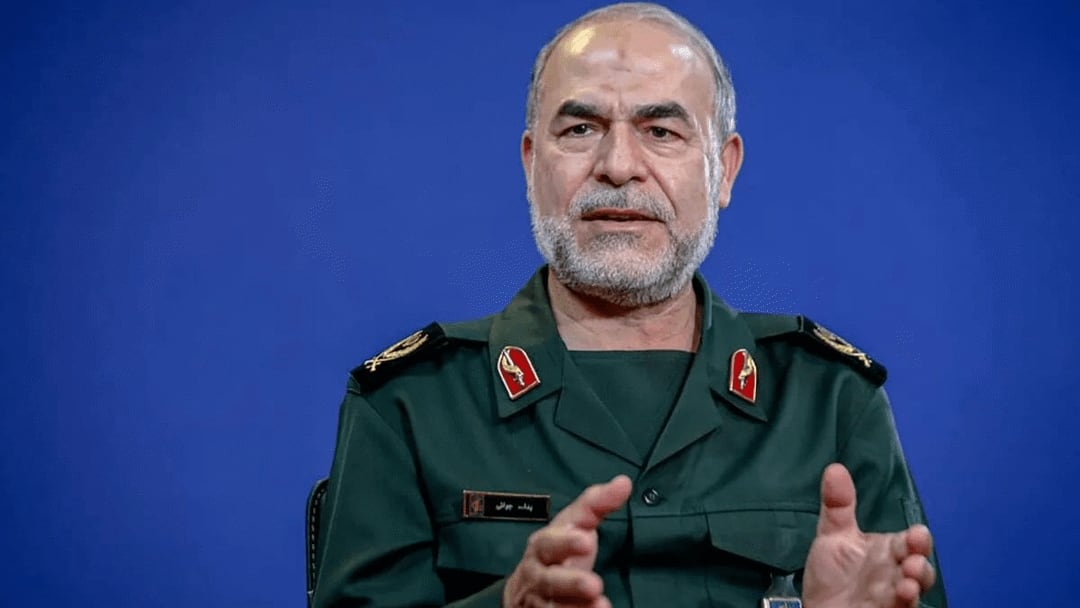
The emptiness of the ‘Israeli’ threat in this new strategic landscape is particularly evident. Despite the bellicose rhetoric emanating from Tel Aviv, the military reality is that the Zionist entity lacks the independent capacity to sustain a conflict with Iran. Brigadier General Yadollah Javani dismissed the notion of an ‘Israeli’-led war as a fantasy, asserting that “The Zionist regime is not capable to enter a war with Iran.” He reminded observers that “Israel’s entry during the 12-day war came only with American backing,” highlighting its status as a proxy force rather than a sovereign military power. Without the umbilical cord of American finance, logistics and intelligence, the ‘Israeli’ war machine is revealed to be a paper tiger, fierce in appearance but fragile in substance.
The convergence of these factors—economic efficiency, strategic leadership, a shift to offensive posturing, and the exposure of enemy weakness—creates a formidable deterrent that Washington and Tel Aviv ignore at their peril. The IRGC has made it clear that it will not be the one to start a war, but having been dragged into one, it will ensure that the conclusion is written on its own terms. The “strategic surprises” promised by Brigadier General Javani are not mere threats; they are the inevitable consequence of an enemy that refuses to read the map of reality. As the US flails in its blockade and ‘Israel’ postures without power, the Islamic Republic stands ready to execute whatever measures are required to secure its sovereignty. The arithmetic of victory has already been tallied, and the sum is not in favour of the aggressor.
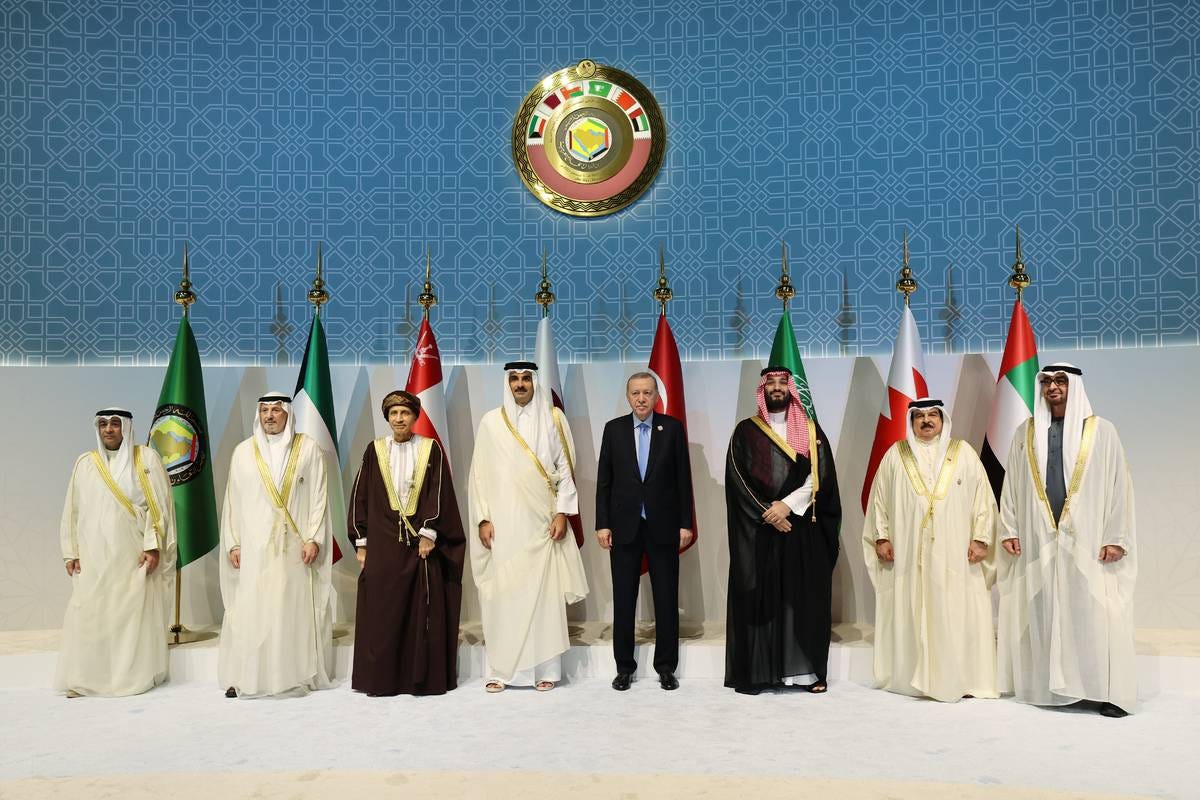
The architecture of American hegemony in West Asia has long relied on a delicate, often coercive, balance of alliances with the Gulf monarchies. It was a pact built on the promise of security in exchange for strategic compliance. Yet, as the American war machine grinds on, devouring resources and generating only instability, the cracks in this foundation are widening into chasms. The Gulf states, once eager hosts to American bases and aircraft carriers, are now voicing a frustration that borders on open rebellion. Reports indicate that Saudi Arabia, the UAE, Qatar, Kuwait, and Bahrain are openly expressing their annoyance with an administration that seems to view their sovereignty as expendable collateral. The sentiment on the ground was distilled into a single, damning indictment by a Gulf official: “Trump started this war, and we’re paying for it.” The utility of hosting US forces is being questioned not in whispers, but in urgent diplomatic cables, as these nations realise they are footing the bill for a gamble they never agreed to play.
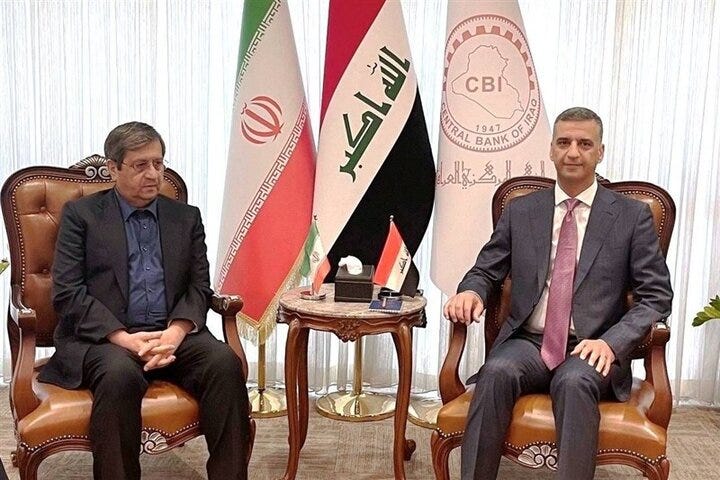
While the American alliance system frays under the weight of its own contradictions, the axis of resistance continues to deepen its strategic integration, turning diplomatic grievances into tangible economic and military realities. In a significant move toward regional self-sufficiency, Iran and Iraq are accelerating efforts to remove barriers to banking relations. High-level meetings between the Central Bank of Iran and Iraqi officials have focused on unlocking frozen funds and simplifying procedures for traders, effectively creating a financial corridor that bypasses the punitive reach of US sanctions. This is not merely bureaucratic adjustment; it is the construction of an economic fortress, brick by brick, designed to withstand the storms of external pressure. The message is clear: the region is learning to trade, bank, and survive on its own terms, rendering the American financial weapon increasingly blunt.
Nowhere is the cost of American strategy more visceral than in the Red Sea, where the Yemeni armed forces have once again demonstrated their capacity to project power with surgical precision. In a bold operation that sent shockwaves through the Saudi-led coalition, Yemeni forces targeted a Saudi amphibious transport ship and several naval vessels. Brigadier General Yahya Saree, spokesperson for the Yemeni armed forces, confirmed the totality of the victory, stating they “successfully achieved their objectives” in the strike.
He described the scene with chilling efficiency: “The strike was precise and direct, resulting in the complete destruction of the Saudi landing ship and the sinking of several vessels. The remaining vessels were also set ablaze.” The attack on the Mocha port and the subsequent escalation serve as a grim reminder that the blockade of Yemen has not broken its will; rather, it has forged a force capable of striking at the heart of its adversaries’ logistics. The Red Sea, far from being a lake of American control, has become a graveyard for the hubris of those who underestimate the Yemeni people.

Yet, if the military failures of the American coalition are stark, the moral bankruptcy of its primary ally, the genocidal Zionist regime, is even more profound. In a display of depravity that strips away the last veneers of civilised discourse, repugnant ‘Israeli’ Minister of Genocide Itamar Ben-Gvir openly advocated for a campaign of industrial-scale murder in Gaza. “I think targeted assassinations should be carried out in Gaza, taking down 30 to 40 every night,” he declared, before descending further into the abyss:
“Not just those who pose an immediate threat — there are people there who are not worthy of life. They shouldn’t live. They’re not even people.”
These are not the words of a statesman, nor even of a soldier; they are the ravings of a demented genocidal maniac who has lost his humanity, speaking from a position of impunity granted by Western silence.
The international community’s response to such atrocities has been tepid, but in Tehran, the reaction was one of forensic determination. Kazem Gharibabadi, Iran’s Deputy Foreign Minister for Legal and International Affairs, recognised these statements not merely as hate speech, but as evidence for a future reckoning. “These admissions must be documented and preserved for the day these criminals are going to be tried,” he wrote in a post on X. It is a promise that the impunity of the powerful is not eternal. Every word, every order, every dehumanising rant is being archived, catalogued, and prepared for the courtroom of history. The day of judgement may be delayed by geopolitics, but it is not cancelled.
The contrast is striking: on one side, a coalition fracturing under the weight of its own failures, led by a minister calling for genocide; on the other, a region forging new economic paths and striking with precision against aggression. The Gulf states are waking up to the reality that their security is not guaranteed by American bases, but threatened by American wars. Yemen stands tall, having turned a blockade into a battlefield of victory. And Iran, alongside its partners, is ensuring that the crimes of the era are not forgotten, but preserved for the inevitable trial. The old order is not just crumbling; it is confessing its own guilt as it falls.
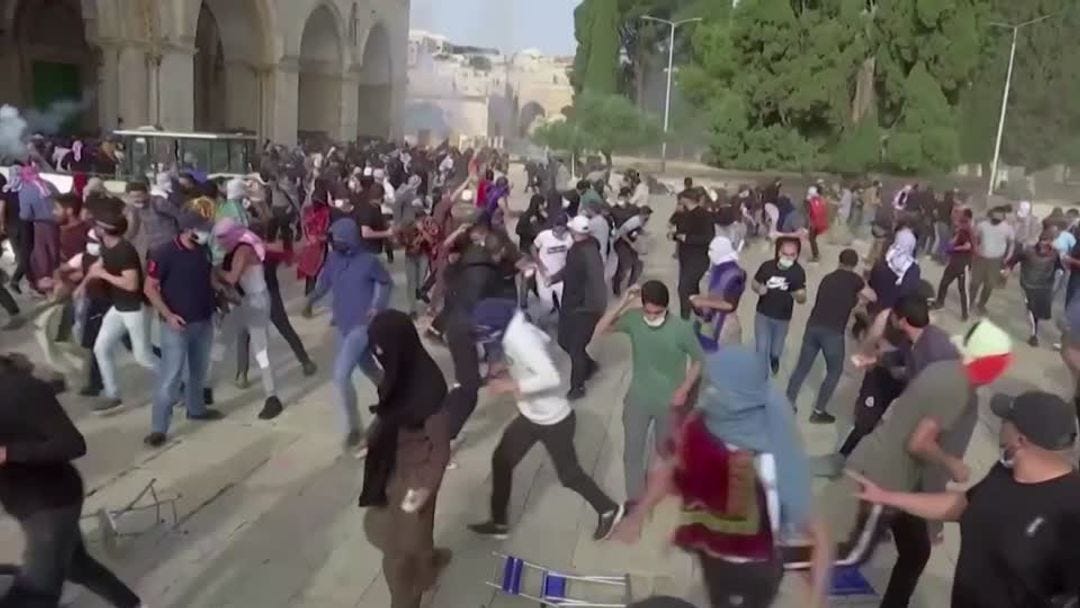
The Zionist project in the occupied territories is not merely a political dispute; it is a systematic campaign of cultural and physical erasure, executed with a precision that belies its chaotic appearance. The latest developments in occupied East Jerusalem and the West Bank illustrate a regime that has abandoned the pretence of legal ambiguity, opting instead for the open dismantling of international norms and the brutal subjugation of a people. From the desecration of holy sites to the targeted mutilation of civilians, the actions of the ‘Israeli’ terrorist regime reveal a state operating outside the bounds of civilised conduct, protected only by the complicit silence of its Western patrons.
In occupied East Jerusalem, the usurping ‘Israeli’ authorities have crossed a final threshold, formally ‘allowing’ Jewish prayer inside Al-Aqsa Mosque, a direct and highly egregious violation of the decades-old status quo. This is not a subtle shift; it is an act of conquest dressed in religious garb. The status quo, dating back to the Ottoman period, strictly permits only Muslim worship at the compound, with non-Muslims allowed to visit but forbidden from praying. By permitting settlers to bring in siddurim (Jewish prayer books) and perform group prayers under police protection, the rogue apartheid ‘Israeli’ regime has effectively declared the site a Jewish possession. As a representative of the Jerusalem Islamic Waqf noted, this desecration forms part of the “systematic dismantling of what remains of the historic status quo,” driven by the ambitions of the truly gruesome Itamar Ben-Gvir and the approval of Prime War Criminal Benjamin Netanyahu. This is not a change in policy; it is a change in reality, imposed by force.
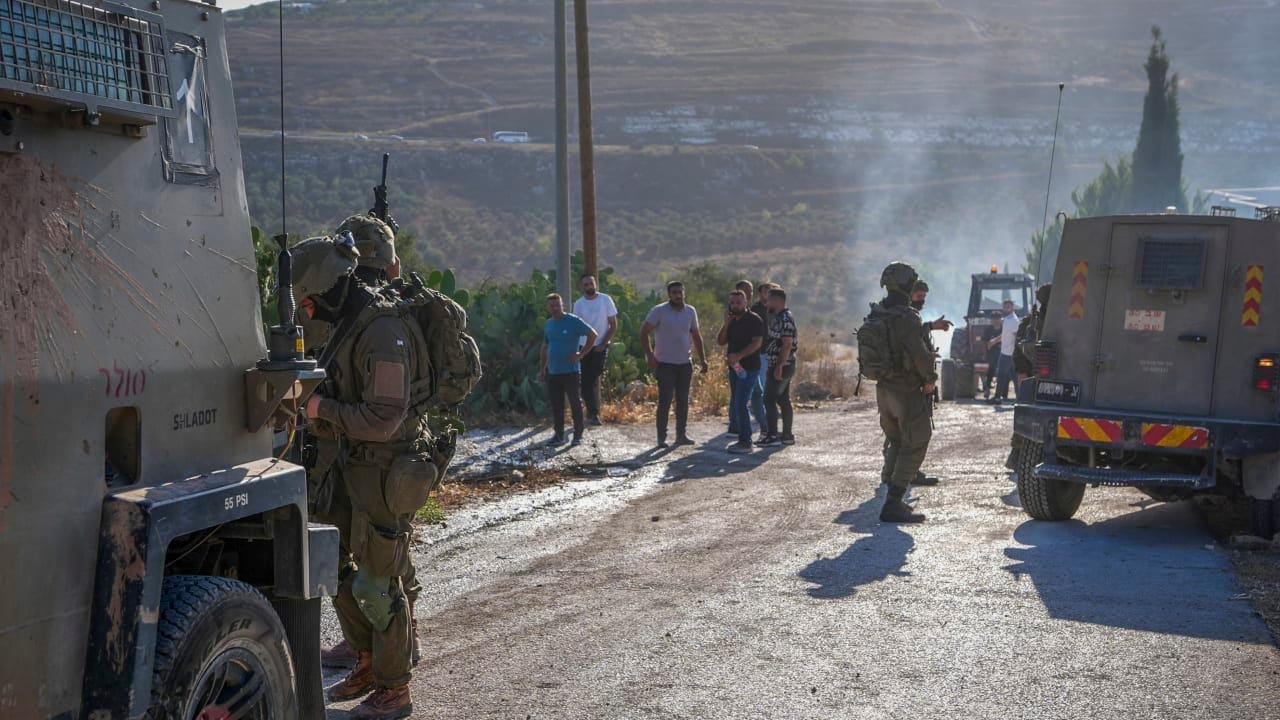
While the religious front is being reshaped by decree, the physical front in the occupied West Bank is being reshaped by lead and fire. ‘Israeli’ terrorists have launched a series of sweeping raids, characterised by the shooting, beating, and forced displacement of Palestinians. In the northern West Bank, troops have stormed homes in Beit Liqya and other villages, damaging contents and arresting residents with a casual brutality that has become routine. The pattern is clear: a military machine designed not to protect, but to punish. The raids are not responses to security threats; they are acts of collective punishment, intended to break the spirit of a population that refuses to flee.
The complicity of the ‘Israeli’ military in settler violence is no longer a secret, but it is a fact that continues to shock the world. In the village of Turmus Ayya, a Palestinian nurse was left paralysed after being shot in the back by masked settlers who were indiscriminately firing live ammunition into crowds. The attackers had climbed onto the hill adjacent to the houses, aiming their weapons at the residents with impunity. As a witness, Khalil, described the scene, “They aimed to kill, and they didn’t care about anything.” He added, “They were firing live ammunition randomly and had climbed onto the hill adjacent to the houses, aiming their weapons at the residents. One of their bullets struck Muhammad in the back. They intended to kill him.” The fact that nearby ‘Israeli’ military patrols did not intervene, allowing the attackers to flee the scene of the crime, underscores the reality that the occupation forces are not neutral observers but active enablers of this terror. This violence is not isolated; it is part of a broader strategy to render the West Bank uninhabitable for Palestinians.
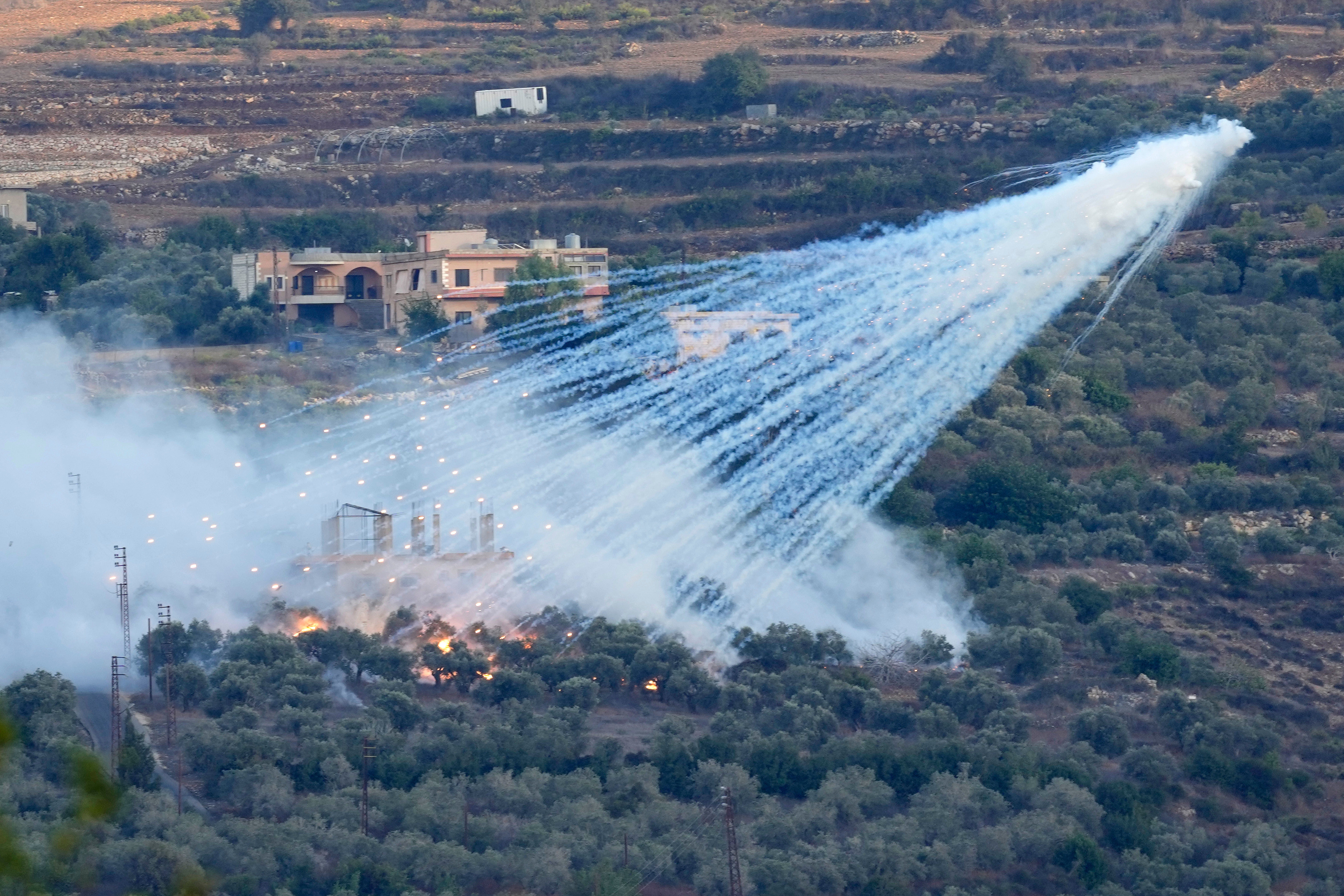
In southern Lebanon, the ‘Israeli’ occupying regime has similarly targeted civilian infrastructure, striking the village of Alma al-Sha’b and other communities with a frequency that looks just like genocide. The justification offered by Tel Aviv—that these strikes target “Hezbollah infrastructure”—is a transparent lie, as evidenced by the high number of civilian casualties, including children. The ‘Israeli’ military’s own statements admit to striking areas where civilians are present, revealing a doctrine that intentionally eliminates innocent human lives as a strategic objective.
The convergence of these actions—the desecration of Al-Aqsa, the mutilation of civilians in the West Bank, and the bombardment of Lebanon—paints a picture of a grotesque regime that has lost all moral compass. It is a ‘state’ that views the international community not as a partner, but as an audience to be ignored. The Western world, which preaches human rights and the rule of law, continues to arm this regime, providing it with the tools to commit its crimes against humanity with ever greater efficiency. The silence is deafening, and its complicity is absolute.
The future of the region hangs in the balance, not because of any external threat, but because of the internal rot of a violently racist ‘state’ that has chosen hatred as its state religion. The people of Palestine and Lebanon continue to resist, not with weapons alone, but with their presence, their dignity, and their refusal to be erased. The Zionist project is a house of cards, built upon lies and stuck together by the blood of the innocent. It may stand for now, but the winds of history are shifting, and the reckoning, as always, is inevitable.
The final ledger of this conflict does not record the victories promised by the architects of war in Washington and Tel Aviv, but rather a stark inventory of strategic insolvency. Six months into a campaign predicated on the assumption of easy dominance, the United States finds itself entangled in a quagmire of its own making, facing a reality that no amount of rhetorical flourish can obscure. The war intended to break the Islamic Republic has instead broken the illusion of American invincibility, revealing a crumbling superpower that is militarily overstretched, diplomatically isolated, and morally bankrupt. The verdict is no longer a matter of speculation; it is a forensic fact. The American project in West Asia has not merely stalled; it has collapsed under the weight of its own contradictions.
The military dimension of this failure is absolute. The Pentagon, once the envy of the world, now faces the ignominy of depleted stockpiles and a strategy devoid of exit ramps. The promise of a swift, decisive victory has evaporated, replaced by the grim reality of a war of attrition that the American public can neither afford nor sustain. The inability to turn overwhelming firepower into a sustainable political outcome has exposed a vulnerability that adversaries from Moscow to Beijing will exploit for a generation.
The Strait of Hormuz, far from being secured by American might, remains under the leverage of Iran, a testament to the limits of naval power against a determined regional actor. The US military is running short on key armaments, forcing commanders to make impossible choices between defending their bases and protecting their allies. The illegal war machine, it seems, has run out of steam, leaving behind a trail of broken promises and shattered credibility.
The diplomatic fallout is equally catastrophic. The alliance system that underpinned American hegemony in the region is fracturing, with Gulf states openly questioning the utility of hosting US forces. The sentiment that “Trump started this war, and we’re paying for it” has moved from private grumbles to public policy, driving a wedge between Washington and its oldest partners. The Gulf monarchies, once reliable proxies for American power, are now pursuing “transactional neutrality,” recognising that their security lies not in blind allegiance to a reckless hegemon, but in diversifying their alliances and engaging with their neighbours. The American umbrella, it turns out, has more holes than Donald Trump’s golf courses, and the rain of Iranian missiles has saturated those who stood beneath it. The US is no longer seen as a guarantor of stability, but as a generator of chaos, an unpredictable instrument of global disorder that allies fear more than adversaries.
Meanwhile, the genocidal Zionist regime, the primary beneficiary of American aggression, has revealed its true face to the world. The desecration of Al-Aqsa, the paralysis of a nurse in the West Bank, and the open calls for genocide by ministers like gruesome Itamar Ben-Gvir have stripped away any remaining pretence of moral superiority. The ravenous “Israel Monster” has long since cast aside its transparent façade of a ‘democracy’ fighting for survival; embracing its true visage as an evil apartheid state drunk on impunity, committing crimes against humanity with the full knowledge that its Western patrons will arm and finance its sickening violence, whilst pretending to look the other way.
The archival of these crimes for future trials is an absolute necessity of justice. The world is watching, and the day of reckoning for these war criminals is not a matter of if, but when. The moral authority of the West, already diminished, has been incinerated in the fires of Gaza and the West Bank.
In stark contrast, the Axis of Resistance stands bloodied but unbroken, a testament to the resilience of a people who have learned to turn vulnerability into strength. Iran, far from being crushed, has emerged stronger, its strategic depth proven, its deterrence restored. The “mosaic” defence strategy of decentralised power has confounded the enemy, turning every setback into a lesson and every loss into a rallying cry. The region is not bowing to American demands; it is reshaping itself in defiance of them. The economic corridors between Iran and Iraq, the precision strikes of the Yemeni armed forces, and the unwavering stance of the Lebanese resistance are not merely acts of survival; they are the building blocks of a new West Asian order, one that does not rely on American approval.
The irony of this entire endeavour is sumptuously stratospheric. The administration that promised “peace through strength” has delivered weakness through war. The leader who vowed to end “forever wars” has ignited one that will define his legacy as a failure of historic proportions. The strategy that was supposed to secure American dominance has accelerated its decline. The world is not safer; it is more dangerous. The US is not respected; it is thoroughly despised. And the people of West Asia, who have borne the brunt of this aggression, are not defeated; they are resurgent, and more determined than ever.
The final blow, however, is not military or diplomatic; it is historical. History will not remember this era as a triumph of American power, but as the moment the empire began to eat itself alive. The hubris of a few men in Washington and Tel Aviv has cost thousands of lives, trillions of dollars, and the very soul of the nations they claim to lead. They sought to impose their will on a region that has resisted empires for millennia, and they have failed dismally. The ledger is closed, the sum is total, and the balance is firmly against them. The only thing left to do is to pay the bloody bill.
Comments
Nothing yet. Say the first thing.
Sign in to join the conversation.