
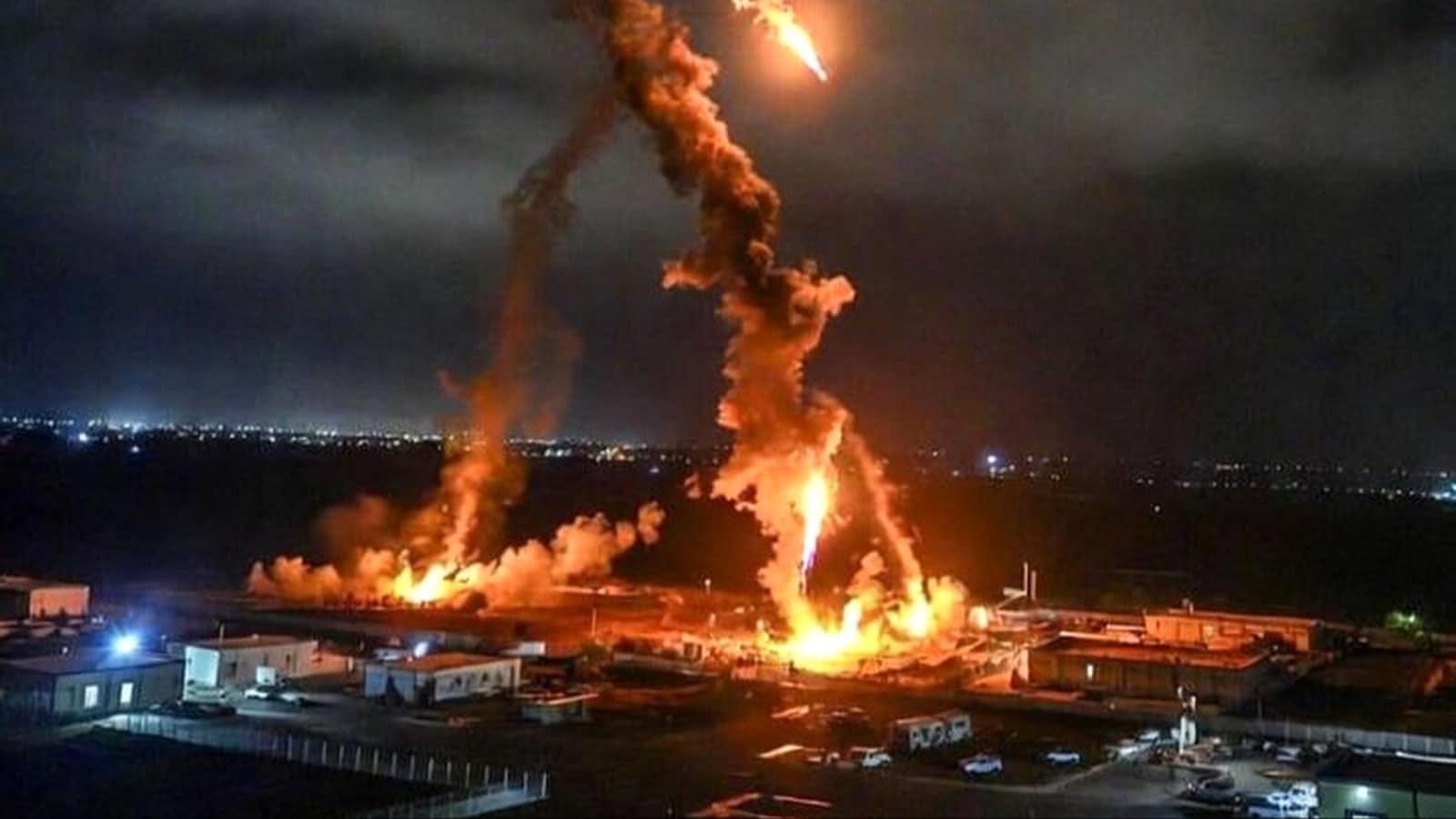
By Jack Rivers
Friday 31st July, 2026
Part of the “Dispatches From Tehran” Series
Special Edition Coverage of the intricate details from the potential “breakthrough” in Gaza.
The geopolitical landscape of West Asia in late July 2026 is not merely volatile; it is a testament to the catastrophic failure of a hegemonic order that has mistaken brutality for strategy. This dossier dissects the crumbling edifice of American influence in the region, tracing the arc from the choked waters of the Strait of Hormuz—rendered impassable by the very “guarantors” of free navigation—to the scorched earth of Gaza, where a potential breakthrough in disarmament negotiations exposes the intransigence of the occupier. Through a forensic analysis of kinetic exchanges in the Gulf, the diplomatic duplicity of European powers, and the fractured sovereignty of Iraq and Lebanon, we reveal a region in the throes of a profound recalibration. Here, the resistance has not only survived but adapted, turning the empire’s own aggression against it, while the architects of chaos find themselves trapped in a quagmire of their own creation. What follows is not a summary of events, but an unsparing analytical critique of a disastrous strategic collapse.
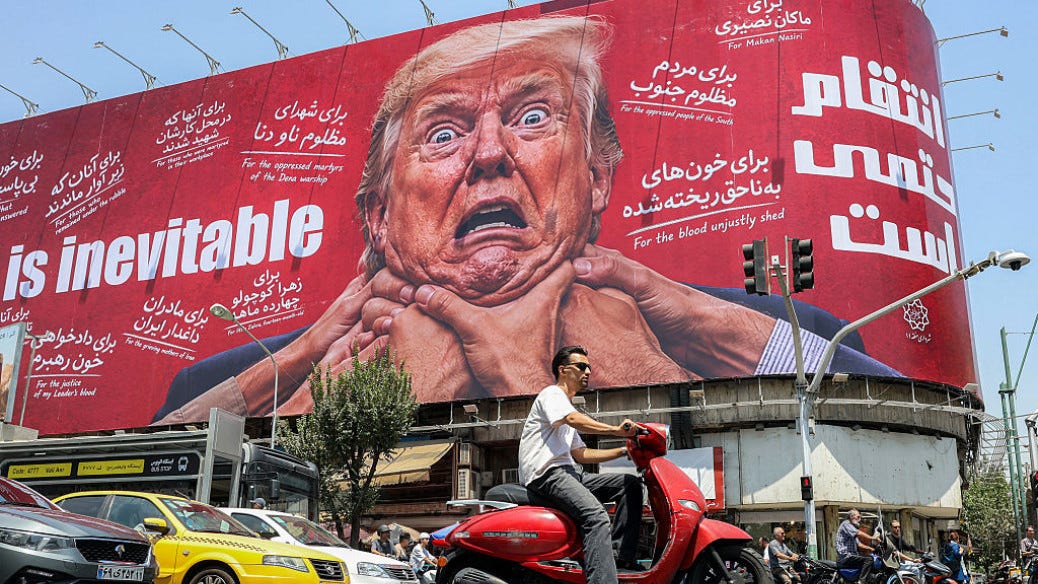
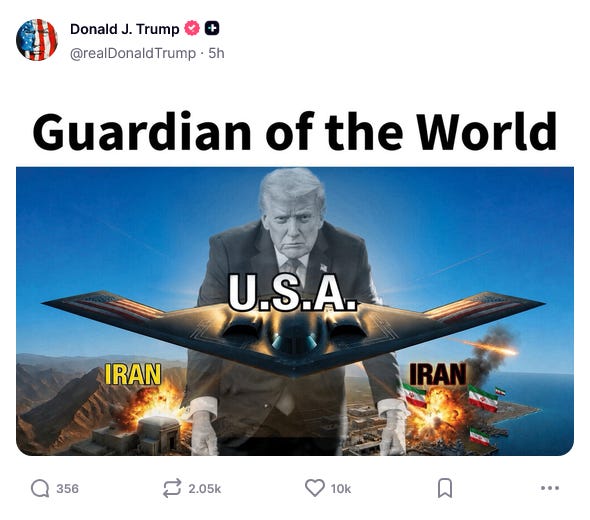
The Strait of Hormuz, that narrow arterial vein through which the lifeblood of the global economy has pulsed for decades, has effectively been severed. It is no longer a maritime corridor; it is a nautical kill zone; rendered impassable by the blunt, uncalibrated instrument of American military misadventurism. As of late July 2026, the narrative peddled in Western capitals—that the United States is the “guarantor of free navigation” (and the “Guardian of the World”—no less!)—has collapsed under the weight of its own contradictions, exposed by the stark reality on the water. The Islamic Revolutionary Guard Corps (IRGC) has not merely tightened its grip; it has slammed the door shut, declaring passage through the Strait “impossible” following a series of brazen US aggressions that have shattered the fragile norms of maritime engagement.
The catalyst for this total closure was not an unprovoked Iranian blockade, as the hurried, gaslighting press releases from Washington would have one believe, but the inevitable consequence of US Intelligence coercing commercial tankers to violate the MoU and provoke a response. The IRGC has confirmed that it struck multiple oil tankers transiting the Strait—vessels that were not combatants, but neutral arteries of global trade, coerced into bait for the latest American terrorist fishing expedition.
The Strait Authority, often dismissed by Western analysts as a bureaucratic footnote, has issued a definitive assessment: navigation is untenable for vessels attempting to bypass Iranian sovereign protocols. This is not hyperbole; it is a forensic conclusion drawn from the wreckage of a strategy designed to provoke. When US Intelligence forces commercial tankers into violating the very MoU that guarantees their safe passage, goading Tehran into a lawful response, the resulting chaos is not an accident; it is the calculated harvest of a policy devoid of moral or strategic compass. The strikes on these non-compliant vessels were not acts of aggression, but the inevitable enforcement of a red line that Washington dared its own merchants to cross.
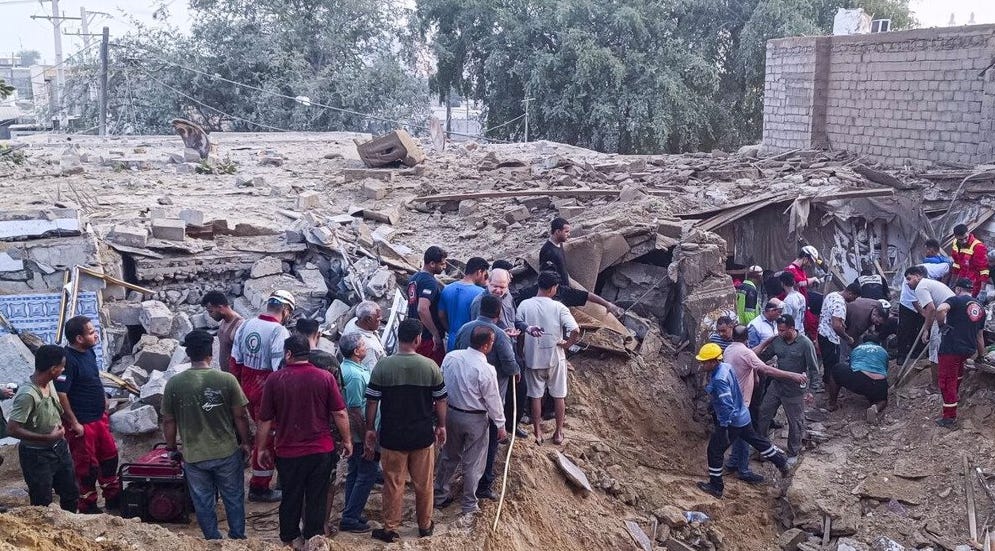
Yet, this manufactured assault on commerce is merely the prelude to a far graver crime, one that strips away the last vestiges of American claims to moral superiority. In an operation reminiscent of the darkest days of “Daesh” (ISIS), US forces launched a strike on a residential home in Qeshm, a tranquil island community in the Strait. The target was not a military installation, not a command centre, but a family dwelling. The resulting carnage, as detailed by Iranian officials, bears the hallmarks of the same indiscriminate brutality that once terrorised the Levant under the black banner of the Caliphate.
The comparison is not rhetorical flourish; it is a chilling observation of tactical convergence. When a broken superpower reduces its warfare to the level of sectarian militias, targeting civilians in their homes under the cover of night, it signals a profound degeneration of military doctrine. The US military, once a machine of precise, albeit controversial, application of force, has devolved into an entity that punishes populations rather than killing combatants.
The Iranian response to this atrocity was immediate and steeped in a righteous fury that resonates far beyond the Persian Gulf. The strike on Qeshm was not merely an attack on Iranian soil; it was an assault on the very concept of civilian immunity in wartime. By targeting a family home, the US command has effectively declared that no space is sacred, no non-combatant safe from the reach of its drones and missiles. This tactic, far from cowing the Iranian populace, has served to harden the national resolve, transforming grief into a unified demand for retribution. The IRGC’s subsequent actions—halting tankers, turning back vessels, and effectively locking down the Strait—are not acts of economic warfare in the traditional sense; they are the logical, defensive countermeasures of a nation under siege by a rogue actor. The West may cry foul over the disruption of oil flows, but it is the US that lit that fuse. You cannot bomb a family in their bed and then express surprise when the gates of the marketplace are barred, and your bases are getting smashed to pieces.
The irony of the situation is almost tangible, a bitter pill for the architects of US policy in the region to swallow. For decades, the United States justified its massive military footprint in the Gulf as a necessary bulwark against instability, a shield for the global economy. Now, that very footprint has become the source of the instability it promised to quell. The “freedom of navigation” operations have culminated in the total negation of freedom of navigation. The protection of allies has resulted in the alienation of the entire region, as Gulf states watch with growing horror as their waters become a shooting gallery, and their bases get battered by the iron rain of Iranian ballistic bombardment. The Saudi and Emirati leadership, once eager hosts to US bases, now find themselves trapped in a quagmire of their own making, their economies held hostage by the very power they invited in.
The specific details emerging from the IRGC regarding the struck tankers reveal a pattern of aggressive US behaviour that is as reckless as it is unlawful. These complicit vessels were not intercepted for inspection; they were engaged with lethal force. The message from Tehran is clear: the rules of engagement have been rewritten by Washington, and the region is merely adapting to this new, barbaric reality.
The Strait Authority declaration that passage is impossible is a diplomatic euphemism for a military fact: the waterway is closed because the US has made it a death trap; turning commercial tankers into sitting ducks by forcing them to violate the MoU. Any vessel attempting to transit now does so at the mercy of a strategy that sacrifices merchants for geopolitical leverage, daring the IRGC to respond. In this context, the IRGC’s intervention to strike and turn back ships is not an “act of aggression,” but of maritime safety. A grim necessity to enforce the designated routes and protect passing vessels from entering into dangerous minefields, preventing further bloodshed caused by coercive American provocations.
The Qeshm strike, with its echoes of ISIS atrocities, stands as a monument to the moral bankruptcy of the current US administration. It is a reminder that when a military machine is unleashed—without clear strategic objectives or ethical constraints, it inevitably turns on the innocent. The families of Qeshm, now mourning their dead, are the latest victims of a US foreign policy that has long since lost its way. And as the oil tankers sit idle in the ports, and the Strait remains a no-go zone, the world watches the empire flail, its power projecting not strength, but a dizzying, self-destructive chaos. The choke point holds its breath, not because of Iranian malice, but because American aggression has choked the life out of the very international order it claimed to defend.
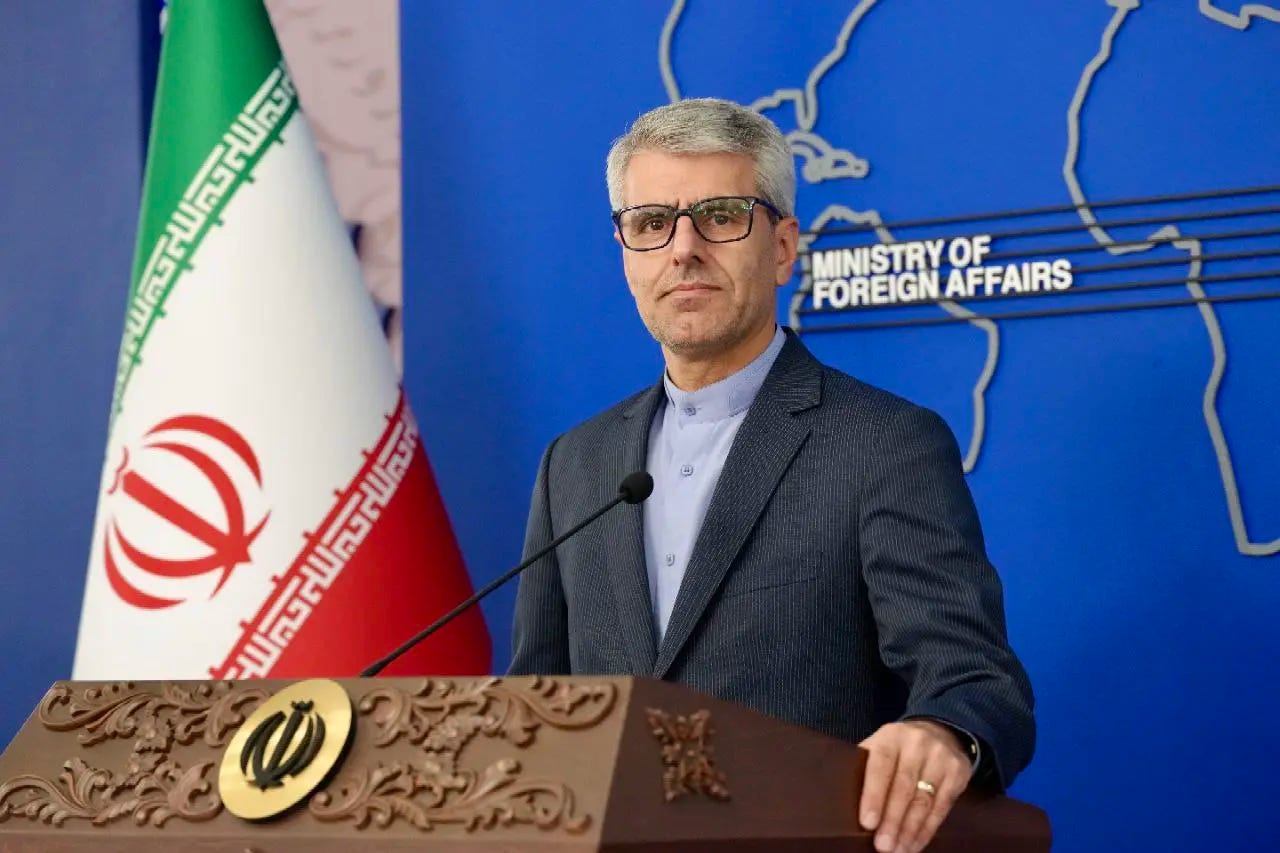
The diplomatic theatre, often a stage for obfuscation and half-truths, has been stripped bare by the sheer audacity of American aggression, revealing a Tehran that has long since exhausted the currency of compromise. The notion that Iran might acquiesce to a “US-style ceasefire”—a euphemism for unilateral surrender disguised as peace—has been dismissed with the contempt it deserves. The Islamic Republic’s position is crystalline: it will never accept a dictated pause that leaves the architecture of aggression intact. As articulated by senior officials, the rejection of such proposals is not an act of intransigence but a defence of sovereignty against a corrupt power that views treaties as mere speed bumps on the highway to hegemony. The very idea that Washington, having shattered the interim MoU with its own bombardments, could now pose as the architect or enforcer of peace is a testament to the boundless narcissism of its chaotic foreign policy establishment.
This defiance is anchored in a moral clarity that the West finds increasingly uncomfortable. The strike on the residential home in Qeshm, which obliterated a family in their sleep, has become the focal point of this righteous indignation. Eloquent Foreign Ministry spokesperson Esmaeil Baqaei did not mince words, drawing a parallel that cuts to the bone of modern military ethics: the attack was “remniscent of the terrorist acts committed by Daesh.” This was not rhetorical wordplay; it was a forensic indictment.
When a so-called superpower’s tactics mirror those of the collective West’s most reviled sectarian killers of the twenty-first century, the distinction between “liberator” and “terrorist” dissolves into the smoke of burning rubble. The victims—Qeysar Jafari, his wife Zahra, and their two-year-old son Sina—are not mere statistics in a Pentagon briefing; they are the human face of a strategy that has lost its soul. Baqaei’s assertion that such crimes “pain the heart of any person of conscience” serves as a stark reminder that the world is watching, and the moral ledger is being kept.
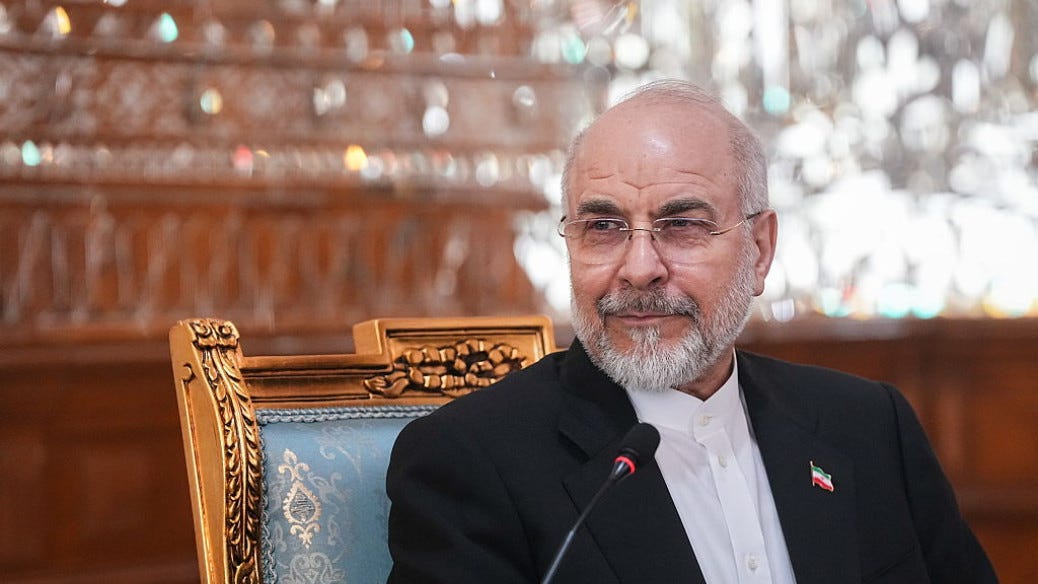
The legislative branch of the Iranian government has echoed this sentiment with a promise of inevitable reckoning. Powerful Parliament Speaker Mohammad Bagher Qalibaf, a figure whose words carry the weight of decades of resistance, warned that the United States “will pay the price” for its escalating atrocities. His assessment of American strategy is scathing in its accuracy: Washington has become accustomed to compensating for its battlefield humiliations by spilling the blood of innocents. It is the tactic of a bully who, unable to best his opponent in a fair fight, turns on the weaker bystanders. Qalibaf’s declaration that “the United States stains its hands with a new crime every day” is not hyperbole; it is a chronicle of recent history, from Minab to Lamerd, and now Qeshm. The price he speaks of is not merely military; it is the erosion of whatever legitimacy the US claimed to possess in the region. Every civilian killed is a nail in the coffin of American credibility, and that coffin, as we shall see, is becoming a familiar sight.
Indeed, the human cost of this adventure is mounting in ways that the Pentagon’s sanitized press releases can no longer conceal. The latest reports indicate that the number of US service members wounded in the conflict has risen to 653, a figure that climbs with grim regularity. This is not a “low-intensity conflict”; it is a grinding war of attrition, that is chewing through American manpower and morale. The euphemisms of “overseas operations” and “quiet database updates” cannot mask the reality of bodies returning home in droves. The sheer volume of casualties suggests a military machine that is overextended, vulnerable, and increasingly desperate. The Iranian strategy of asymmetric retaliation—striking radar installations, drone hangars, and troop concentrations with surgical precision—is bleeding the US dry, one casualty at a time
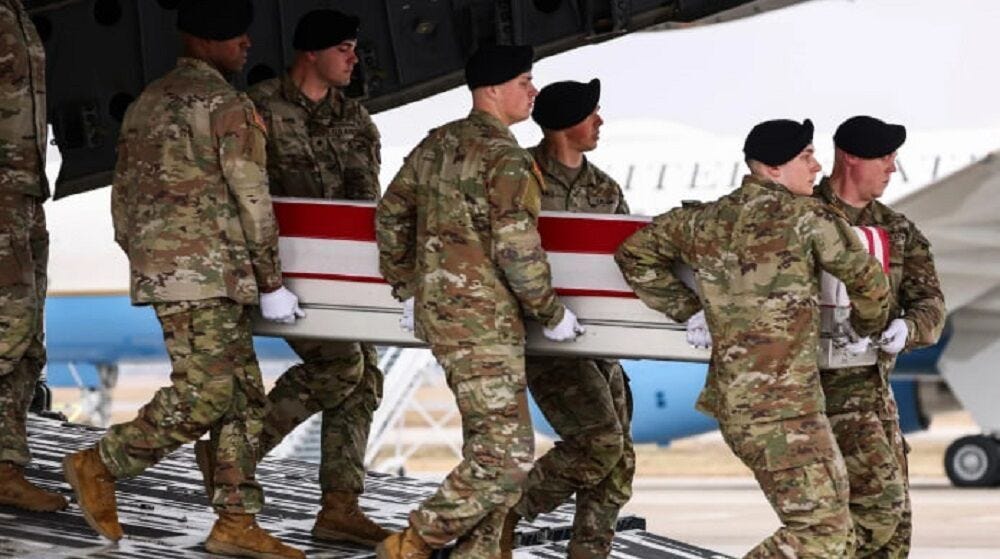
It is in this context that the words of Major General Ali Abdollahi, commander of the Khatam al-Anbiya Central Headquarters, resonate with a chilling, sardonic truth. He declared that the Americans and their mercenaries have finally realized, “deep in their souls,” that coffins have become an integral part of their military equipment in the region. This is not a threat; it is an observation of logistical reality. The supply lines of the US military in West Asia now include a steady stream of wooden boxes, a grim testament to the failure of their strategic calculus. Abdollahi’s invocation of the martyred Leader’s pronouncement—that the era of hit-and-run aggression is over—serves as a tombstone for the doctrine of impunity. The US can no longer strike at will and retreat to its bases without consequence; the resistance has ensured that every action incurs a debt, and that debt is paid in blood.
The international community’s response, or lack thereof, has only deepened the sense of isolation surrounding Washington. Iran’s criticism of gutless UN Secretary-General Antonio Guterres for his “shying away” from condemning the backers of genocide and aggression is a pointed rebuke of an institution that has become paralysed by its own biases. By failing to explicitly name the US and ‘Israel’ as the primary culprits of the regional instability it “deplores,” the UN risks irrelevance, sharing the fate of the League of Nations before it. Guterres’s pathetic generic platitudes about “international law” ring hollow when the primary violators sit permanently on the Security Council. Esmaeil Baqaei’s demand that the UN chief “call a spade a spade” is a call for moral courage that has been conspicuously absent in New York.
As the coffins pile up and the diplomatic avenues close, the US finds itself sinking in a swamp they drained themselves into. The “price” Qalibaf spoke of is being exacted daily, not just in wounded soldiers, but in the total collapse of American standing in West Asia. The region sees a callous power that kills children in their beds and then wonders why it is universally hated; a posturing power that demands ceasefires it has no intention of honouring; a soulless power that sends coffins as standard issue for its soldiers. The irony is lacerating: in its quest to dominate the region, the US has succeeded only in demonstrating its own mortality. The ledger of blood is being balanced, and the United States is finding itself deeply in the red.
The era of impunity, wherein American bases in West Asia served as untouchable fortresses from which to project power without consequence, has concluded with abrupt and violent finality. The Islamic Revolutionary Guard Corps (IRGC) has issued a stark ultimatum to the region’s monarchies and republics alike: any state facilitating US aggression now stands as a legitimate military target. The warning is devoid of diplomatic ambiguity. “Countries involved in aiding the aggressor will receive a harsh response if they do not correct their behaviour,” the IRGC declared, asserting total dominion over the Strait of Hormuz as “our land, where no stranger from thousands of kilometres away possesses the right to interfere.” This is not merely a defensive posture; it is a reclamation of sovereignty that renders the US military footprint a liability rather than an asset for its hosts. The message to Kuwait, Bahrain, and the Gulf states is clear: your soil is no longer a safe haven for American aggression; it is a launchpad for your own destruction.
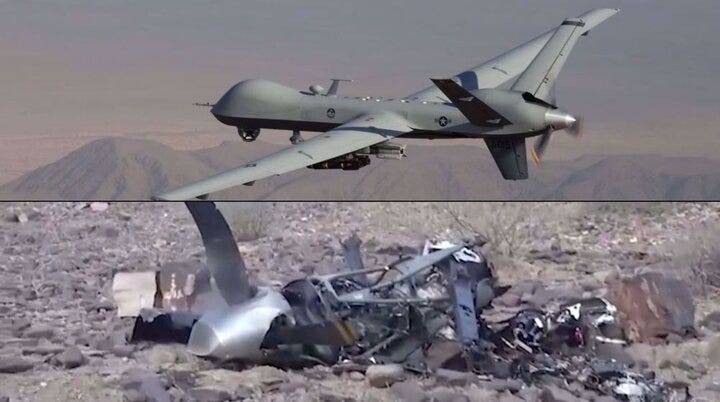
The kinetic reality of this shift was demonstrated with surgical precision in the skies over southern Iran. In yet another testament to the obsolescence of American air superiority, the IRGC downed a hostile US drone, adding to the growing graveyard of Washington’s unmanned assets. The incident, occurring over the southern coastal regions, underscored the efficacy of Iran’s integrated air defence network, which continues to swat aside American surveillance and combat drones with increasing frequency. Each downed aircraft is not just a material loss but a psychological blow, signalling to US pilots and planners that the airspace is denied, the sensors are blind, and the sanctuary of the sky has been revoked. The dismissive narrative from Washington rings hollow against the visual evidence of burning wreckage scattered across the Iranian landscape, a grim testament to the failure of US technology against determined, indigenous defence systems.
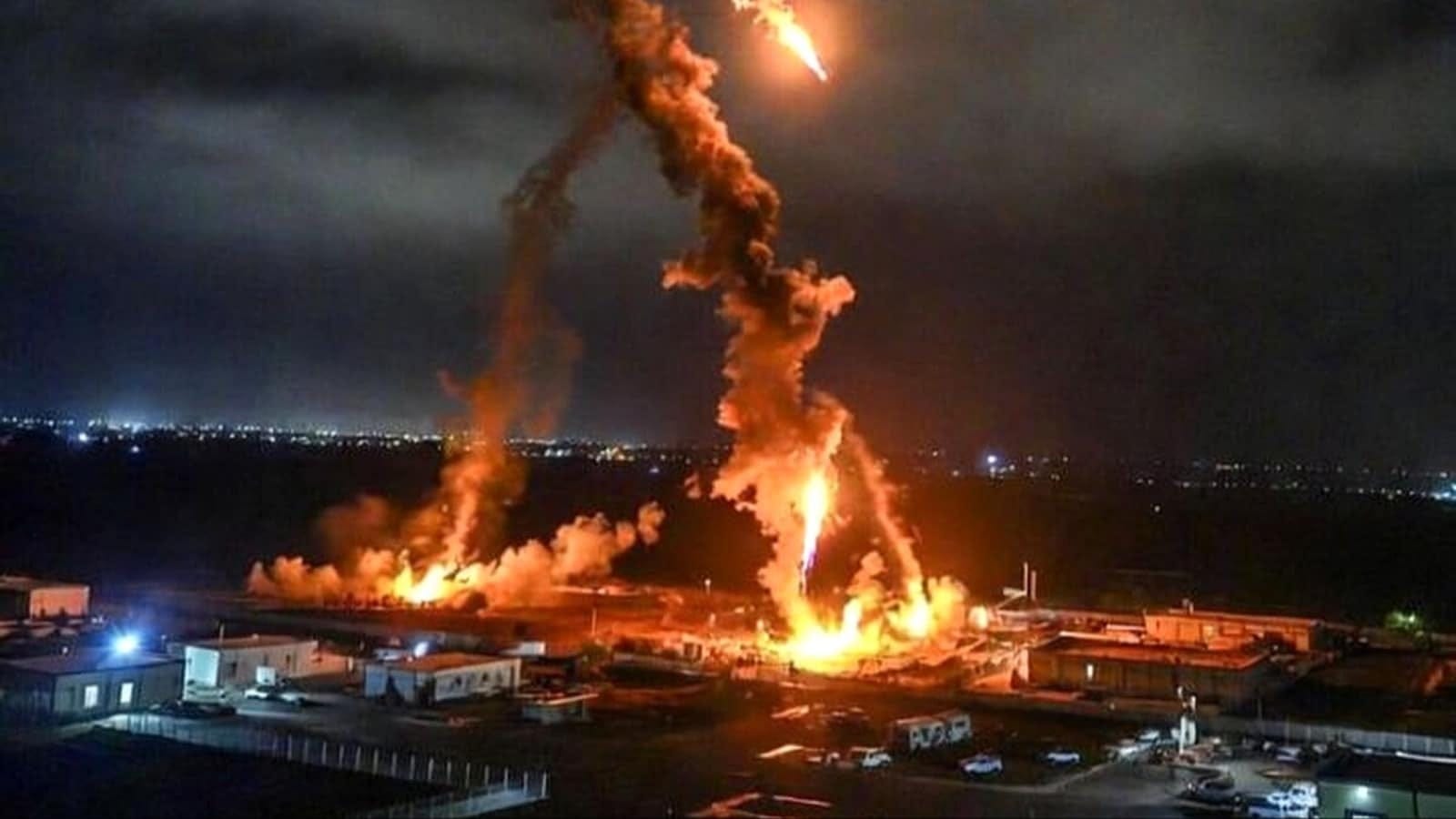
The retaliation, however, has not been confined to Iranian borders. The Iranian Army and the IRGC have taken the fight directly to the source of the aggression, striking deep into the heart of US forward operating targets. At the Ali Al-Salem Air Base in Kuwait, a key hub for American air operations, Iranian forces executed a devastating strike that obliterated two drone hangars and a critical fuel depot designated for military aircraft and helicopters. The destruction was total, leaving behind a scorched testament to the vulnerability of US assets. This was not a warning shot; it was a dismantling of capability. The IRGC’s message to the people of Kuwait was equally pointed: these strikes will persist until the “occupying and looting forces” are completely expelled. The presence of US troops is no longer a guarantee of security for the Kuwaiti state; it is a magnet for devastation.
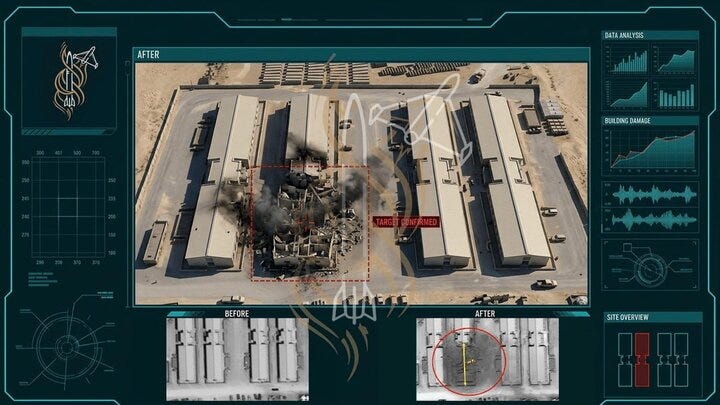
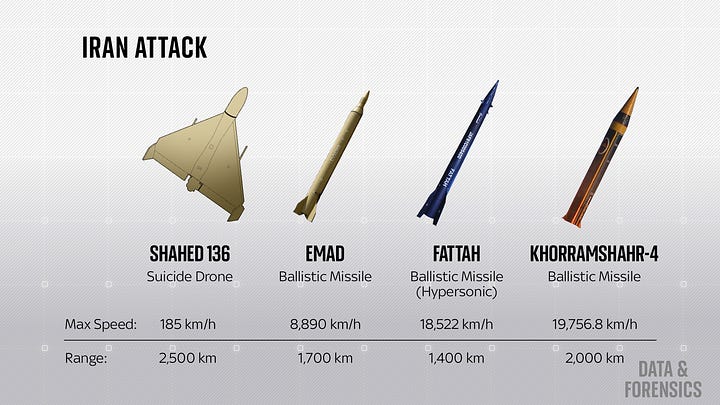
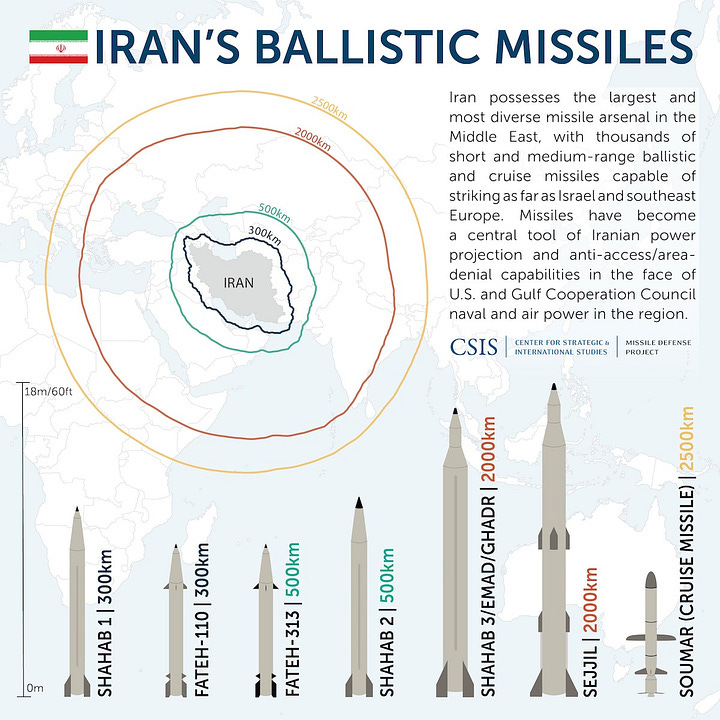
Simultaneously, the Iranian Army launched the 26th phase of “Operation Thunder,” targeting the Sheikh Isa Air Base in Bahrain, the battered nerve centre of the US Fifth Fleet. In a display of relentless pressure, Iranian Shahed 136 one-way kamikaze drones penetrated the base’s defences to hit power generators, navigation systems, and administrative support buildings. The strike was explicitly framed as retribution for the martyrdom of Brigadier General Majid Kazemi, a Su-24 pilot killed in earlier hostilities, illustrating a doctrine of specific, tit-for-tat accountability that holds American commanders personally responsible for the blood of their Iranian counterparts. The damage inflicted on Bahrain’s infrastructure serves as a potent reminder that the US naval dominance in the Gulf is contingent on facilities that are now well within the crosshairs of Iranian asymmetric warfare. The Fifth Fleet, once the unchallenged arbiter of Gulf security, now operates from a base that has been rendered an Iranian target range.
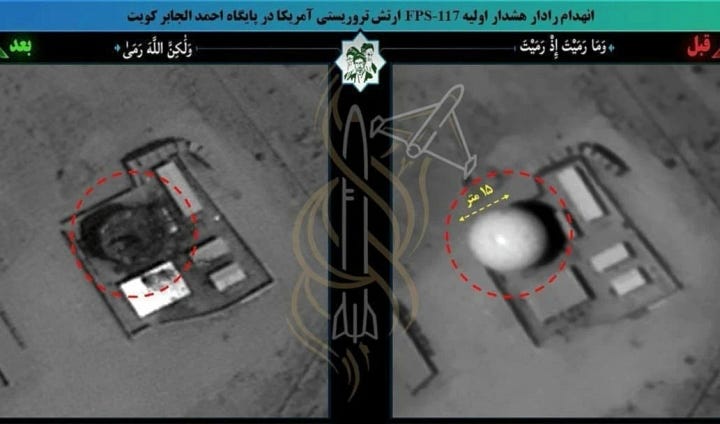
The scope of the damage was further corroborated by satellite imagery, which peeled back the veil of Pentagon deceit to reveal fresh scars on the US military presence in Kuwait. Analysis of imagery from the Ahmad al-Jaber Air Base confirmed direct hits on fighter jet shelters, satellite communications systems, and equipment storage facilities. The visual evidence naturally contradicted the usual American “denials,” showing blackened earth and destroyed structures that spoke of another successful penetration of US air defences. The 27th phase of operations, carried out with loitering munitions, demonstrated a capacity for sustained, high-precision strikes that degrade US logistical and command capabilities over time. The “fresh damage” noted by independent analysts is a euphemism for the systematic erosion of American military power in the region. Every shelter destroyed, every generator hit, and every communication node silenced reduces the US ability to project force, turning its massive bases into burnt out husks of their former selves.
Underpinning these kinetic successes is a grim statistical reality that the US Department of Defence struggles to conceal: the human cost of this illegal war of choice is spiralling out of control. Reports indicate that the number of US service members wounded in the war has surged to 653, a figure that climbs with each retaliatory cycle. This is not a series of isolated incidents but a trend of attrition that is grinding down American morale and manpower. The reasons for this increase are multifaceted: the sheer volume of Iranian drone and missile salvos overwhelms even the most advanced defence systems; the precision of Iranian intelligence allows for strikes on barracks and personnel clusters; and the psychological toll of fighting an enemy that can strike anywhere, at any time, has led to errors and vulnerabilities within the US ranks. The “low-intensity conflict” narrative has been shattered by the high-intensity reality of American bodies being evacuated from the region in increasing numbers.
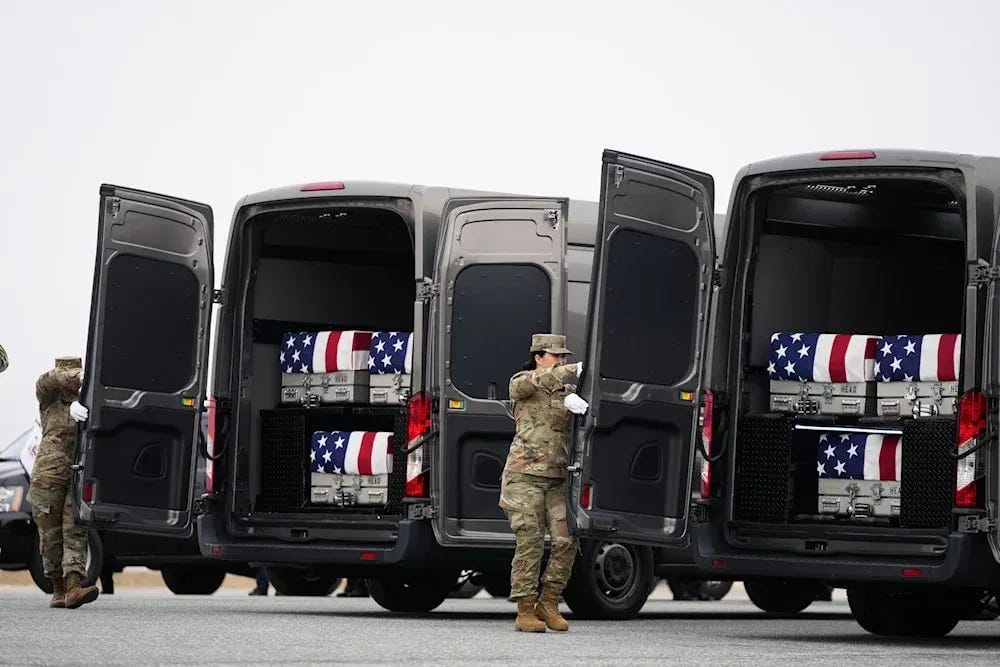
The strategic implication is profound. The US military, accustomed to operating with near-total freedom in West Asia, finds itself trapped in a warmongering web of its own weaving. Its bases, once symbols of dominance, are now easy targets that bleed its personnel and drain its resources. The “harsh response” promised by the IRGC is not a future threat; it is a present tense reality, delivered with cold precision by drones and ballistic missiles that respect no border and recognise no sanctuary. As the hangars burn in Kuwait and the generators fail in Bahrain, the message to Washington is unequivocal: the cost of aggression is being tallied in blood and steel, and the bill is coming due. The American empire in the Middle East is not collapsing with a bang, but with the steady, relentless drip of casualties and the silent, smouldering ruin of its forward bases.
While the kinetic theatre of war plays out with brutal clarity in the Strait and the skies over the Gulf, the diplomatic arena has devolved into a farce of shadow plays and manufactured pretexts. The recent interactions between Tehran and London, alongside the exposed machinations of Rome and the suspicious explosions in Damietta, reveal a Western diplomatic corps desperate to manufacture legitimacy and support for an illegitimate war. The United Kingdom, having withdrawn its diplomatic staff from Tehran in a fit of pique, now engages in back-channel talks that reek of hypocrisy. British officials, having triggered the snapback mechanism and aligned themselves unequivocally with the American “Maximum Pressure” campaign, feign surprise when the region erupts. Their calls for “de-escalation” are nothing more than a demand for Iranian unilateral disarmament in the face of ongoing aggression. The UK’s position—condemning Iranian retaliation while ignoring the primal scream of American provocation—is a masterclass in cognitive dissonance. They seek to manage the fallout of a fire they themselves ignited, all while maintaining the pose of the pondering neutral arbiter.
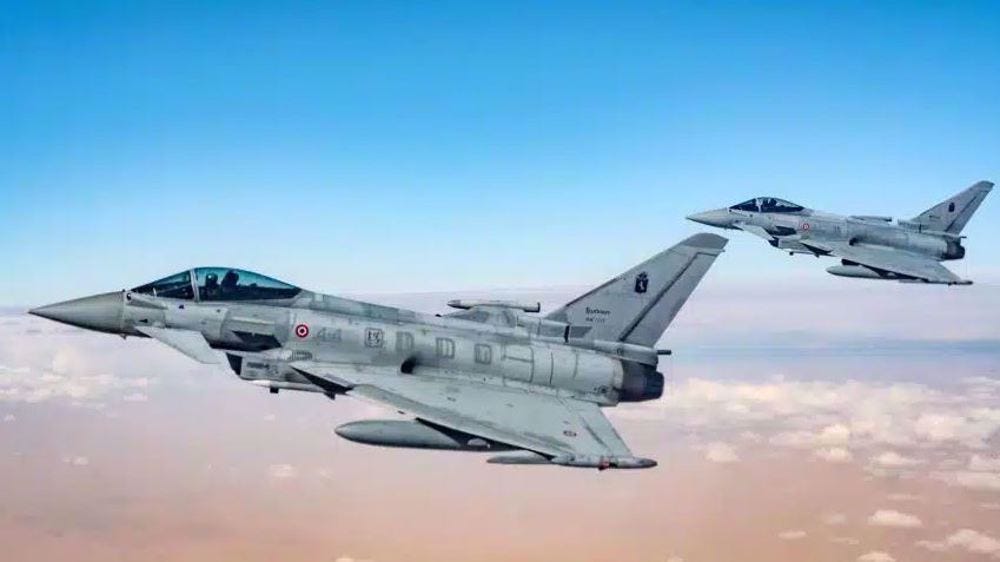
Nowhere is this European complicity more naked than in the case of Italy. The Meloni government, eager to curry favour with Washington after previous hesitations, has quietly deployed significant military assets to the Gulf, a move that has sparked a constitutional crisis in Rome. Italian lawmakers have exposed the deployment of Eurofighter jets, radars, and counter-drone systems to Saudi Arabia, Kuwait, and Bahrain, operations conducted without parliamentary approval. Defence Minister Guido Crosetto’s claims of “transparency” are a thin veneer over a blatant bypassing of democratic oversight. Some 400 to 700 Italian personnel are now embedded in the very bases that Iran has identified as legitimate targets, turning Rome into a co-belligerent in all but name.
This deployment is not about defence; it is about political subservience to the American terrorist war machine. By stationing its assets in the line of fire, Italy has voluntarily placed its soldiers in the crosshairs of a conflict it claims no ownership of, a sacrifice on the altar of Atlanticist loyalty that its own parliament never authorised. The irony is rich: a European nation, historically wary of entanglement in Middle Eastern quagmires, now finds its balls deep, its jets patrolling the skies for CENTCOM, hoping to avoid the fate of the American drones they are tasked to protect.
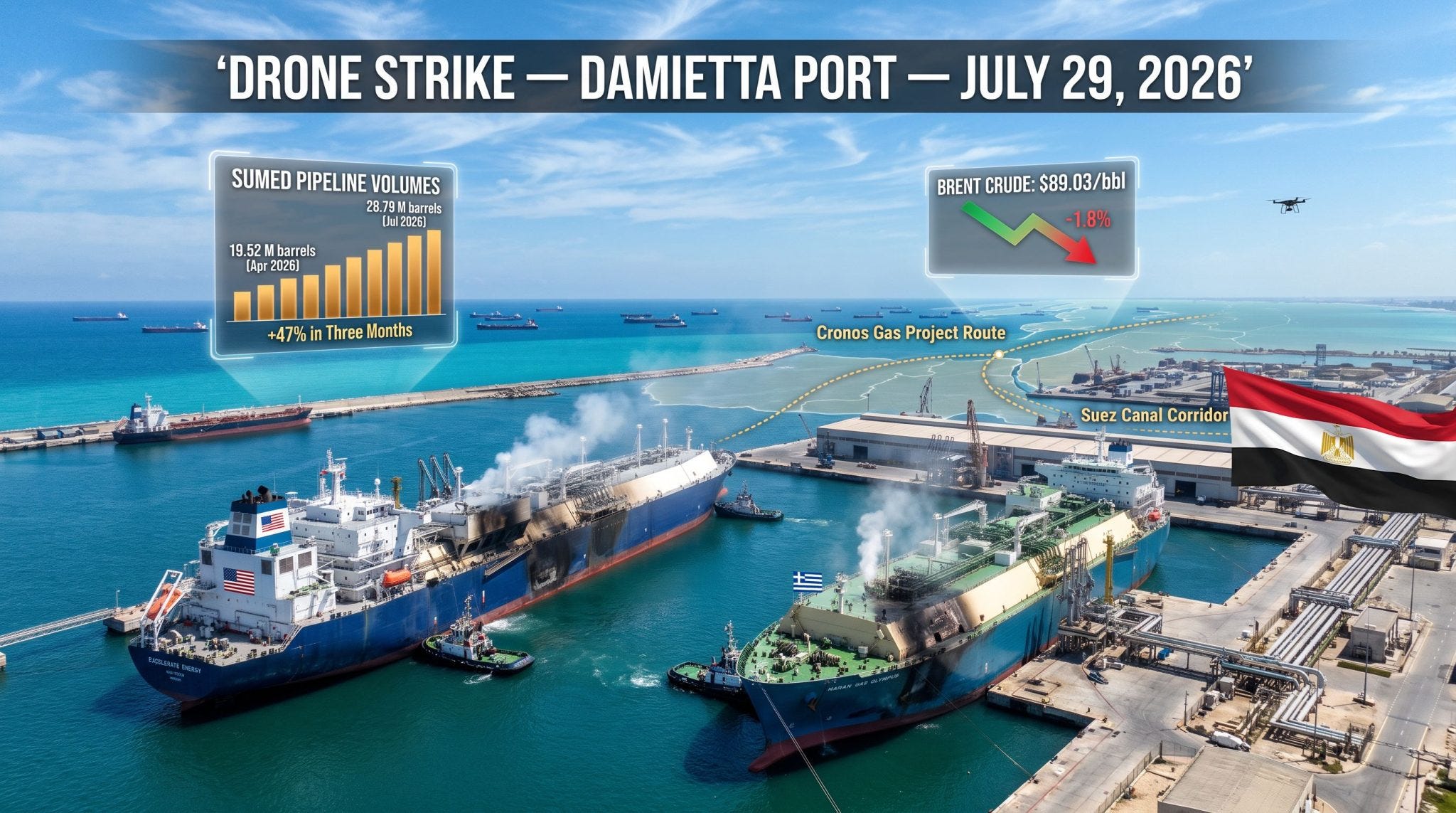
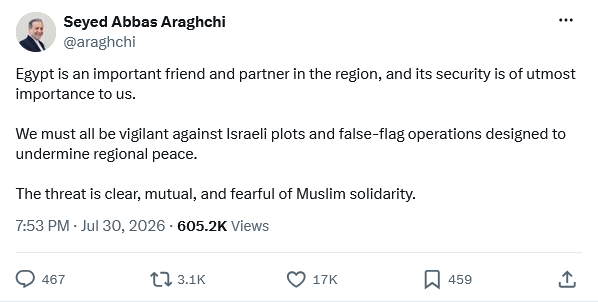
Meanwhile, in the Eastern Mediterranean, the spectre of the false flag looms large over the port of Damietta in Egypt. The “unclaimed” drone strike on US-linked gas tankers has triggered a predictable chorus of Western media speculation attempting to pin the blame on Tehran. Yet, the narrative unravels under the slightest scrutiny. Immaculate Iranian Foreign Minister Abbas Araghchi moved swiftly to warn of ‘Israeli’ “false-flag operations,” a caution that resonates given the history of such theatrics in the region. The timing is suspicious: just days prior, Iranian state media had listed Damietta as a potential target in the context of Ukrainian retaliation, a detail now conveniently weaponised by Western outlets to frame Iran. However, the Egyptian government has firmly rejected reports linking Iran to the attack, with Minister of State for Information Diaa Rashwan warning against the circulation of unverified rumours. Cairo’s stance is pragmatic; it recognises that dragging Egypt into the US-Iran conflict serves no national interest and plays directly into the hands of those who wish to see the region fracture along sectarian lines.
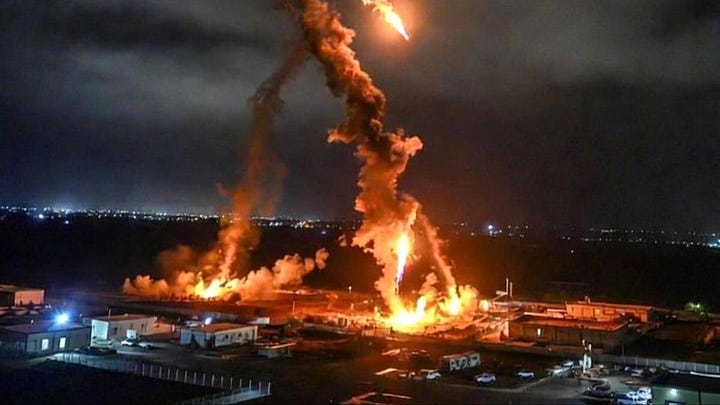
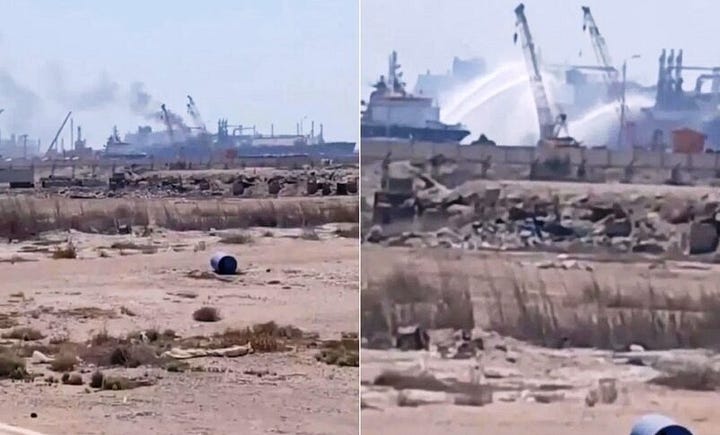
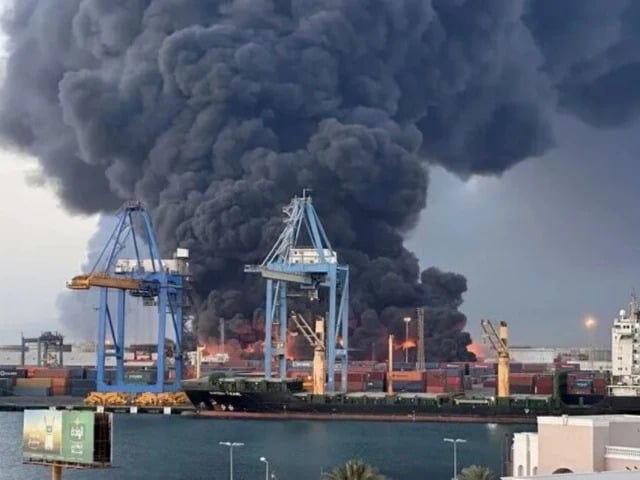
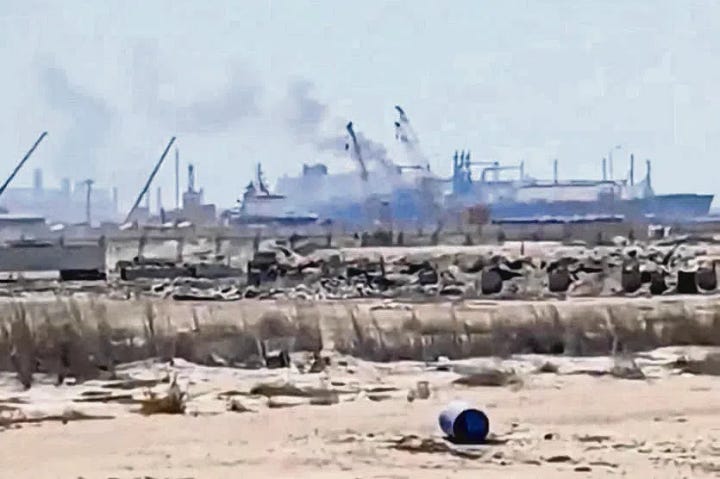
The Damietta incident bears the hallmarks of a classic provocation: an unclaimed attack on economic infrastructure that conveniently targets US assets while occurring on the soil of a neutral Arab state. The goal is clear to any seasoned observer: to force Egypt’s hand, to fracture the emerging consensus among regional powers, and to create a pretext for further escalation. Araghchi’s warning that the “threat is clear, mutual, and fearful of Muslim solidarity” cuts to the heart of the matter. The architects of this chaos rely on the engineered fragmentation of the Muslim world; their strategy depends on turning neighbour against neighbour, Arab against Persian. By framing the attack as Iranian aggression, the hope is to isolate Tehran and compel Cairo to join the American-led coalition. Yet, Egypt’s refusal to bite the bait suggests a level of strategic maturity that the West underestimated. The rejection of the Wall Street Journal’s speculative reporting is a signal that Cairo will not be maneuvered into an illegal war of choice.
The convergence of these diplomatic threads—the British withdrawal, the Italian deployment, and the Egyptian resilience—paints the graphic picture of a flailing West. The UK hides behind remote diplomacy while its allies do the fighting; Italy bypasses its own laws to send troops to a war zone; and the Western media machine churns out false flags in a desperate bid to expand the conflict. The “diplomatic solution” touted by London is a mirage, a distraction from the reality that European powers are now active participants in the illegal aggression. They have chosen sides, deployed assets, and intentionally accepted the risk of retaliation. When the next wave of drones descends upon the bases hosting Italian radars or British intelligence, they will have no one to blame but their own leaders, who traded sovereignty for a seat at the execution. The masquerade is over; the masks have slipped, revealing the familiar faces of colonial terrorist interventionism, still convinced that it can dictate the terms of reality in West Asia.
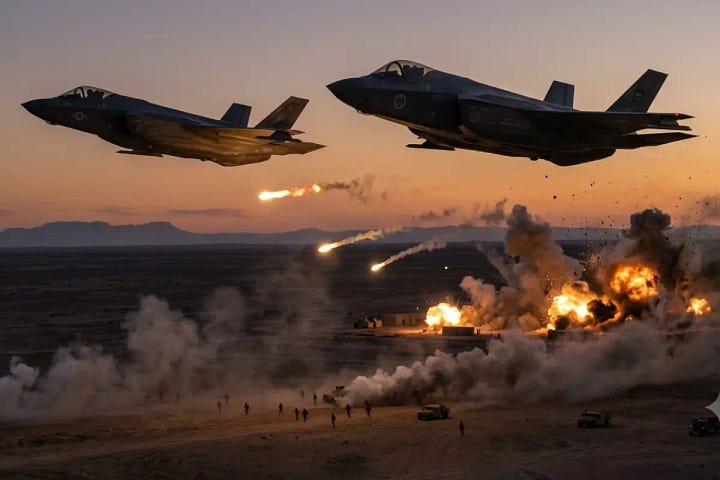
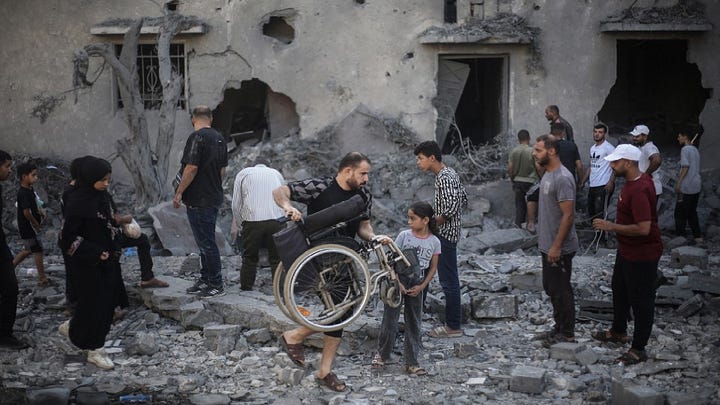
The veneer of regional cooperation, so carefully cultivated by Western diplomats and Gulf monarchs alike, has been torn asunder by the raw reality of unilateral aggression. Nowhere is this fracture more evident than in Iraq, where the sanctity of national sovereignty has been trampled by the very allies who claim to support its stability. In a brazen display of disregard for international law, the United States and Saudi Arabia launched coordinated airstrikes against positions of the Popular Mobilization Forces (PMF) across seven Iraqi provinces, killing at least 20 fighters and wounding dozens more. The justification offered by Washington and Riyadh—that these strikes were a response to drone attacks on Saudi infrastructure—crumbles under the weight of Baghdad’s explicit denial, and the inconvenient fact, that Ansar Allah had already claimed full responsibility. The Iraqi government, through spokesperson Haider al-Aboudi, stated unequivocally that it had “no prior knowledge” of the operation and granted “no approval” for attacks on its soil. This was not a joint operation; it was a violation, a stark reminder that for the US and its partners, Iraqi sovereignty is a negotiable commodity, discarded whenever it inconveniences their strategic vacillations.
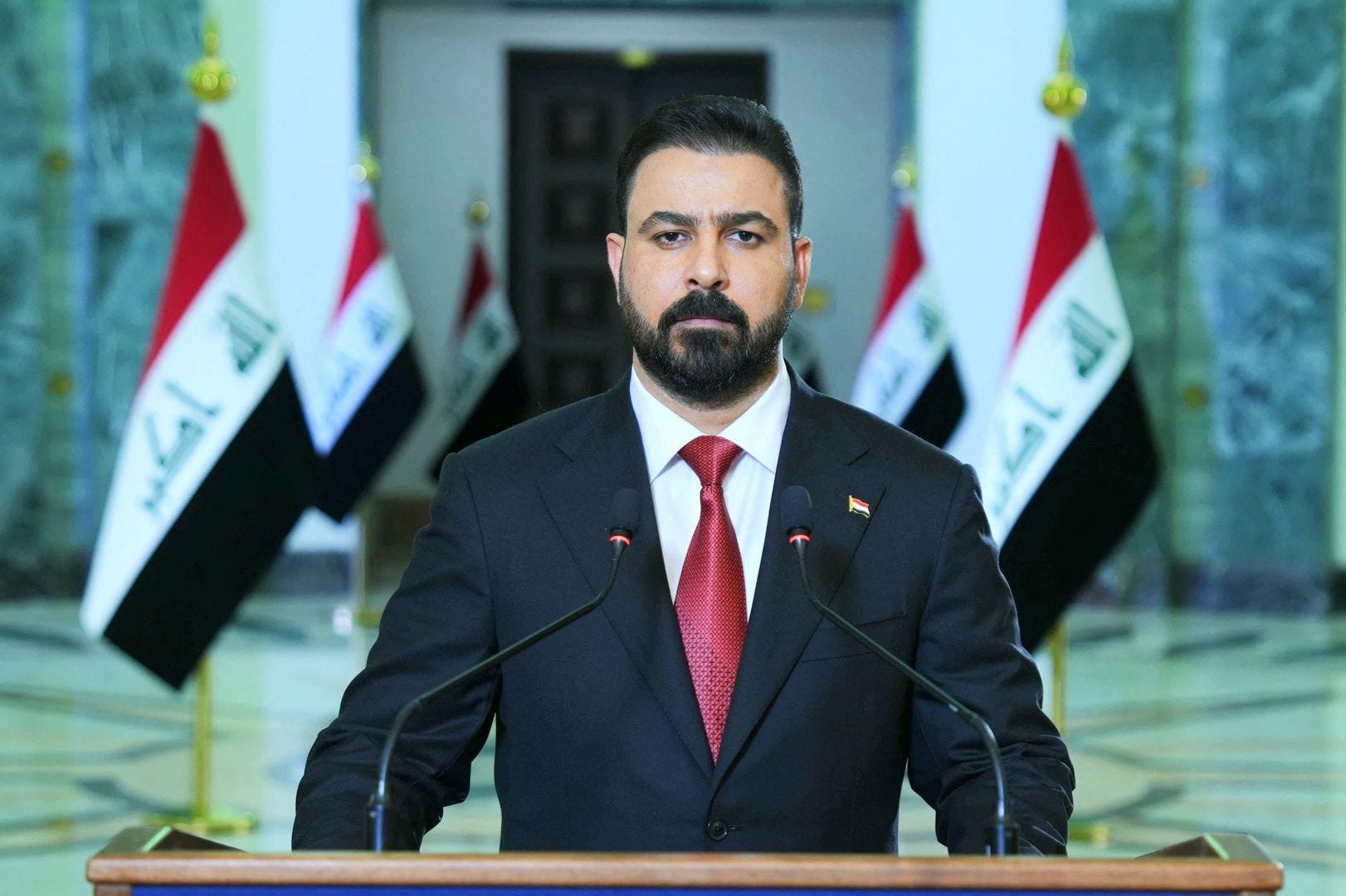
The diplomatic fallout was immediate and severe. Prime Minister Ali al-Zaidi canceled a scheduled visit to Riyadh, a symbolic rebuke that underscores the depth of Baghdad’s outrage. The Iraqi Ministerial Council for National Security condemned the strikes as a “blatant violation” of the nation’s territorial integrity, demanding evidence for the allegations that drones originated from Iraqi territory—a claim Baghdad’s own investigative committees have found no proof to support. The irony is palpable: Saudi Arabia, having spent years attempting to rebrand itself as a responsible regional leader through détente with Iran and reconciliation with neighbours, has allowed itself to be dragged into a quagmire of American making.
By participating in these strikes, Riyadh has not only alienated Baghdad but has also validated the warnings of Hezbollah, which slammed the operation as a “dangerous aggression” that serves only the “American-Israeli project” of destabilisation. The Lebanese resistance movement’s caution to Saudi Arabia—that it is falling into a trap designed to fragment the region and pit Arab against Arab—resonates with a chilling prescience. The Kingdom, in its eagerness to appease Washington, has compromised its own standing in the Arab world, becoming a junior partner in an occupation it claims to oppose.
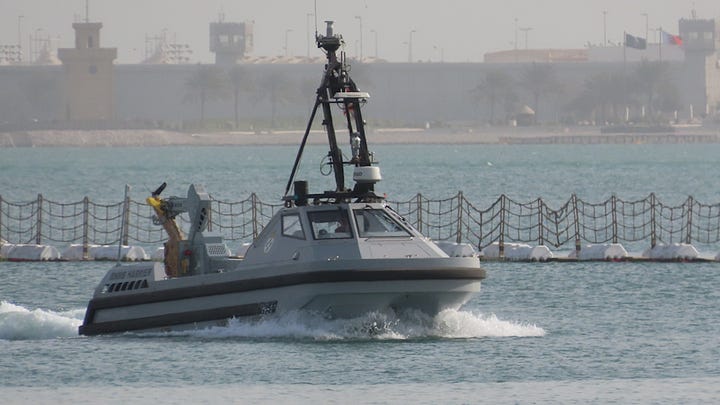
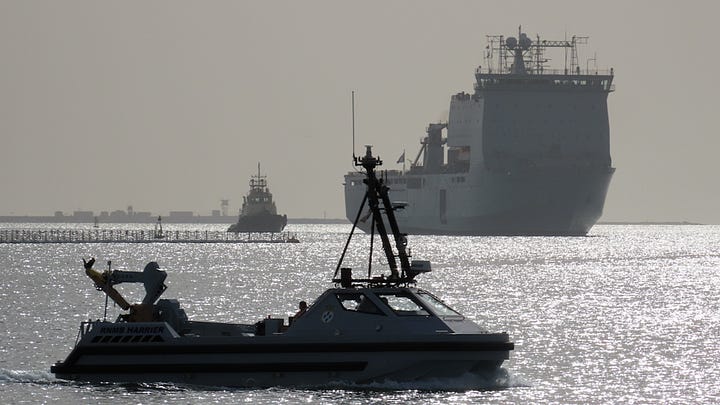
This erosion of trust extends beyond the Tigris and Euphrates. In the Red Sea, Britain finds itself hesitating on the brink of another colonial-era entanglement. Riyadh’s proposal for a new multinational maritime coalition to “protect navigation” in the Bab al-Mandab Strait and the Red Sea has been met with lukewarm caution from London. Despite public declarations of support for Saudi security, the British government is “reviewing the proposals,” a diplomatic euphemism for reluctance. The hesitation is telling. Having led the Combined Task Force 151 for over a decade, Britain is acutely aware that any new coalition aimed at countering Ansar Allah or Iranian influence is likely to become a target rather than a deterrent. Or perhaps that is what they want.
The presence of British naval assets in Bahrain, already a flashpoint for Iranian retaliation, complicates matters further. London’s dithering reflects a broader European anxiety: the realisation that American strategy in the region is not leading to stability, but to an endless cycle of escalation that drains resources and risks lives for dubious gain. The “freedom of navigation” mantra rings hollow when its architects turn neutral tankers into provocation tools, sacrificing safe passage for the illusion of leverage.
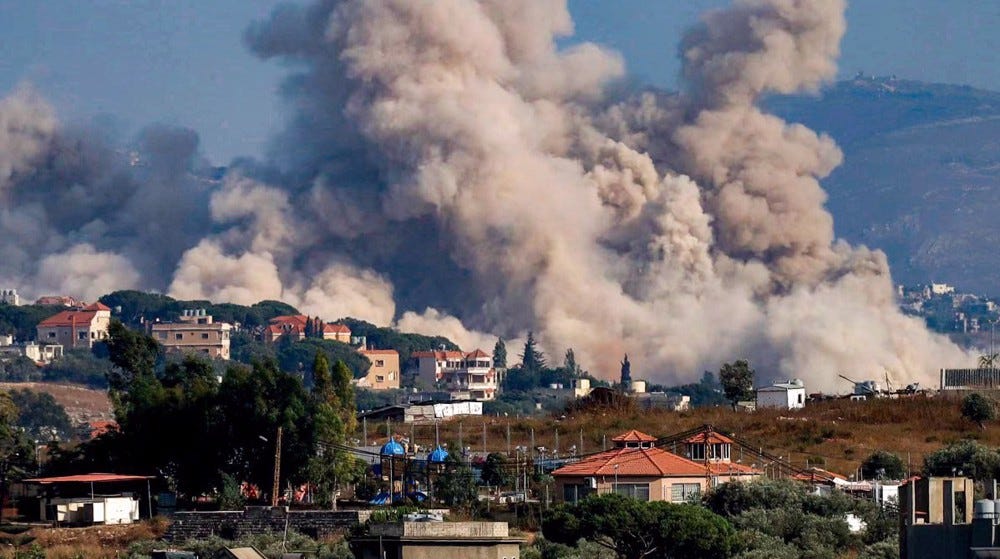
Meanwhile, in southern Lebanon, the illusion of a ceasefire has been shattered by the thunder of explosives. The occupying ‘Israeli’ terrorists, disregarding the US-brokered framework meant to end hostilities, detonated 700 tonnes of explosives in the Beaufort Castle area, claiming to destroy a Hezbollah tunnel network. The blast, one of the largest since the conflict began, sent shockwaves across the border and shattered windows in nearby villages, a visceral reminder that for the vicious “Israel Monster,” “ceasefire” merely means “pause to rearm and devour.”
Psychotic War Criminal Benjamin Netanyahu and rancid Defence Minister Israel Katz framed the operation as a “necessary response” to Hezbollah violations, yet the sheer scale of the destruction infers a clear strategy of collective punishment, rather than precise neutralisation. The continued presence of ‘Israeli’ terrorists in the “security zone,” despite diplomatic efforts to hand over control to the Lebanese Armed Forces, exposes the eviscerated core of American mediation. Washington’s “peace plan” is revealed as little more than a cover for ‘Israel’s’ ongoing occupation and systematic ethnic cleansing of Lebanese infrastructure. The message to Beirut is clear: your sovereignty is conditional, your security secondary to ‘Israel’s perceived needs, to rape and kill anything that moves.
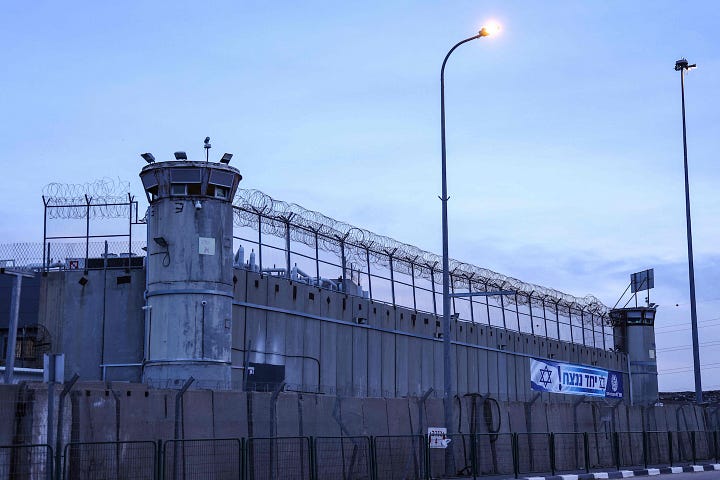
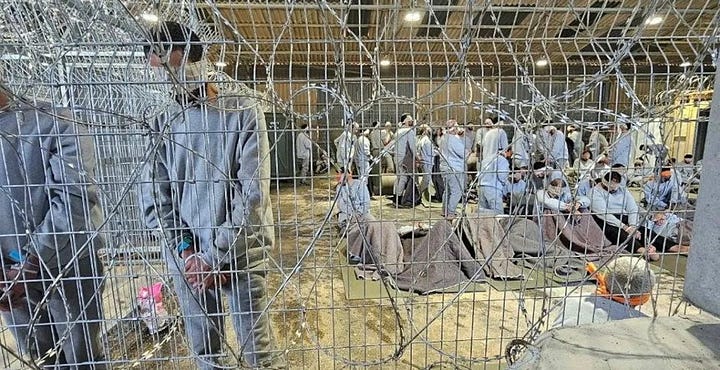
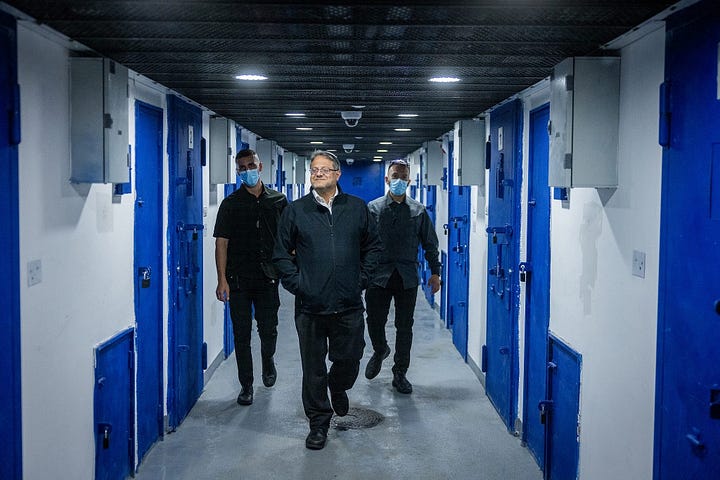
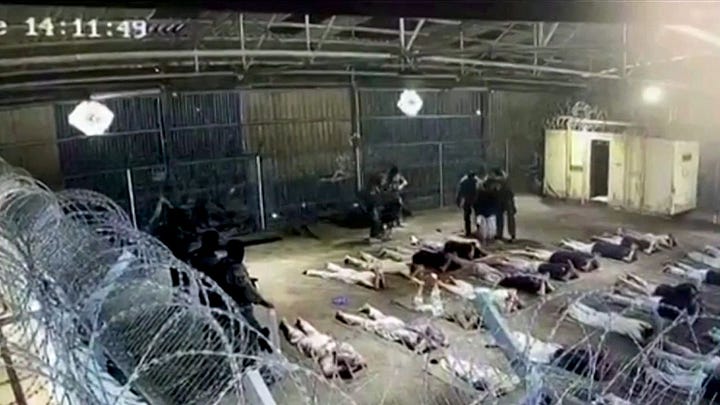
Beneath these geopolitical machinations lies a darker, more insidious reality: the systematic abuse of Palestinian detainees in ‘Israeli’ dungeons. Reports from the Palestinian Center for the Defense of Prisoners highlight the dire conditions faced by 16 doctors from Gaza, currently held in solitary confinement, denied medical care, and subjected to torture and starvation. These men, who remained at their posts treating the wounded during the genocide in Gaza, are now being brutally punished for their humanity. The deliberate medical neglect and ill-treatment constitute war crimes, a continuation of the policy to dismantle Gaza’s healthcare system by imprisoning its practitioners. The gutless silence of the international community, particularly those institutions tasked with protecting medical workers, is deafening. The plight of these doctors is not an isolated incident but part of a broader pattern of dehumanisation that defines the apartheid terror state’s approach to the Palestinian people. From the blast sites in Lebanon to the prison cells in the Negev, the message is consistent: resistance, whether armed or humanitarian, will be met with brutal repression.
The regional landscape is thus one of fractured alliances and violated sovereignties. Iraq stands humiliated by its so-called partners; Saudi Arabia risks its diplomatic capital for a war it cannot win; Britain hesitates, caught between loyalty and self-preservation; Lebanon endures ongoing aggression under the guise of peace; and Palestine suffers in the shadows, its healers imprisoned and its people ignored. The “order” that the West claims to defend is a chimera, a construct built on the backs of the violated and the silenced. As the dust settles over the PMF bases and the shockwaves fade in southern Lebanon, the truth remains: the architects of this chaos are not the resistance, but those who claim to bring peace, while delivering only “death and destruction.”
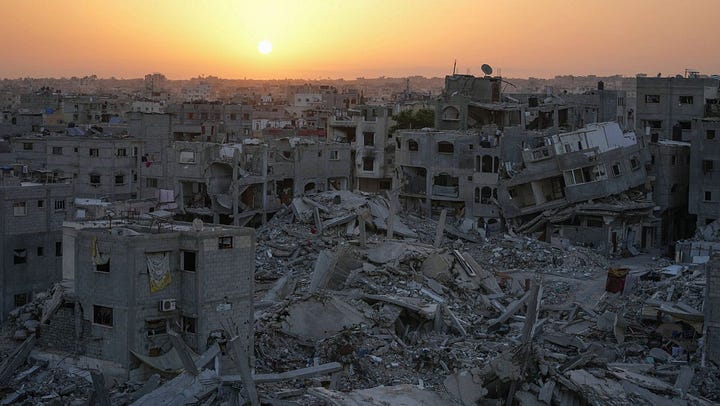
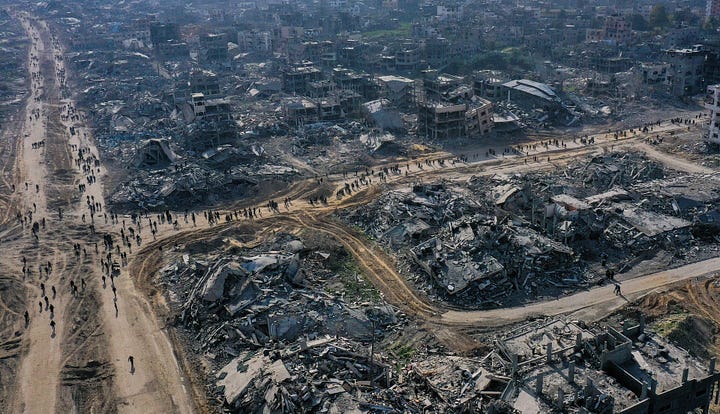
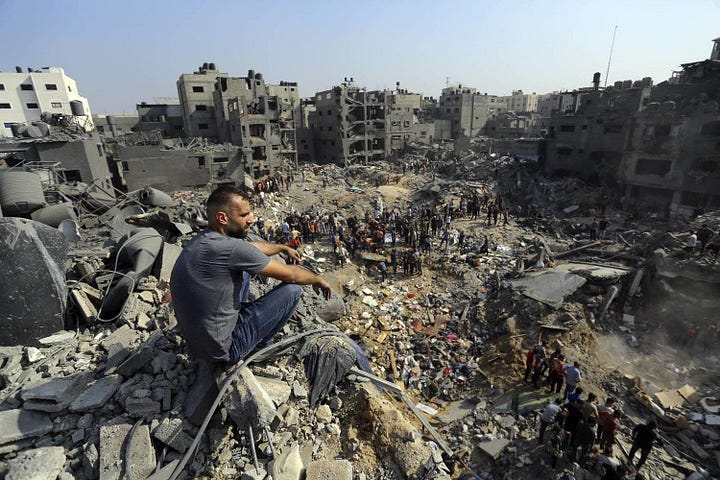
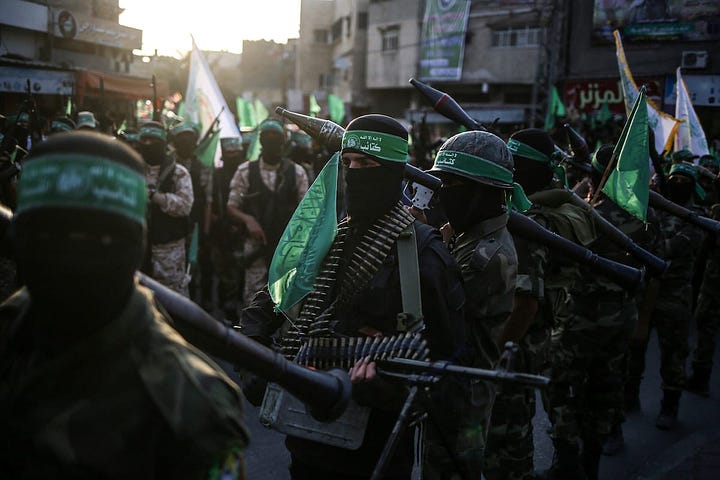
In the annals of modern geopolitical theatre, few moments possess the sheer, disorienting gravity of the announcement that shattered the silence of Cairo on the eve of August 2026. After nearly three years of a genocidal rampage that reduced the Gaza Strip to a lunar landscape of rubble and despair, Hamas has ostensibly agreed to the unthinkable: the “complete disarmament” of its military wing, the Izz ad-Din al-Qassam Brigades. The “Board of Peace,” the Trump-administration vehicle shepherding this fraught transition to further occupation, hailed the development as a “historic breakthrough,” a “monumental step” toward a future where Gaza is governed not by resistance, but by a technocratic committee backed by the international community. Yet, to accept this narrative at face value is to ignore the intricate, layered reality of West Asian diplomacy, where every “yes” contains a hidden “no,” and every concession is a tactical maneuver designed to expose the intransigence of the adversary.
The details of the agreement, as pieced together from the fragmented leaks and official statements, reveal a framework of breathtaking complexity. Hamas has committed to a phased process wherein its heavy weapons, tunnel networks, and production facilities will be dismantled or placed under the supervision of a new National Committee for the Administration of Gaza (NCAG). This body, composed of Palestinian technocrats and endorsed by mediators from Egypt, Qatar, and Türkiye, will ostensibly hold the monopoly on force, paving the way for the deployment of an International Stabilisation Force (ISF).
In return, the occupying ‘Israeli’ terrorists are obligated to cease all military operations, halt its campaign of targeted assassinations, and withdraw its forces from the territories seized since the October 2025 ceasefire, retreating to the ever encroaching “Yellow Line” that marked the previous status quo. The principle governing this exchange is “reciprocity”: for every step Hamas takes toward demilitarisation, ‘Israel’ must take a corresponding step toward withdrawal. It is a deal built not on trust, which has long since evaporated, but on a rigid, conditional sequence of actions that leaves no room for ambiguity.
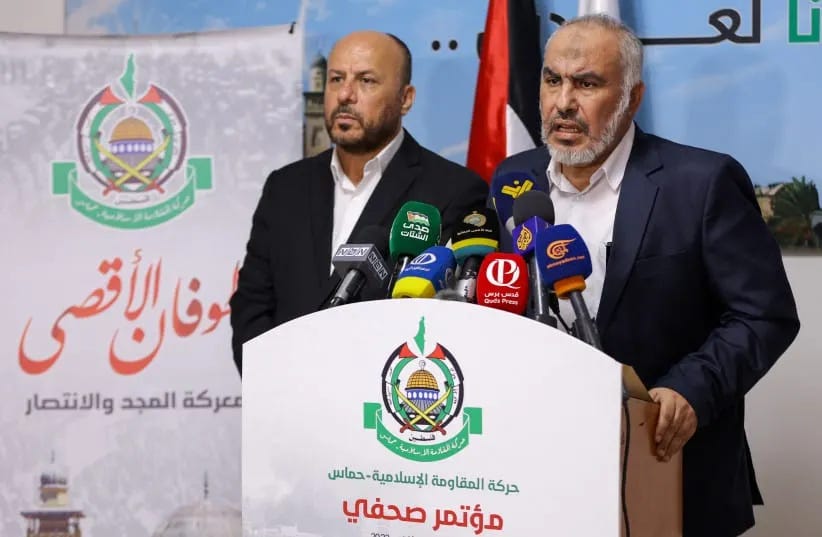
However, the narrative is not without its contradictions, its shadow text written in the statements of those who refuse to sign the death warrant of resistance. Even as Ghazi Hamad, a senior Hamas negotiator, confirmed the group’s readiness to make “concessions for the sake of our people,” another voice emerged from the same constellation of power, to issue a stark rebuttal. Khaled Qaddoumi, Hamas’s representative in Iran, declared with unyielding firmness that the Palestinian resistance “will never relinquish its weapons.”
This apparent paradox is not a sign of disarray within Hamas; rather, it is a sophisticated diplomatic strategy; a form of political jiu-jitsu that leverages the conflicting signals to test the resolve of the international community and, more importantly, to expose the bad faith of the ‘Israeli occupation.’ The “disarmament” agreed to in Cairo is not a surrender; it is a conditional transfer of custody to Palestinian hands, explicitly excluding any role for ‘Israeli ‘ terrorists in the process. The weapons are to be “collected and stored,” not handed over to the enemy. It is a distinction of monumental significance, one that allows Hamas to claim adherence to the peace plan while maintaining the core principle that the resistance’s arms are a sovereign Palestinian asset, not a trophy for the IDF.
The skepticism emanating from Tel Aviv confirms the strategic acumen of this approach. ‘Israeli’ officials, including repulsive far-right National Security Minister Itamar Ben Gvir, have already denounced the deal as “unacceptable,” insisting that the “assassinations must continue” and that no withdrawal will occur until Gaza is fully demilitarised—a condition they define as the total removal of all weapons from the enclave, a demand that the current agreement does not meet. Prime Minister Benjamin Netanyahu, facing an election in October and reliant on the support of these very extremists, has remained conspicuously silent, a silence that speaks volumes. The ‘Israeli’ position, as articulated by anonymous diplomatic sources, is that there will be “no withdrawal whatsoever” unless Hamas undergoes a “genuine disarmament,” a moving goalpost that effectively vetoes the deal before it can be implemented. This intransigence is precisely what Hamas anticipated. By agreeing to a framework that places the onus of compliance on The Occupier, Hamas has successfully shifted the narrative burden. If the deal collapses, it will not be because of Palestinian rejectionism, but because of ‘Israeli’ refusal to withdraw from occupied land.
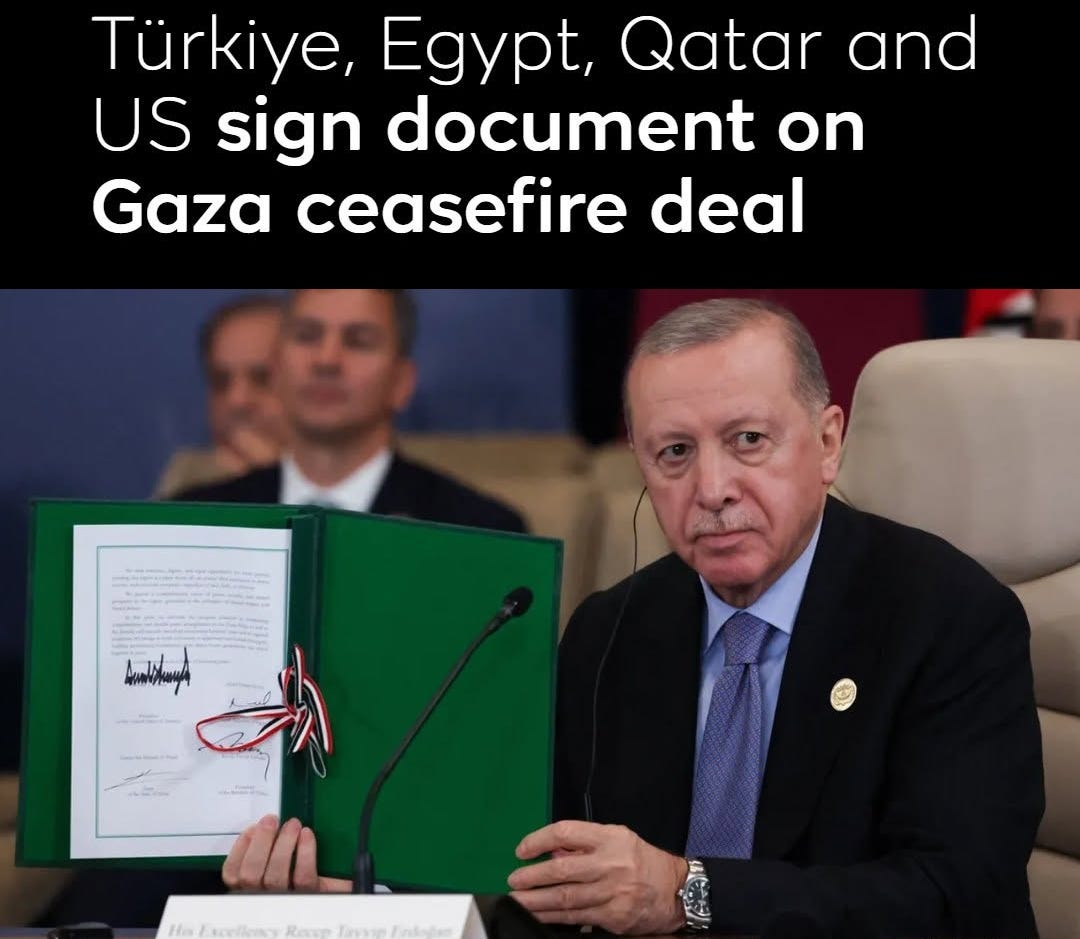
The role of the mediators in this delicate dance cannot be overstated. Egypt, Qatar, and Türkiye have worked tirelessly to craft a document that balances the irreconcilable demands of the parties, creating a mechanism where verification is key. The ISF, led reportedly by a US Special Forces general but comprising international troops, will serve as the “guarantor” of the process, ensuring that weapons are stored securely and that ‘Israel’ adheres to its withdrawal timeline.
Yet, the very existence of this force highlights the fragility of the arrangement. The US and its European allies are being asked to commit troops to a zone where the IOF has repeatedly violated ceasefires and where the trust deficit is absolute. The hesitation of countries like Britain to join the maritime coalition in the Red Sea suggests that recruiting contributors for the ISF will be a herculean task. Without a robust international presence, the reciprocity mechanism collapses, and the deal becomes another piece of paper in the graveyard of failed peace initiatives.
Furthermore, the internal dynamics of the Palestinian factions add another layer of complexity. While Hamas has taken the lead in these negotiations, other groups, including Palestinian Islamic Jihad, must also be brought into the fold. The agreement calls for the disarmament of “all armed groups,” a provision that requires a unified Palestinian front that has been elusive in the past. The fact that Hamas is willing to store its heavy weapons under the supervision of a national committee suggests a willingness to subordinate its military apparatus to a broader political strategy, a significant evolution from its previous stance. However, the insistence by some factions that personal weapons for self-defence must remain in the hands of commanders, indicates that the definition of “disarmament” is still being contested. The nuance here is critical: this is not the dismantling of the resistance spirit, but a recalibration of its tools in the face of unprecedented devastation.
The human cost of this stalemate cannot be ignored. With over 73,000 Palestinians “officially” dead and the enclave’s infrastructure obliterated, the pressure on Hamas to secure a reprieve for its people is immense. The agreement offers a pathway to reconstruction, a “surge” in humanitarian aid, and the possibility of a political horizon that has been absent for decades. Yet, the conditions attached to this lifeline are perilous. If the brutal ‘Israeli’ occupation refuses to withdraw, or if the ISF fails to materialise, Hamas risks being seen as having capitulated without gaining anything in return. Conversely, if ‘Israel’ does comply, even partially, it would mark the first time in decades that the occupation has been forced to retreat under the pressure of diplomacy rather than military defeat. The gamble is enormous, but for a movement that has survived decades of eradication campaigns, risk is a familiar companion.
As the world waits for the formal endorsement of the deal in Cairo, the silence from Jerusalem is deafening. The ball is now firmly in the court of the genocidal terrorist state, and the trajectory of the region depends, on whether Netanyahu can overcome the veto of his far-right coalition partners. The irony is strong: Hamas, the entity designated as “a terrorist organization” by much of the West, has agreed to a framework for peace that the “democratic” state of ‘Israel’ rejects. The resistance has shown flexibility; the occupier has shown only rigidity. In this inversion of expectations lies the true significance of the moment. It is not merely about weapons or tunnels; it is about the legitimacy of the struggle and the moral bankruptcy of those who claim to seek peace while preparing for perpetual war. The Gaza paradox is resolved not by the disarmament of the oppressed, but by the exposure of the oppressor’s unwillingness to accept anything less than total submission. And in that exposure, the seeds of the next phase of conflict are already being sown.
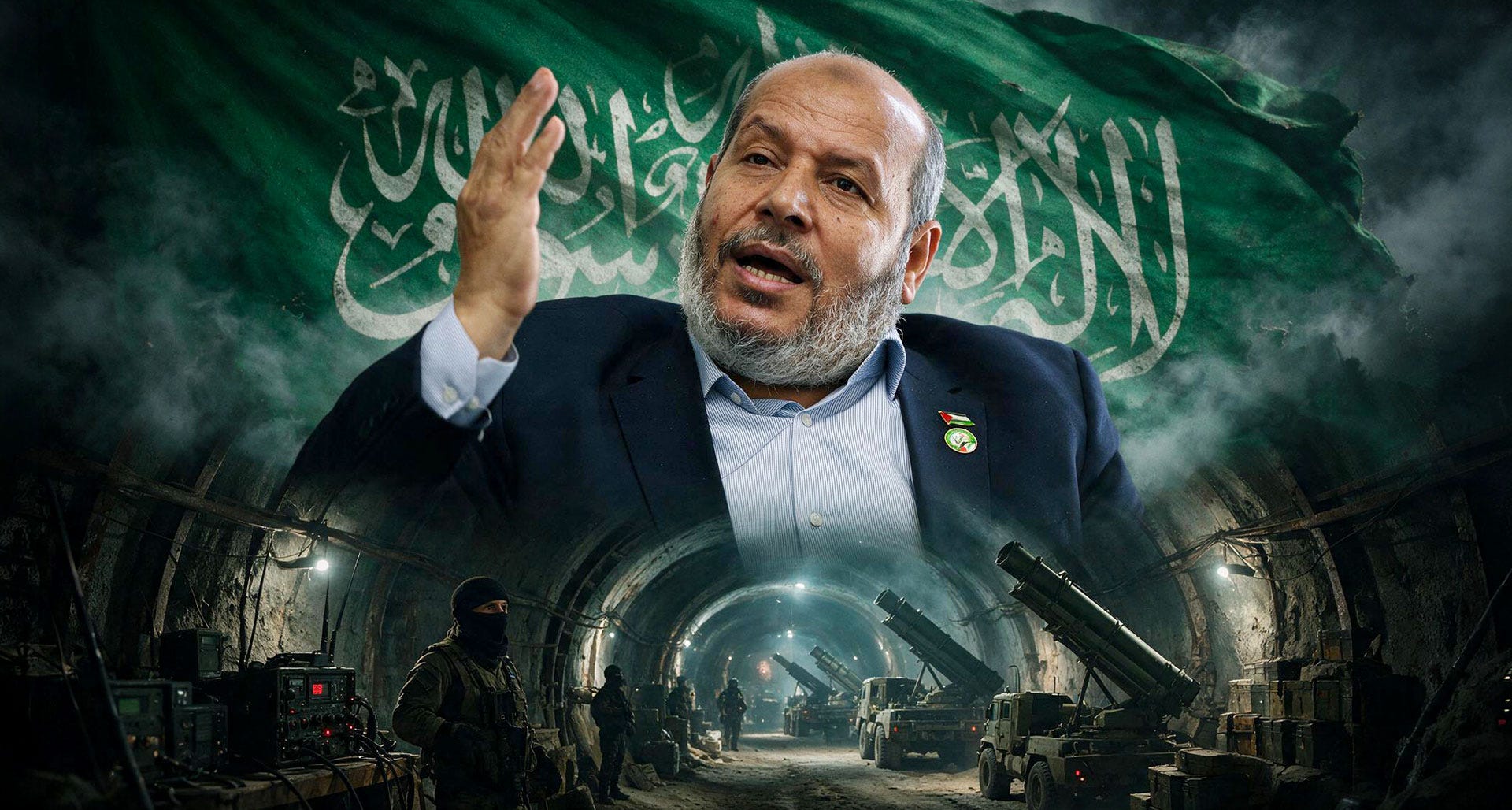
The dossier of July 2026 closes not with a whisper of peace, but with the deafening silence of a strategic vacuum. The United States and its regional proxies stand amidst the ruins of their own making, surveying a landscape where their leverage has evaporated and their moral authority has been incinerated by the very fires they lit. From the choked waters of the Strait of Hormuz to the scorched earth of Gaza, the narrative of American omnipotence has been dismantled, piece by piece, by a resistance that refused to break. The West’s projection of power has revealed itself to be a hollow shell, a Potemkin village of military might that crumbles upon contact with a determined adversary who understands the terrain, the history, and the cost of freedom, far better than any general in the Pentagon.
The strategic failures are too numerous to be dismissed as mere errors; they are systemic, born of a hubris that blinds the empire to its own limitations. Washington sought to strangle Iran’s economy and isolate it diplomatically, only to find the Strait of Hormuz closed and its allies fracturing under the weight of their own complicity. It attempted to bomb the resistance into submission, targeting families in Qeshm and doctors in Gaza, believing that terror would breed compliance. Instead, it forged a unity of purpose across the region that no amount of firepower could sever. The coffins returning to American soil are not just casualties of war; they are the tangible receipts of a policy that has bankrupted the nation’s treasury and its soul. The 653 wounded, the destroyed hangars in Kuwait, the shattered generators in Bahrain—these are not anomalies. They are the inevitable arithmetic of an ugly occupation that has overstayed its welcome and outlived its utility.
The diplomatic masquerade, too, has reached its final act. The European powers, once content to hide behind American skirts, have been dragged into the light, their complicity exposed by the deployment of Italian jets and the British retreat from Tehran. They sought to manage a conflict they did not understand, hoping to impose a peace that required the vanquished to surrender while the victor remained armed. The Gaza deal, with its paradoxical dance of disarmament and defiance, laid bare the absurdity of this approach. Hamas, the designated “terrorist entity,” displayed a flexibility and strategic vision that eluded the rigid, ideologically blinded leadership in Jerusalem. The “Israeli Monster,” backed by the full weight of American diplomacy, found itself isolated, its silence on the peace deal speaking louder than any veto. The occupier, accustomed to dictating terms, found itself unable to accept a reality where it must give something up. The refusal to withdraw, the insistence on perpetual assassination, the rejection of reciprocity—these are the spasms of a state that knows only conquest and cannot comprehend coexistence.
The irony of the situation is too sharp to ignore. In its quest to secure its hegemony, the United States has accelerated its own decline in West Asia. Every drone shot down, every base struck, every civilian killed has eroded the foundation of its influence, turning allies into skeptics and skeptics into adversaries. The “international order” it claimed to defend was never anything more than a euphemism for domination, and now that the illusion has shattered, the region is left to pick up the pieces. The resistance, far from being crushed, has emerged more resilient, more unified, and more determined. It has proven that asymmetry is not a weakness but a strength, that patience is a weapon, and that the moral high ground, however besieged, remains the ultimate fortress.
As the sun sets on this chapter of conflict, the architects of American policy in West Asia are left with a legacy of ash. They gambled on fear and lost to courage; they bet on division and found unity; they wagered on the permanence of their empire and discovered its fragility. The region has spoken, not in the sanitized language of Western Press releases, but in the visceral reality of fire and steel. The empire may still possess the bombs, but it has lost the story. And in the end, it is the story that survives, long after the smoke has cleared and the coffins have been buried. The resistance did not just survive; it endured.
History will bury the architects of this ruin, those who mistook butchery for brilliance, confusing carnage with command, and delusion with destiny.
Comments
Nothing yet. Say the first thing.
Sign in to join the conversation.