
The digital age has revolutionized customer expectations. Speed and ease are the new standards in today's world, and customers no longer tolerate cumbersome procedures.
This shift has given rise to the "frictionless bias."
Frictionless bias: Where the norm is an absence of hassle, setting a new standard by which all services are judged.
I recently moved to San Francisco and was immediately struck by the American culture's obsession with frictionless experiences. Everywhere I looked, I saw examples of this pursuit, from automatic cars and drive-through experiences to single-handle faucets that allow for temperature and flow control with a single movement when taking a shower.
This relocation gave me a new perspective on the impact of reduced friction in daily experiences. It made me realize that our desire for ease and speed has become both a convenience and an expectation. I began to explore the concept of "frictionless bias," which refers to the preference for seamless experiences over more complex ones.
In this context, it's essential to discuss strategies to pursue frictionless excellence and set new standards in your industry. Let's dive into this topic and explore ways to make your customer experience more seamless.
The digital revolution, spearheaded by companies from Silicon Valley, has significantly altered consumer expectations across the globe. Let's examine the specific changes in key industries:
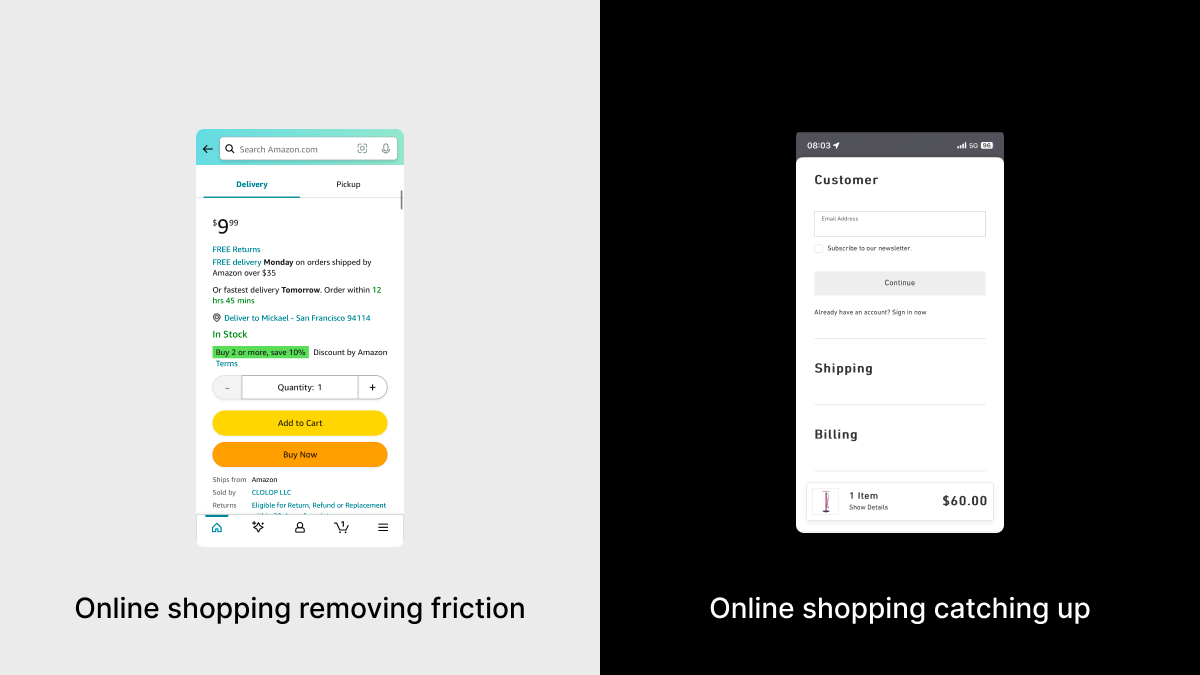
E-commerce: Amazon's one-click purchasing radically transformed the online shopping experience by allowing users to bypass repeated information inputs, making the purchase process virtually instantaneous. This model has set a high standard that is now a benchmark for all online retailers - still catching up.
Banking: Mobile apps like Chase and Bank of America use biometric authentication to streamline the login process. This speeds up user access and enhances security, pushing other industries to integrate similar technologies.
Travel: Companies like Airbnb and Booking have simplified the booking process, offering transparent pricing, user-friendly interfaces, and immediate confirmations. The streamlined process reduces the time and effort required from users, elevating expectations for all service providers in the travel sector.
What’s the issue with all of these?
In this competitive landscape, consumers now compare every digital interaction against the smoothest experiences they’ve encountered:
Purchasing online: Traditional retail outlets are integrating digital checkouts and mobile payment systems to reduce wait times and improve service delivery, directly responding to online frictionless models.
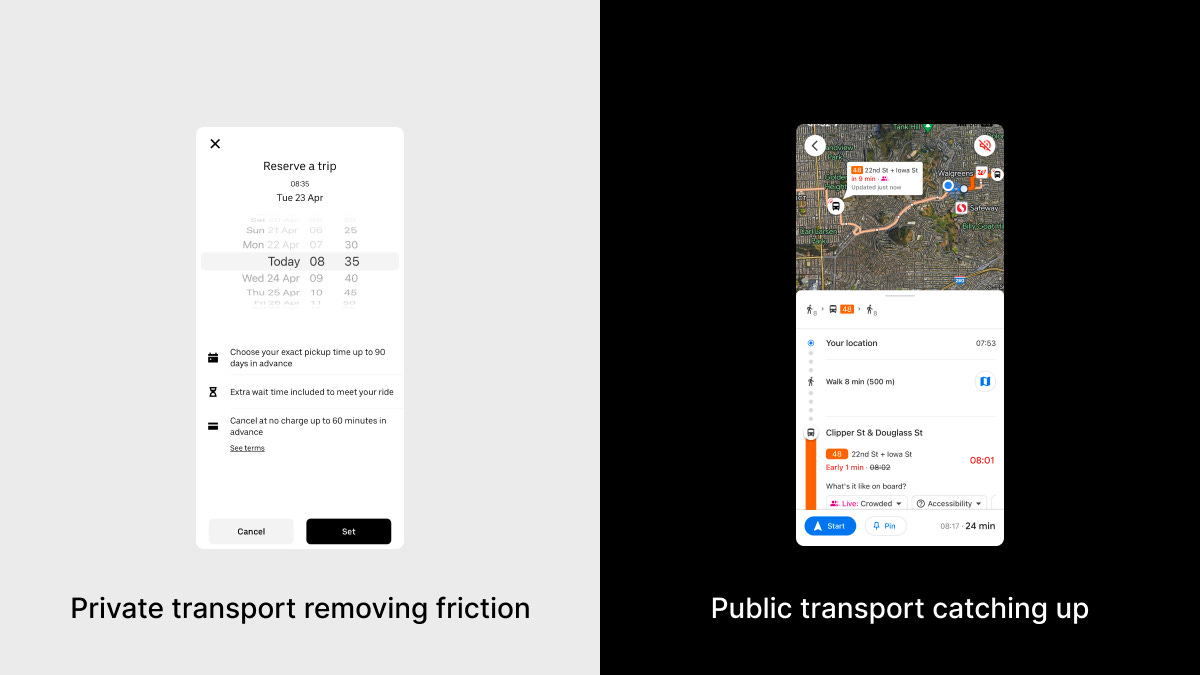
Moving around: Cities like San Francisco have implemented auto-reload mobile ticketing and real-time tracking apps, drawing a direct comparison with the ease of ride-sharing services.
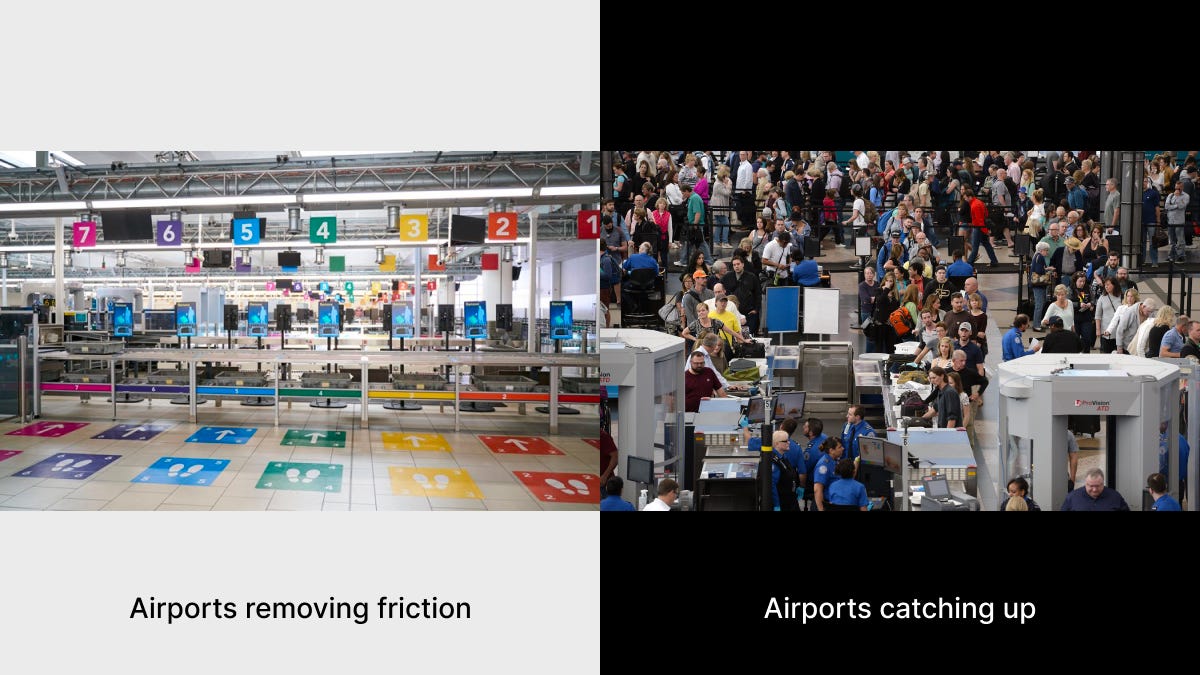
Airports: The latest security flow at airports, which allows travelers to go through without removing water bottles or laptops, sets a new standard. Don’t we all now expect this level of convenience? What will be your reaction the next time you have to remove your computer from your luggage?
Businesses operating in naturally high-friction environments can adopt several strategies to enhance the user experience:
Benchmark Awareness: Consider the parallels users draw when interacting with your service. What standards are they comparing you against? This is the bar you need to aim for immediately to stay competitive.
Transparency: Openly communicating the reasons behind necessary steps or delays can align consumer expectations with the reality of the service process.
Value Enhancement: Providing exceptional customer service or adding unique features can compensate for inherent friction, making the overall experience more satisfying.
Incremental Innovation: Step-by-step improvements, like digital documentation or online appointment scheduling in healthcare and legal services sectors, can gradually reduce friction.
The expectation of frictionless experiences is reshaping how businesses operate. While it’s challenging to eliminate all friction, understanding and managing consumer expectations through strategic innovations and clear communication can significantly enhance satisfaction and loyalty. Companies that best understand this balance will lead in redefining industry standards and succeed in this new consumer landscape.
This part of the newsletter is a place for you to access
the most valuable links I’ve found this month.
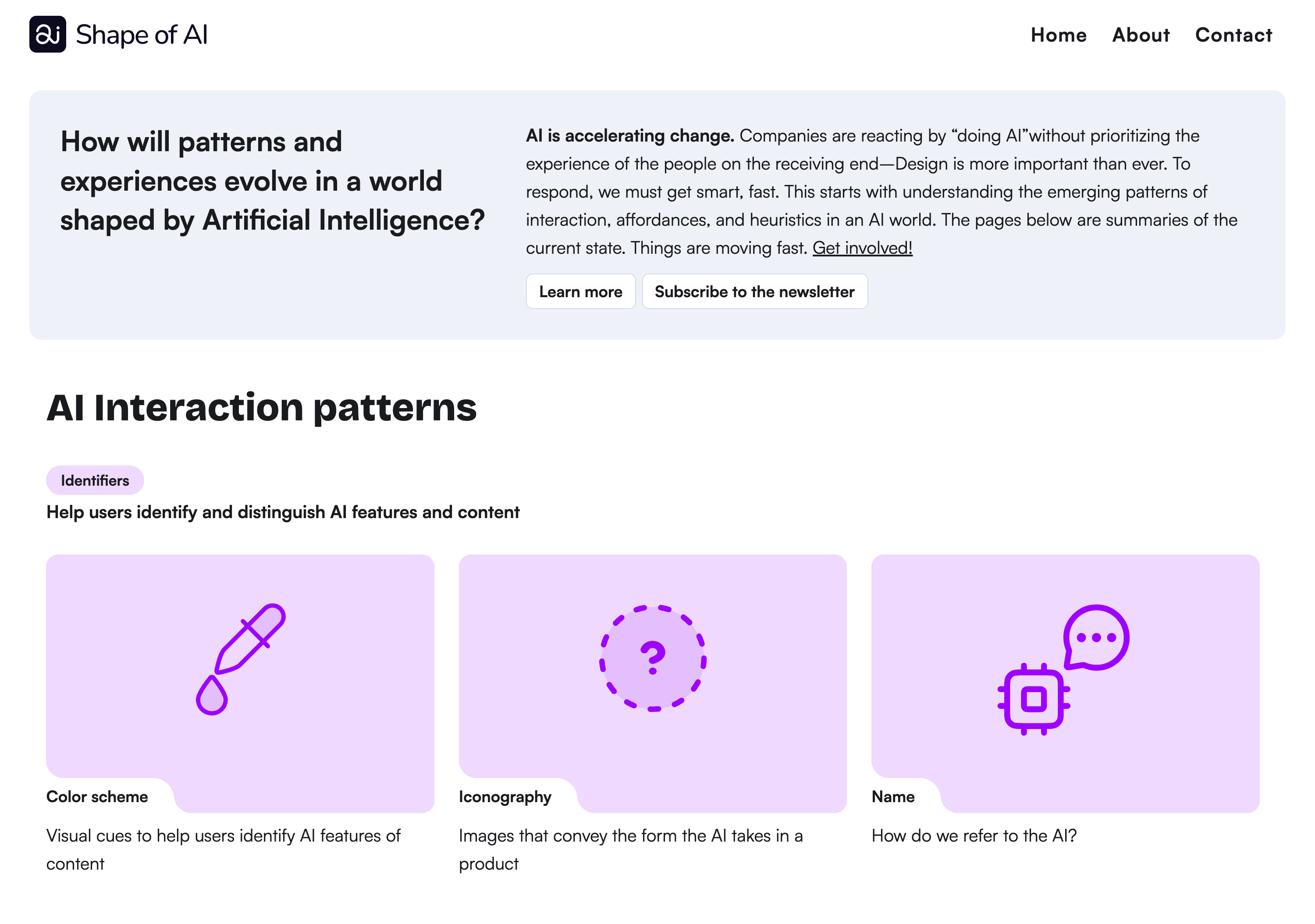
AI is still emerging, but finding patterns is always reassuring when building a product. Emily has gathered many interaction patterns that apply to AI products. If you’re working on your Gen AI product feature and unsure how to design it, this resource may be helpful.
This newsletter is my attempt to deliver exclusive frameworks and actionable insights for entrepreneurs to harness design as their strategic advantage.
Remember, this is your journey as much as it is mine. If you feel this isn't what you're looking for at any point, please feel free to opt out–there will be no hard feelings.
If you have any suggestions on how I can improve the format, reply to this email with your feedback, and I will personally reply to all emails.
Micka 🤙
If you find this post helpful, consider sharing it with a friend using the button below
Comments
Nothing yet. Say the first thing.
Sign in to join the conversation.