Michelle Collins Anderson · The Creative Pause - Michelle Collins Anderson
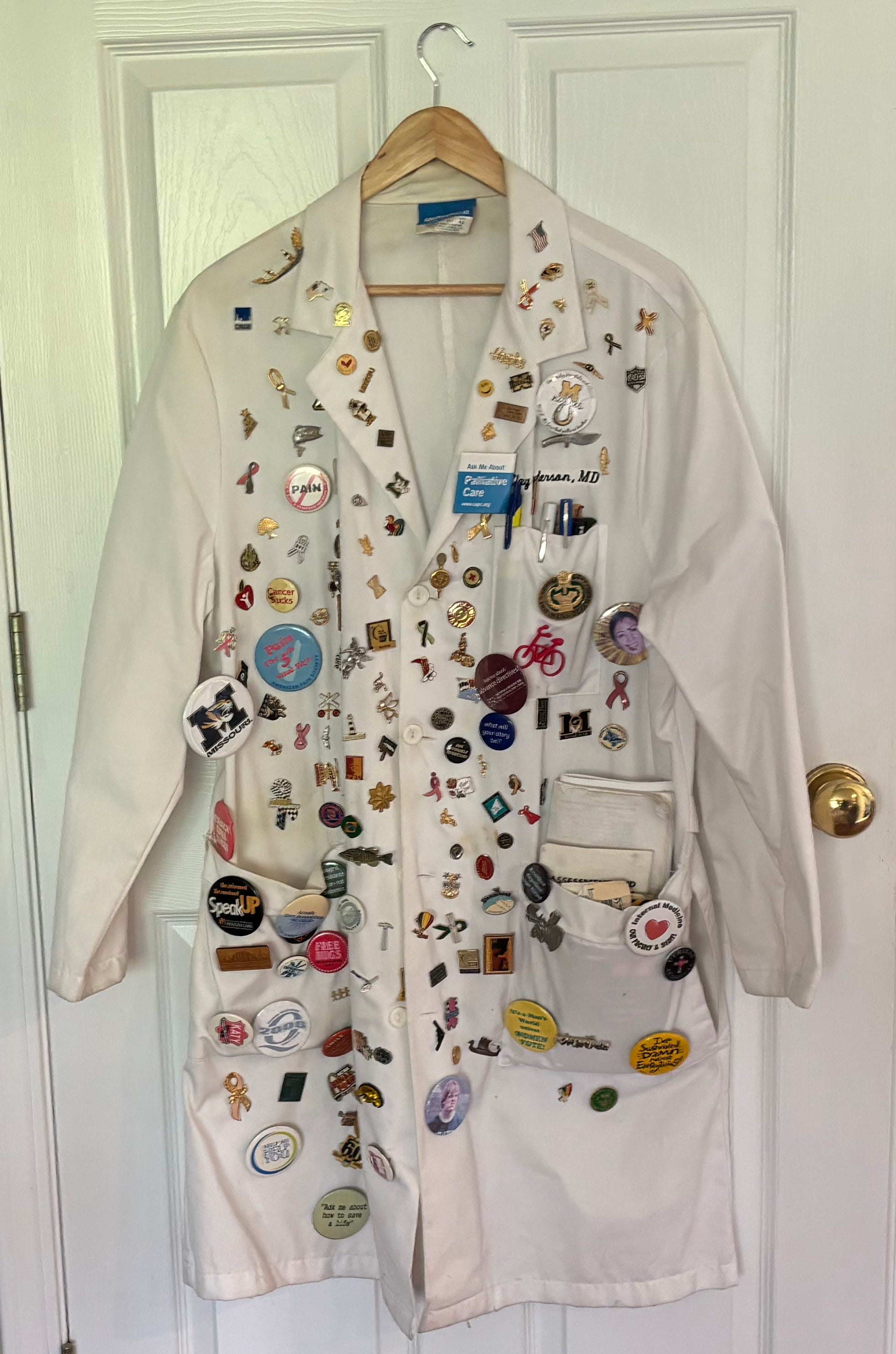
Clay’s famous white coat covered with pins given to him by patients over the years. Each one tells a story — whether it’s a ribbon designating a specific cancer or a pin or button with a patient’s photo, hobby, hometown or favorite quote or cause. He wore every single one of them with pride.
He did it.
Nearly forty years after he started medical school, my husband has officially retired from his career as a physician.
What a journey it has been. There’s been the physical moving from place to place as he learned and trained. Biochemistry major at Mizzou. Med school at Stanford in Palo Alto, California. Internal medicine residency at the University of Colorado in Denver for three years. A three-year medical oncology fellowship at M.D. Anderson Cancer Center in Houston, Texas. Thirteen years at the University of Missouri, his first faculty position, beginning as an oncologist and going on to found the palliative care program at Mizzou. Thirteen more years in hospice/palliative care at North Kansas City Hospital and St. Luke’s in Kansas City. And finally, these past several years at Missouri Baptist Medical Center here in St. Louis as Director of Palliative Care.
Amazing.
But beyond the relocating and the job changes, Clay was part of thousands of intense journeys with his patients. These were people with extremely difficult clinical diagnoses and challenges. Some required incredibly taxing treatments. Or, worse, some had limited or no treatment options at all. These relationships required honest conversations — talks that were oftentimes accompanied by tears and high emotions, from both patients and family members. Tough decisions had to be made. How to manage each precious life so that it could be lived to the fullest (and with the least amount of pain and suffering), whether the remaining time could be measured in minutes, months or years. And how could he help someone take that last family vacation, fish a favorite honey hole, make it to a wedding or — sometimes — just make it home from the hospital to die in familiar surroundings, with the comfort and closeness of family?
I admire him so much. I’m in awe of him, honestly.
As a writer, I have struggles. Not every day is a good writing day. Rejection hurts. Writers block is real. Deadlines are stressful.
But at the end of the day, it’s not life or death (though as I type this, I know some of you might say I do kill off an inordinate amount of characters in my novels). Not real life or death, anyway.
I don’t know how he did it. If I were to attempt his work, I would spend every free moment (not that there would be many!) sobbing in the linen closet or bathroom.
But it was the intensity of these relationships, the all-we-have-is-now mentality, that drew him to end-of-life care. He felt called to help people who were often abandoned by their physicians who, subconsciously or not, believed that being unable to cure someone was “failure.” He would say that palliative care and hospice patients are the very best because they know what is important. They are compliant in a way that many of us aren’t (like how we put off changing our diet or exercise habits, promising ourselves or our loved ones that we’ll “get around to it”) because they know time is short. And it gave Clay great satisfaction to see people finish their lives on their own terms, helping them choose symptom management and reduced pain over futile treatments and needless suffering.
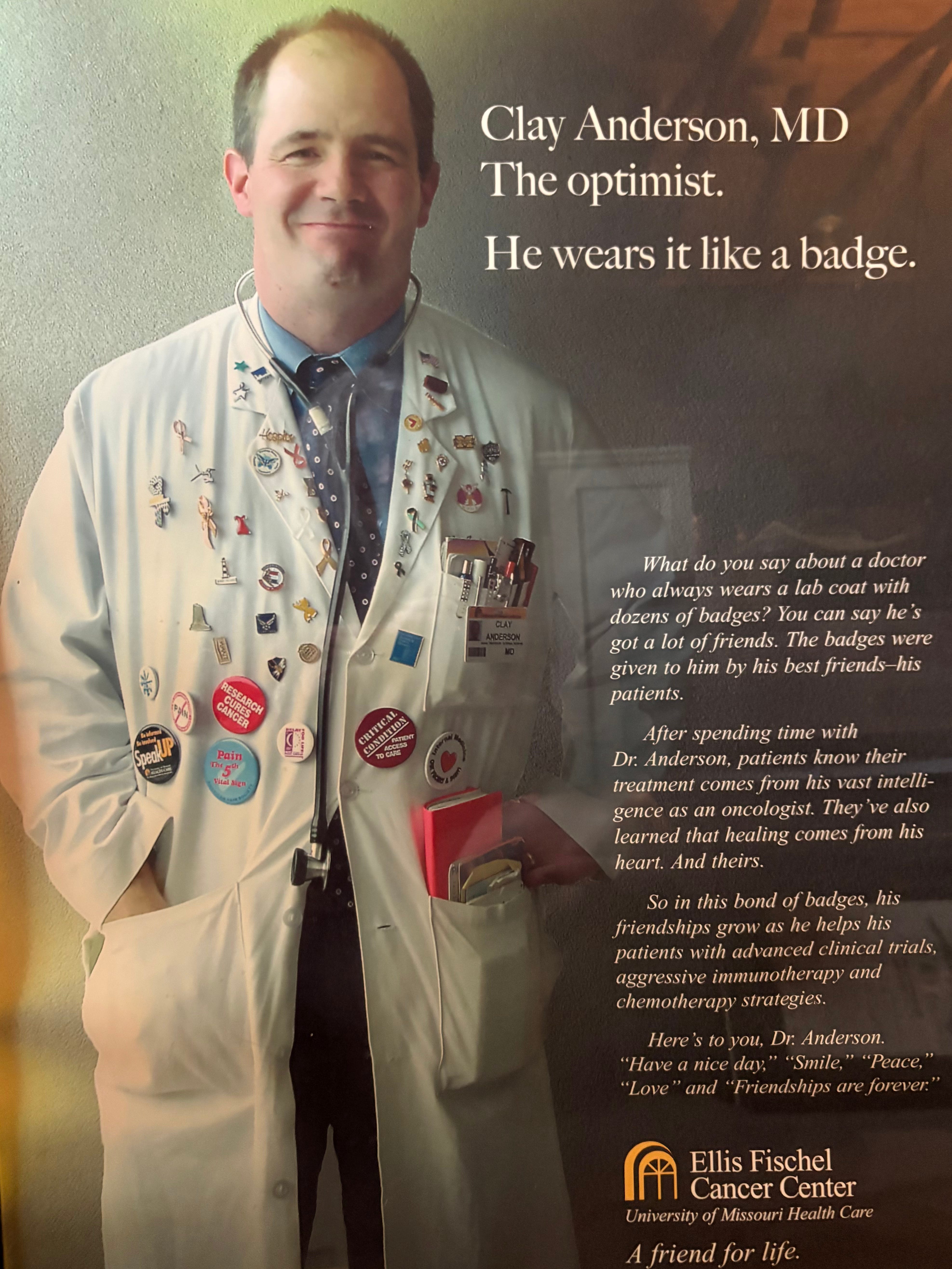
The white coat he wore during his oncology tenure at Mizzou is a wonderful testament to all the people he helped. It is absolutely littered (glittered?) with metal pins and buttons given to him by patients who loved him and his willingness to listen to their stories… and help them write their best endings. It weighs about twenty pounds, but it wasn’t a burden to Clay. He wore it every single day, the same way he wears his genuine smile — and his heart on his sleeve. He is the picture of optimism because — as the promotional poster for Mizzou puts it — “he wears it like a badge” of honor.
And if that isn’t testimony enough, you should see the hundreds upon hundreds of cards, notes and letters in boxes in our basement. I could write a thousand novels and never receive the fan mail that Clay has, deeply moving testaments to the lives he has helped and enriched, patients and families alike. It is humbling.
And I am so fortunate to have witnessed it all.
But “retired” doesn’t seem quite the right word for Clay. He who has been so passionate and tireless in his efforts for his patients is anything but tired. He is more “re-energized,” so ready for a life cram-packed full of other things he loves besides his patients and coworkers. Fishing. Birding. Reading. Coaching youth wrestling. Writing. Spending more time with family and friends. Going to concerts. Doing the grocery shopping (oops, maybe that’s one I’m excited about!). Traveling. Hiking and exploring. Tending to his yard and garden. Slow cooking.
And I’m looking forward to tagging along.
In Spanish, the word for retirement is “jubilación” — which I love, because it looks and sounds like “jubilation.” The Cambridge dictionary defines jubilation as “a profound, overwhelming sense of gladness, commonly experienced after a hard-fought success or a momentous occasion.”
How perfect.
Happy jubilation, Clay.
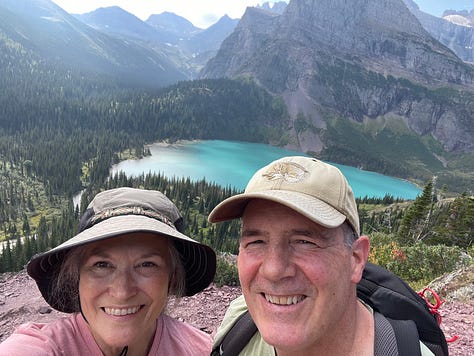
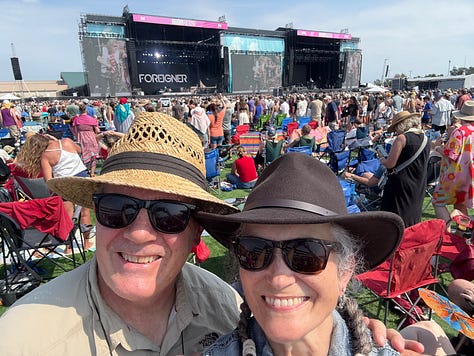
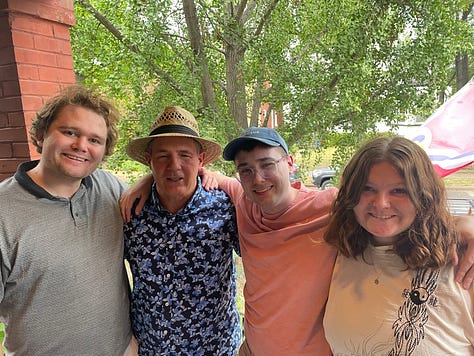
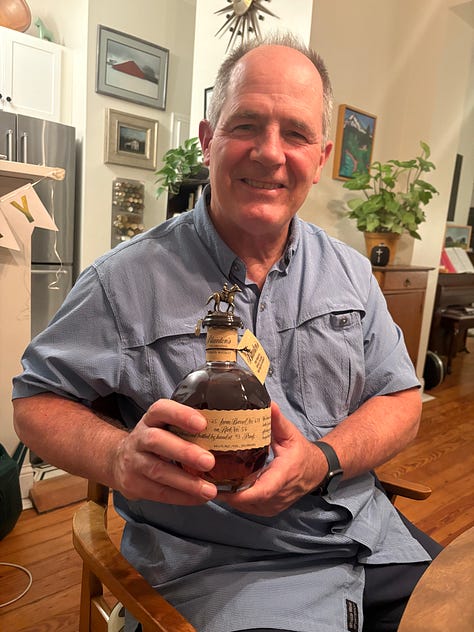
Just a few pictures of Clay's passions outside of medicine. Jubilation!
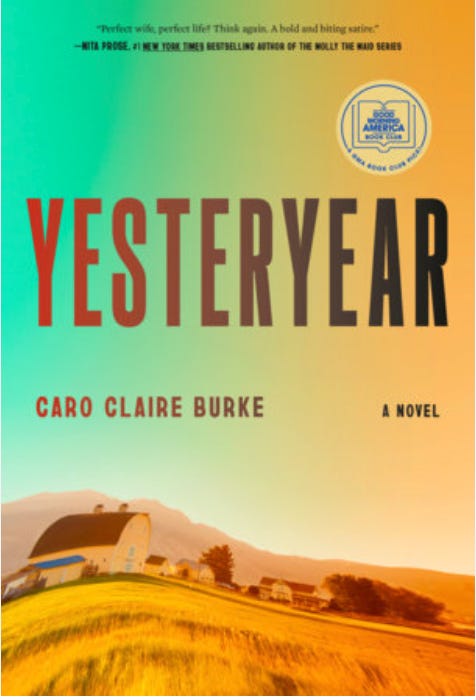
• Yesteryear by Caro Claire Burke. This book has been the hottest and possibly the most controversial book of 2026 — and the premise is a juicy one. Nicole, a modern day “trad wife” influencer, lives on an idyllic Idaho farm, capturing for her Instagram followers a life of simplicity and last-century values. See her perfect loaf of sourdough, her cherubic clutch of children skipping through the golden fields, her handsome cowboy husband dipping her for a kiss in the barnyard. But, of course, life is not what it seems online — and it gets even stranger when she wakes up in 1855 and has to navigate real rural hardship. I laughed out loud and was delighted by this satiric sendup. But then: the end. Uhm… what just happened here? As a writer, I felt the author “cheated” to get the twist, an implausible and unsatisfying end to what could have been a fabulous story! Still, I admire this author, who has been vocal on the themes of this book (down with the patriarchy!) and transparent about how her “instant NYT bestseller” status was not an overnight success story, but one of a decade of several failed novels and a ton of rejection. I am glad I read Yesteryear so I could be part of the conversation!
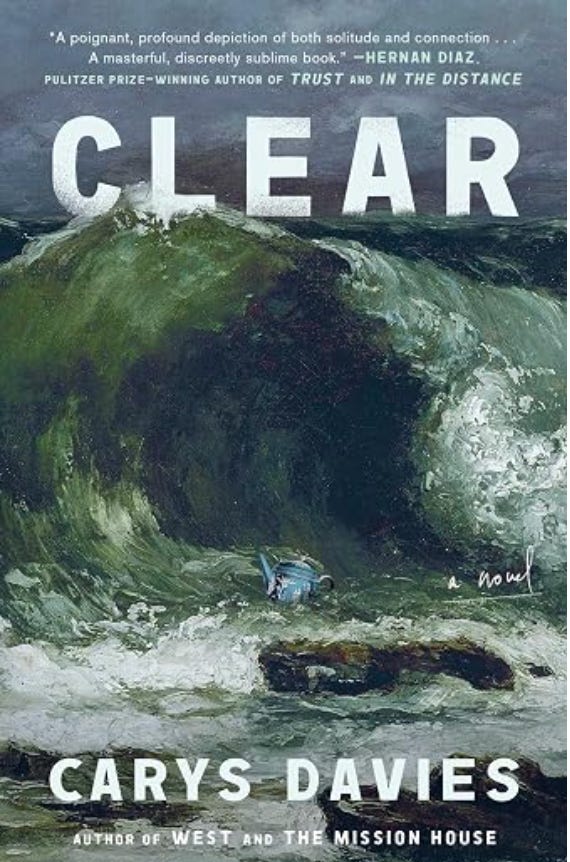
• Clear by Carys Davies. Oh, how I loved this book! A spare novel set in 1843 in Scotland when Presbyterian ministers broke away to form the Free Church of Scotland and — at the same time, wealthy landowners were clearing their lands of impoverished tenant farmers in favor of running sheep. John Ferguson, one of these displaced ministers, takes on a one-time assignment of evicting the sole resident of a remote Hebridean Island, Ivan. Even though they do not share a language, the men form a bond which challenges everything John knows about God and human relationships.
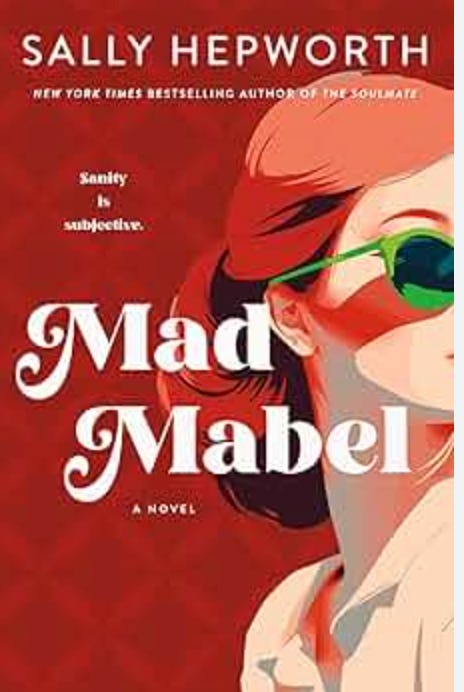
• Mad Mabel by Sally Hepworth. What a fun read! Sally Hepworth creates a lovable curmudgeon in her octogenarian protagonist Elsie Fitzpatrick, aka “Mad Mabel,” who was Australia’s youngest convicted killer when she was fifteen. Now, when her nemesis neighbor dies, she is a suspect — and must clear her name and confront her complicated past. A host of fun supporting characters in this one and several satisfying twists. My one complaint? I love the striking retro-look cover, but don’t really think it captures the story. But it made me want to pick up the novel… and perhaps that is everything?
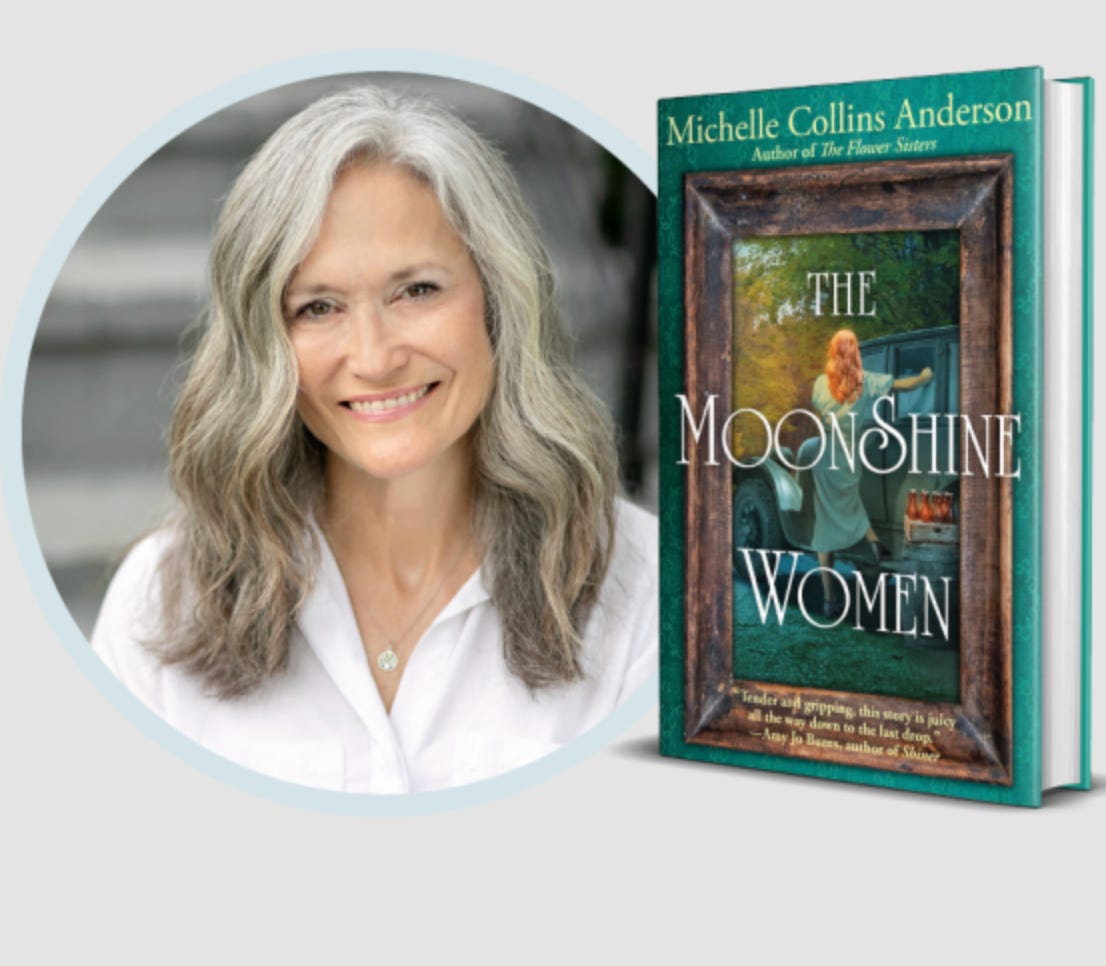
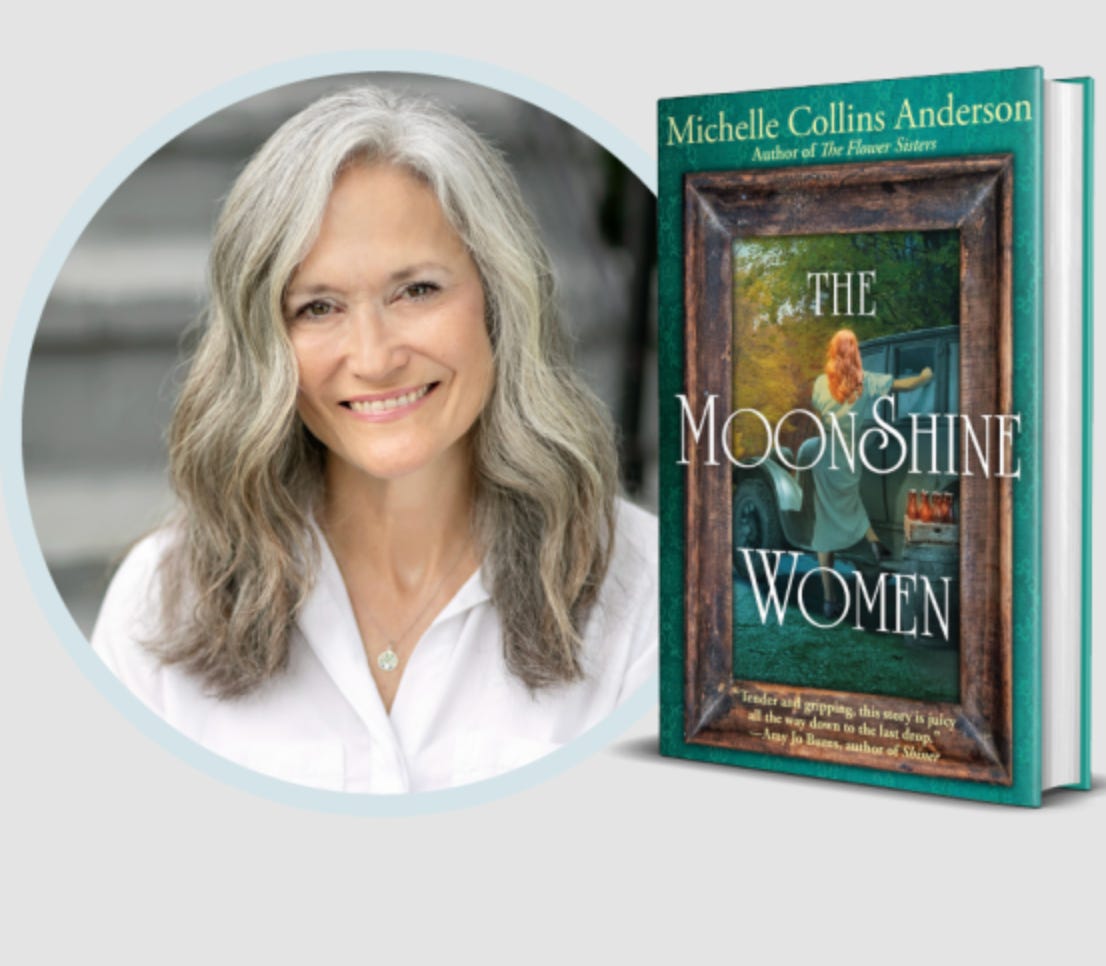
Update on The Moonshine Women. Have you read the book? Did you enjoy it? (Asking for a friend!). If so, you would be doing me the biggest of favors to write a positive review on Goodreads,Amazon, StoryGraph… wherever you buy your books or engage with other readers! You don’t have to write anything (although I would love it if you did!); just a four- or five-star review can go a long ways toward getting the book noticed! Let’s boost this book, friends! And many thanks for your help.
Still need a copy? My storefront on Bookshop.org is the best place for you to order online. Or visit your local indie bookstore! And if you message me, I’m happy to send a signed book plate for your book.
What I’m listening to:
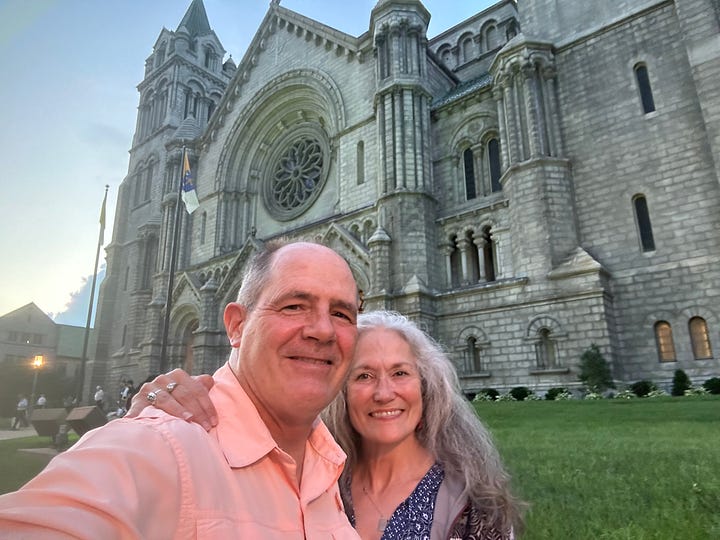
• American Guild of Organists Recital & Choral Concert, Cathedral Basilica of St. Louis. An organist friend told us about this event that kicked off the convention for the American Guild of Organists, which was held in St. Louis earlier this month. It was glorious to hear this sacred music — featuring Tu es Petra by Benton Blasingame — performed in this gorgeous space. It was my first visit to the Cathedral Basilica, which is home to one of the world’s largest mosaic collections, featuring over 41.5 million glass pieces in 7,000+ colors displayed over 83,000 square feet of interior space. Amazing!
What a St. Louis treasure! Just being in this space makes your soul soar... and the acoustics were amazing.
What I’m watching:
• Wimbledon, ESPN. Well, that was fun! I was right: there was at least one new champion at The All England Lawn Tennis & Croquet Club in London. Twenty-one-year-old Linda Noskova won her maiden slam in an all-Czech final against two-time grand slam finalist Karolina Muchova. Her Cinderella story includes a father who worked as a train dispatcher and collected scrap metal to make ends meet; her mother — to whom she dedicated her victory — died of cancer two years ago. Meanwhile, defending champ Jannik Sinner won his second Wimbledon. After a shaky start to his tournament, the Italian was back to prime form as he took down No. 2 Sasha Zverev in an excellent final. The German — who had lost fourteen consecutive sets to Sinner over six matches — took the first set in a tiebreaker, but ultimately couldn’t match Sinner’s nearly flawless tennis. Well played!
• FIFA World Cup 2026.I tuned in for several matches and loved the run the U.S. team made. And what a dramatic final! Had to root for España… so fun to see one of my fave tennis players, Carlos Alcaraz, bringing out the trophy before the match. What a captivating and wonderfully unifying experience for our country to host this competition! I think we all needed that.









Comments
Nothing yet. Say the first thing.
Sign in to join the conversation.