
At the beginning of this year, I stopped everything to focus on one goal: find a story that could confront the growing but quite unrecognized trauma of fear and powerlessness in this country, and make it impossible to ignore. We know the rage and anger, but many do not grasp the trauma and powerlessness because we are too close to the turmoil.
Because something dangerous is happening.
We are watching escalating state power, targeted enforcement, and the erosion of civil norms — and many of us are telling ourselves some version of, “It will all be okay.”
History suggests that’s exactly the moment when it isn’t. America needs a lot more than an embattled midterm election.
Society shifting from comfortable to shocked to terrified to feeling powerless to becoming compliant is a path that the worst parts of history tumbled down.
I am convinced that this is where storytelling is very important to society.
Feeling safe is a dangerous position to take when society is being threatened by authoritarian tyranny and the destruction of American values. We even begin to forget what American values were. We remind ourselves that America has always had flaws, but we lose sight of the fact that right now, America is making a U-turn away from its values.
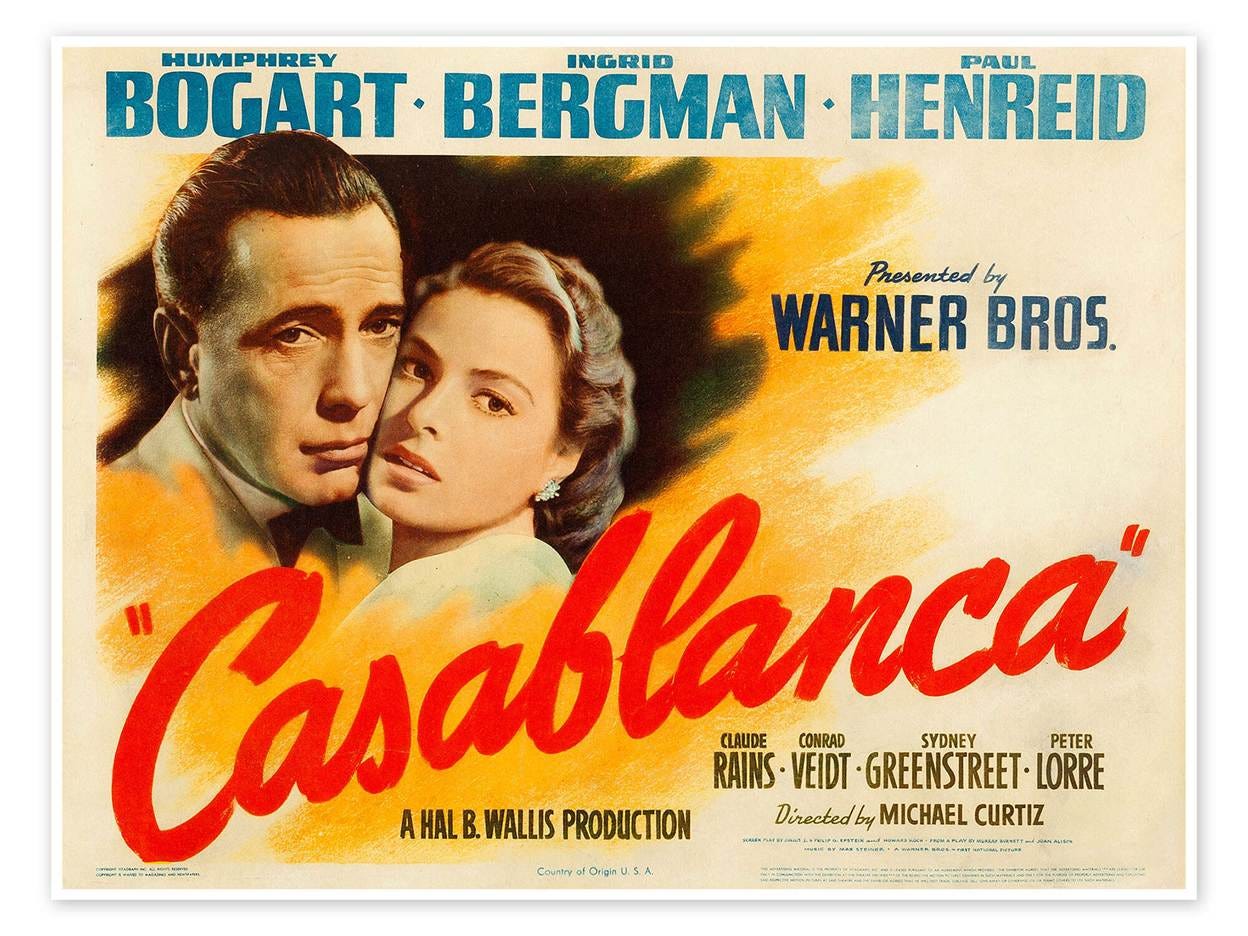
The most important film in my life is CASABLANCA. Growing up, I believed it was a story of victory. My father, Richard Louis Barnard Sr., was a paratrooper in World War II—one of the ones who made it home. He was an anti-Fascist. He was part of the team that won.
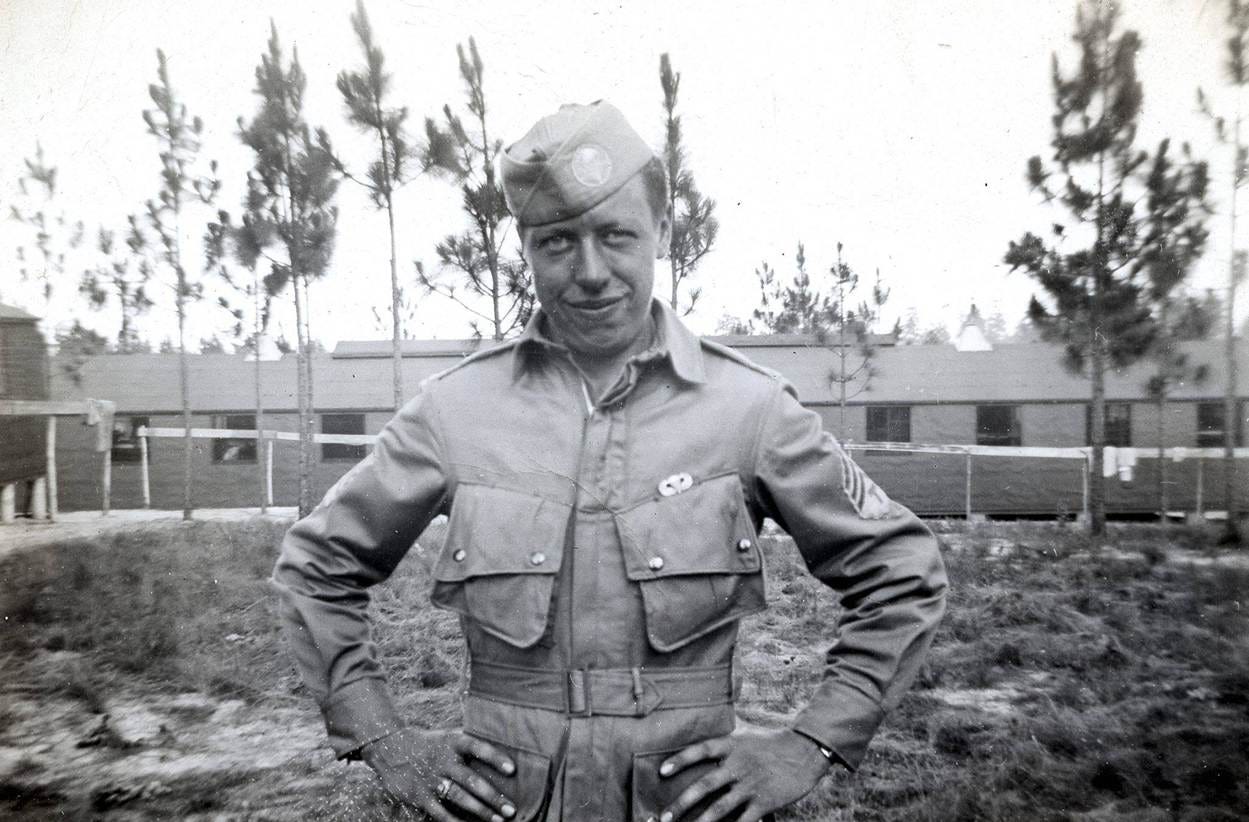
As a child watching that story on late-night TV, I watched it as a story about that win. The obvious victory. For much of my life, CASABLANCA was the tale of victory.
However, after the assault on America by MAGA and Trump, I realized something that changed how I see film: CASABLANCA was made and released in 1942, in the middle of the war.
That story was not a tale of victory. Nobody knew then if we would win. When audiences sat in theaters watching Rick, their husbands and fathers and sons and daughters were dying around the world in a war against Fascists and Nazis.
The movie was a story of the moral stand we must take when we have no idea what the outcome will be … but we know we have to fight against the destruction of democracy.
CASABLANCA, which helped form my moral compass, is a story about recognizing what’s happening while we are inside the battle — when we have to decide what we will do and who we really are.
That realization became the foundation for what I went looking for this year.
I started with what I had around me: a 1934 RCA floor console radio, an 1884 Springfield trapdoor rifle, a 1920s candlestick phone, a century-old coffee grinder … and me. Everything has histories embedded.
Following those histories led somewhere I didn’t expect: the external forces of violence and hate and mob rule we’re living through now — fear, instability, the sense that control is slipping — it all happened before. And I mean, I discovered that it literally happened before.
And when it did, Americans often didn’t recognize the turning point, the unidentified trauma, the overwhelming feeling of powerlessness.
We are there again. Right now.
That recognition became the story I was seeking.
Since the beginning of this year, I’ve been totally consumed building it as a workable, contained, character-driven, powerful story rooted in that pressure. A chance to expose our trauma, to recognize our feeling of powerlessness, to make moral decisions now instead of drifting into a compliant life.
It led, inevitably, to Political Noir.
In my next post, I’ll show you what came out of that process. And in following posts, I’ll describe what I discovered about Noir.
No posts
Comments
Nothing yet. Say the first thing.
Sign in to join the conversation.