
One of my favorite parts of doing what I do here on Substack is all the content and writers I’ve come across also exploring issues like hunger and inequality. Part of my advocacy endeavor is also to elevate those voices.
This monthly roundup is yet another way I aim to do my part in building an ecosystem of champions for a more equitable world. Here is a collection of some content I’ve found interesting and insightful over the past month.
In this in-depth writeup, Mark Roberts examines how the compounding effects of the 2026 summer heat are straining American food systems on both land and sea. Beyond the immediate impact of record-breaking heat domes on crops and livestock, the piece highlights a persistent marine heatwave off the West Coast, creating a dual crisis for agriculture and fisheries alike.
Roberts emphasizes the “food-energy-water nexus,” where extreme temperatures force competing demands for vital resources. By exploring the biological toll of warm nights on crop yields and the physiological stress on livestock and marine species, the article underscores the fragility of current food security frameworks.
This piece connects geopolitical conflict in the Persian Gulf to domestic food insecurity. He explains that U.S. refineries’ structural reliance on imported heavy crude means that regional conflicts can spike diesel prices, which fundamentally underpin the nation’s agricultural and distribution systems.
While these retail price increases may seem marginal to most, Bowen emphasizes that they are regressive. Low-income urban households, already spending a disproportionate share of their income on food and facing limited alternatives, bear the brunt. He argues for temporary, targeted SNAP adjustments to mitigate these avoidable hardships.
This is a grounded, non-commercial approach to weight loss, steering readers away from fad diets and quick-fix products. Drawing from his background in exercise science, Nic Whisnant emphasizes that sustainable results come from three pillars: making small, consistent adjustments to food intake rather than drastic cuts, increasing daily physical activity through simple habits like walking, and maintaining long-term patience.
Whisnant argues that consistency is far more powerful than intensity, noting that viewing progress in months and years — rather than weeks — is essential for lasting health.
Meghan Nicholls examines the contradiction between rising grocery profits and the growing number of people relying on food banks. She points out that while major retailers contribute to charitable food programs, these efforts have not successfully reduced food insecurity.
Nicholls questions whether relying on existing industry structures is sustainable and asks if food companies should be evaluated by success metrics beyond share value. She calls for a deeper look at whether policy, labor, or social safety net changes are necessary to ensure people can afford their basic needs.
Providers, not patients: We should trust mothers to end hunger
·
Jul 6

By treating mothers as the primary experts of their own households rather than patients requiring intervention, guaranteed income provides the stability necessary for families to make healthier, long-term dietary decisions that compound over time.
Books that rewired my worldview: Utopia for Realists
·
Jul 2
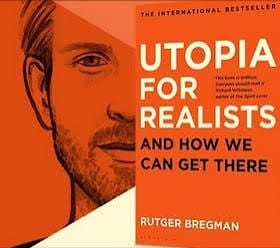
Growing up in a conservative household, I was taught to view the world through a specific lens of individual responsibility. But the transition to the progressive advocate I am today — the one writing about SNAP and systemic inequality here in my free time — wasn’t a singular event. It was a slow, steady dismantling of those old frameworks, often happening one chapter at a time.
Thank you for reading. If this piece resonated with you, the best way to support my work is by sharing it. Every share helps grow this community of advocates committed to ending hunger and food insecurity in our communities.
No posts
Comments
Nothing yet. Say the first thing.
Sign in to join the conversation.