
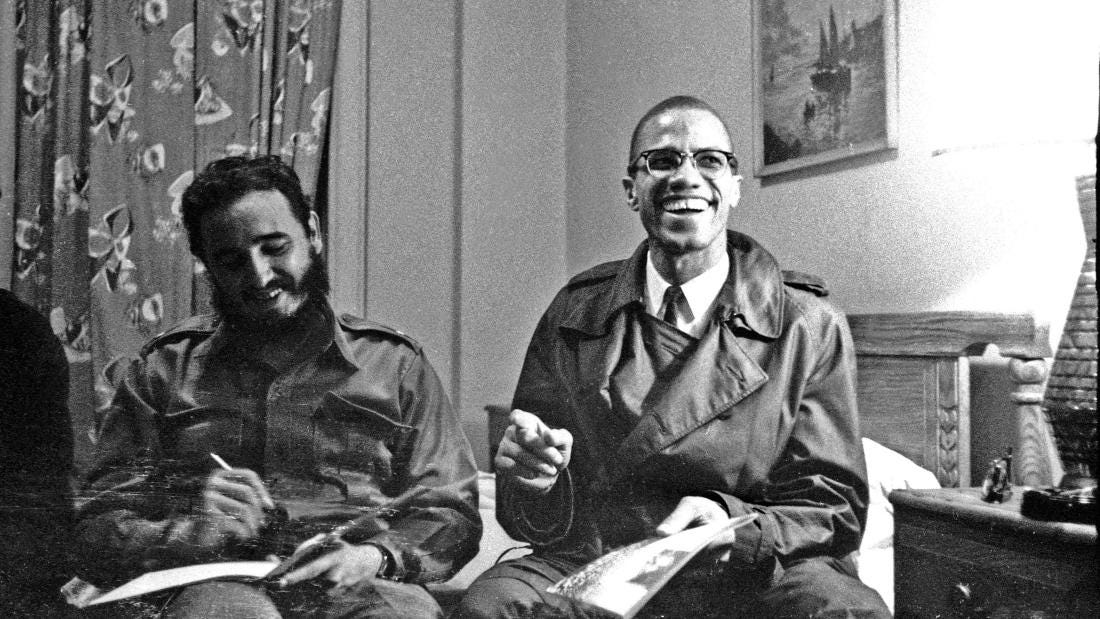
Most jarringly, the report groups together the US’s long internal struggle around civil rights and social reform and reframes it as a battle between the forces of foreign actors and “western civilization”, lingering over groups such as the Black Panthers, which it credits to Cuba. — The Guardian
Following up on my Sunday’s Commun[ism] Schism post about Trump’s return to Cold War, Red-Scare politics, there are two new documents worth reading. The first is a new State Department report called Cuba: The Capital of 21st Century Communism. The second is an op-ed piece by NYT columnist Jamelle Bouie, Trump’s New Insult Won’t Save Republicans.
The State Department report is less about Cuba and more about Trump’s attempt to shift attention away from his disastrous war in Iran and worsening economic conditions onto his new anti-communist crusade. He, along with Marco Rubio, has redrawn the map of “domestic extremism” so that the American left is treated as a foreign communist-inspired threat rather than the inevitable grass-roots product of inherent contradictions within the country. The ridiculous, desperate claim is that every social protest movement from the New Left in the 60s to Black Lives Matter has been a Cuban invention.
Rubio has spent years arguing that Cuba is the “brain” of left‑wing movements across Latin America, a kind of small island Comintern. The report tries to extend that logic to the U.S., claiming Cuba runs influence networks that reach into American labor, media, elected office, and activist groups from Code Pink to the National Lawyers Guild. He offers up a list of 43 Americans in the document, including NY Mayor Zohran Mamdani, Somali‑American environmental and social‑justice activist Isra Hirsi, political commentator and Twitch streamer Hasan Piker, Amazon Labor Union founder Christian Smalls, Democracy Now founder Amy Goodman, and Los Angeles Mayor Karen Bass. By naming DSA members, Black freedom fighters, labor organizers, journalists, and other activists, the report blurs the line between espionage and solidarity, activism, and criticism of U.S. foreign policy.
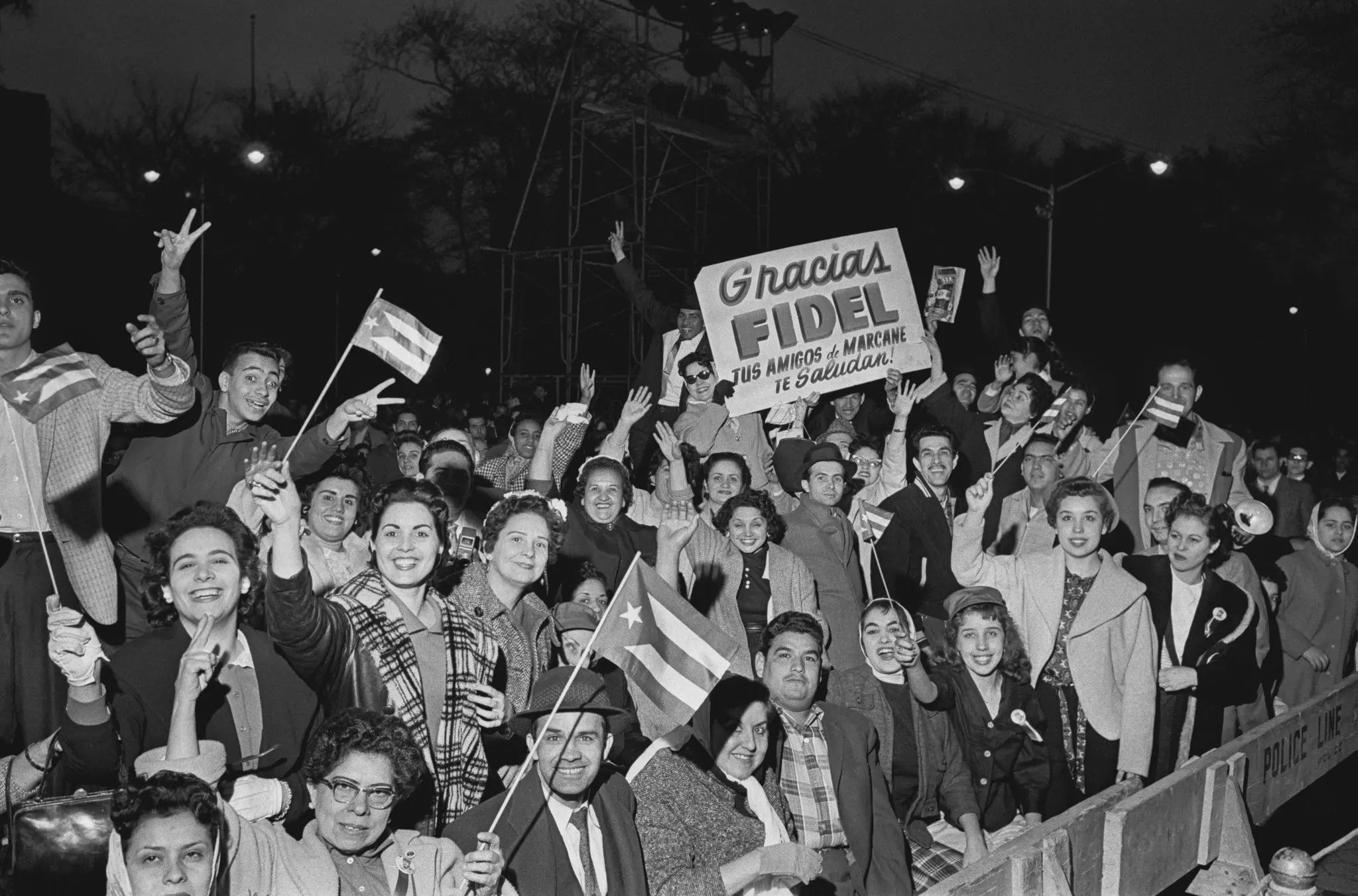
The report’s political purpose is to frame certain U.S. left‑wing movements as “foreign‑aligned” rather than domestic. It uses Cold War language (“front groups,” “fellow travelers”) to imply ideological proximity to Cuba
The list includes elected officials, labor leaders, media figures, and activists.
This is a classic tactic: if you can paint domestic dissent as foreign‑directed, you delegitimize it and make it easier to surveil, marginalize, or criminalize.
Americans are neither as hostile to socialism as they once were nor as positive toward capitalism as they have been in the past. More important than polling, however, is the fact that for many Americans the “communist threat” is a total abstraction. There are tens of millions of voters (this columnist included) who were young children when the Soviet Union fell. There are millions more who weren’t yet born. For these Americans, communism is as much a concern as the missile gap or the Contras. It is completely unresponsive to the circumstances of their lives — to their struggles with housing, health care and the overall cost of living.
More Bouie,
It is unclear exactly what Trump has in mind when he says “communism,” although there is no reason to think that the president could distinguish Marxism-Leninism from Maoism or Trotskyism or some other more boutique formulation. Whatever his meaning, the important point is that communism is, to the president, the single greatest threat to the safety, prosperity, and integrity of the United States.
Bouie’s final sentences offer us a realistic assessment of Trump’s Red-Scare game plan.
The president’s attempt to drum up a third Red Scare is certain to fail. If it matters — if it is interesting — it is only because it gives us a glimpse into the stunted imagination of a man who seems to value only the worst this country has to offer.
The entire list of 43 Americans hasn’t become available to the public yet, so I’m anxiously waiting to see if I made the cut.
Comments
Nothing yet. Say the first thing.
Sign in to join the conversation.