
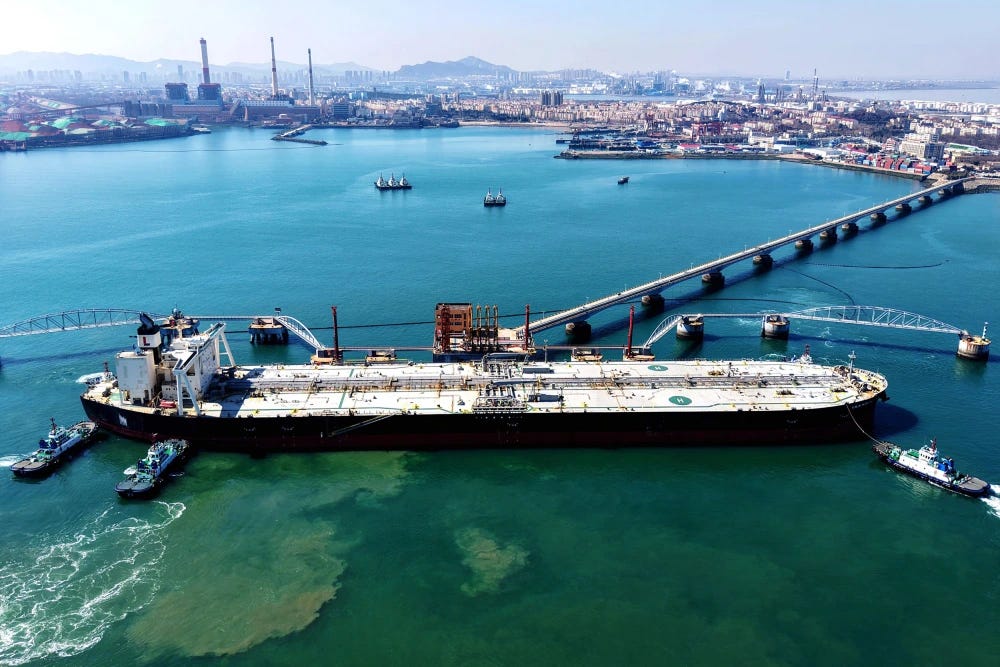
U.S. and Israeli strikes killed Khamenei and other senior officials and Iranian scientists but failed to collapse the Iranian state or reopen the Strait of Hormuz. Tehran defended itself using asymmetrical warfare, firing missiles and drones across the region. Trump’s disastrous military campaign has failed, leaving him no reasonable way out before the midterm elections besides a full retreat and ceding to Iran’s negotiating points.
Since a battlefield victory has become little more than a Trump wet dream, he’s falling back on his usual ploy, threatening friends and perceived enemies economically, from Canada to Cuba and now with Iran.
Operation Economic Outcast is Trump’s latest, desperate attempt to replace a failed military strategy with an economic siege, meant to sever every remaining revenue stream that keeps Iran’s state apparatus functioning and to place great hardships on the Iranian people. Treasury Sec. Scott Bessent calls it an “economic D-Day,” explicitly framing it as the economic equivalent of landing craft on the beaches of Normandy. Trump claims they will be the “toughest sanctions in history.”
But if the D-Day rhetoric was meant to project military strength, it has done just the opposite. It only stands in stark contrast to Trump’s earlier saber‑rattling about boots on the ground, seizing Karg Island, or opening the Strait and taking the oil by force. Those military threats never became operational plans. They were empty. The economic campaign, however, is real and will be costly both in Iran and here in the U.S.
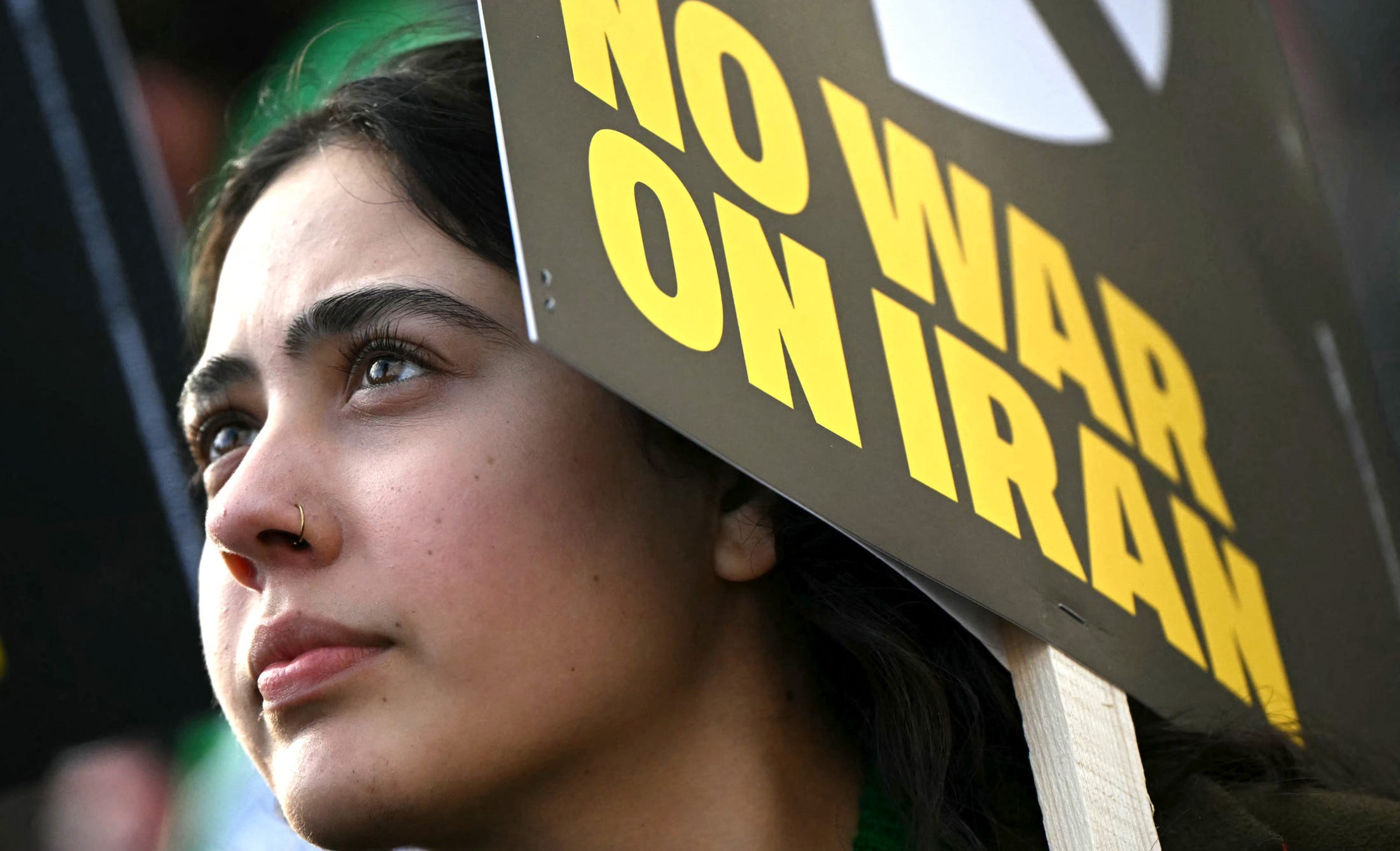
Trump isn’t just copying Israel’s Gaza policy. He’s adopting Israel’s long‑standing genocidal doctrine of strategic deprivation to force a surrender. By threatening foreign firms, banks, shippers, insurers, and brokers who touch Iranian oil, gold, tech, aviation, shipping, or digital assets, the U.S. is also provoking a potential military confrontation with China, Turkey, and other Iran trading partners, which could turn a trade war into a hot war.
China is the decisive factor, and it won’t comply.
The U.S. can sanction Iran, but that ploy won’t work on China, which buys 80–90% of Iran’s oil exports. China is not a bystander in Iran’s economy, it is the primary buyer, primary shipper, and primary financial facilitator of Iranian crude. When the U.S. threatens Chinese banks, Chinese insurers (for tanker coverage), Chinese shipping firms (for moving Iranian crude), and Chinese brokers, it is effectively telling Beijing, “Your commercial lifelines are also subject to U.S. military‑adjacent coercion.”
Bound to fail
This strategy is bound to fail because it seeks to achieve a military objective with economic tools in a world where the target (Iran) has alternative lifelines and the main enforcer (the U.S.) no longer controls the global economic system as it once did.
It will fail because Trump just recently threatened to bomb U.S. ally Oman, and you cannot run a global economic siege while threatening to bomb the very states you need to enforce it.
It’s bound to fail because Iran’s economy is already sanctions‑adapted. Iran has spent 15 years preparing for this, including domestic production of key goods, shadow fleets of tankers, and solid trade networks with China, Turkey, Russia, and some of its Gulf neighbors.
And finally, it’s bound to fail because it lacks support here at home and in Congress. Public disapproval of the U.S. military conflict with Iran has grown significantly, with roughly 57% of Americans now opposing the war as it enters its seventh month.
Trump’s trade and sanctions wars ultimately fall back on the shoulders of American consumers with skyrocketing energy costs and instability, and likely won’t play well in November
Comments
Nothing yet. Say the first thing.
Sign in to join the conversation.