
I am always alone when I go on my photo walks. My focus is entirely on my surroundings. I can switch off, let go of my thoughts, and spend some time fully in the moment. I find this very liberating. It contributes noticeably to my mental balance – and probably to my overall health as well.
I have often heard other street photographers describe this as a kind of meditative state. I personally would not go that far. Still, this time is an important part of my personal well-being. Not only physically, because of all the walking, but above all mentally: through focus, concentration, and the visual challenge of conscious seeing (more on this in my older blog post The Importance of Seeing in Street Photography).
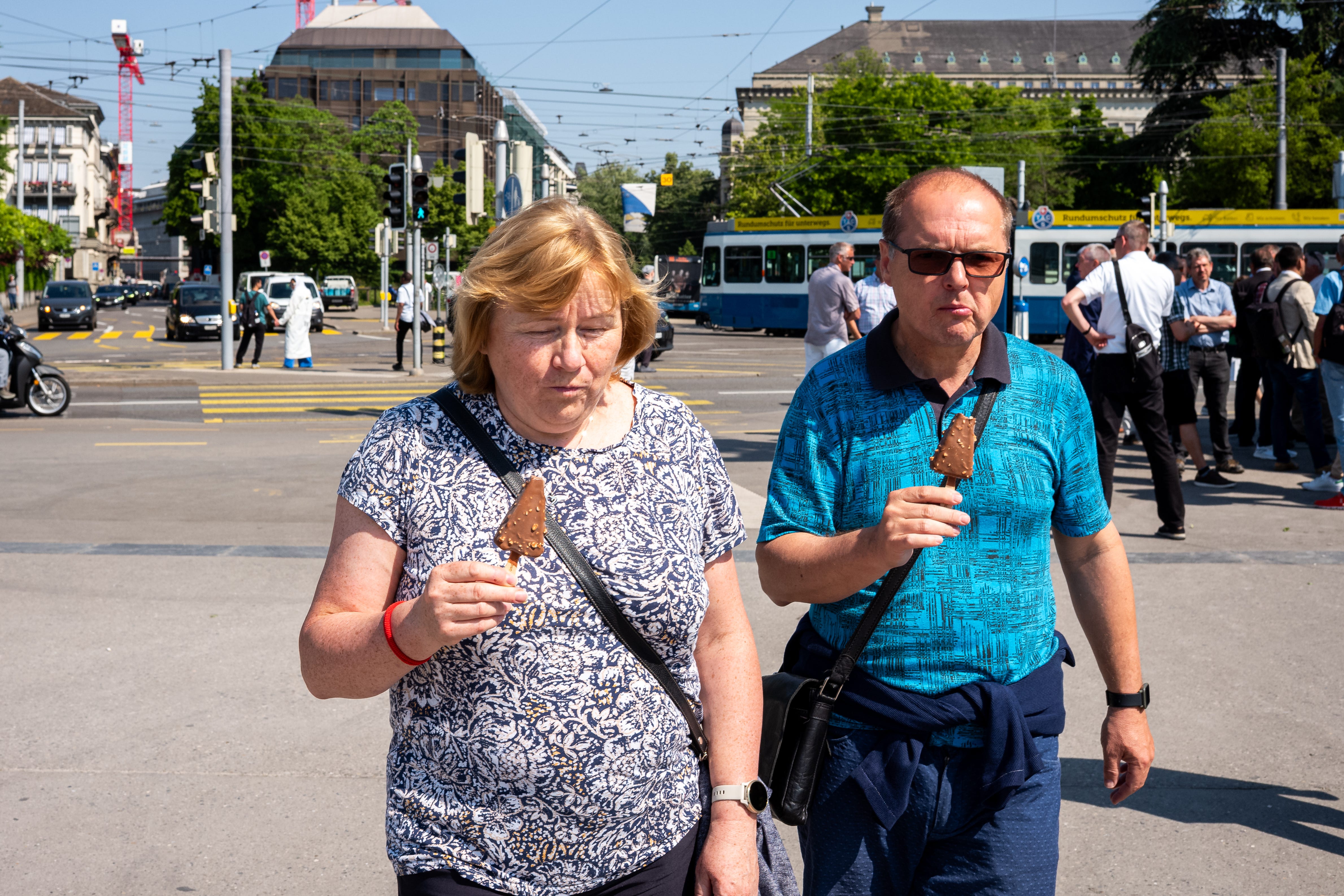
Photo Walks Between Focus and Letting Go
Not every walk is the same. There are days when I am out for several hours and my thoughts constantly drift. I think about all sorts of things – everyday matters, personal topics, work-related issues. Very often, though, my thoughts revolve around street photography. The range is broad: possible projects, new ideas, ways to further develop myself, or things I would like to improve. Again and again, however, the fundamental question arises: Why do I do this at all? Why have I been pursuing this activity with such an obsession for years? Why spend endless hours and effort for less than a handful of good shots a year in return?
When Some Thoughts Grow Quieter – and Others Louder
Reflection is just as much a part of being out there as photographing itself. It is not about questioning everything or losing a sense of purpose. Rather, it is about listening inward—trying to understand where I stand and how important this work truly is to me. And every time, I arrive at the same conclusion: I am highly motivated, I have a clear vision, high expectations, and many ideas and plans waiting to be realized. And most importantly, I enjoy the process of being out, observing our world, and searching for the unexpected.
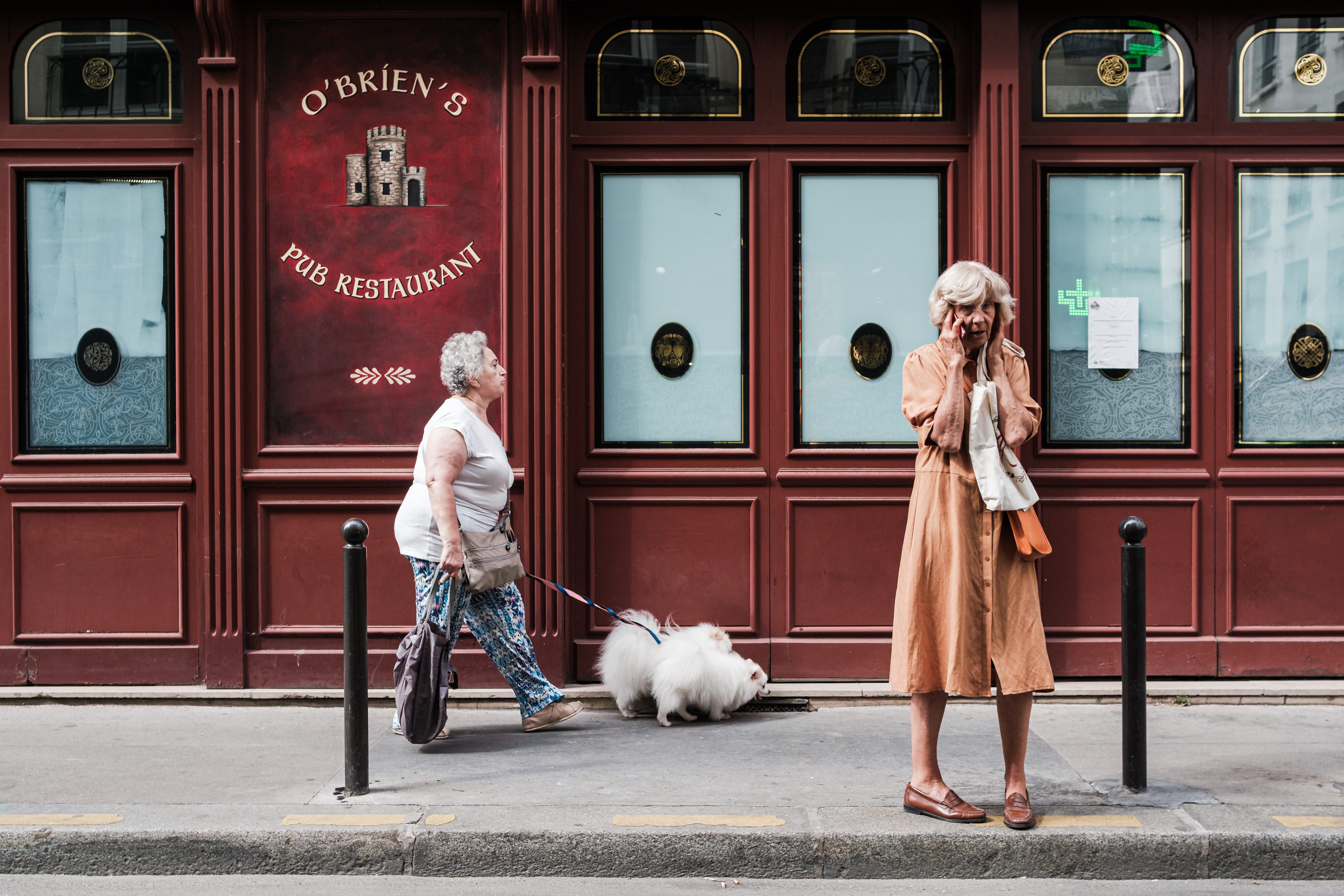
Why Street Photography Is More Than a Genre
The question of why is not a new one – and it can be answered quite clearly. Someone who has described the importance of street photography very precisely is Melissa O’Shaughnessy. In her many interviews, she often speaks clearly and convincingly about why this subgenre of photography has a strong justification. Melissa explains that Street photography captures our environment: people, social developments, trends, and changes. In doing so, it makes an important contribution from a documentary perspective.
Images That Stand the Test of Time
Some photographs only reveal their full impact years or even decades later. Today, most people – even those with no connection to street photography – are fascinated by images that go back forty years or more. Photographs by Helen Levitt, or Lee Friedlander and all the others resonate more than ever.
Who does not enjoy looking at how our world used to look: the people and their clothing, the cars, the streets, the atmosphere of a long-gone time?
Between Everyday Image and Artistic Statement
Not every image remains. But some do. Of course, one could argue that today we all take countless photos with our smartphones and that our time is therefore already thoroughly documented. So why do we still need photographers walking the streets and taking additional, unsolicited photographs?
I am convinced that the images that remain are those that are more than a quick snapshot. Images with artistic ambition. Images that capture special situations in everyday life with a strong visual language. These are the photographs people want to look at – today and in the future. In addition, street photographers often compile their work into books. Especially when these books address their themes thoughtfully, they become valuable documents of our time, with lasting significance. Charles H. Traub’s wonderful book „Dolce Via Nova“ about life in Italy in the early eighties is one of many good examples in this regards.
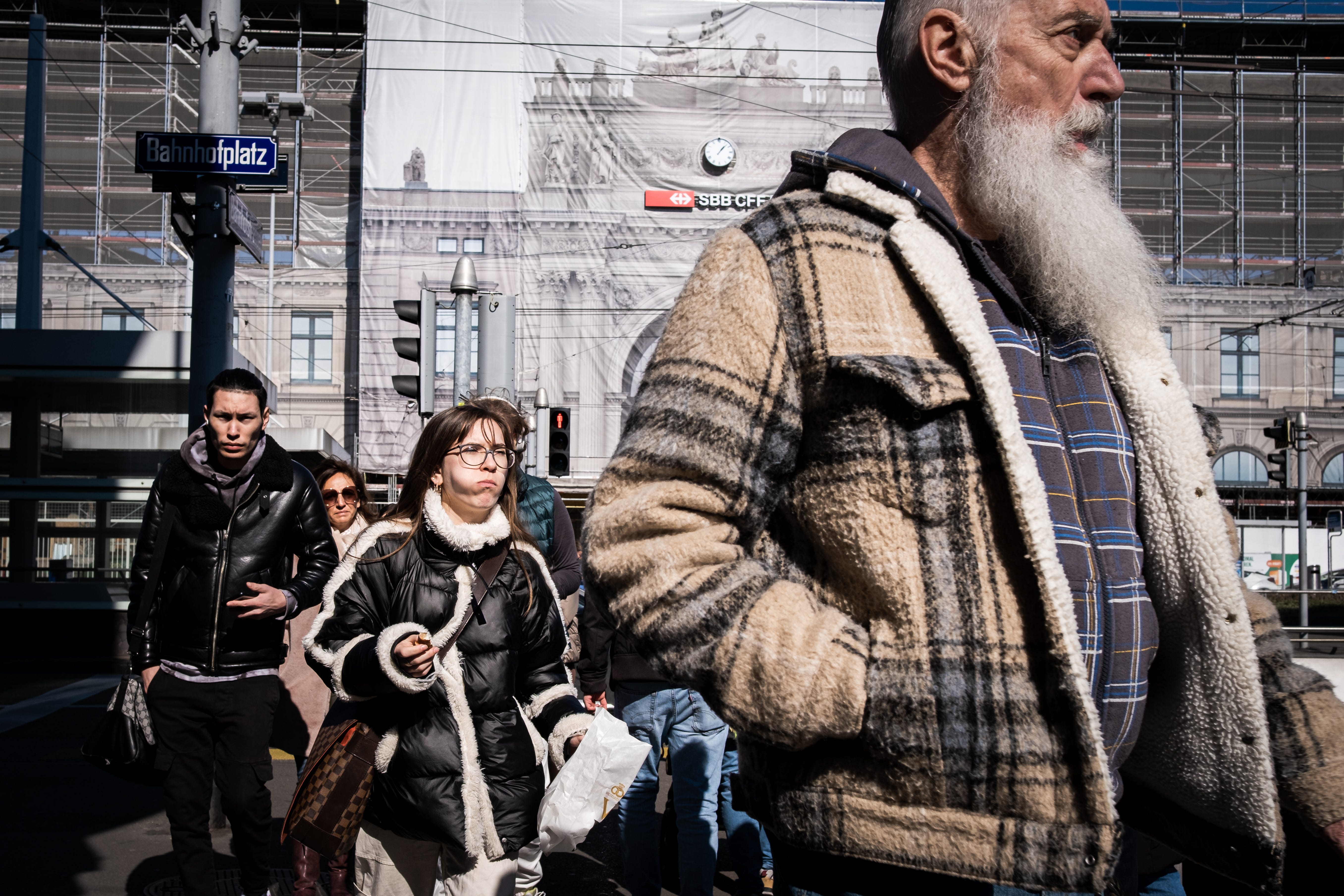
The Search for One’s Own Photographic Voice
When talking about strong visual language, self-criticism is a necessary part of the process and a prerequisite for growth and meaningful work. Where I am particularly critical of myself—and where I regularly engage in intense reflection—is in questioning the identity of my street photography and the quality of the work I produce.
What is my style? Am I able to deliver the quality standards I aspire to? Where is my photographic journey heading? I consciously return to these questions again and again, often doubting myself in the process. Closely connected to the question of why we practice street photography, this topic nevertheless deserves a separate blog post. These questions, however, leave me in greater doubt than the question of why.
Why This Work Makes Sense to Me
Ultimately, I am convinced that my work is important and meaningful. That with a high standard of artistic creation, I can create something that offers both myself and the viewers of my images more than fleeting snapshots. This aspiration – the pursuit of quality, uniqueness, and a distinct photographic identity – is what motivates me to spend hours outside, alone, day after day, without feeling that there is an end in sight.
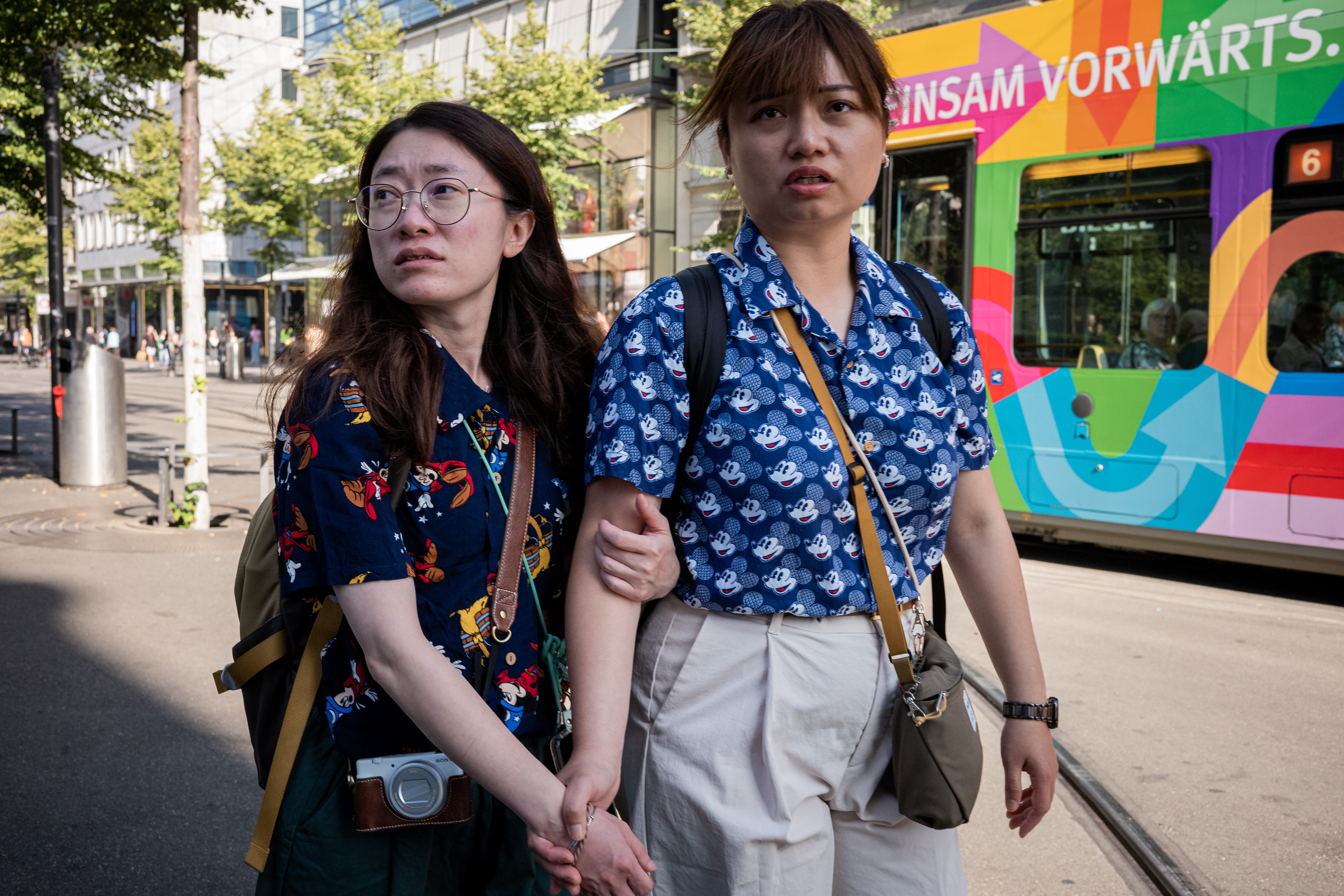
Thanks for reading! This post is public so feel free to share it.
No posts
Comments
Nothing yet. Say the first thing.
Sign in to join the conversation.