
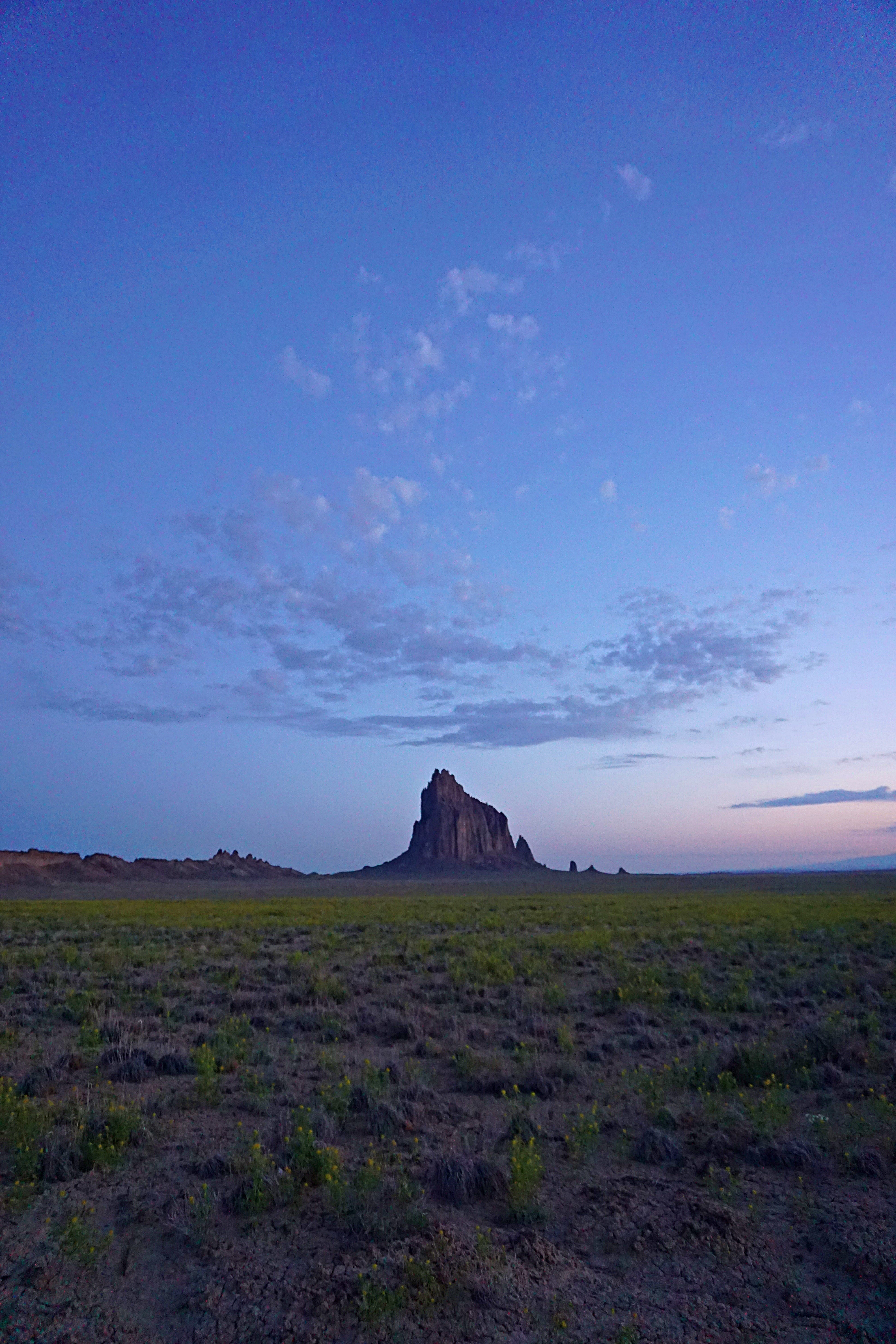
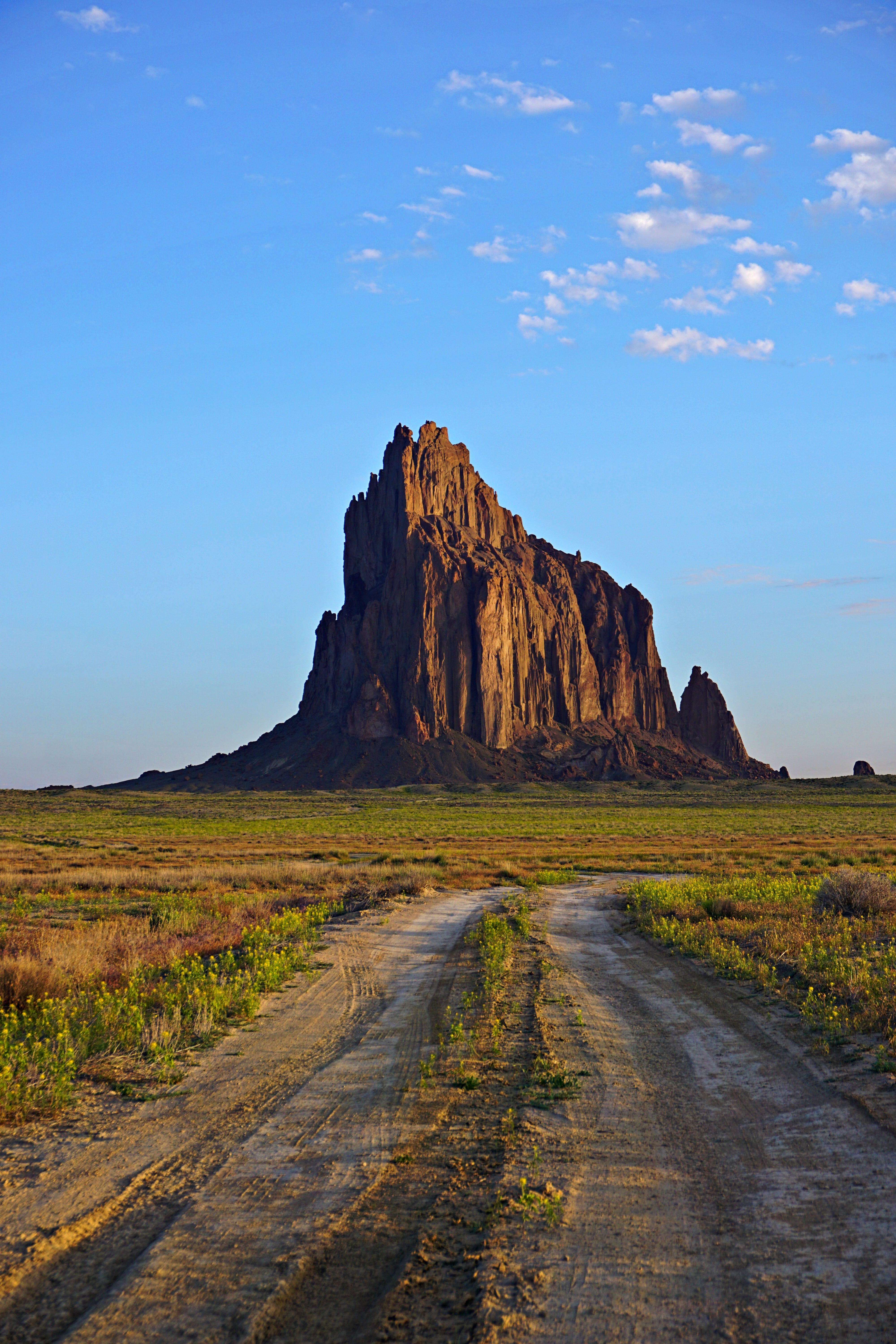
There is no clear road to Shiprock. The random Ley lines of dirt tracks scattered around the towering monolith are as ambiguous as they are rough. All the map apps I checked seemed at a loss to plot a course. All they said was that it would take an hour and 40 minutes to get there from Farmington, New Mexico, even though it’s only 40 miles away. Once I reached the scattered tracks, I understood why.
I was never quite sure I was on the right path, or even that I wasn’t maybe trespassing on someone’s private land. There were no signs. No indications of recent traffic. No way to tell where the path I traveled would lead. But as I bounced along fitfully at three miles per hour, I soon came to appreciate whoever set it all up this way, if anyone did, because it forced me to go slow, to pause and look at the Rock a hundred different times from a hundred different angles before I ever got close to it. That’s just the way it ought to be, I realized. One shouldn’t be able to rush up to Shiprock. It’s best to approach it slowly, thoughtfully, with care and presence, and even a little trepidation.
I eventually came near it two or three times, on different dirt paths, each coming at it from a different angle. I could have driven all the way to the base, but I didn’t. It’s not as good for photographing it, for one thing, but it also didn’t feel right to do it. This place has history. It’s sacred to the native people who once thrived in these lands. It currently sits under Navajo jurisdiction. You’re not allowed to climb on it. I figured I would do them one better and keep a respectful distance as I captured its glory in the morning light.
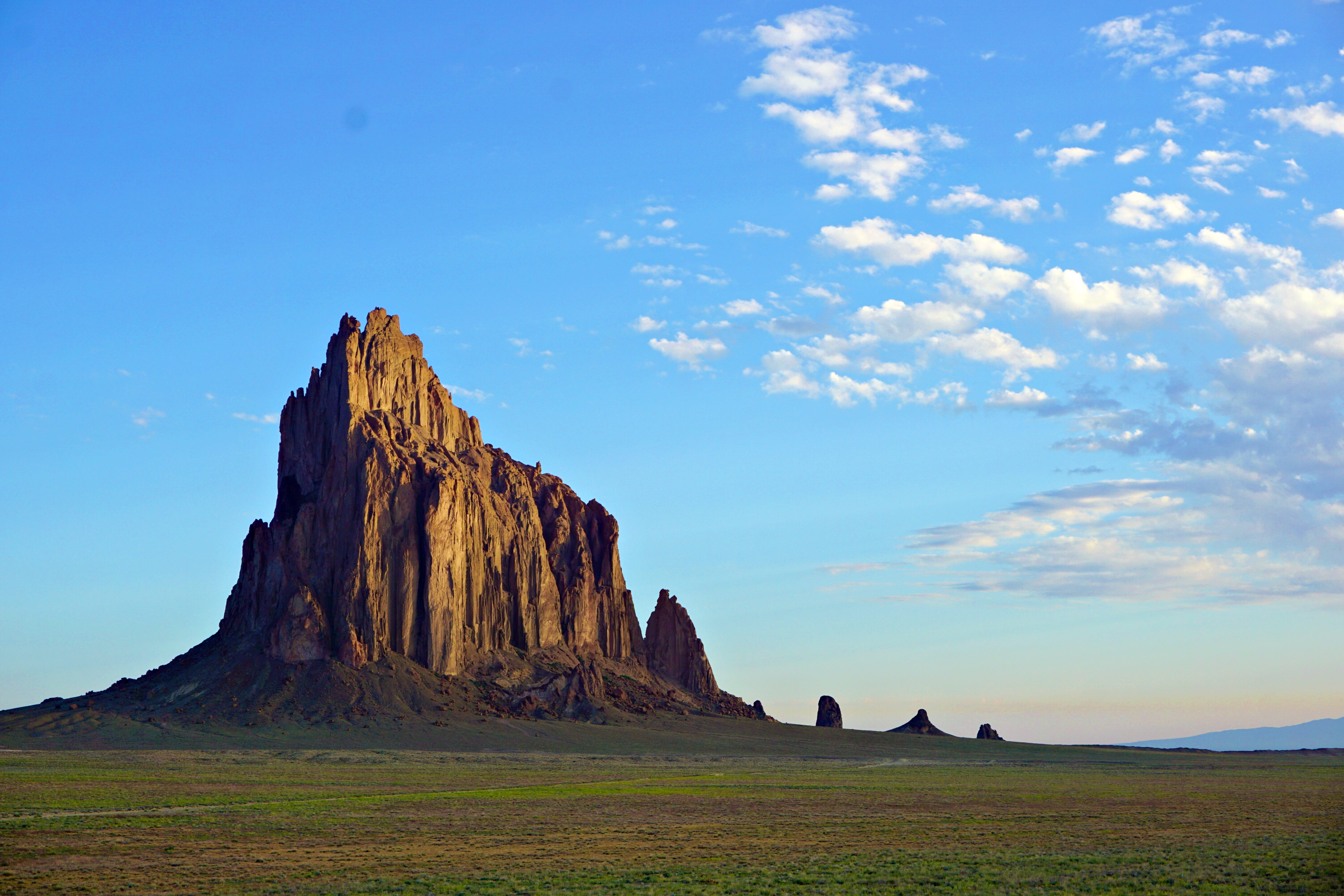
I really did feel something there. In the air. In the ground. In the Rock. It rises from the desert flats like a sentinel or a prophet. It stands in the Great Silence, daring you to come close and listen to what that Silence can teach. It’s so vast, its roots so deep, its memory so long, it didn’t even know I was there. But I could sense it. I felt the memory of the place. I heard the echoes of all the ceremonies and celebrations and convenings and other happenings that had happened there, like a fine fabric blowing on the gentle morning breeze, stirring in the fine ochre-colored dust.
Many spirits fill this space. But the Great Spirit most of all. Other spirits have tried to lay their claim here, but the Rock was God’s in the beginning, and God’s it remains. I wonder what that Holy Spirit wants me to hear in this landscape of power and silence. I wonder why God brought me here.
But I don’t ask for answers to those questions. I know that’s not how this trip is going to go. I’m on God’s turf now. This is all his plan, his way. So I simply listen. And wait.
I’ve taken solo trips with God every year for nearly two decades now. I’ve traveled overs mountains, up rivers and their valleys, across plains, and along countless stretches of open road. Every time, I go with the express purpose of having a conversation with God. To that end, I prepare in advance. I make a list of questions and topics, things I want to ask about. I gather several audiobooks and create playlists of new music that speak in some way to the themes I want to explore. On all these journeys, I’ve been alone, but it’s rarely been a quiet affair. Any other soul I happen to encounter is likely to catch me talking out loud, which is my preferred style of prayer, or else singing along with the tunes pouring out the open windows of my car.
But this trip is different. This time I’ve come without any questions for God—except this one: What’s waiting for me in the Silence? On this journey, I mean to speak little, and to focus my heart, my mind, and my body to be wholly present and simply listen. To be there. To fuse with everything. To pay attention. To be devoted to this above all else. I have come to call forth my soul to engage with Life in the enlivened way the poet Antonio Machado describes:
No, my soul is not asleep
It is awake, wide awake
It neither sleeps, nor dreams,
but watches,
its clear eyes open,
far off things, and listens
at the shores of the Great Silence
It is the way of via negativa, the coming to knowledge of what God may be by way of encountering all that God transcends. We rightly say that God is good or loving or just, but our concepts of these things are far too limiting to contain what God truly is. God transcends all the words we may employ to describe him.
This is why Meister Eckhart said that there is nothing in the universe that is so like God as silence—because it’s only in the “Great Silence” that we can hope to begin to approach the ineffable presence of what God may truly be.
The Jewish rabbis have a stark and lovely way of saying this when they argue that God is wholly set apart from the universe of created things. God is uncreated, and is therefore not a “thing,” which is to say he is “no thing,” or “Nothing.” By this they mean God exists in the nothing beyond all the things in this universe, and none of those things can hope to name him or capture his essence. He exists in the no place beyond where all our words and knowledge can reach.
So then, the only hope we have of ever truly encountering God as he truly is, even in a distant, opaque way, is by listening “at the shores of the Great Silence.”
That’s why I’ve come to the desert, to listen to the Silence, and see what it can reveal.
I’m certainly not the first to come to this idea. My Christian faith tradition, and the Jewish tradition from which it sprang, has a long, storied history of encounter with God in sacred, wild, desert places. It was into the wilderness that God called Abram, to “a place that I will show you.” It was in that same wilderness where God made a unilateral covenant with Abram, changing his name to Abraham, and giving birth to the dream of a people of faith, who now cover the earth.
It was in the wilderness that Jacob first saw the ladder as he fled for his life; and later, where he wrestled an angel, and God gave him a new name as well.
It was to the desert that Moses was banished for 40 years, where his soul was slowly purged of its impulsive pride, and where at last, when the time was right, he found the call of God once again in the burning bush.
When Moses delivered the people of Israel from slavery in Egypt, it was into the desert that he delivered them. There they wandered for 40 years, learning to let go of their chains and truly follow a living God.
It was there at the desert mountain where God revealed himself, not only to Moses, but to his people, and the revelation disturbed them so profoundly they begged Moses to ask God to hide himself again.
It was on that same desert mountain where Elijah learned first hand that God is not in the wind, or the earthquake, or the fire; rather, he is in the Silence.
What is God’s love affair with the desert? Why does he so consistently push his chosen ones to pursue him in dry, desolate places? What gift lives in those wild landscapes that they cannot receive anywhere else?
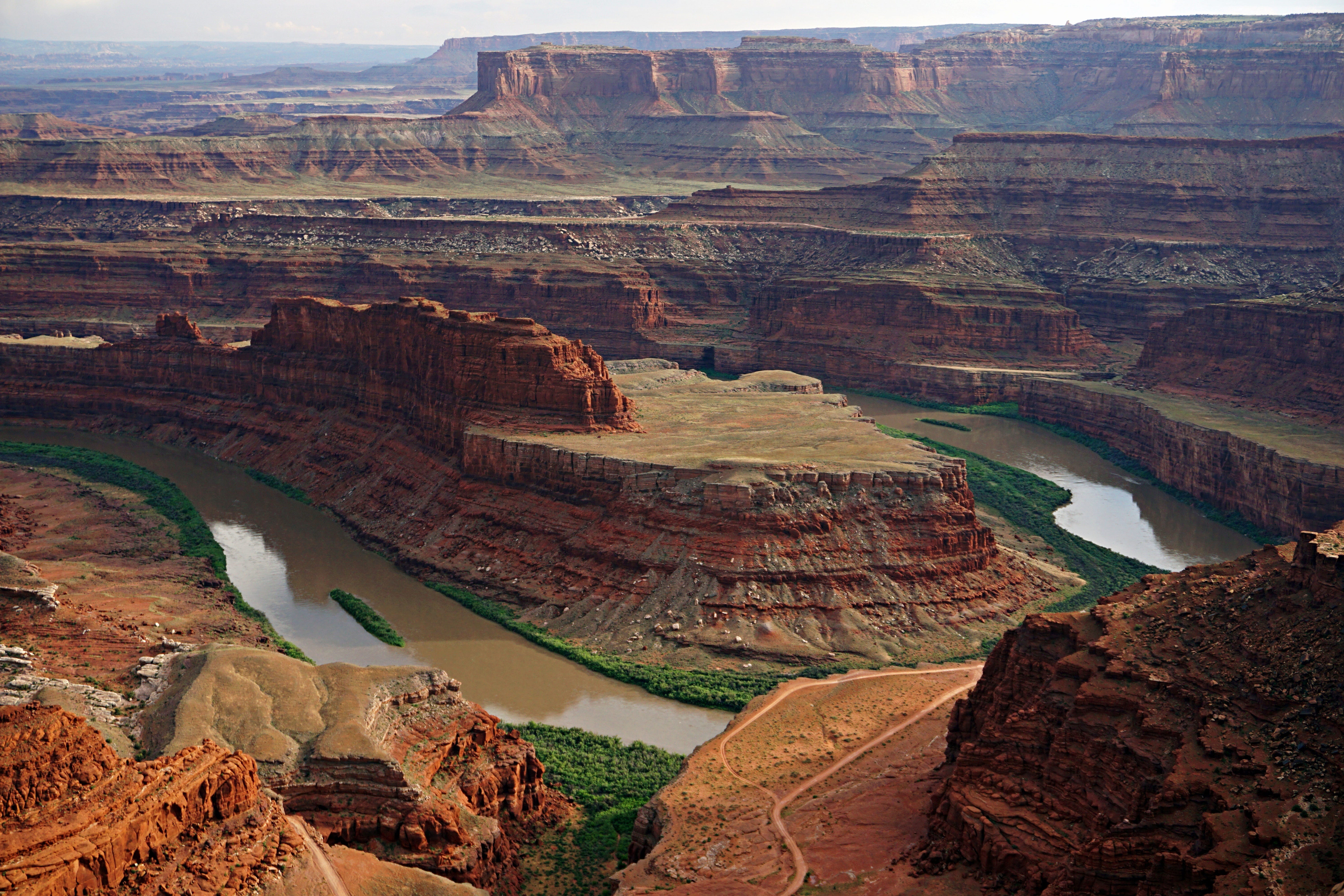
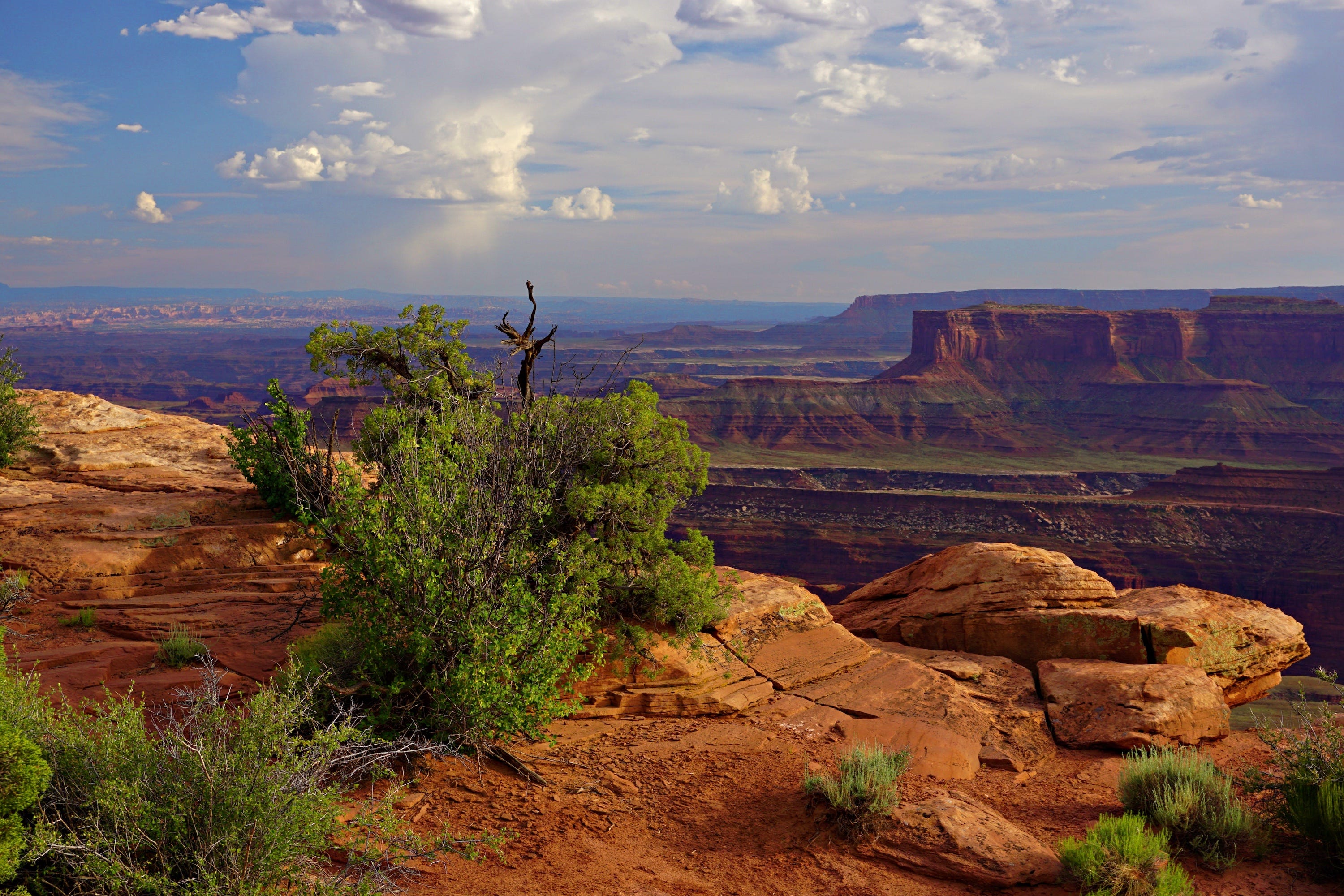
I spent my first Golden Hour at Dead Horse Point State Park, Utah, a beautiful place full of stunning vistas that often goes overlooked in the shadow of its larger brother next door. But the photographers of the internet admonished me not to miss it, so I decided to take my journey into silence there.
I found the beauty mesmerizing. Dead Horse Point is an expansive rolling plateau, floating 2,000 feet above the Colorado River, which carves its winding way through miles of red rock, leaving pure art in its wake.
After surveying the edge of the park for some time, I found the partially hidden ledge one photography blog told me about, which afforded me a grand unobstructed view of the expanse below, and I settled into the silence to await the setting sun.
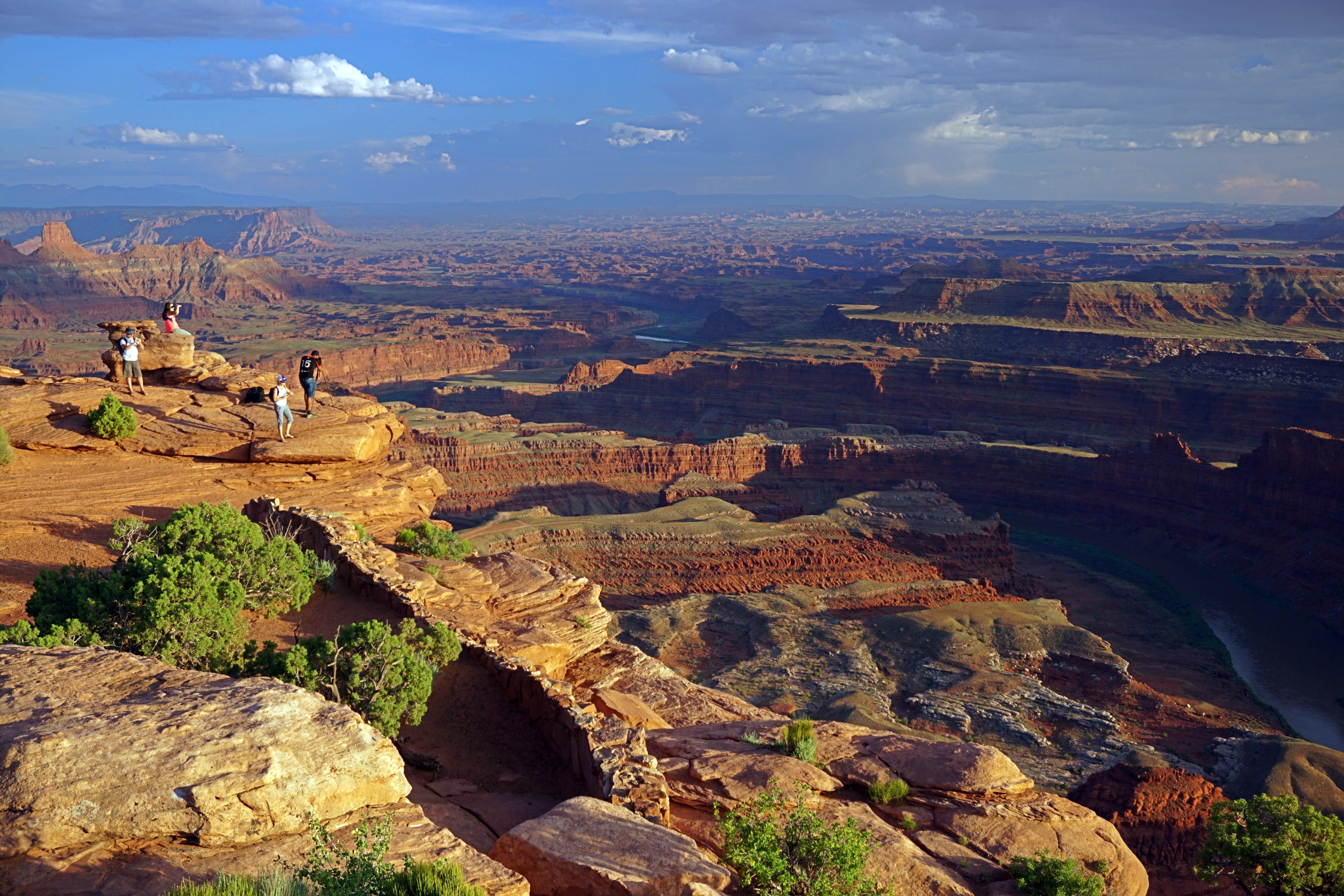
Or, at least that’s what I would have done, if not for a super chatty Japanese couple, photographers themselves, who claimed the flat top of the outcropping above me. They set up their tripods, and scurried about up there like busy mice, chatting up a windstorm the entire time. And by time, I mean nearly two hours. They seemed wholly incapable of being physically near one another without chattering back and forth. It was non stop. It was loud. And it was all in Japanese. Their cameras were there on tripods standing like sentinels, taking in the grand scene. But they were not. They seemed utterly unaware of the Presence that surrounded them, enveloped them, held them. They knew I was there the entire time as well, a mere 20 feet below them, but they ignored me as completely as they ignored the panorama.
As I watched there in my silent bubble, I wondered at how the verbal gymnastics that distracted them from the moment are the same sort of nonsense that distracts us all most of the time. We have designed for ourselves a world of nonstop chatter. If it’s not social media feeds, it’s television. If it’s not television, it’s movies. If it’s not movies, it’s video games. If it’s not video games, it’s music. If it’s not music, it’s news feeds. If it’s not news feeds, it’s texting. If it’s not texting, it’s mindless chatter on the edge of a cliff.
All of it is nonsense. Non-sensory. No sense. No senses. We’ve trained ourselves to be so plugged in to distraction and so disconnected from the wonder around us that we don’t even realize the wonder is there anymore. We take a photograph of the view like it’s an animal in the zoo, locked behind glass and on display for our pleasure. But the desert is not on display for us. Its vast presence and depth of history doesn’t even acknowledge we are there. It is anything but safe.
The Japanese couple stood just a few feet away from a 2,000 foot drop to the valley below. Just a few feet away from their own mortality. But they were too distracted by their chatter to notice.
I, too, stood just a few feet away from Death, but the poignance was not lost on me. When I was young, I used to pride myself on having no natural fear of heights. Once, at the Grand Canyon, I made.a woman scream when I jumped the railing and hopped out to the bleeding edge of a precipice to get a better view. At the time, I thought she was being overly dramatic. But now, as my actual death draws ever closer, I am not so bold on cliffs like these as I once was. Not so blithe. To the young, death is just an idea. Old age is only a rumor. But now that I’m older, I know that both are real, and that I have no power over either of them. Death can take any of us at any time. And, if we’re lucky, old age will take us all. We may fight it, or ignore it, but either way, we will have very little say in the matter in the end.
The vast Silence of these lands reminds me of that reality. Eventually, the Silence will take us all.
But that isn’t the only thing the Great Silence holds. There’s peace here, too, and power, and indifference, all of which are deeply comforting. And there’s that Great Spirit we call God. You can’t truly see the desert and not sense the Maker behind it. But it’s a strange Intelligence. Vast. Inscrutable. Aware in ways that make my best thoughts feel like the fading of a dream. Whatever this God is, it’s not like our gods at all. Not even the religious ones. In fact, especially not those.
Wonder lives here. And, to my surprise, playfulness. Playfulness is everywhere here. Lizards zip from rock to rock like tiny panicked executives perpetually late for their next negotiation. A tiny fox, its pale rusty fur barely visible against the stony landscape, glides like a fairy from one beautiful backdrop to the next, ever watching me, hyper aware of my every move. And on the drive, a thousand tiny white butterflies dive bomb my car, hurling themselves against my grill with the exuberance of thrill-seeking sky divers, eager to make a show of their final moments this side of the Veil.
Perhaps it’s all these contrasts that make the desert so ripe for revelation:
Beautiful, but deadly.
Barren, but full of life.
Silent, but always speaking.
Vast, but intimate.
Inviting, but severe.
Fully of glory, but indifferent.
Good, but not safe.
Perhaps it’s only here, listening in these Silent landscapes, that we can know the God who is also all of these things.
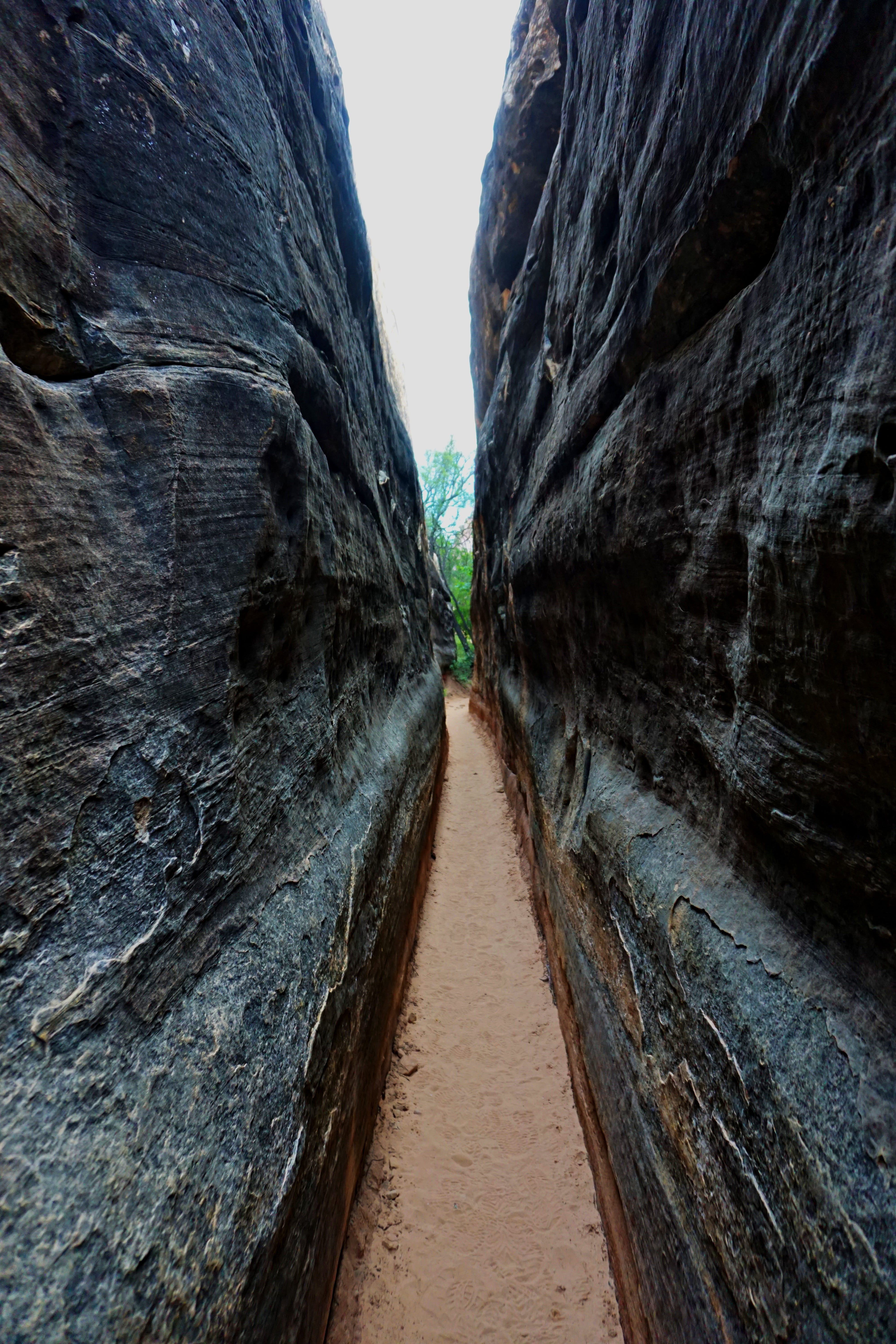
It’s disturbing to describe God as deadly, severe, unsafe, or indifferent. I don’t actually like it. But if I’m honest, there’s something in it that draws me, too. Something’s gone missing in our popular Christian understanding of God. We’ve made him too safe, far too easy for us to manipulate to our own ends. We’ve lost our connection to God’s danger, God’s mystery, his essential wildness, her complete refusal to be boxed in. So, as men and women have done for thousands of years, I’ve come out here to these wide forbidding landscapes looking to recover some truths about God I think I’ve lost, or maybe never had.
There are two streams of spiritual wisdom that run through the history of the Christian faith.
One is called the Cataphatic Tradition. “Cataphatic” comes from the Greek word kataphasis, meaning an affirmative proposition or statement. In a broad sense, the cataphatic tradition explores what we can know of God through what he has revealed through words and through creation. It is revelation of God “by light” or “by words,” and is the kind of spirituality contemporary Christians are most familiar with.
The other is called the Apophatic Tradition. “Apophatic” comes from the Greek word apophēmi, meaning “to deny.” In a way that acts as a counterpoint to the cataphatic, the apophatic tradition explores the ineffable aspects of God that transcend or eclipse all our words and ideas about him. Also referred to as via negativa, or the negative way, the apophatic tradition pursues revelation of God through exploring the ways he transcends all our attempts to name or define him.
Together, these two streams of inquiry have always represented the balance of knowing and not knowing within Christian spirituality. They speak to each other, as if holding a conversation across time, calling us forth to affirm the things we can know about God, while at the same time humbly recognizing that what we know is merely a tiny fraction of all that God is or may be. Whereas the cataphatic promotes in us the confidence of our faith, the apophatic keeps our hearts well grounded in the humility essential to honest spirituality. Together they hold this axiom between them: We know God; and we don’t know God at all.
The early Christian fathers and mothers taught that true faith honors the balance between this knowing and not knowing. But in recent centuries, the apophatic way has been pushed aside in favor of the pursuit of a weak faith that craves only certainty, and the false sense of safety such certainty produces. Without the apophatic to balance it, the cataphatic way becomes obsessed with its own rightness, and in its pursuit of certainty quickly turns violent toward anything it perceives as a threat to its revealed truth. Most ironically, this includes the Mystery that lives in God himself. In an effort to preserve their revelation about God, these cataphatic zealots sever their connection to the true fullness of all that God actually is.
This is not to say the apophatic way is better. Without the cataphatic to balance it, the apophatic way would quickly turn faith into an endless string of “I don’t knows” that would ultimately end in a practical nihilism where even if God is real there would be no way to know him at all.
No, both ways are needed to produce a rich, full-bodied faith. The two streams weave into one another, shifting the flow of inquiry and love back and forth, feeding fresh life into each other in a beautiful, balanced dance of spiritual becoming.
But, tragically, we’ve lost the apophatic side of our faith. And I, for one, want it back.
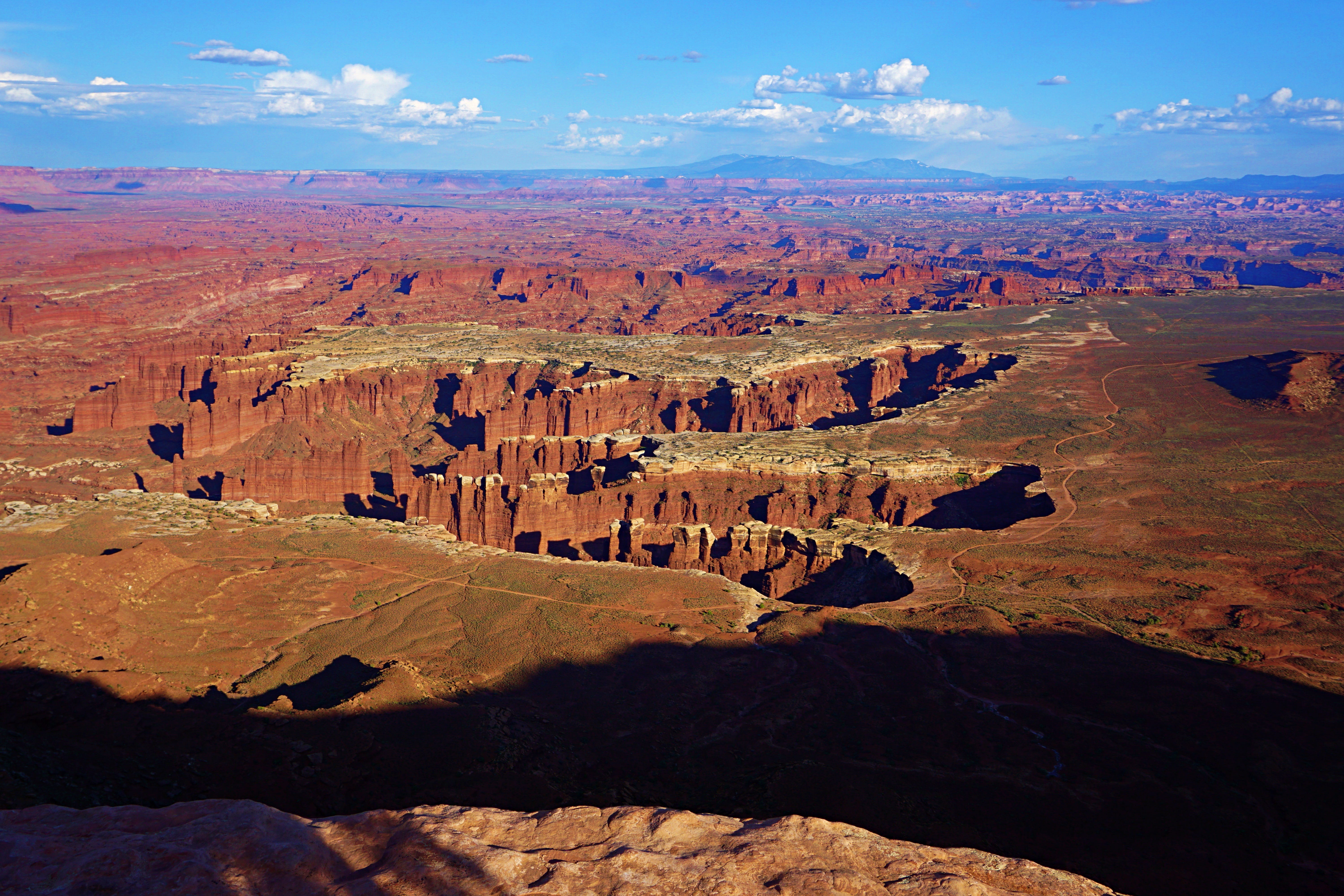
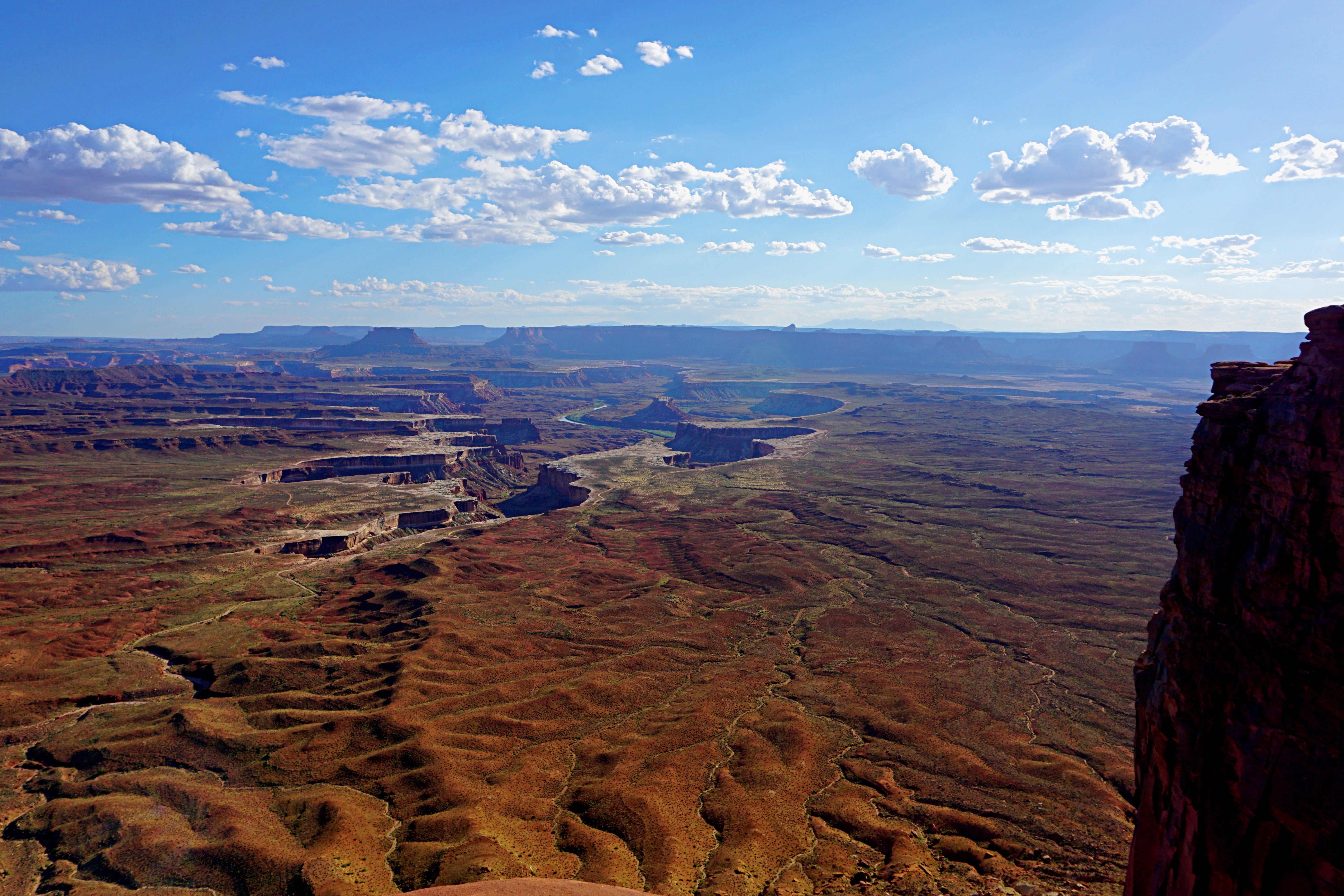
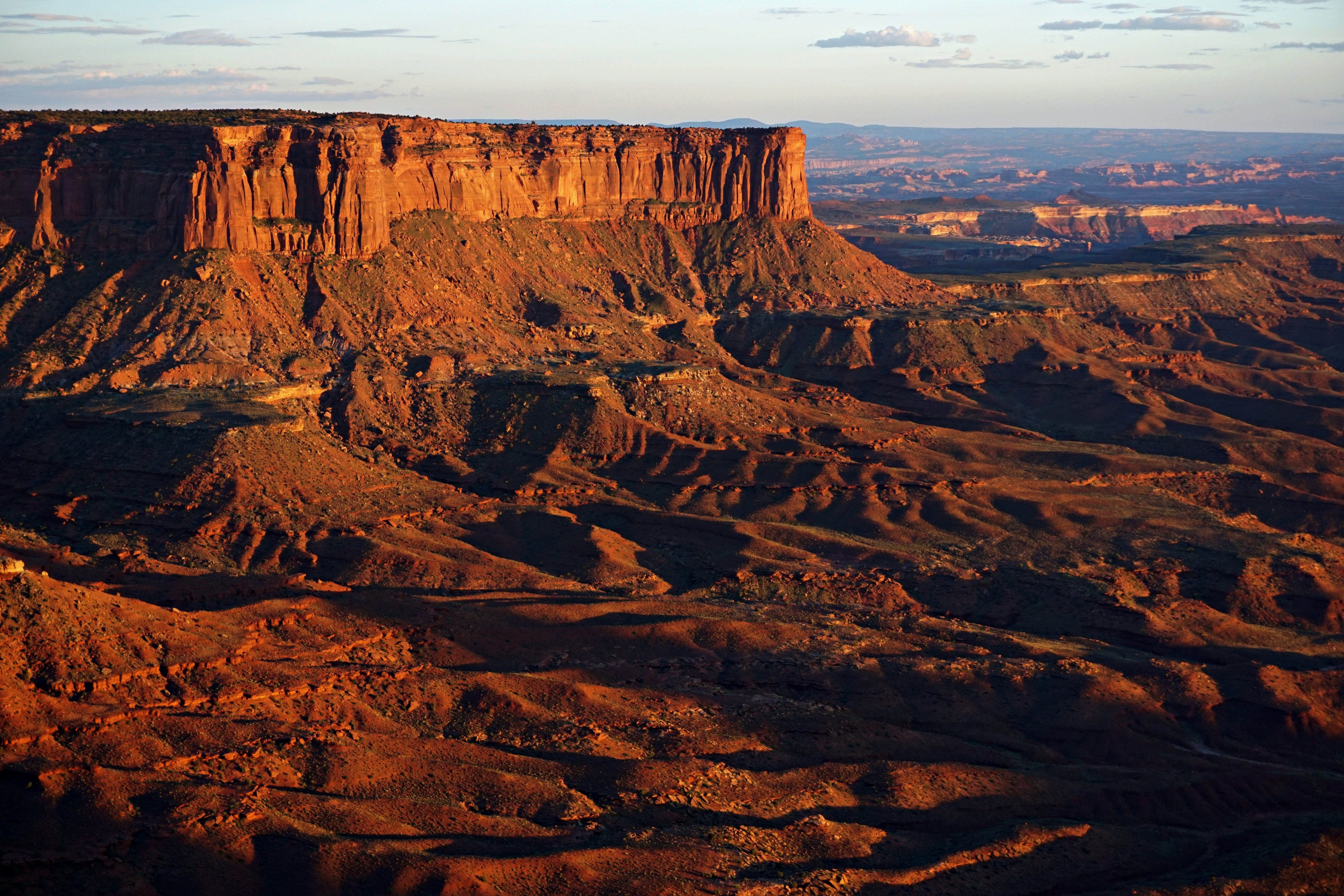
The Grand View at Canyonlands is precisely that, and as such, is nearly impossible to photograph. Any direct attempt results in an image so vast it seems not to be about anything. More surreal than actual, like a smear of color and patterns.
To capture anything at all, you have to sneak to the edges, or else zoom in to the small thing in the foreground at your feet, and let the wide expanse of the rest hold the background—indistinct, out of focus, but there in a way that hints at the reality.
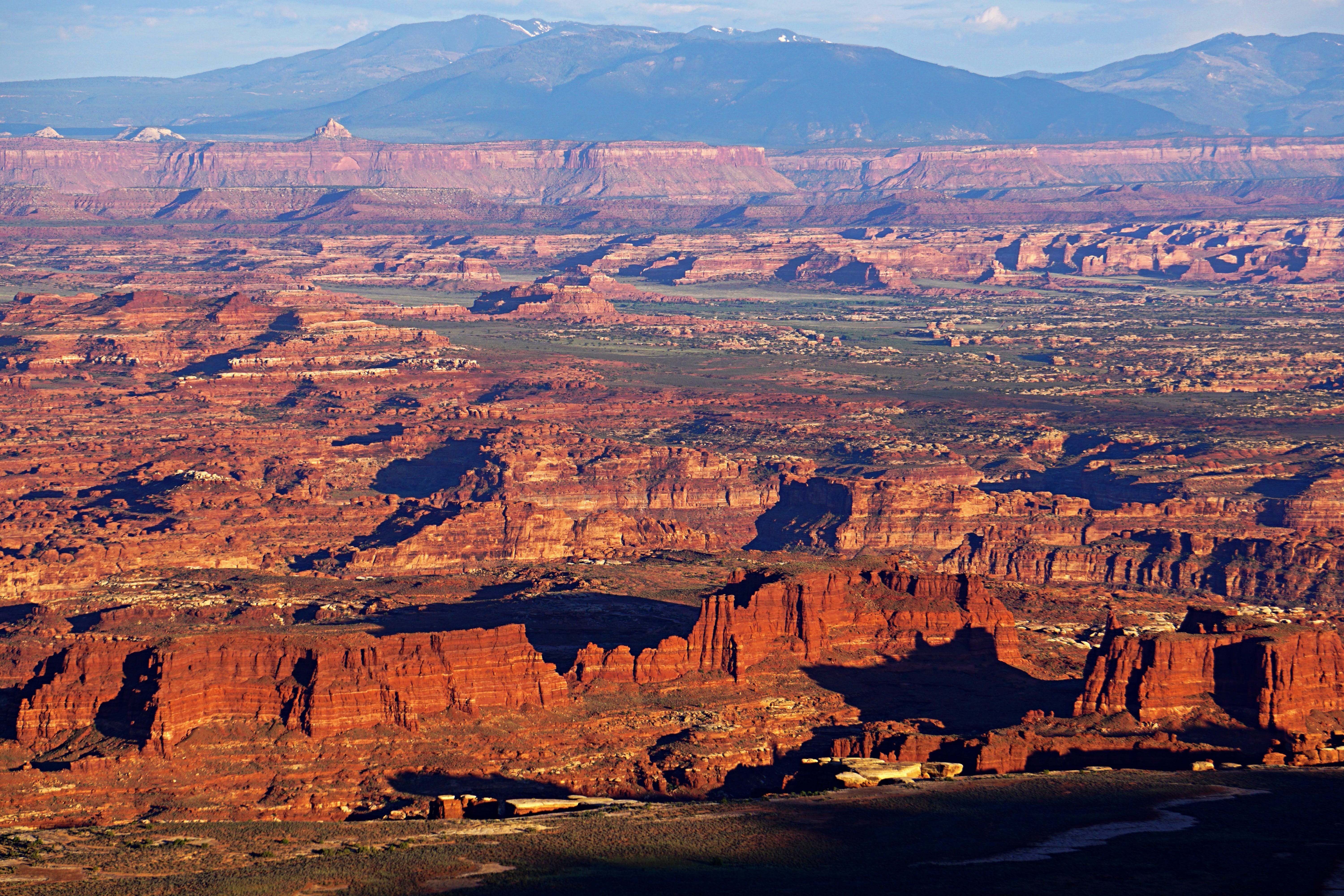
Of course, the very best you can do is take no photographs at all, and simply let the place take you.
The Grand View Overlook includes a trail, a bit over a mile long, that skirts the edge of the impossibly dramatic cliff that gives the Island in the Sky its name. The thing to do, I’ve now learned from experience, is to take the trail slowly, saying no words, and let the vistas all around have their effect. Reach the end and climb the small outcropping there. Sit a while in silence, listening to the wind. Then, when it feels right, walk slowly back the way you came. Say nothing. Take no photographs. Simply let the place have you for awhile.
I think this captures the essence of the apophatic approach to the Mystery of God as well. It’s impossible to capture the vastness of God in a single image, or a theological doctrine, or even a well-told story. The best you can hope for in any of these is a glimpse at the fringes, a color here or a pattern there, hinting at an unfathomable infinity beyond.
Perhaps the “way in” to God’s fullness is not through human reasoning at all, but through abandoning all that control in favor of full immersion into the Terrifying Wonder, the Great Silence of Everything, the “Cloud of Unknowing” as the 14th Century mystic named it. The paradox is that the only way I can even begin to understand the vast mystery of what God really is is by letting go of all attempts to understand at all, and simply let the Mystery take me.
No words. No thoughts. No attempt to make meaning out of it. Just raw presence. Empty, abandoned to my own agenda, available to the immense and unsettling experience of losing myself in the vast glory of, as author Beldan Lane describes it, “the Indifference whose other name is Love.”
In his book, To Shake the Sleeping Self, Jeddidiah Jenkins chronicles his journey bicycling from Oregon to Patagonia in a quest to discover who he really is, what he really believes, and what he really wants out of life. One of the lessons he says he learned through that experience is that when it comes to God and faith and Christianity, not knowing is so much more exciting, and inspiring, and personally transformative than certainty ever could be. It’s like I often say with my coaching clients: “I don’t know” is one of the most powerful places a person can stand in life, because it is the place where anything is possible.
The thing about God is that he simply can’t be contained. He can’t be mapped or deconstructed or wrapped up in a nice, neat, controllable doctrine. Mystery is in his nature, and it is the sort of Mystery that suffers no fools. There is far more we don’t know about God than we do know about him. He is a vast infinity beyond anything we can name with certainty. This is what the apophatic way tries to teach us. The only way into the Mystery is through the stark humility of letting go of your need to know anything at all.
Say nothing. Take no photographs. Simply let the Mystery have you for a while.
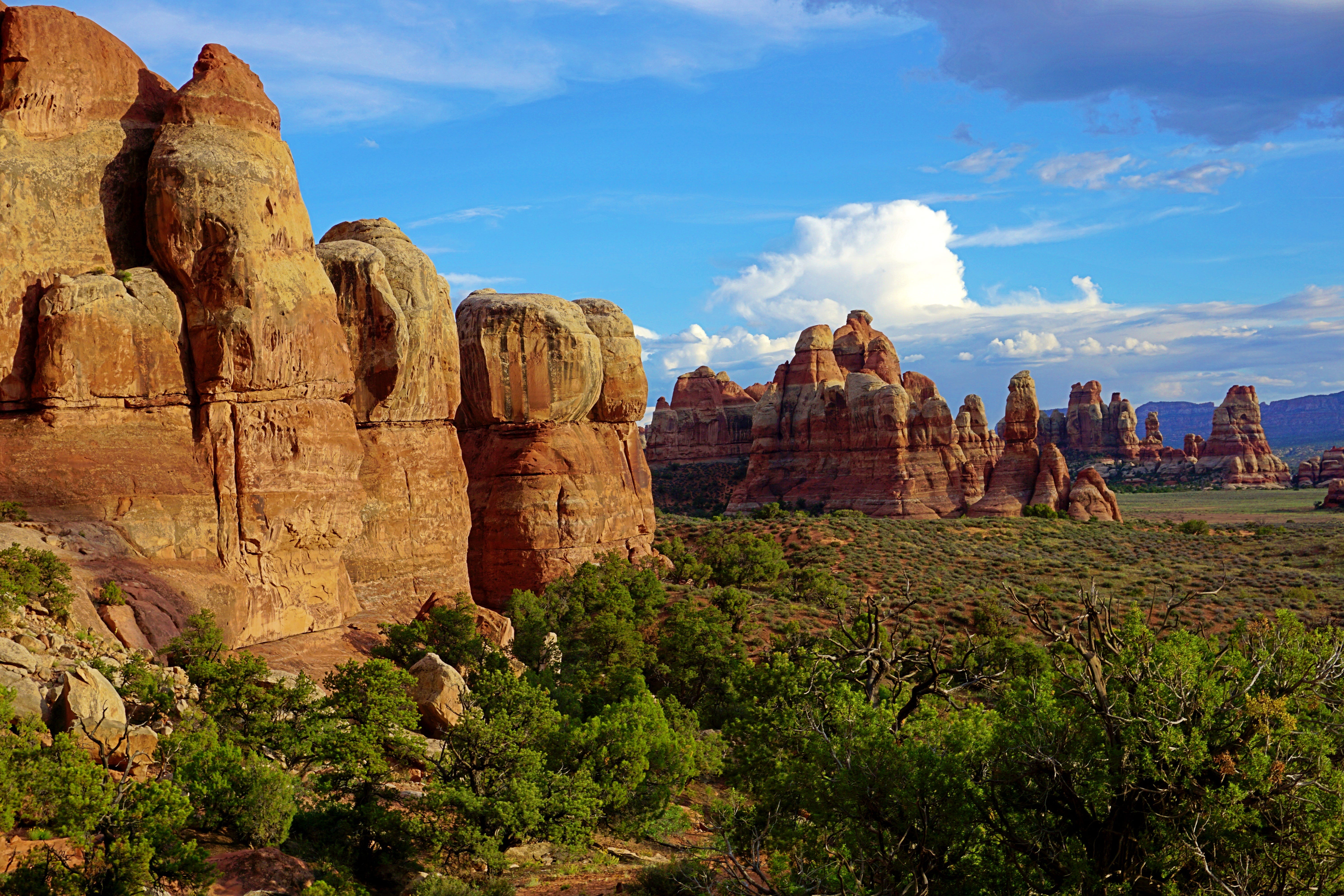
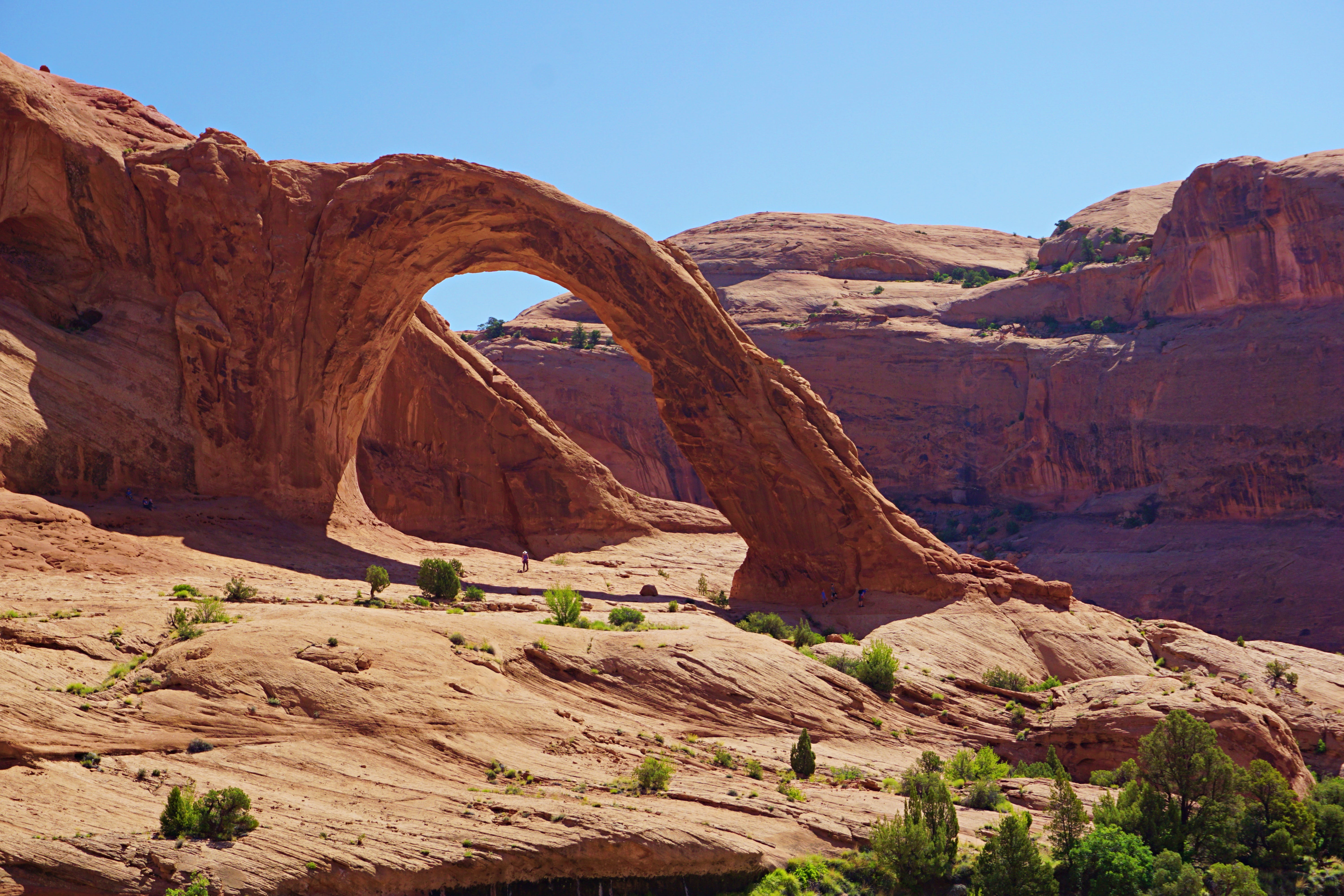
The Needles District of the Canyonlands hides itself away, about 35 winding miles off the main road, sequestered behind a series of impressive bluffs that stand guard over a wide flat landscape. The Needles come on you quite by surprise, suddenly stabbing into the sky like rows of teeth along the horizon, looking strangely out of place in the more traditional desert terrain.
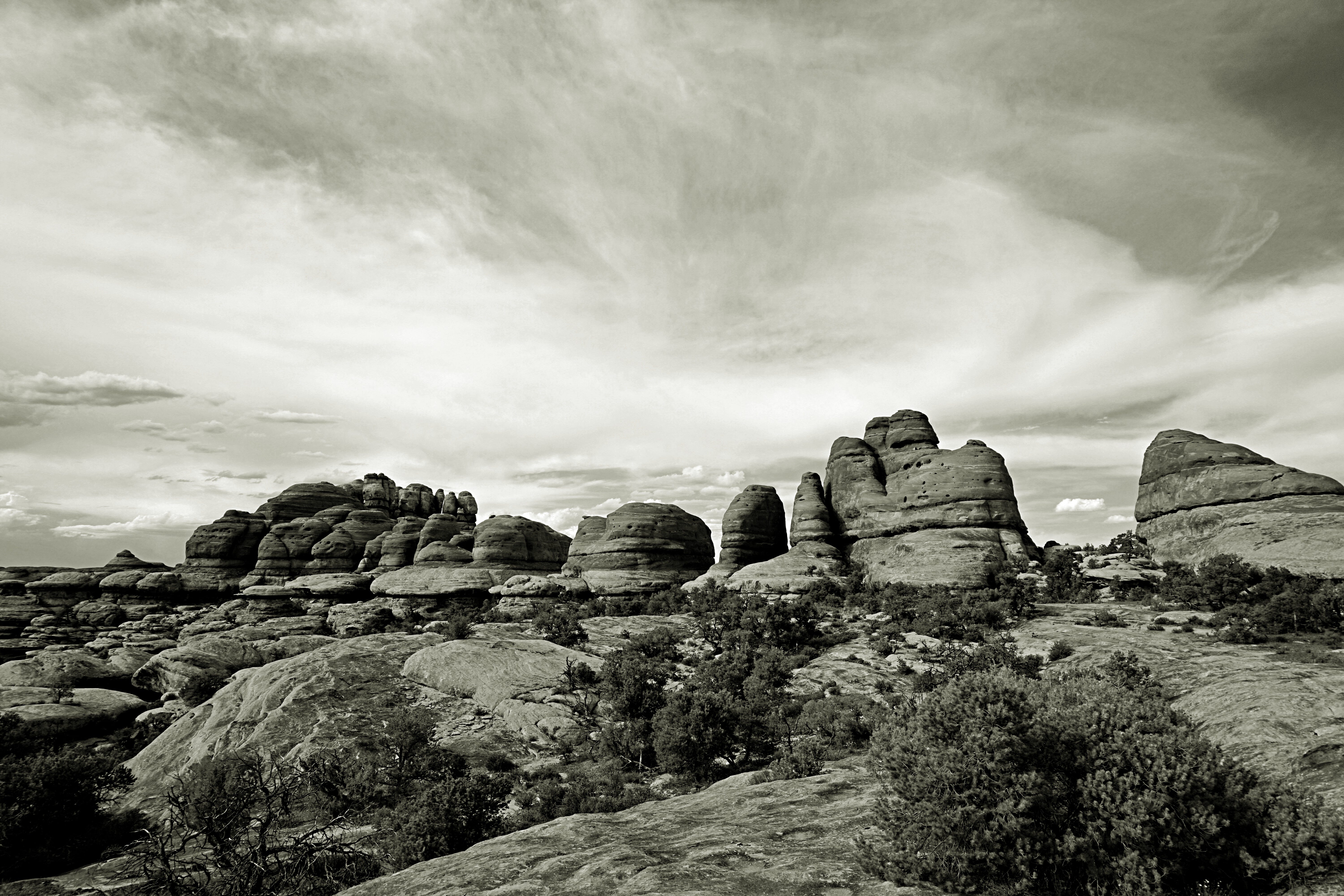
They are beautiful, but eerie too. As I wound my way to my chosen trailhead, I felt I was driving through an alien landscape. Towering teeth and spiky fingers, bulbous mushrooms and random mounds surrounded me on every side. It’s a beautiful menagerie, but foreign. Fascinating, but in its own way, unwelcoming.
I got on the trail just after five in the afternoon, with a view to hike into the thick of these peculiar formations and catch the sun’s final rays on their flanks. The trails, I quickly discovered, were challenging, and often dangerous, scrambling over hard rock or shifting soil through the narrow nooks between the towers, or else switch-backing up and down their sides along fast and treacherous paths. The routes themselves were often so subtle they could never be followed at all without the abundance of cairns pointing the way.
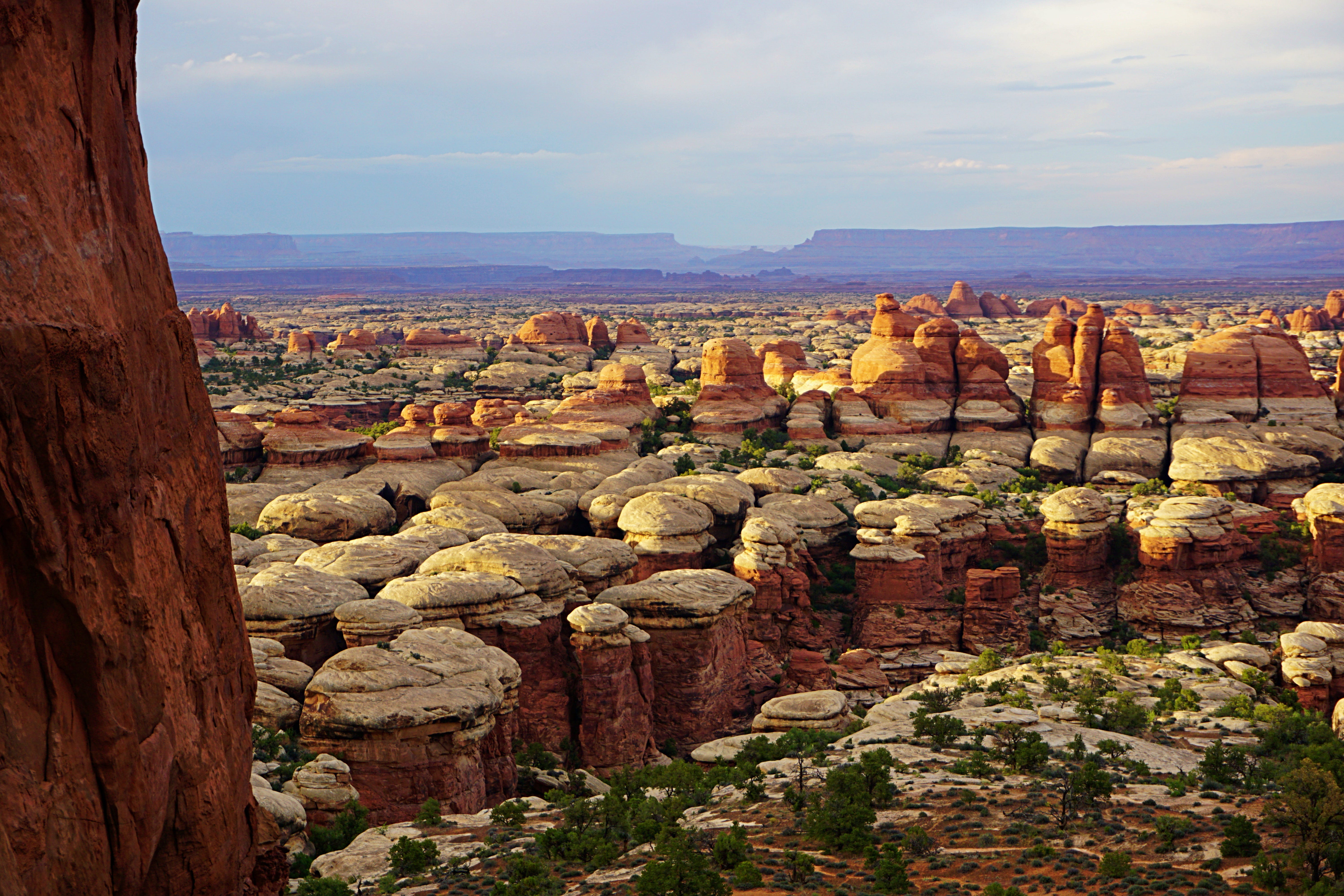
For all the difficulty of the hike, it was the alien quality of the landscapes that impacted me most. How did this grove of massive mushrooms form? These towering spires, like fingers of solid ochre—how did they rise there? A few miles in, there’s a field that looks like a vast collection of moon lander modules, layered in colors and dolloped into place as if they were once made of ice cream.
The earth smells strange here too. When you breathe it, you can’t help but wonder at the scent—the smell of ancient pottery mixed with…turmeric? sage? I couldn’t quite name it. But the dust caught in my throat and lodged there as a hacking cough.
There are a thousand beautifully exotic sites to see here, and a thousand places where you can die and no one would find your body for a long time—maybe never. Both Beauty and Death haunt these lands in equal measure.
Hiking through such wild landscapes in silence and alone has a way of getting under your skin. I realize that everything I see is also God’s, all crafted by the artistry of his hand. Yet, this is a beauty I do not recognize. It does not feel like I belong here. It does not feel like home. I notice I instinctively don’t trust it. I wonder what kind of God would make something like this. I wonder what such a God is really like, and whether I would feel safe around him. It troubles me to admit it, but I strongly suspect I would not.
Not long ago, humanity took its first photograph of a black hole. But this wasn’t just any black hole. The black hole at the center of the M87 galaxy is one of the largest we’ve ever discovered. At around four billion solar masses, this supermassive black hole is so large that our entire solar system could fit inside it. It is, essentially, a gaping hole in the universe. It’s about 55 million light years away, but if our solar system were sitting still in space anywhere near this monster, it would swallow us whole and turn us into…well, nobody knows what it would turn us into, exactly. All we know is we could never come out again.
What is this God who creates strange things like this—so alien, so dangerous, so beyond our comprehension? Is this a hint of what God may be beyond the place where our words can go, and even our physics breaks down? What is God inviting us to see about him out there beyond the known?
They named the black hole Pōwehi, a Hawaiian word that means, “embellished dark source of unending creation.”
Perfect. Inspired, even.
I touched Something uncomfortable in that desert landscape. I felt the Beyond pull back the veil, and like Moses I did not see the full glory of anything, but something like the back of God passed by. It happened in a way that I cannot find words for. A Wholeness so complete the word “wholeness” is far too small for it. Should I say it was Other? Untamed? Open? Dangerous? Any word I try is too feeble. Too small. But I was frightened by it. And I was in awe.
Whatever I can see, God is more than that. Whatever I can imagine, he is still more. Whatever I can sense, even that which is beyond my words, God is still more than any of it. If I had to guess, I’d say this vast unknowing comes from the inescapable gulf between being created and the Uncreated, between being a thing, and the Being of No-Thingness.
Leaving the strange land of Needles that night after dark, I got the feeling this life really is akin to preschool, or even a nursery, where even the most important happenings here are but the small dramas of little children compared to all that’s happening on that larger stage. As one of my mentors, John O’Donohue has said, “God is just our name for it. Once you see that, then the real adventure begins.”
Well. Here’s to the real adventure.
“In the end, we are no more able to ‘possess’ God than we are able to possess ourselves. It is only as we abandon every effort to control God by experiencing God, relinquishing even the grasping self (always anxious to add the Deity to its store of personal acquisitions), that the mystery of meeting God beyond experience ever becomes possible.”
— Beldan Lane, The Solace of Fierce Landscapes

Comments
Nothing yet. Say the first thing.
Sign in to join the conversation.