
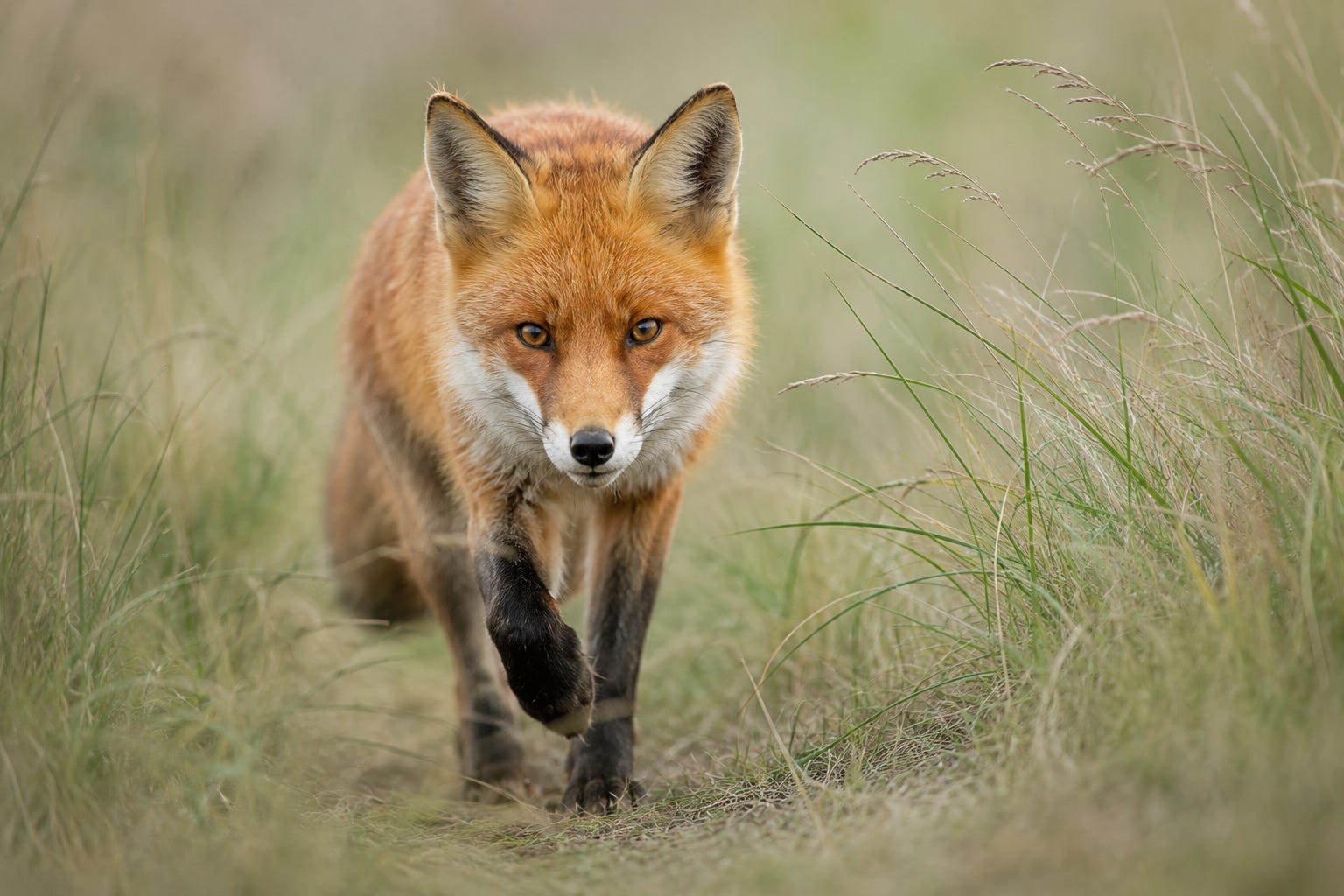
Etsy has done something worth noticing.
As of August 11, the company prohibits products made from or containing natural animal fur, including fur from mink, foxes, rabbits, badgers, coyotes, and raccoon dogs. The ban covers raw pelts, clothing, accessories, and other products containing real fur, regardless of the product’s age or origin.
That includes vintage fur.
An animal who died decades ago does not become less of an animal because the coat made from their body is now called vintage.
For those of us who believe animals are sentient beings rather than raw materials, Etsy’s decision matters. It also says something larger about where our culture may be heading.
For most of human history, animals have been treated according to what we could get from them. We turned their bodies into food, clothing, decoration, entertainment, and profit. The question was rarely whether we had the moral right to use them. The question was simply how useful they were to us.
That assumption is being challenged more often now.
Fur is an especially revealing example because it is so difficult to argue that we need it. We have countless ways to stay warm and countless materials from which to make clothing. A fox does not have to die so someone can have trim around a hood.
Once necessity disappears, the moral question becomes harder to avoid.
Why should an animal lose their life because we like the way their fur looks?
There really is no comfortable answer.
Etsy’s decision did not happen on its own. Animal advocates had been pushing the company to change its policy. The Coalition to Abolish the Fur Trade organized protests in numerous cities, while PETA says more than 100,000 supporters contacted Etsy over the issue.
That is worth remembering whenever someone says activism accomplishes nothing.
Change usually happens because people keep raising questions others would rather ignore. They protest. They write. They organize. They boycott. They talk to friends. They post online.
Most of all, they stop accepting something simply because people have always done it.
Eventually, the old excuses stop sounding quite as convincing.
We should also be clear about what Etsy’s policy is not.
It is not a vegan policy. Etsy still permits other animal-derived materials, including leather, sheepskin, shearling, cowhide, wool, and mohair. Taxidermy is also excluded from the fur prohibition.
There is still plenty of inconsistency.
But progress does not become meaningless because it is incomplete.
Every time a major company stops selling an animal product, it weakens the old assumption that animals are simply ours to use. It encourages people to ask a question our culture has avoided for a very long time: What about the animal?
The fur industry once sold luxury, glamour, and status. Animal advocates forced people to look behind that image and see who had been there all along.
The mink was not a coat.
The fox was not a collar.
The rabbit was not trim.
They were living animals whose bodies belonged to them before someone decided those bodies belonged to us.
That distinction is the heart of the issue.
We do something strange when we turn an animal into a product. We stop talking about the individual who lived, felt, struggled, and wanted to continue living. We talk instead about material, quality, style, and price.
The language makes the animal disappear.
Veganism asks us to put the animal back into the picture.
Etsy has not solved animal exploitation. Not even close.
But one of the world’s best-known online marketplaces has now decided that selling products made from animal fur is something it no longer wants to facilitate.
That is meaningful.
There was a time when wearing fur was widely seen as a symbol of wealth and sophistication. Today, many people see the animal before they see the fashion.
That shift did not happen by accident.
It happened because people kept exposing what the fur industry preferred to keep out of sight. It happened because activists challenged the idea that beauty, luxury, or tradition could justify taking an animal’s life.
And it happened because ordinary people changed their minds.
That is how moral progress usually works. Not all at once, and not perfectly, but enough people begin seeing an old practice differently that defending it becomes harder than questioning it.
Perhaps one day fur coats will look as strange to future generations as other once-normal practices now look to us.
Not because humanity suddenly became perfect.
Because we learned to see the victim.
The animals were always telling us what was wrong.
We are finally getting better at listening.
Source: Etsy, “Animal Products Policy, Effective Starting August 11, 2026.” This is the primary source confirming the fur ban, the animals covered, and the exceptions for materials such as leather, wool, and sheepskin.
Comments
Nothing yet. Say the first thing.
Sign in to join the conversation.