
A quick note: I’ve recently consolidated my two newsletters—Learn with Mike and Learning Percussion—into a single publication with two sections.
Essays explores interdisciplinary learning, creativity, and artistic development. Practice Lab (formerly the Learning Percussion newsletter) explores practical practice strategies, musicianship, productivity, advocacy, and life in the practice room.
The ideas in both publications have increasingly overlapped, so bringing them together felt like a natural next step.
If you’ve enjoyed my writing on technique, creativity, learning, and performance, you might also enjoy Practice Lab. But fear not—you can unsubscribe from either section independently.
If you’re a regular reader, you’ll know that I take an acute interest in musical learning—and a very, very close interest in my nemesis, the snare drum.
Over the last several years, those interests have become increasingly difficult to separate. And, what began as a project about musical learning gradually became a project about creativity. What began as a project about creativity gradually became a project about practice.
Eventually, it became a snare drum book.
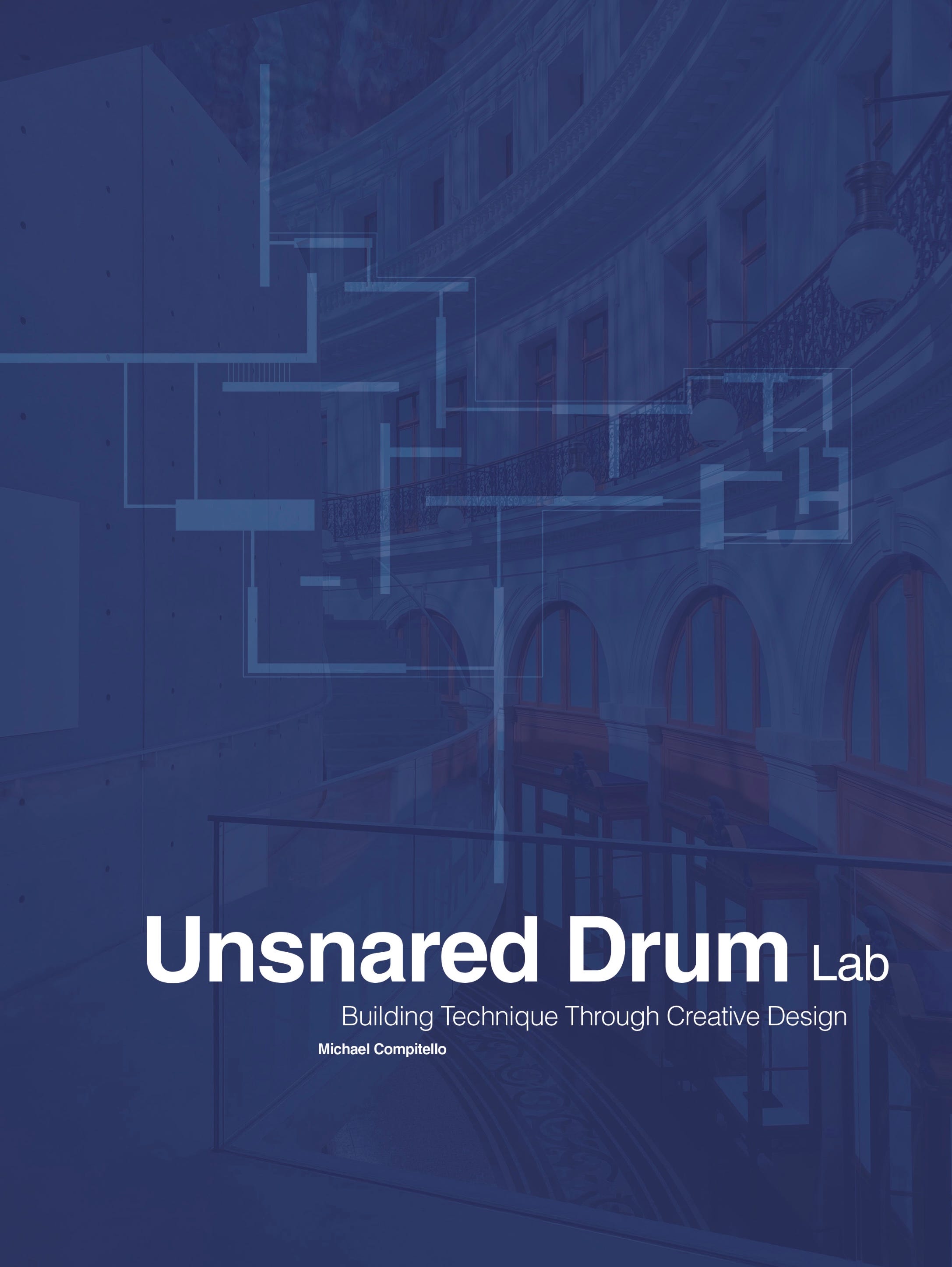
Next month, I’ll be releasing Unsnared Drum Lab, a collection of exercises, experiments, practice strategies, and creative frameworks centered on the snare drum and informed by research into learning, performance psychology, and skill acquisition.
Its central premise is that creativity in the practice room is one of the most effective ways to develop custom-fitting instrumental technique, perform well under pressure, and learn music more efficiently.
The funny thing is that I didn’t set out to write a book about practice at all.
The book starts with a question: Are classical music performers creative?
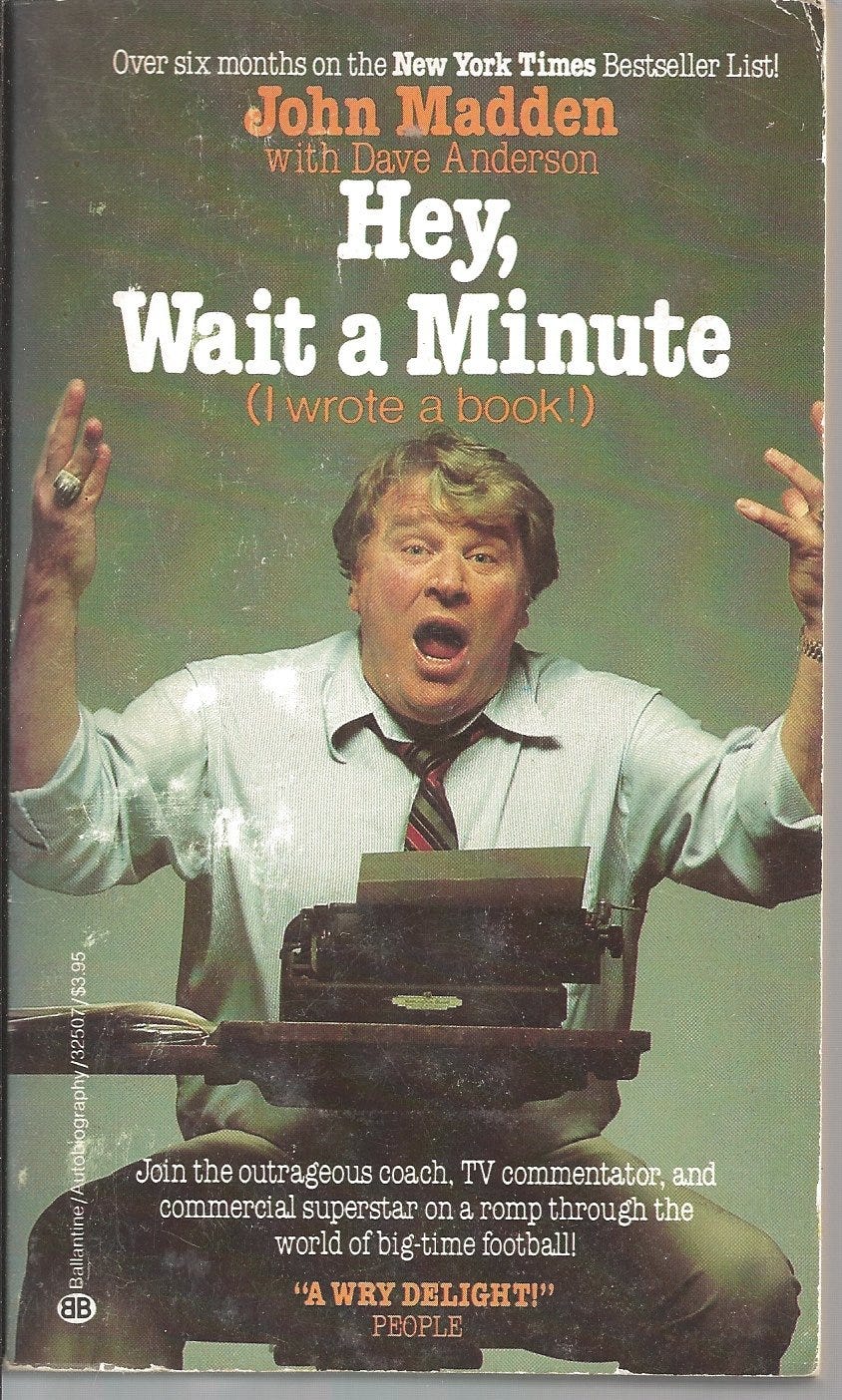
My first introductions to creativity were the works of European masters encountered through museum visits, canonical Western literature, and, somewhat improbably, the sports commentary of John Madden. While I didn’t realize it at the time, I admired his ability to leverage experience and expertise to make unexpected free-associative connections on live national television.
I would never have thought myself able to say anything about musical practice, let alone technique, until I encountered Keith Sawyer’s Learning to See.
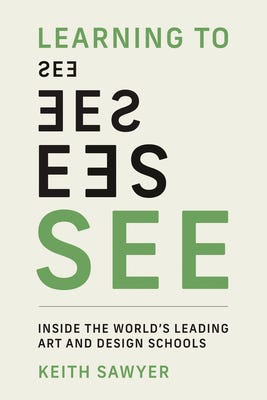
In Learning to See, Sawyer examines how creativity is taught at several elite art institutions. He lays out the principles of “learning to see,” the act of seeing an artwork from the creator’s perspective, which is taught through “studio talk,” a guided critical thinking led by a master teacher.
Sawyer didn’t include musicians in his book, and when I asked him about this omission, he said he hadn’t seen much evidence of creativity in the teaching of music performance. In his experience, classical music training was largely about restriction, focused on what not to do. It emphasized fidelity to the score, a narrow range of acceptable interpretations, and deference to tradition and authority.
And to be honest, he has a point. Much of our traditional performance pedagogy prizes precision, control, consistency, and respect for tradition. Even our language leans in that direction: execution, correctness, accuracy. Performing musicians are rarely asked to talk about creativity the way architects, designers, and visual artists are.
Most musicians, however, would answer the question with an emphatic “DUH.”
First, there is tremendous creativity in interpretation. For classical musicians, interpretation is a peak creative skill, involving critical reading of historical texts, understanding of meta-texts around works, strong intuitive instinct, understanding of performance situations, and the ability to bring a communicative work of art to life in real time.
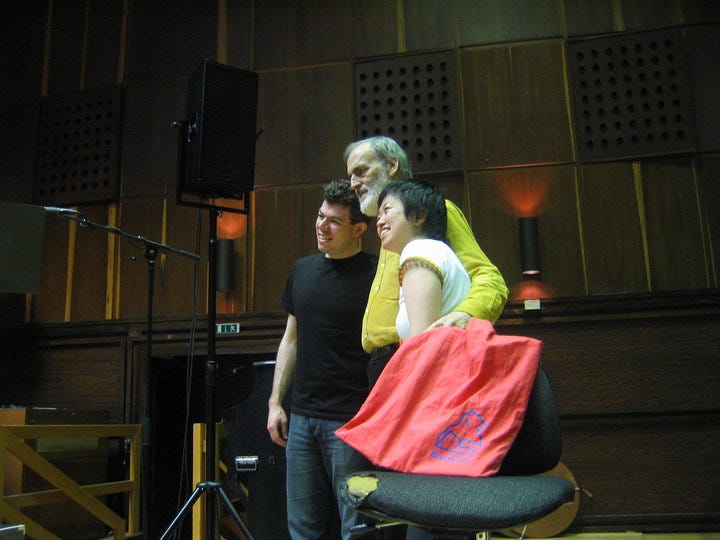
There is also creativity in collaboration, that dynamic process where composers and performers help create new works and bring them to life. Much of my musical education came through working with living composers. As a small example, while studying the performance practice of works by Kagel, Stockhausen, and Lachenmann with Ensemble Modern (watch out, dissertation alert! 🚨), I was struck by how even the most meticulously notated scores left ample room for interpretation and how orally transmitted performance practice permeated even the most prescriptively notated works
The closer I looked, the more creativity I found. Yet while reading Sawyer, I realized that I had already been thinking about creativity from a different angle. In fact, I had been working on a book about how musicians leverage creativity to learn, practice, and perform.
I was interested in how intuition—a creative skill, if you ask me—contributes to peak performance and how it can be cultivated through practices drawn from a range of musical and non-musical domains. I wanted to explore how inspiration, research, motor skill acquisition, performance, reflection, and other forms of musical learning are connected. This book was not going to include much material on practicing, as I felt the “inside the practice room” material was well covered by the exploding-at-the-seams field of cognitive neurology.
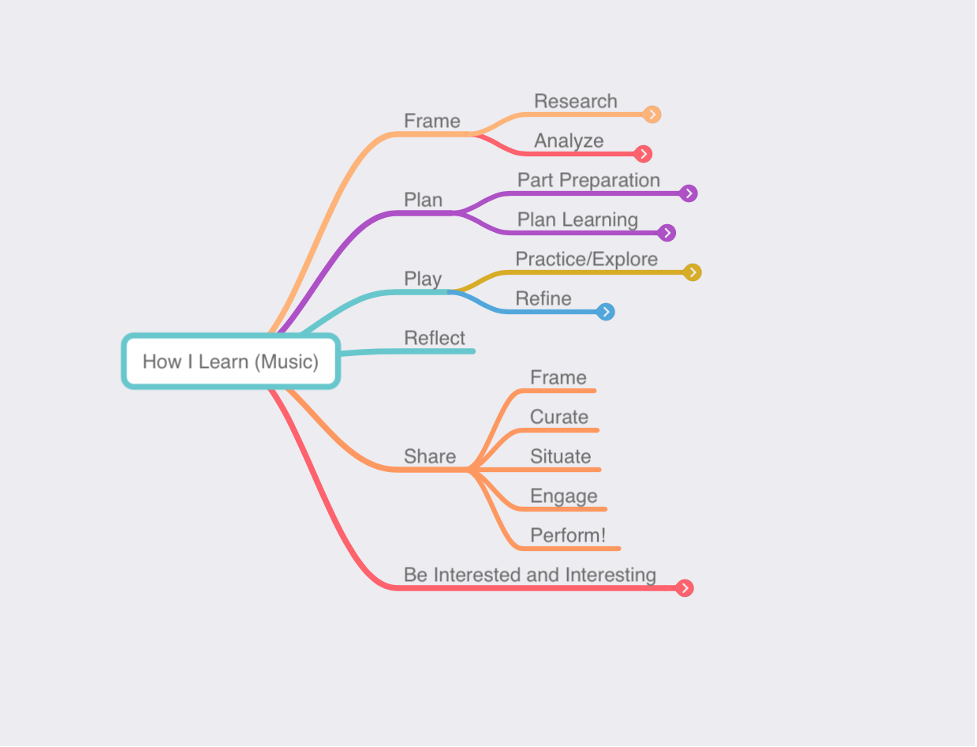
But my work with composers kept presenting me with problems that my training had not prepared me to solve. I was struggling with how long it took me to learn music and with the gap between practice and performance.
That chasm led me to study how musicians—and experts in other fields—build skills, and why certain forms of practice lead to deep, flexible musicianship while others produce tension, inconsistency, and burnout. And, those “effective” forms of practice are (you guessed it), creative! The musicians who seemed to learn most effectively were constantly generating ideas, creating variations, inventing exercises, seeking feedback, running experiments, and adapting to new situations. They weren’t simply repeating; they were building and refining mental models.
Eventually, these questions led me to obsessively refine a set of ideas and techniques that fundamentally changed the way I practice, teach, and perform. I began forcing improvisation and invention into my practice, withholding repetition, studying motor learning and deliberate practice, and paying closer attention to the habits of master musicians across many genres.
Some of these ideas emerged from my work commissioning and developing new music with New Morse Code. Others grew out of my Unsnared Drum project, where four new snare drum solos challenged me to develop unfamiliar techniques and bring unexpected musical ideas to life. Looking back, I realize that I was gradually building my technique around the music I wanted to play and the way I wanted to play it.
I took these ideas, everything i had learned about musical learning inside the practice room, and my favorite canonical snare drum texts (if there is such a thing), and distilled them into a book called Unsnared Drum Lab: a collection of exercises, experiments, practice strategies, and creative frameworks centered on the snare drum and informed by research into learning, performance psychology, and skill acquisition.
Its thesis is that the best technique is custom-designed, and that creativity is the best way to perform well under pressure, and learn music more effectively and efficiently.
Unsnared Drum Lab is less a method book than an invitation to creative practice. While the exercises are written for snare drum, the book’s larger subject is creative practice itself: experimentation, observation, variation, feedback, invention, and the development of a custom-fitting musical technique.
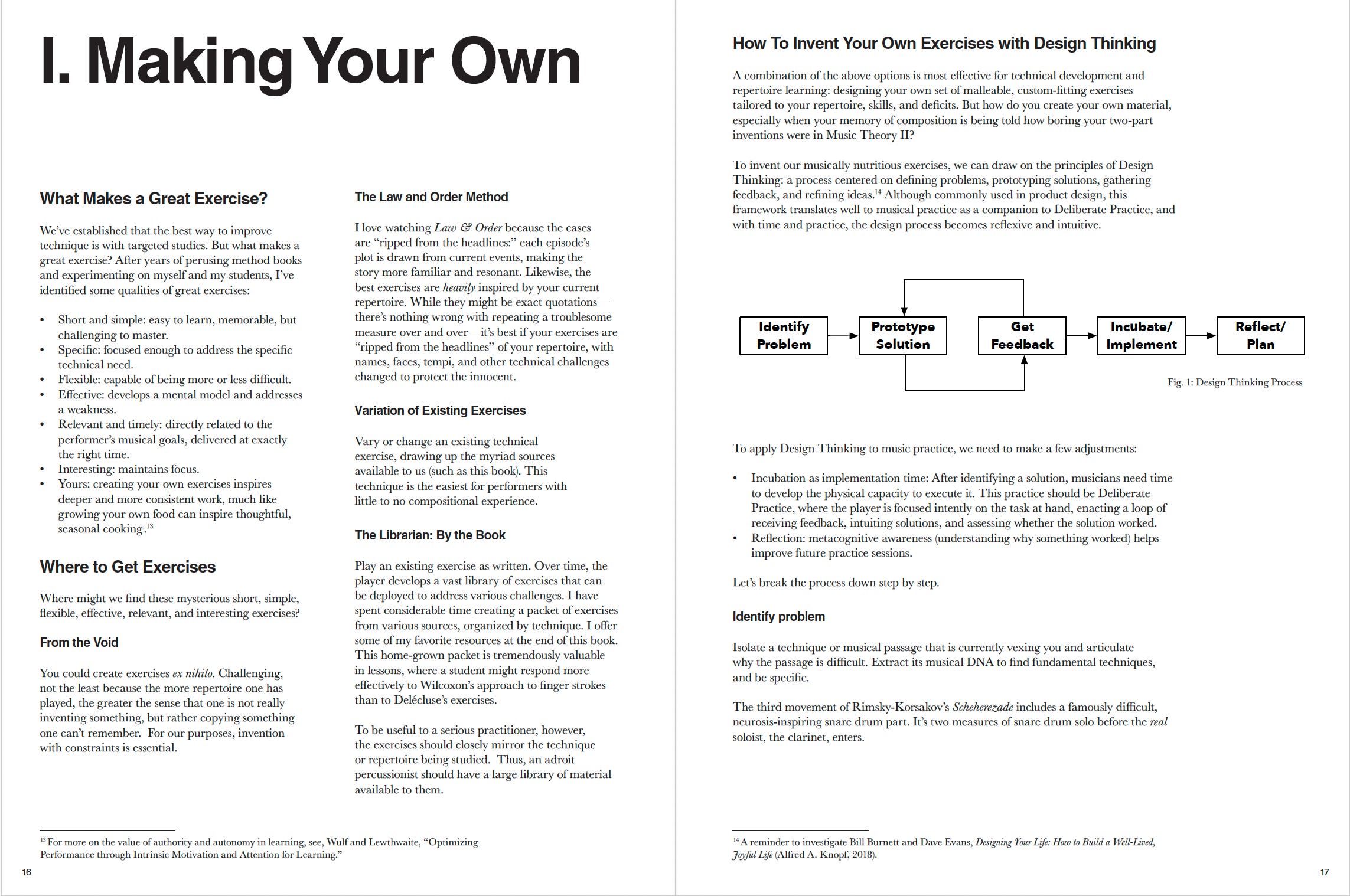
In that sense, it is a book about creativity masquerading as a snare drum book.
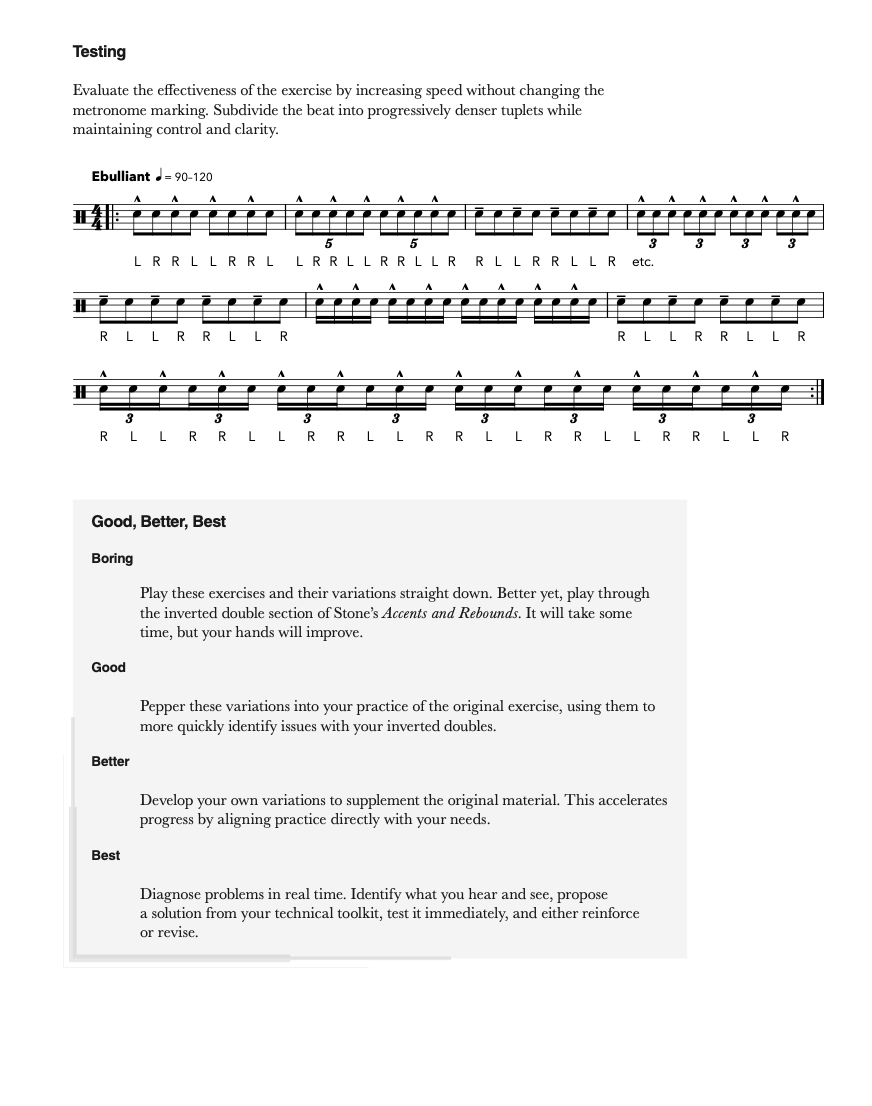
It’s coming out next month in both physical and digital formats, and I look forward to sharing it with you. Stay tuned!
Mike
No posts
Comments
Nothing yet. Say the first thing.
Sign in to join the conversation.