
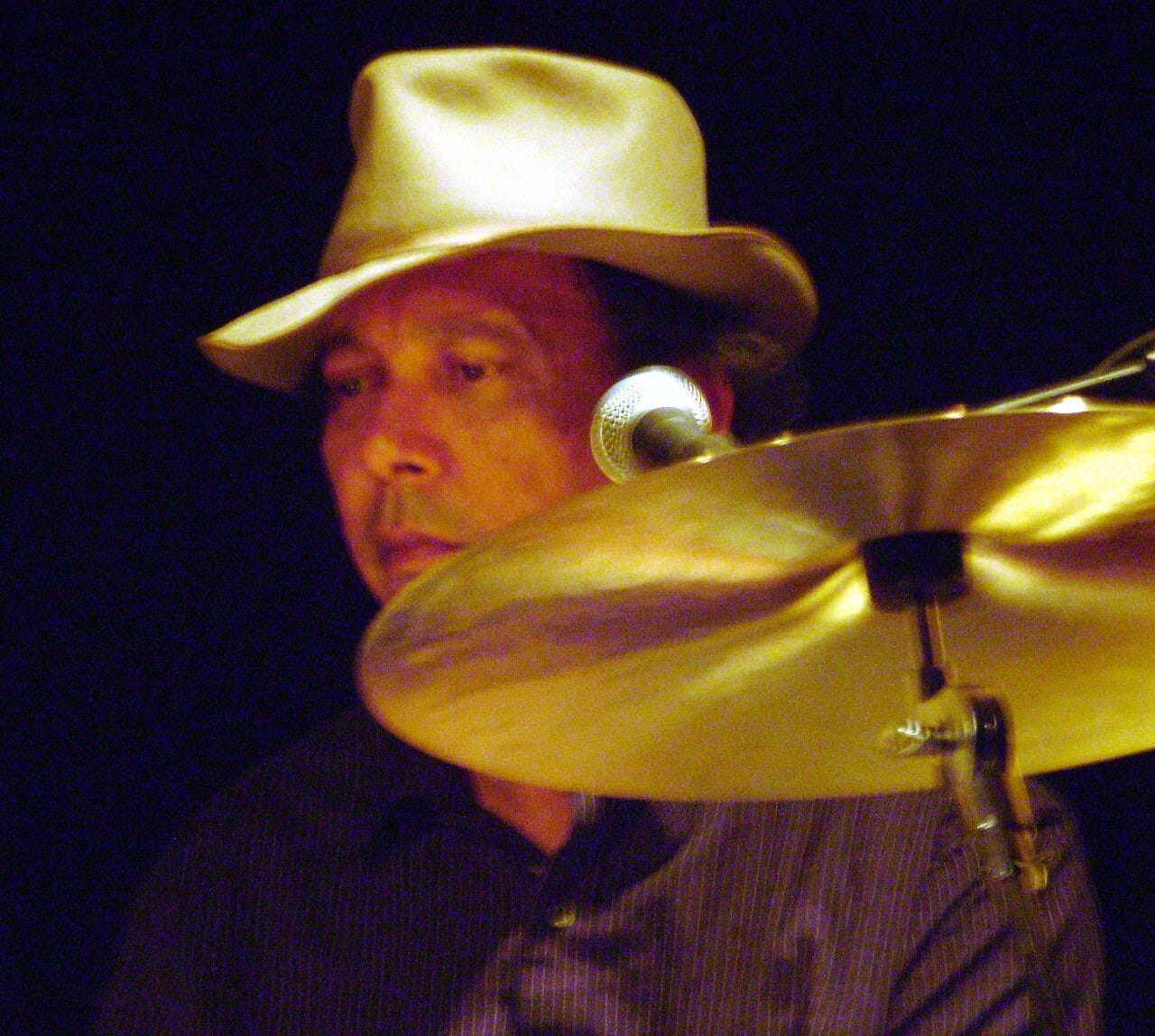
Tonight while standing in the lobby of the Golden Gate Theater, waiting to see Spamalot! (my second time), I was idly introduced to a slender, amiable-looking man of (I supposed) about my age (62), who turned out to be Ricky Fataar, one of rock ’n’ roll music’s secretly-greatest drummers, and the only human being on the face of the earth who has ever been both a genuine Beach Boy and a fake Beatle (you can look it up).
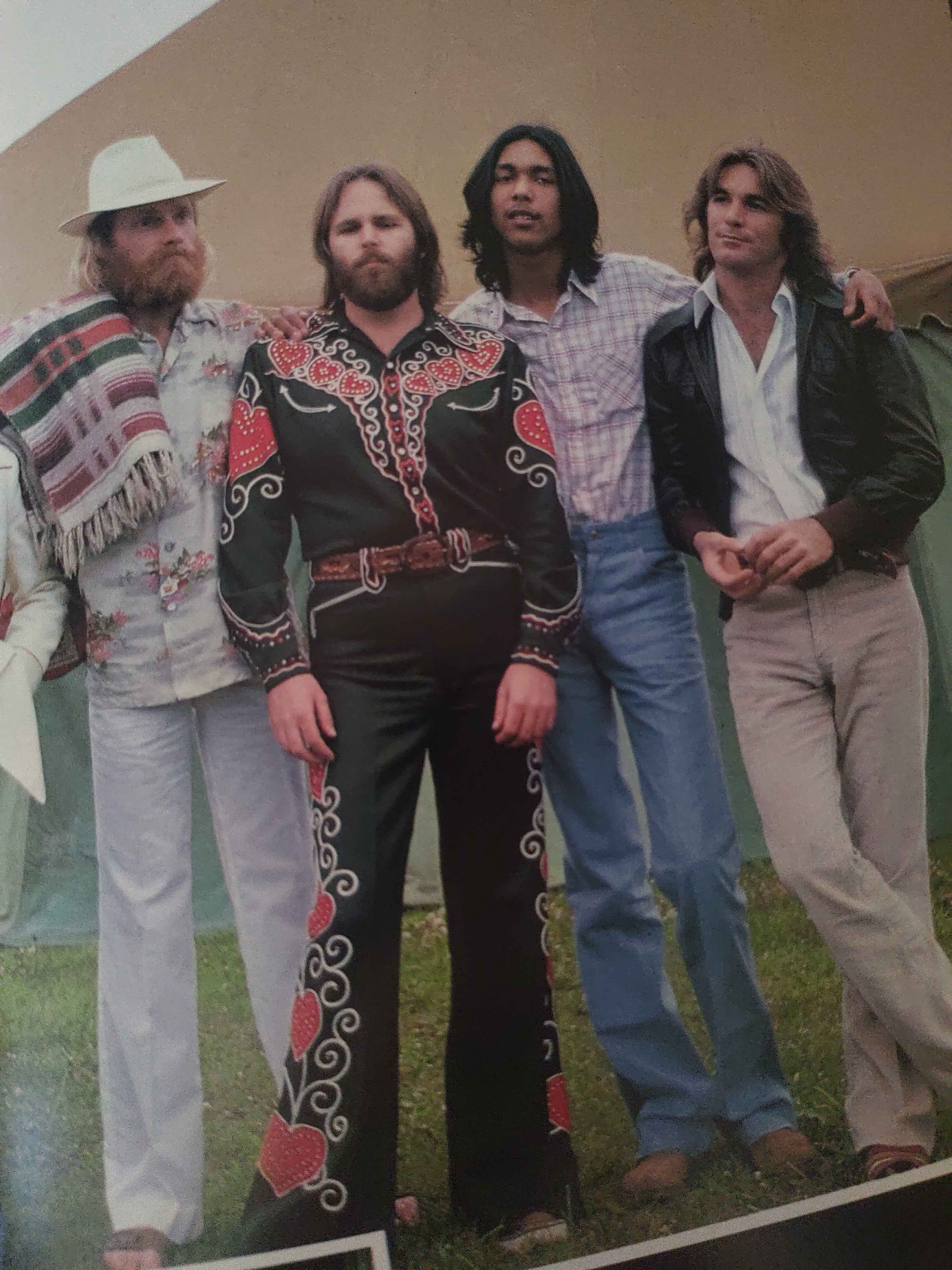
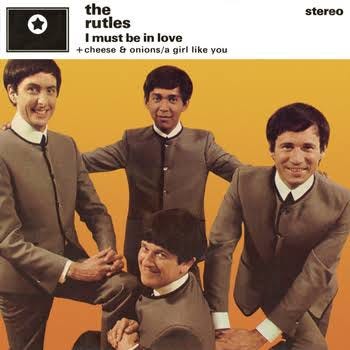
I was not ready to meet Ricky Fataar. I was completely unprepared. Nobody had informed me beforehand that such a thing might occur tonight, might occur ever, at any point in my life. I had not conducted any preparatory listening sessions! I had not refreshed my knowledge of the relevant discographies!
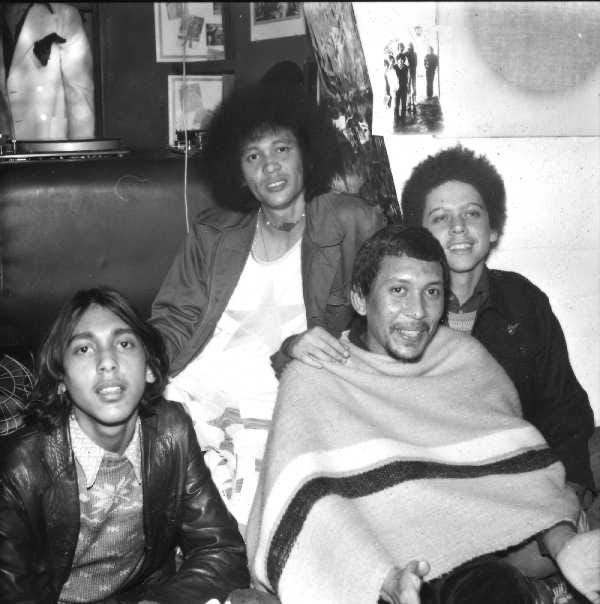
Also: I couldn’t figure out how the guy (born 1952), could possibly look so young. I had forgotten that in 1962, when he joined his elder brothers in the Durban-based Flames (later they seem to have dropped the terminal s), he was nine years old!
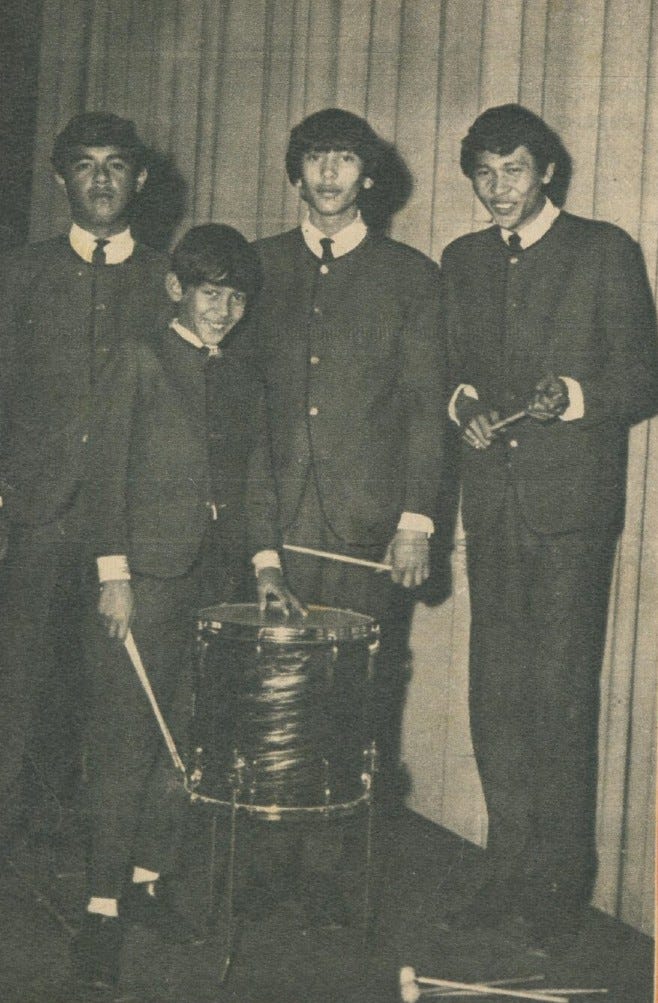
Somehow—unusually—I retained just enough presence of mind to tell Fataar how much and how long I had loved and admired his work, without lapsing into complete wooden-tongued incoherence.
My history at such moments—Leonard Nimoy (oy!), Ray Bradbury (ack!), Bernadette Peters (oh dear!), Quincy Jones (jesus christ!)—is painful to recall.
The problem in these situations is: you want to tell the artist how much joy, pleasure, comfort, astonishment, reassurance, even truth, even love, you have found in their imaginary companionship. But there is too much to be said, and you have, perhaps, no more than a minute, a sentence, to say it in. More would be rude; inappropriate. You want to give examples, instances, proofs, and all you can seem to come up with is cliches (though at least clichés are quick).
And, anyway: who knows how they feel about the piece, or the performance, or the work that you might cite? They may long since have wearied of it, or of being cited for it. They may consider it no more than a lark, an afterthought, the fruit of a weak or drunken moment; a painful document of artistic struggle, commercial failure, personal loss or distress; something to regret or even repudiate.
Or maybe they just don’t care what their work meant to you—who even are you? Maybe you have terrible taste! Maybe they’ve heard all those cliches—even all the examples and instances and proofs—a thousand, ten thousand, a million times before. Maybe no amount of praise or appreciation, however deftly or feelingly expressed, will ever drown out the dark, dry, mocking whisperer in their head who tells them every day, every hour, that they are a failure, an imposter, a fraud. That their work and their name will be forgotten.
“Seriously,” I said to Ricky Fataar. “I’m really, truly a fan.”
Not my worst.
Ricky Fataar listened. He smiled. He was very kind, and patient. Then the lights started flickering, and we went in to see the show.
[Key documents, in the order I encountered them: The Rutles (1978), Holland (1972), The Flame1 (1971).]
Of particular interest to anyone who has ever wondered—and which of us has not, at one time or another—what Badfinger would have sounded like if their membership were multiracial and came from South Africa, instead of Wales.
Comments
Nothing yet. Say the first thing.
Sign in to join the conversation.