
“We can claim with confidence that even when men are responding automatically, their in-group bias is surprisingly frail and that women’s in-group bias is particularly strong at the implicit level (i.e., stronger than men’s by a factor of 4.5).”
— Laurie A. Rudman and Stephanie A. Goodwin, Gender differences in automatic in-group bias: Why do women like women more than men like men? Journal of Personality and Social Psychology 2004 Vol. 87 Issue 4, 494–509.
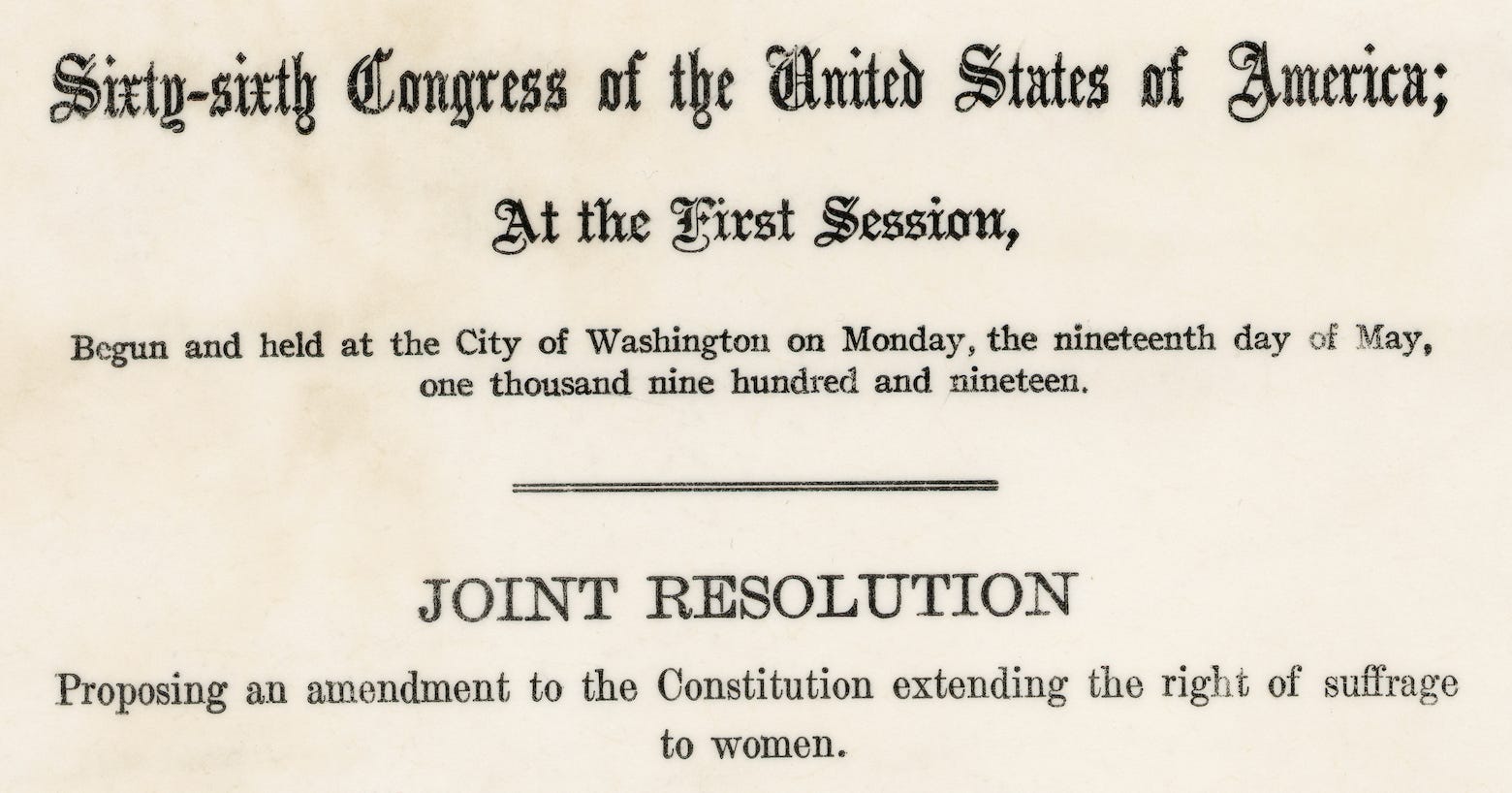
Tomorrow, Wednesday, July 15, in Washington a coalition of women’s groups is going to issue a demand for a federal allocation of $20 billion dollars over ten years for women’s health.
(Meanwhile, advocates for men’s health struggle to establish one federal office of men’s health to join ten federal agencies, committees and other entities on women’s health.)
The $20 billion, single-sex justification? Mainly it’s 1) the ability of women to say things in unison and 2) they can vote. That’s not really a justification; it’s more like a gun to the heads of elected officials. What are the proponents saying? That women’s health has been “under-researched” and “under-funded” and there is a “women’s health gap.” They make no effort and apparently feel no need to explain away the fact that men reach zero health (death) more than five years earlier than women do.
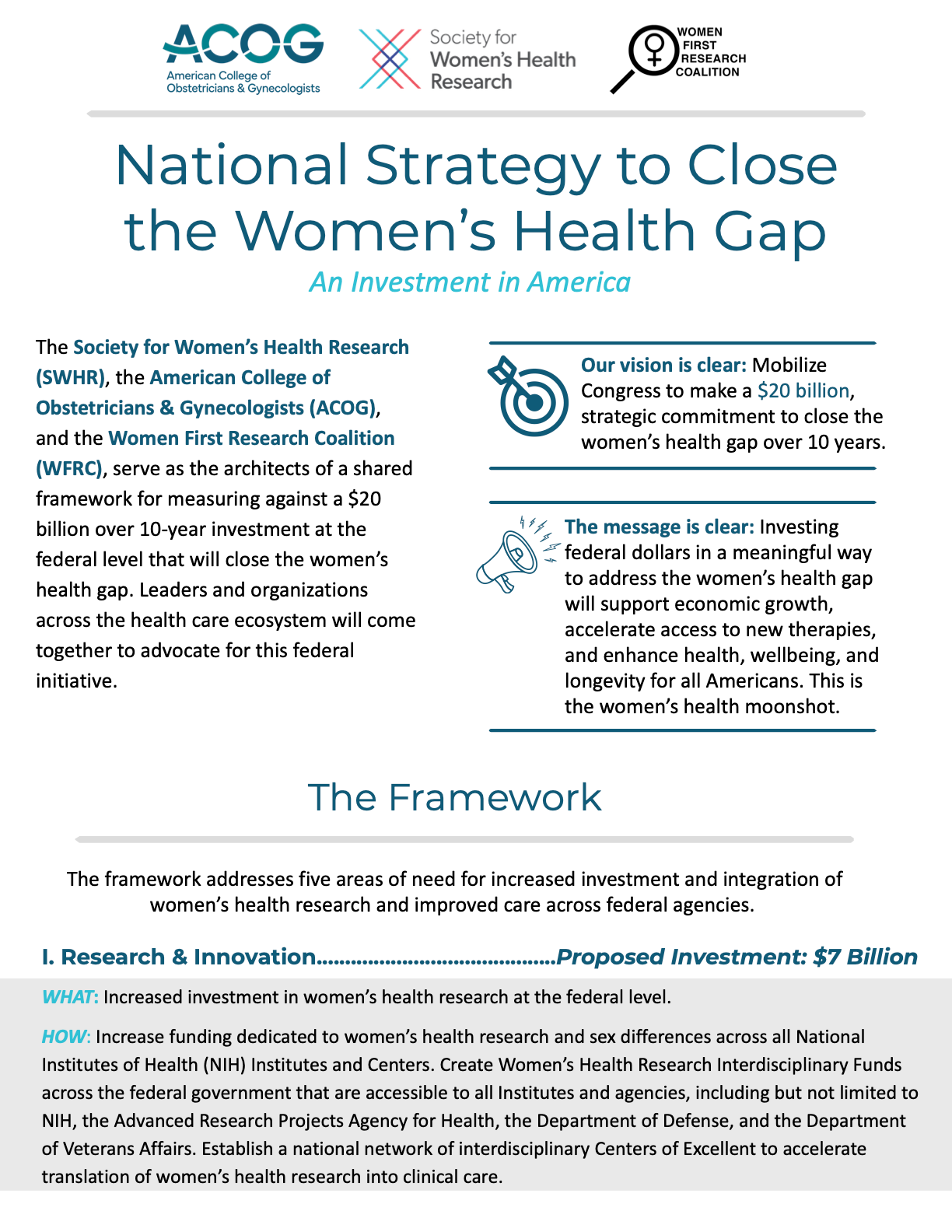
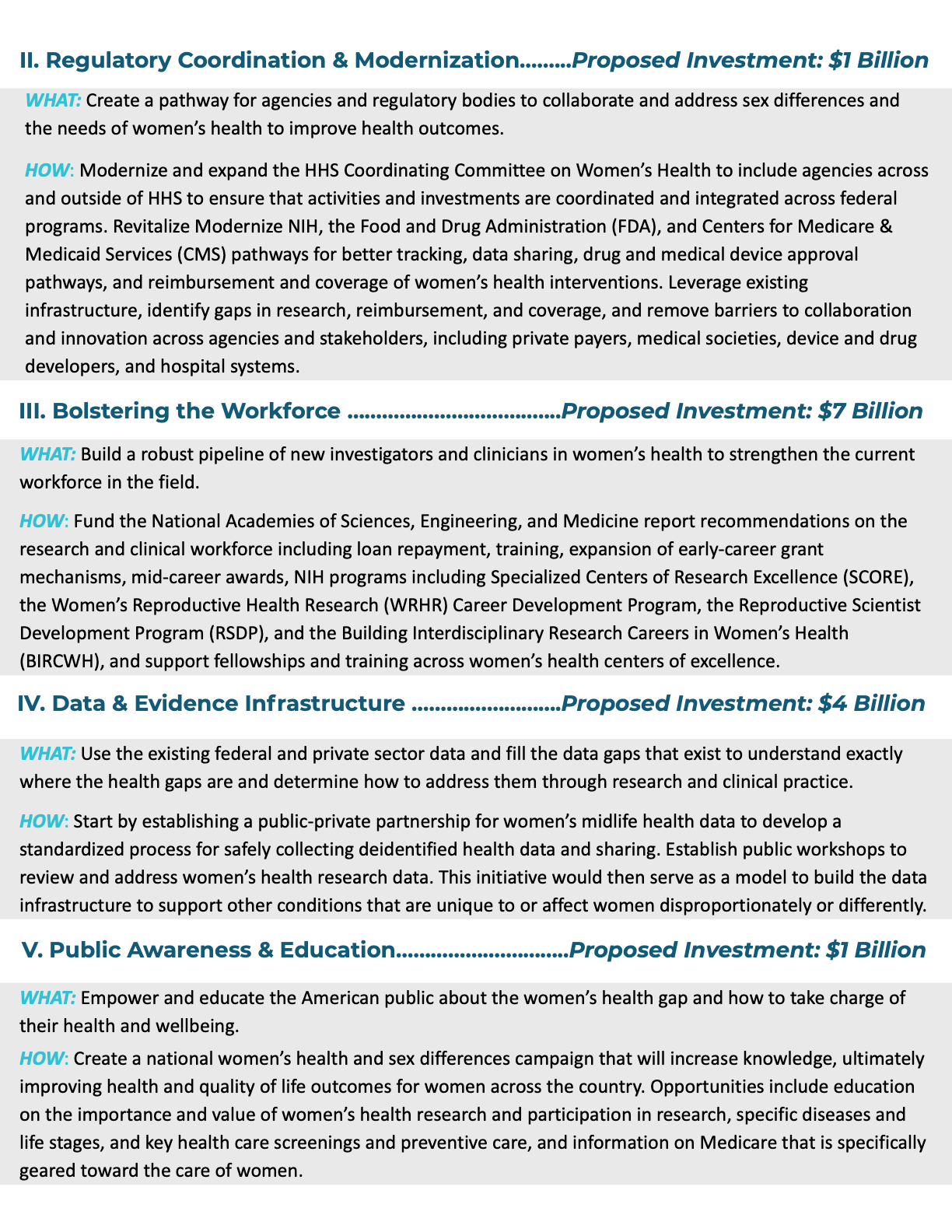
When counter-factual statements are asserted by Trump, the media chime a chorus of their own, inserting the words “without evidence.” But we almost certainly won’t hear that in response to women’s refrain of “Women’s health has been under-researched and under-funded.” But Trump is not women and we can expect the media slavishly to do women’s bidding — a little bit, come to think of it, the way the DOJ slavishly obeys Trump — and repeat what women want them to say, because women can put a gun to publishers’ heads too.
• • •
That was the background for me this morning to ask Google AI,
With the caveat that AI can be wrong, here is the reply to that question and two follow-ups.
• • •
AI response:
Yes. Anti-suffragists actively used ideas that mirror what we now call in-group bias. They argued that women voting would bring the “selfishness” of pure sex-based interests into governance, pitting women against men and forcing women to “noisily contest and scramble for public office—woman pitted against woman”. [1, 2]
Anti-suffrage opponents, organized in groups like the National Association Opposed to Woman Suffrage, specifically claimed: [2, 3]
Erosion of co-operation: Giving women the ballot would mean “competitions of women with men instead of co-operation”. [3]
Disruption of home harmony: They argued it would destroy peace in the household, as women voting could force them to hold political interests directly at odds with their husbands. [4]
Abandonment of altruism: It was widely believed that if women engaged in partisan politics, they would selfishly band together based purely on their sex to dominate men and rewrite laws to the detriment of society. [1, 2, 3, 5, 6]
If you would like to explore this further, I can provide examples of:
Specific anti-suffrage pamphlets
Arguments from prominent female anti-suffragists
How this connects to the broader fear of gender inversion
Let me know what you’d like to narrow down.
[1] https://history.nebraska.gov
[2] https://www.thoughtco.com
[3] https://www.crusadeforthevote.org
[4] https://crisismagazine.com
[5] https://en.wikipedia.org
[6] https://chemungcountyhistoricalsociety.blogspot.com
• • •
AI reponse:
Anti-suffrage organizations routinely distributed pamphlets warning that giving women the vote would trigger “sex antagonism”—a historical term for gender-based in-group bias. They argued that women would naturally band together as a monolith to vote exclusively for their own interests, destabilizing a government traditionally built on family representation. [1, 2, 3, 4, 5]
Prominent examples of pamphlets, essays, and propaganda materials targeting this behavior include:
“Household Hints” Pamphlet
Distributed by the National Association Opposed to Woman Suffrage (NAOWS), this famous pamphlet cleverly disguised its political arguments alongside actual domestic recipes. It explicitly warned that the ballot would cause “competitions of women with men instead of co-operation,” pushing women to organize against men as a rival group rather than working harmoniously within the family structure. [3, 6]
Anti-Suffrage Essays by Massachusetts Women
This compiled volume of essays acted as a foundational manifesto for the anti-suffrage movement. In it, authors warned against treating women as an independent voting bloc, stating: “Women are not a class, they are a sex; and the women of every social group are represented... by the men of that group”. The writers feared that suffrage would force a “fatal day” where women attempted to secure rights solely through “a victory wrested at the polls from reluctant men,” effectively viewing men as an out-group to be defeated. [1]
The “Queen of the Poll” Propaganda Series
While not a text-heavy pamphlet, this widely circulated commercial lithographic postcard series visually illustrated the exact fear of female in-group bias. One prominent image from the series depicts a female voter championing only women candidates. The explicit subtext of this propaganda was that women would lock step, practice strict sex solidarity at the ballot box, and completely topple men from the social hierarchy. [2, 7]
“Why the Home Makers Do Not Want the Vote”
Pamphlets with this title targeted the cooperative family dynamic. They argued that because women naturally possess different strengths, a vote would force them out of their protected, non-partisan domestic sphere. Anti-suffragists argued that once women entered politics, they would be corrupted into acting out of pure “sex loyalty,” destroying the unbiased moral influence they supposedly held when they were outside the political system. [8, 9, 10]
[1] https://www.gutenberg.org
[2] https://allthatsinteresting.com
[3] https://www.crusadeforthevote.org
[4] https://www.nytimes.com
[5] https://www.newyorker.com
[6] https://www.utahwomenshistory.org
[7] https://www.nps.gov
[8] https://historiansforhistory.wordpress.com
[9] https://en.wikipedia.org
[10] https://tnmuseum.org
• • •
AI reponse:
Prominent female anti-suffragists—often called “Antis”—were not passive bystanders; they were highly educated, influential, and politically active women. They paradoxically used their public platforms to argue that a woman’s true power relied on staying out of politics. [1, 2, 3, 4, 5]
Their core arguments focused on protecting women’s unique societal privileges, avoiding partisan corruption, and preventing the division of the sexes. [2, 3, 6]
1. The Loss of Non-Partisan Moral Authority
Prominent activists argued that women were highly effective precisely because they were above the political fray. If women voted, they would become just another special interest group, destroying their ability to act as unbiased, moral reformers. [2, 3]
Catharine Beecher (educator and author) argued that women wielded immense power by remaining non-partisan. She pointed to her sister, Harriet Beecher Stowe, noting that Uncle Tom’s Cabin shaped national morality and fueled the abolitionist movement far more effectively than any ballot could. Beecher believed women should influence politics by uniting to sway their fathers, brothers, and husbands rather than engaging in “dirty partisan politics”. [2]
Josephine Dodge (founder of the National Association Opposed to Woman Suffrage) maintained that the independent, non-voting woman could enter a governor’s office or legislative hall as an objective mediator. Once enfranchised, she warned, women would be viewed with suspicion as partisan operators looking to secure votes for their own side. [2, 7, 8]
2. “Spreadhenism” and Illogical Promises
Some female anti-suffragists mocked the idea that women possessed an inherent moral superiority that would instantly purify politics. [8]
Annie Nathan Meyer (author and founder of Barnard College) coined the satirical term “spreadhenism”. She used it to mock the suffragist claim that “once the hens were in charge, the entire chicken coop would be hatched anew”. Meyer argued that women were just as capable of political corruption, greed, and incompetence as men, meaning their entry into politics would double the electorate without improving government quality. [7, 8, 9, 10]
3. Legal and Economic Sufficiency Without the Vote
Other prominent writers argued that American democracy was already successfully evolving to protect women, proving the ballot was entirely unnecessary. [11, 12]
Helen Kendrick Johnson (author of Woman and the Republic) argued that the suffrage movement was fundamentally illogical. She asserted that women could—and already did—attain legal, educational, and economic equality through existing legislative channels without needing to vote. She claimed that men had willingly opened up the professions to women and that suffrage arguments wrongly painted men as a “selfish and monopolizing” enemy. [11, 13]
4. Suffrage as a Distraction from Genuine Progress
Even highly progressive, ceiling-shattering career women joined the anti-suffrage ranks because they viewed the ballot as a superficial fix. [2]
Ida Tarbell (the legendary investigative muckraker who took down Standard Oil) argued that the exhausting fight for the ballot was a massive distraction from economic and social justice. Tarbell believed a woman’s truest, most revolutionary impact was made within her community, household, and workplace. She feared that pushing women into political campaigns would deplete the energies they needed to solve concrete issues like labor exploitation and educational inequality. [4, 14, 15]
If you’d like to dive deeper, I can provide:
The sharp, public debates between biological sisters who took opposite sides (like Maud Nathan and Annie Nathan Meyer)
How Southern female Antis uniquely used racial arguments to oppose the vote
A breakdown of the “Separate Spheres” ideology that guided these beliefs [2, 6, 9, 16, 17, 18]
Let me know which direction you would like to explore.
[1] https://www.npr.org
[2] https://daily.jstor.org
[3] https://www2.uco.edu
[4] https://www.ebsco.com
[5] https://www.nps.gov
[6] https://libguides.nypl.org
[7] https://www.crusadeforthevote.org
[8] https://jwa.org
[9] https://suffragettecity100.com
[10] https://www.crusadeforthevote.org
[11] https://womenofeverycomplexionandcomplexity.weebly.com
[12] https://tile.loc.gov
[13] https://www.contextus.org
[14] https://www.loa.org
[15] https://msmagazine.com
[17] https://ehistory.osu.edu
[18] https://nyheritage.org
Echoing Abraham Lincoln as he watched Our House being divided against itself across a different crack, we must call upon the better angels of women’s nature to end the most fundamental, most dangerous polarization by which our nation, and perhaps the whole world, has ever been threatened.
Comments
Nothing yet. Say the first thing.
Sign in to join the conversation.