

Hello, friend.
We are all products of the past, right? Or at least, a past. Our past.
We can’t help but live in it some of the time. Our minds wander their ways back to old moments. We analyze and problem solve things that have already been analyzed and solved. We embrace the fond feeling of nostalgia like a cozy blanket. We regret things.
This is a sacred duty—the remembering. We are innately called to carry on a collective record of what has taken place, the things we have learned and experienced. This is our sacred timeline. It helps define who we are, who we might become, where we might be going—our present and our future.
It is interesting to me how this single direction of time—backwards—is visible in so much of our modern lingo. A social media feed is a timeline (at least, it used to be when posts were represented in chronological order more commonly). Albums of music are also called records because they are works that have been recorded to something physical like vinyl (at least, they used to be, before recordings could be exclusively created and stored digitally).
I like noticing these small points of mild tension between past, present, and future in our language. It’s a reminder that we are always evolving, and that evolution cannot take place without that which comes before.
In Darwin’s theory of evolution, the fittest who persist through successful reproduction only survive in the first place because their genes are best adapted to their environment. On the other hand, this natural selection phases out those who do not adapt.
Some words survive, often because their meanings are able to evolve, to adapt to new environments. A digital record is still as much a record as a physical one.
But what of all the words that have been lost to time?
Consider the thousands of ancient languages that went extinct as their speakers passed on from this world without passing on the language to their descendants. Even languages that still survive in one form through physical recordings do not fully exist anymore, because no one knows how to speak them accurately.
Take Sumerian, a language that died around 4000 years ago. Still today, we possess tons of intact tablets displaying Cuneiform, the written version of Sumerian. However, not a single living soul can speak the language accurately. We simply wouldn’t know how because we haven’t heard it. Only a dedicated few can read and translate it, and it is all, really, a very well-educated guess.
We homo sapiens have been around in some capacity for hundreds of thousands of years, but what do we remember about ourselves from our earliest days? What do you remember about your own life from the hazy blindspots of your single-digit youth?
We are all collectively, constantly forgetting. What I mean to say is, everything passes out of memory and, therefore, existence once enough time and people have passed.
That’s why I find the perseverance (and evolution) of certain memories so compelling.
Last weekend, I saw Christopher Nolan’s THE ODYSSEY. It got me thinking of oral traditions, stories being passed down verbally through so many generations. The fact that a single story like the journey of Odysseus—which may be made up of several separate stories pasted together to create a single narrative—has survived as long as it has is almost unfathomable. For nearly 3000 years, people have heard, read, and watched some form of this tale.
In those almost 3000 years, the story has never really been exactly the same. That is an essential aspect of oral tradition—individual’s memories changed the experiences of each listener all those centuries ago. Even after it was written down, The Odyssey has been edited and adjusted across many iterations.
Now, Nolan’s own interpretation gives modern audiences a unique version of the same core plot that was ancient Greek poet Homer’s The Odyssey. Nolan takes his own creative liberties, like pulling from other related stories to strengthen the themes he wanted to focus on—see the central role of Elliot Page’s Sinon, a character who was actually from Virgil’s The Aeneid.
While I can’t say precisely why certain stories and traditions survive longer than others, I’d hazard an educated guess that language is an example we can set in comparison. The languages that have survived for long periods of time—Tamil, Mandarin, Greek—do so because so many people have passed them on. Simultaneously, these languages have been somewhat concentrated in and protected by their environments. Tamil started in the southern region of India, which was long insulated by the Deccan Plateau, with mountain ranges forming a natural border to the north and the Indian ocean bordering it to the south.
Now consider Latin as a counter-example: in a way, the memory of Latin survives through its evolution into the many different Romance languages. We see the roots of Latin terms everywhere in Spanish, Italian, French, and Portuguese (not to mention the Germanic-rooted English that is also heavily Latinized). These modern languages are spoken all over the world much in the way Latin was once a global tongue carried abroad by the Roman empire through trade and conquest.
Universality. The brute force of quantity. These are reasons languages persist.
A shift in environment, then, is a big reason that languages evolve.
The Odyssey may one day cease to be remembered like so many other stories. There is no telling what exactly the future holds for our collective memory—though the current signs of our technology point to a longer, clearer, more assured existence for that which we remember. For now, though, The Odyssey remains firmly involved in the framework of our narrative tradition. Perhaps this is so because the nature of Odysseus’s story is universal—his journey represents massive moral questions, while also thrilling audiences with bouts of war, temptation, greed, triumph, and love.
The Odyssey is also remarkably good at evolving to fit new environments. It bears an adaptable symbolism that resonates in humans living all around the globe, thousands of years apart.
As you go forth and create your art, tell your stories, and live your life, remember: characters like Odysseus succeed because they are mirrors, reflecting every single person who comes to know them. As Odysseus spends years losing himself in the past rather than moving forward, so do we. It is my belief that, like Odysseus, we must struggle to move forward by accepting change, by acknowledging the absence of our control over that which already happened to us.
For many of us, art is our mode of adaptation. So, stand firm in the present moment, face the future, and know that change is not just possible—it is in your blood.
Hello again, friend. I hope you enjoyed today’s reflection—and I hope you feel ready to face the future. I also hope you have a chance to see The Odyssey! I loved it, and I bet you will too.
Now, returning to the present, here is some new music that is ready for you right here in this moment. Maybe it will trigger memories of the past, or maybe it will inspire your visions of the future. Either way, listen to it now and see what happens.
Since I’ve droned on quite a lot already, going to share this week’s recommendations without further words from me—hopefully they are fun surprises for your ears.
Happy listening.

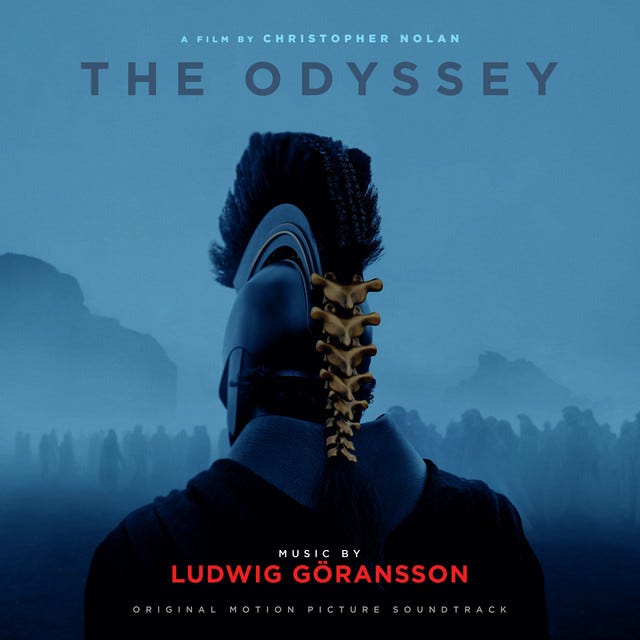
The Odyssey (Original Motion Picture Soundtrack) by Ludwig Göransson (album / film score) [Back Lot Music]
Okay, really quick word on this one actually: why the fuck are people saying this soundtrack is “forgettable” and a “monotonous, boring listen”? It’s absolutely otherworldly, haunting, and filled with emotion. It is one of the most unique scores I’ve heard and paired with the film perfectly. Give it a chance for close listening without the visuals.
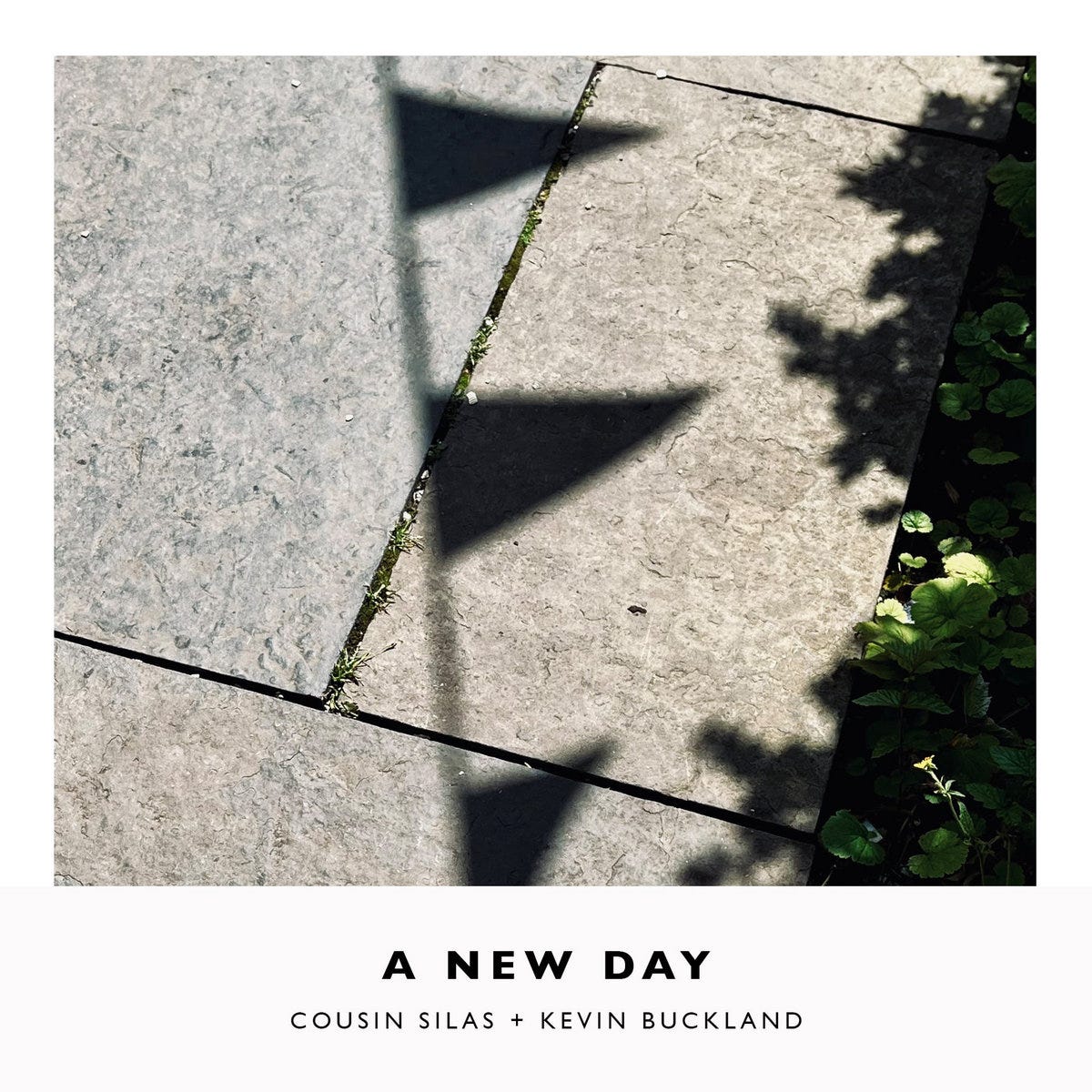
A New Day by Cousin Silas & Kevin Buckland (album / drone) [Independent]

one six two by VAAAL (EP / drone, ambient guitar) [Echoes Blue Music]
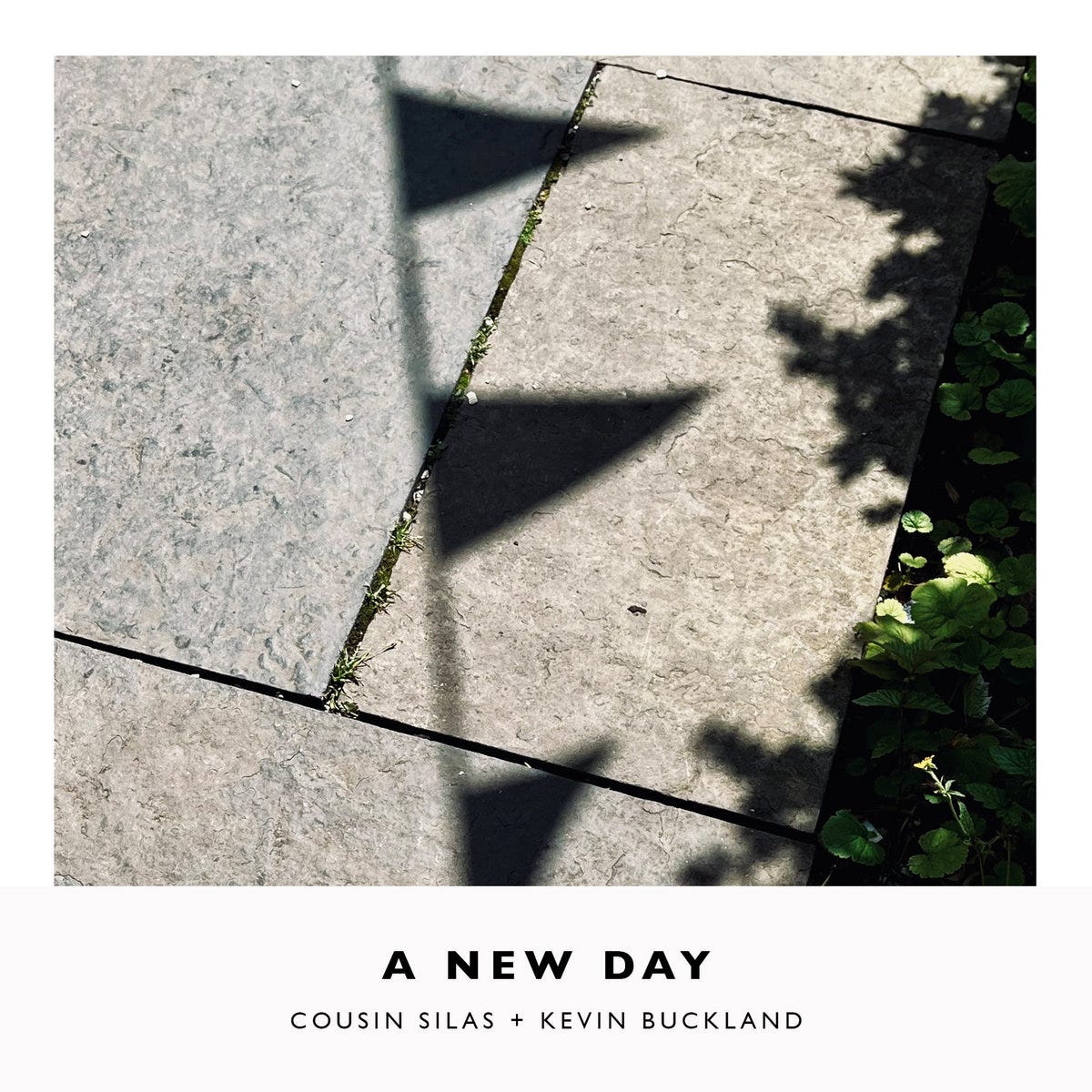


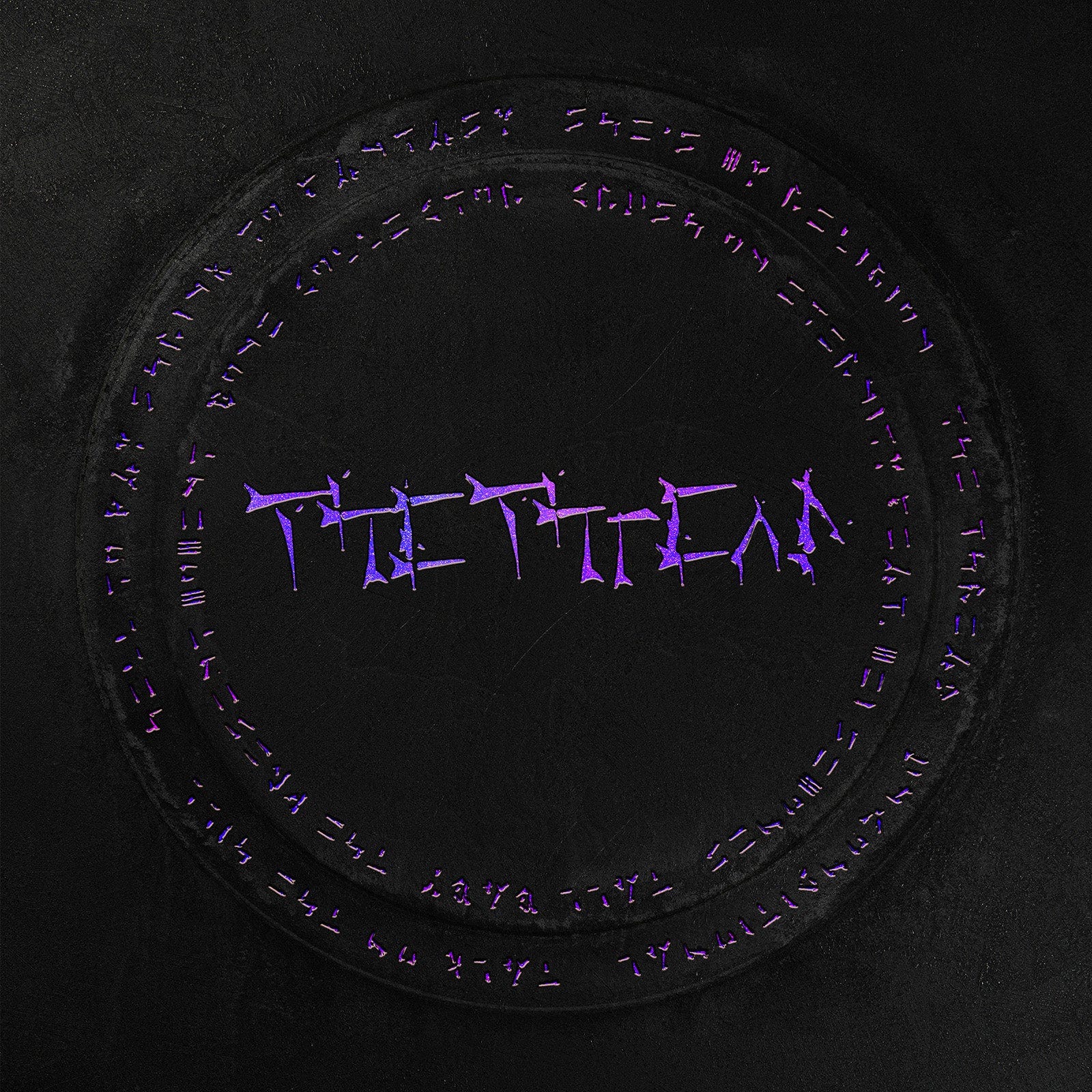
The Thread by WILLOW (album / art pop) [Three Six Zero]
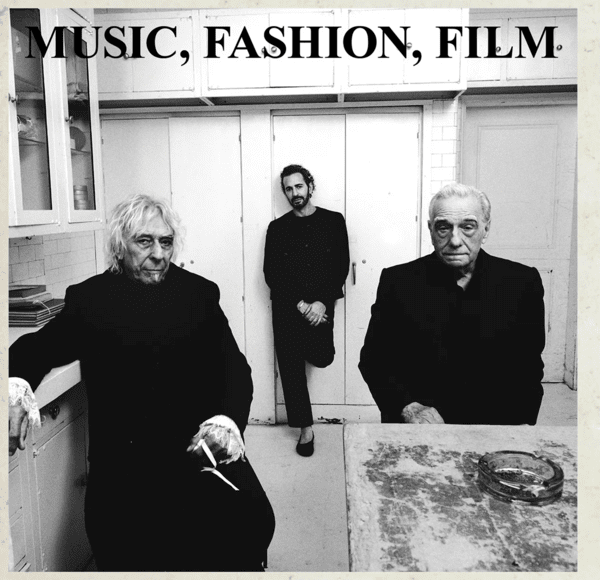
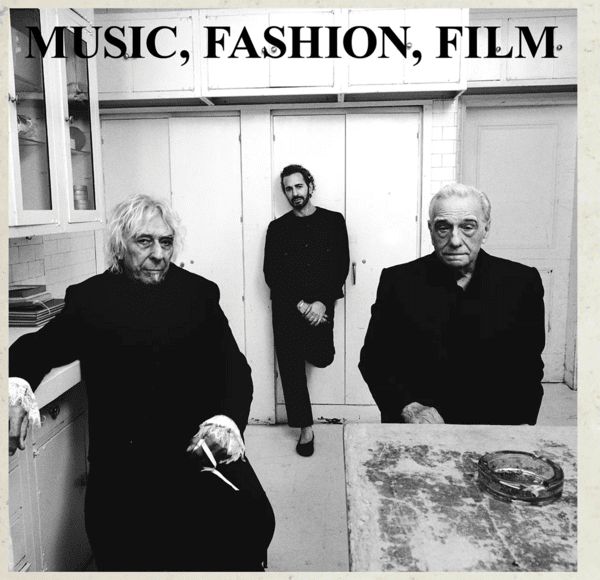
Music, Fashion, Film by Charli XCX (album / pop) [Atlantic]

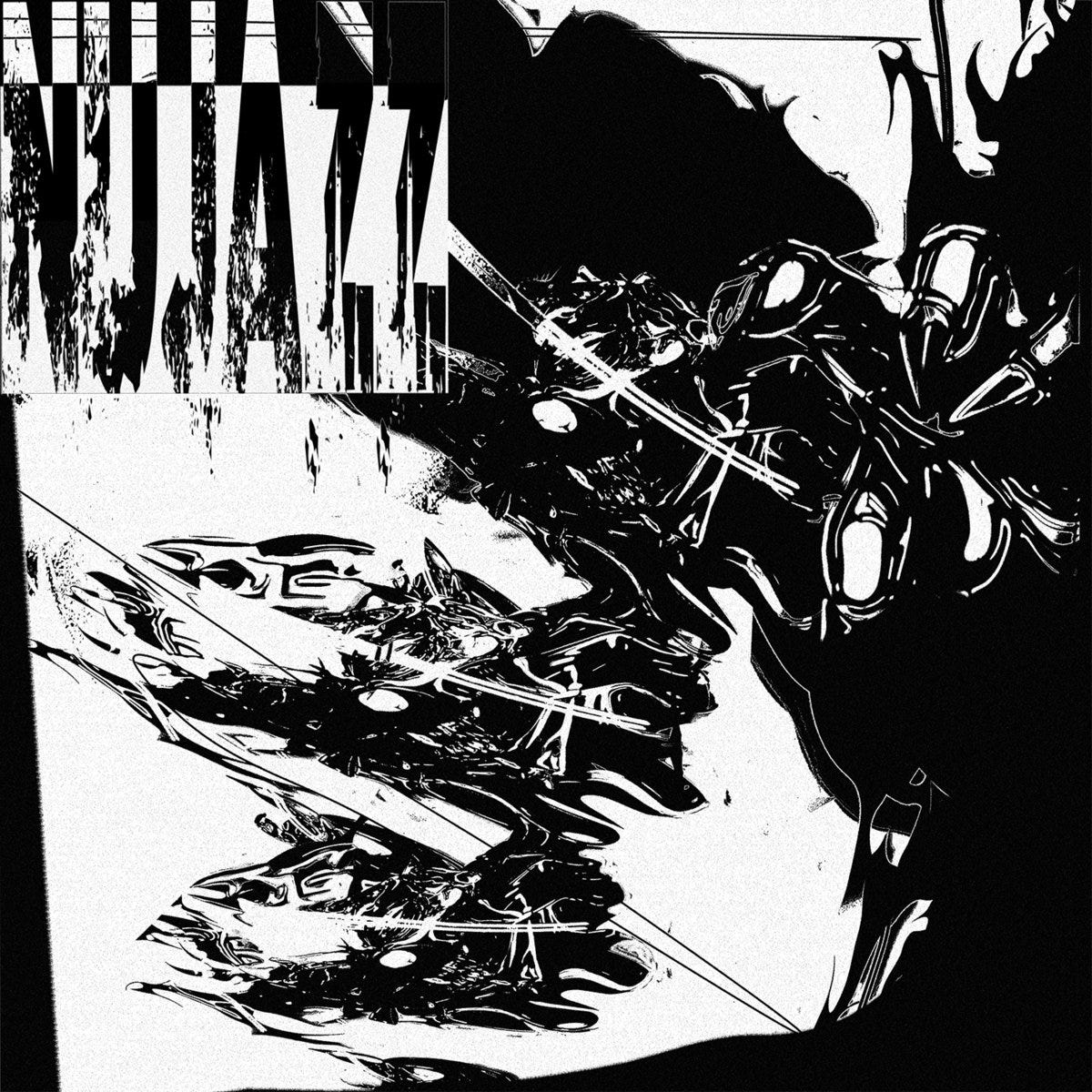
Un Jazz by Nu Jazz (album / free jazz, experimental) [Orange Milk Records]

It’s Always About Liberation by Ancient Infinity Orchestra (album / spiritual jazz) [Gondwana Records]
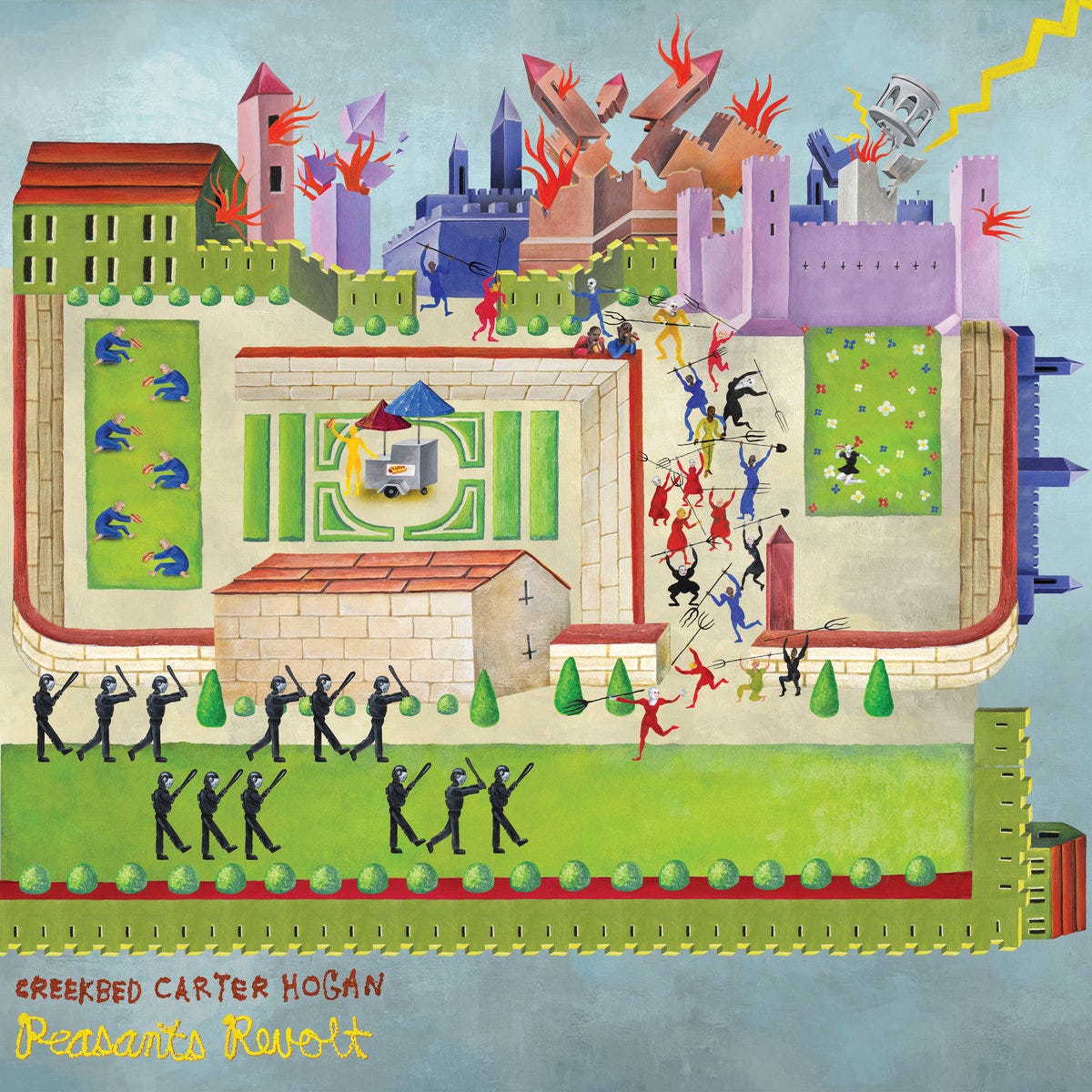
Peasants Revolt by Creekbed Carter Hogan (album / folk, Americana) [Gar Hole Records]
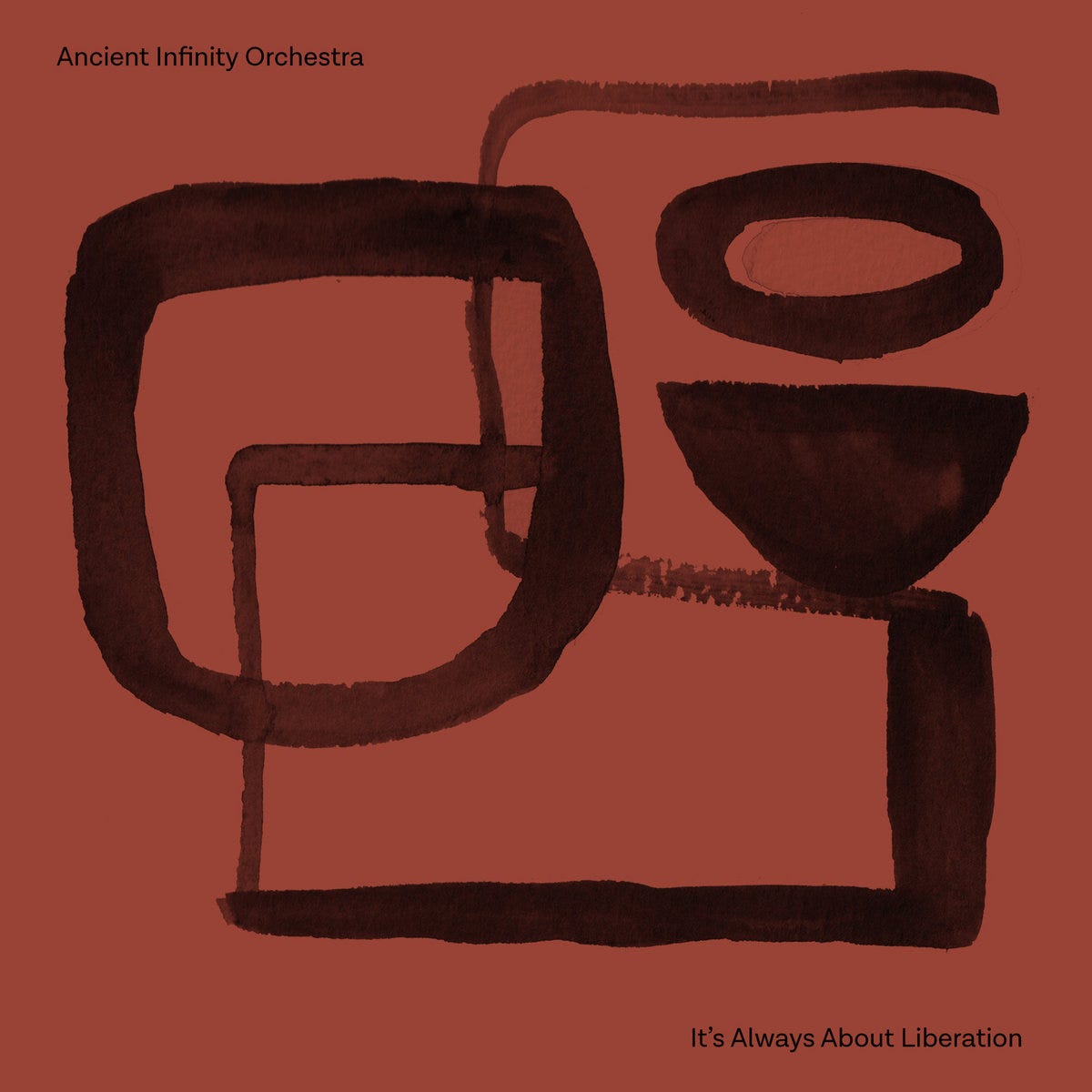
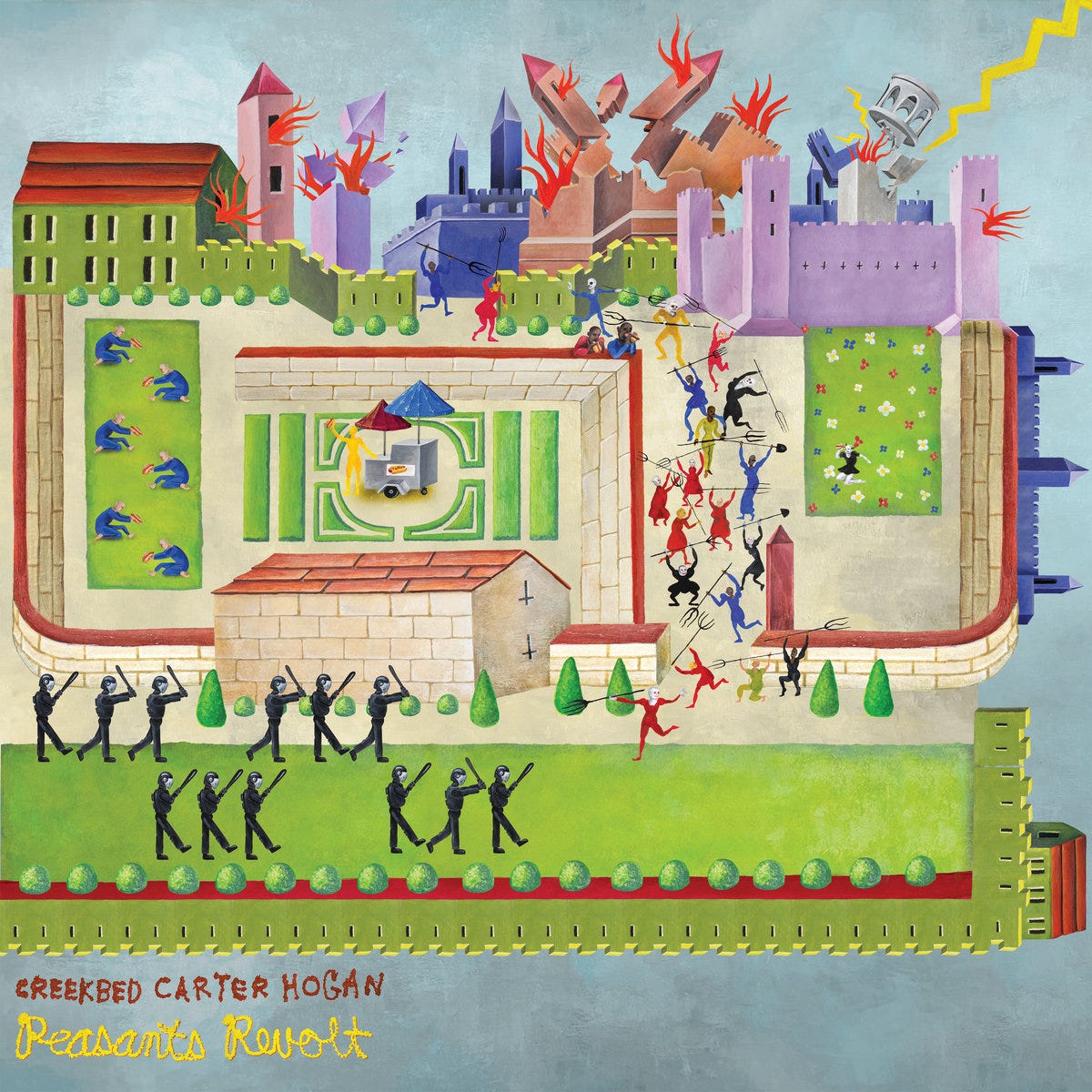
Music List Reminders: Bandcamp links provided first when available—if an album is not on Bandcamp, then YouTube or other preview links are provided. List format: Title by Artist (release type / approximate genre or subgenres) [Label].
That’s all for this week’s issue. Thank you for reading. Until next time.
Your friend,
Melted Form
Read the previous issue of The Living Music List:
Hum, Buzz, & Hiss has a free Discord server where music fans and artists hang out together, share music, chat about our work, and learn from each other. Plus, you’ll get some behind-the-scenes stuff and even more music recommendations from me. I’d love for you to join us! Click the button below and I’ll see you there.
Upgrade to a paid subscription for some extra goodies. Full price is $5/month or $50/year, but I also offer no-questions-asked, pay-what-you-can discounts on annual subscriptions. Learn more about the perks of paid subscriptions here.
As an alternative to subscriptions, you can buy me a coffee for an easy, one-time tip.
Referrals also mean a lot! If you enjoy this newsletter, please consider sharing it with a friend, a family member, a coworker, or your social media followers. The more it grows, the more ears can hear the music shared here.
Are you an artist, a label owner, a fellow writer, or just a music fan? Want to share news of your upcoming release, an ad, or a potential idea for a future Hum, Buzz, & Hiss issue? Email me at: meltedform@gmail.com.
As always, I would love to hear and recommend your music, especially if it’s new and ambient/electronic/experimental. However, please note that I am not able to respond to every inquiry I receive.
Comments
Nothing yet. Say the first thing.
Sign in to join the conversation.