
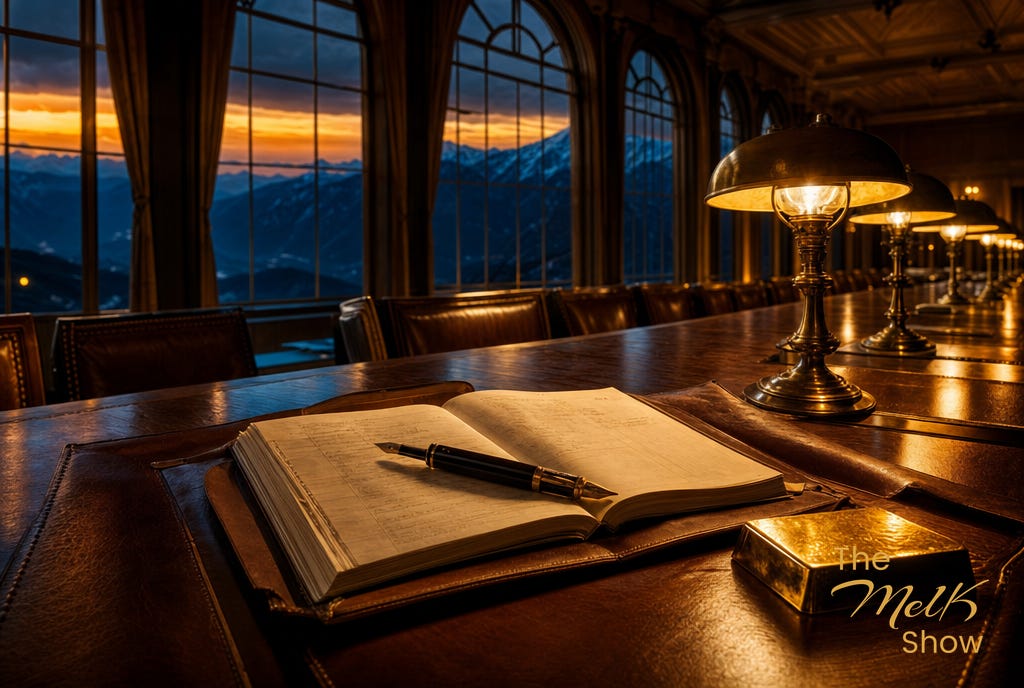
In the first week of July 1944, while the outcome of the war in Europe was still being settled in the hedgerows above the Normandy beaches, seven hundred and thirty men arrived by special train at a white clapboard hotel in the New Hampshire mountains.
The Mount Washington Hotel had stood shuttered for a year. Its staff were recalled, its golf course mowed, its great dining room relit beneath the surrounding peaks. For three weeks the delegates of forty-four nations sat under those high windows and drew the financial order in which most of the world still lives.
The two men who mattered most rarely agreed. John Maynard Keynes led the British delegation, his heart failing and his patience shorter still, and he would be dead within two years. Harry Dexter White ran the American side from the Treasury, and the American side held the gold, which meant the American side held the argument.
What the delegates built in those three weeks would outlast every treaty signed in that decade. They built institutions. An International Monetary Fund to govern exchange and a World Bank to govern reconstruction, both denominated against a dollar that was, for the moment, anchored to metal.
No part of this was hidden. Reporters filed daily from the lobby. The agreements went to the Congress and passed into American law the following summer. The architecture of the postwar world began the way most durable architecture begins, in the open, on the record, signed by named men who believed they were building something the century required.
That belief is the thread worth following. This essay traces it forward across eighty years, from a hotel dining room to a kitchen table in a Washington suburb in the autumn of 2020, and asks a single question that the events of the last decade have made unavoidable.
Comments
Nothing yet. Say the first thing.
Sign in to join the conversation.