
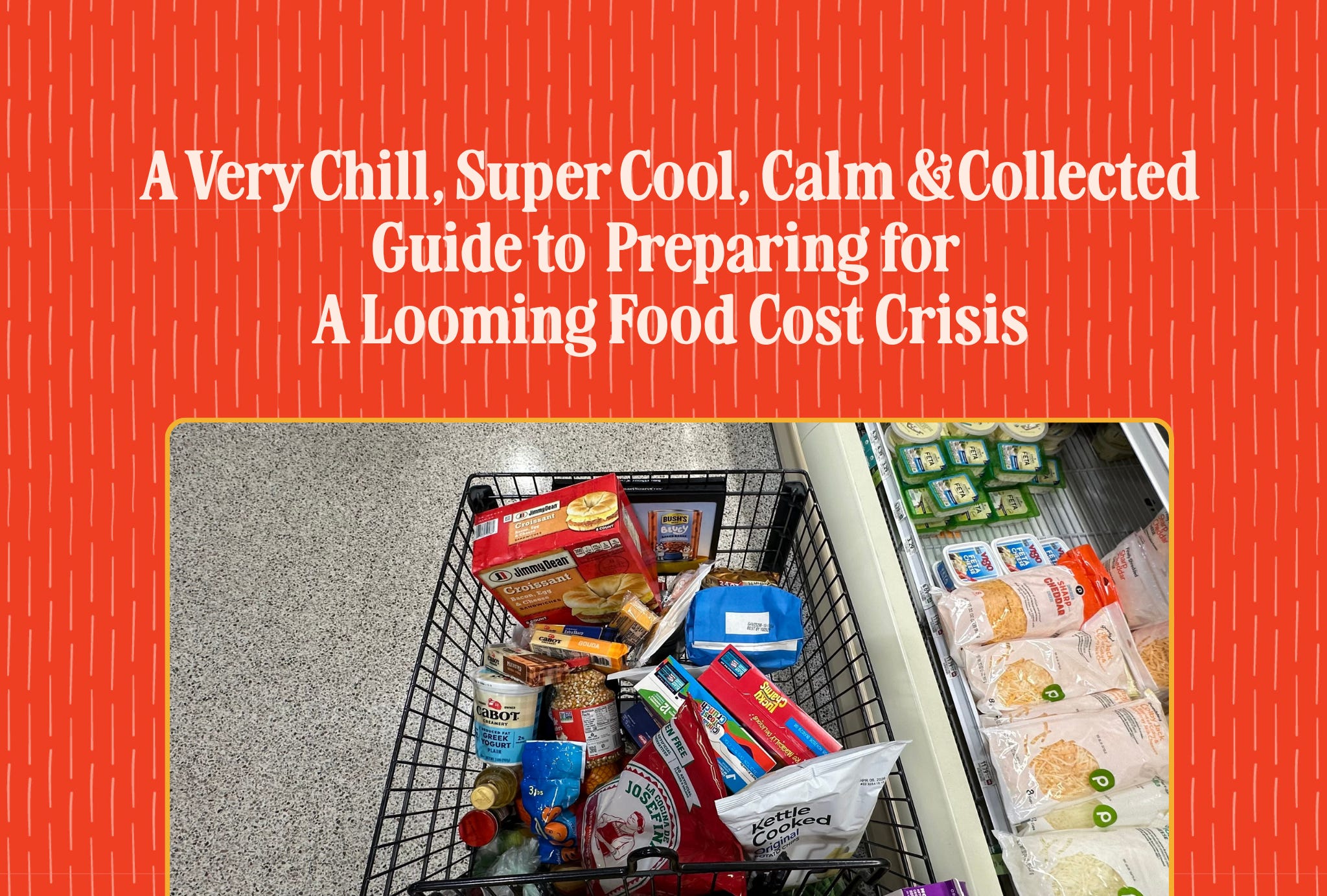
Hi there! I’m Meghan Splawn a long time food editor who is working to cut her family’s food spending in half this year (yes, in this economy). This week’s newsletter has been sitting in my draft for two weeks because it wasn’t what I originally planned and I don’t want to add to any anxieties. I hope you’ll find this a helpful (and free rosource) but becoming a paid subscriber will also give you a collection of planning and budgeting resource to help you too.
At a birthday party last weekend, a conversation started about which option you’d choose in the zombie apocalypse: your own quick demise or fighting out the zombies for survival. It was quite fun until I mentioned that actually I am more worried about food security than I am about night walkers or other monsters. Since the US started war with Iran, we’ve been hearing about the cost of fuel prices rising and access to fertilizer being limited. Both of these things will impact the price and availability of food for so many countries in the near future and we should be talking about that.
Writing about global economics isn’t even a little bit in my wheel house, but since we’ve been talking about food budgeting almost exclusively in 2026, it feels imperative to have awareness that the price of foods is going up. What I don’t want to do is fear monger or add to anxiety (my own or yours!) but I hope this guide will be a helpful resource for preparing in a measured, thoughtful, and calm way.
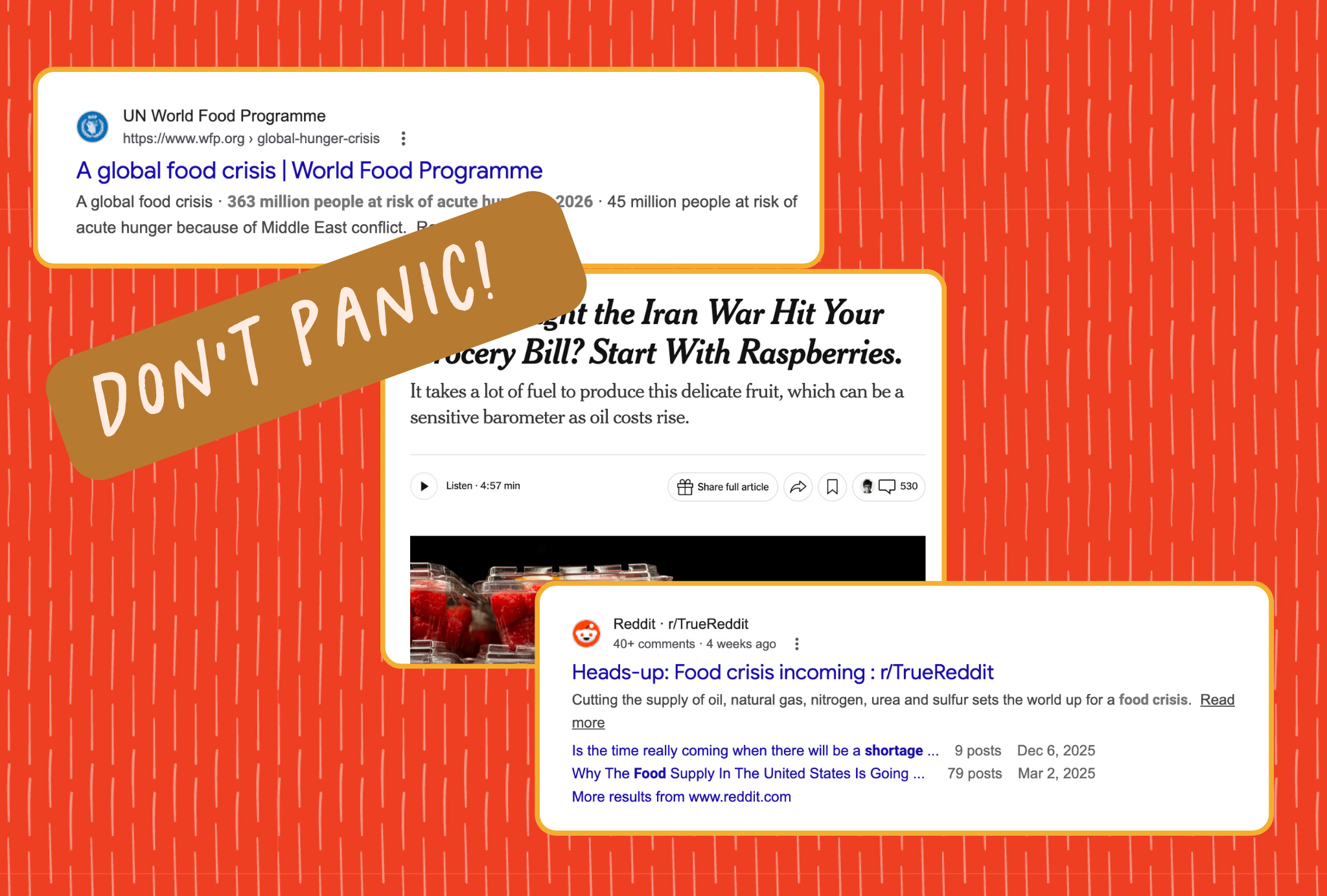
The United States is most likely to see two different waves of food supply issues. We’ll first notice the impact on fresh produce this summer (2 to 3 months from now) because fertilizer is in short supply as farmers kick off growing season. Some farmers will be deciding to pivot growing commodity crops like soy over crops that require more fertilizer like corn, wheat, greens, and fruit like strawberries and raspberries. This partnered with the rising cost of fuel for transportation, the cost of petroleum impacting plastic packing, and a fewer workers to harvest whatever is grown, will mean that things like clamshells of salad greens and fresh raspberries are more expensive or in limited supply.
The pivots that farmers make now will also impact corn, wheat, and rice and as a by-product meat prices this fall. Not only do these three commodity crops touch pretty all processed foods — from basics like flour to more convenience foods like snack crackers and freezer meals — but some of them are also used in feeding livestock like chickens and cows that ultimately become our weeknight chicken thighs and ground beef. Milk, eggs, and cheese will also be impacted, though maybe later in the cycle. Again the costs of plastic based packaging and transporting these foods will eventually be passed on to us consumers.
Even if the war on Iran ends today, grocery prices will see the impact for at least the remainder of 2026. Right now we can protect our food spending budgets with some preparedness.
This isn’t a guide for preparing for that zombie apocalypse or an energy crisis or a road map for living off grid for 6-months. Besides, Ready.gov and The American Red Cross recommend first a 72-hour emergency kit and then a 7 day back-up supply before you even think about having a month’s worth of canned goods in your basement. No, this is a plan for building some reserves, say 1-3 months worth, for your household and doing some longer lead logistics to cut down on future grocery costs.
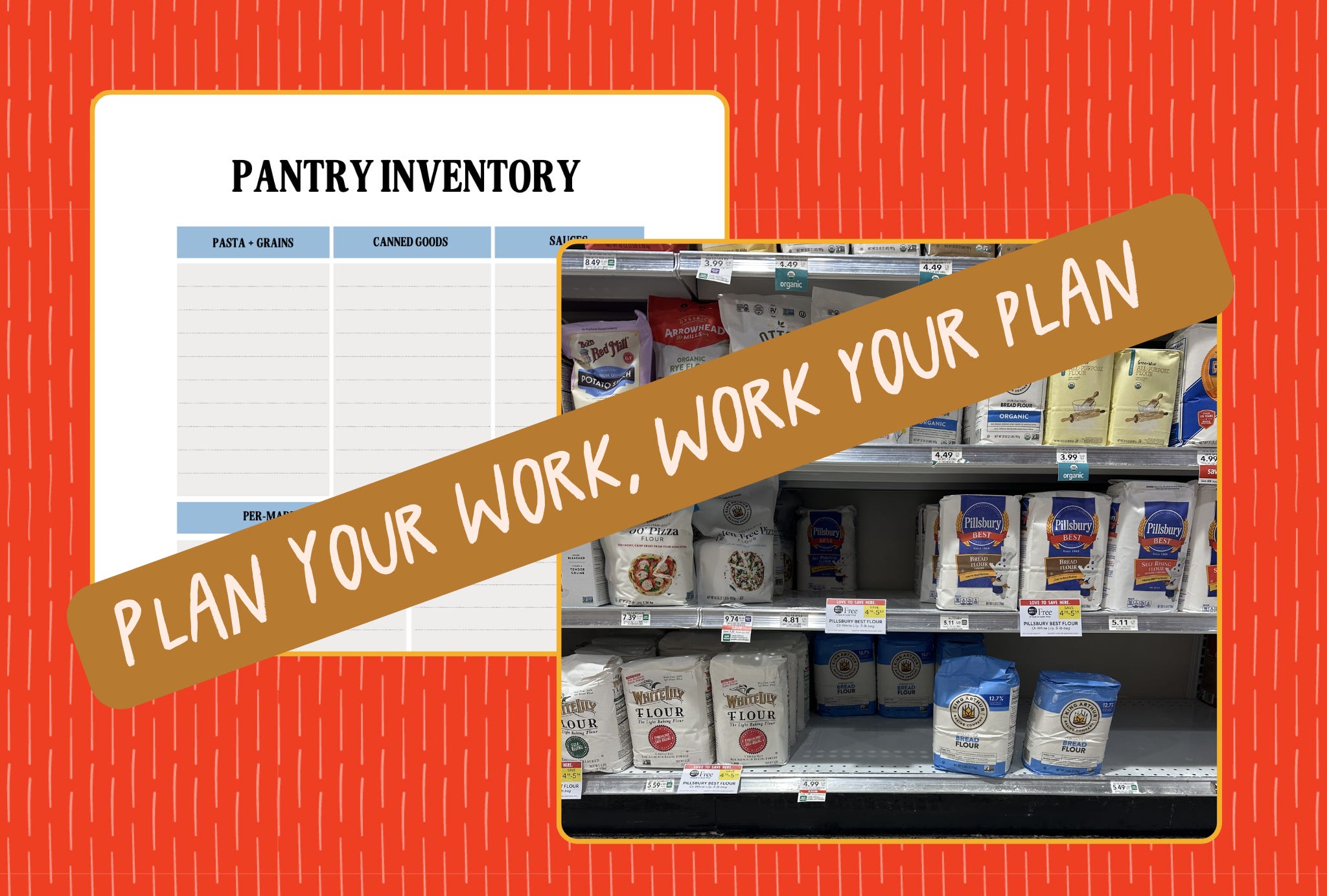
This is where having a food storage tracker can be super helpful because you have a list of the things you buy regularly and what you already have on hand. If you’re reading this it is highly likely that 1. you are food secure 2. you like grocery shopping and cooking 3. because of 1 and 2 you have at least two weeks worth of meals if you ate out of your pantry, fridge, and freezer. So there isn’t a huge need for you to rush out and buy a bunch of rice and beans or stockpile toilet paper.
Step: Make a list of what you already have on hand and meals you can make with those. Make a list of the ingredients you use regularly. Highlight the things that are most essential for everyday meals.
There are a lot of emergency preparedness checklists that DO encourage you to start by buying rice and beans for your pantry. But what we’re preparing for feels more like the early days of Covid lockdowns than a hurricane, meaning that a lot of life will likely continue as usual (work and school) but our weekly habits (grocery shopping, dining out) will look a lot different. Personally I don’t want to be cooking every single meal from scratch if that’s the case! So in addition to buying rice, pasta, and canned beans (things we do eat every week), and stocking up on flour and sugar (because I like baking), I’ll also make sure we have lots of coffee beans on hand (important!) and frozen vegetables and fruits (easy meal fillers) but not worrying about stockpiling dry milk or canned chicken (things we never eat anyway).
Step: If there are foods you highlighted above that will be most impacted by rising food costs, i.e. you have a toddler who loves fresh raspberries, make a plan to pivot these now! That way you can replace fresh with frozen or freeze dried, find a local source, or plant something.
Adding just $25 worth of storage staples to your cart each week for the 6 weeks will help you build about a 3-month reserve without going broke or contributing to a hoarding culture. Make your first week about dry goods like grains, legumes, flour, sugar, and a few spices. The next week, buy some frozen or canned vegetables and fruit along with extra cooking oil or butter. Keep an eye on proteins as they go on sale (or do a bulk shop) and freeze portions of your most used cuts of chicken, beef, or pork. Sausages are a highly underrated shortcut for flavor and variety too. The fourth week can be focused on what you decided was most important — coffee, shelf staple half and half, cake mix, a few microwave or “just add hot water” meals. Repeat the first two weeks and make sure you’re keeping an inventory and still cooking through things.
Step: A quick calculation for knowing how much food you’ll need to buy is 1.1 pounds of food per person per day. So for my family of 4 for a 3-month reserve I’d need 396 pounds of food with most of that concentrated on grains, legumes, and fats. This post is very dense, but helpful if you like calculating!
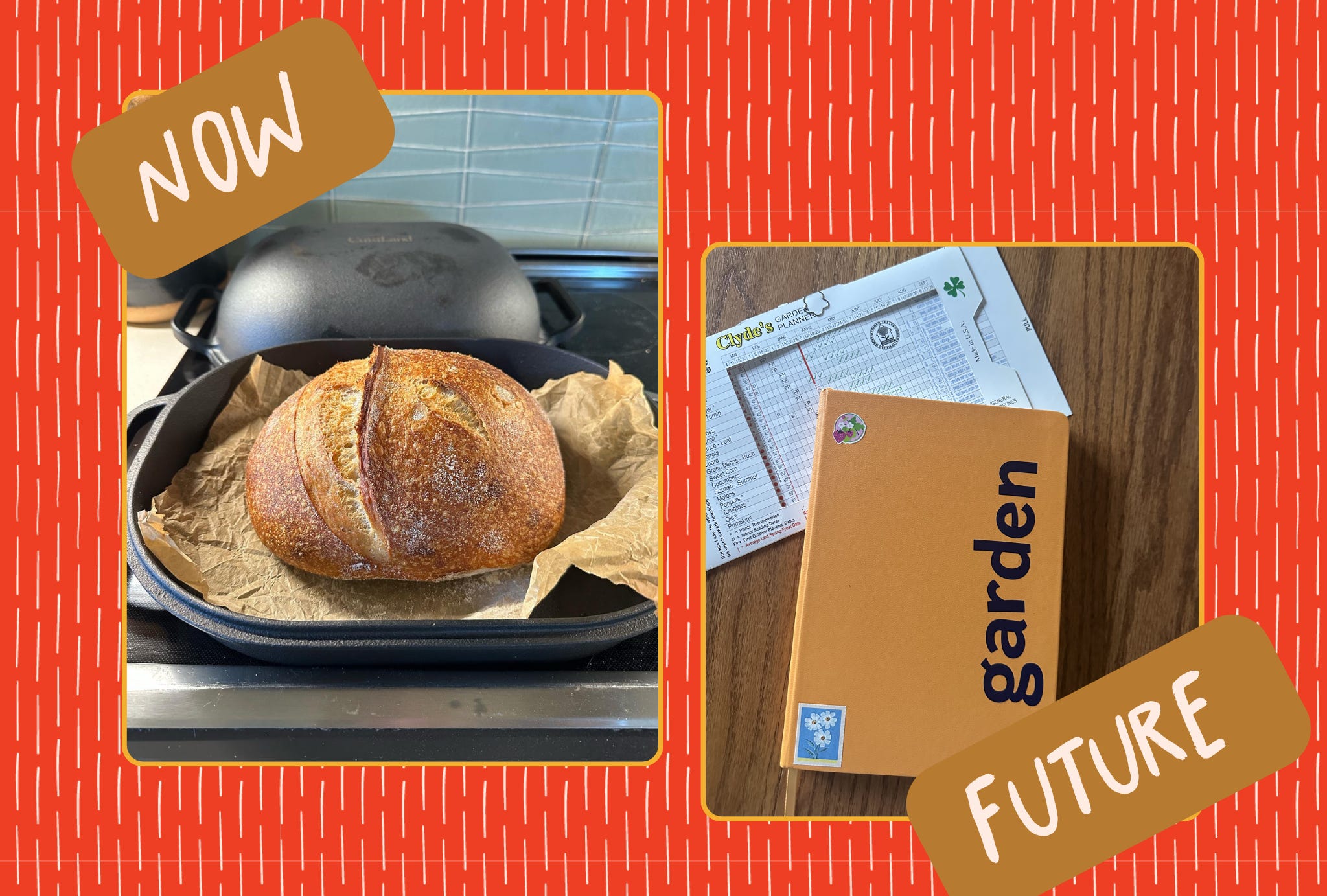
The time to learn how to bake bread from scratch or cook a really good pot of beans from dried isn’t in October when the price of flour is through the roof or when all that’s left in your pantry is beans! There is no margin for error when you need something. You’ll be frustrated if you waste your time and ingredients on failed recipes. Start experimenting now in small batches to find recipes you and your family love. And just in case, print out the recipes now and keep them accessible offline for the future.
When I mentioned the impact on commodity crops earlier, I was really talking about large scale farms that grow things like wheat, corn, and rice at scale. They are selling to big corporation and large grocery chains, so your end costs include all the transportation and middle men along the way. Your local farming community might be impacted by fertilizer shortages but because they are growing at a small scale they are much more likely to already be using alternatives or have already purchased growing supplies for the season. They simply have a shorter supply chain and may actually save you money in the short and long term. While you might pay a little more up front by buying a Community Supported Agriculture share this spring, you have the benefit of fixed pricing of that share now and in the fall. When the big chain grocery stores are raising prices, don’t forget your local markets from the refillery you swear you’re gonna visit (me) to the mercado you drive by every week!
We live in an area where we lose power at least once a year for several days at a time — mostly due to trees falling due to wind or ice and taking out power lines. Every single time, we’ve been buoyed by our neighbors or been a help to them. We’ve shared fire would, been offered extra eggs from backyard chickens, borrowed a generator, and loaned a generator. It is unrealistic to think that we’re going to get through any of this without the folks that live closest to us. Check in on your neighbors and include them in your emergency preparedness plans. Share resources when you can!
Tip: Consider pooling or sharing some of your reserve with neighbors or a friend group. Maybe one of you have lots of space for storing dry goods and you’ll share your spices and vinegar collection to keep those boring basics tasty.
I am going on all in on finally building a large garden on our property, which might end up being a stupid decision timing wise! But even if I only grow herbs or potatoes, I can use those things to add to my food storage, make stored food tastier, or be used to trade with friends who have wine or coffee when I run out. Container gardening is perfect if space is limited, but also great for requiring very little soil without the need for, well that damn fertilizer we keep talking about! Growing something will also get you outside once a day and help you feel grounded.
I’m a fan of both planning and tracking, so that makes using the restaurant ethos of FIFO (first in, first out) really easy for me. I also live and die by planning your work but working your plan, so please, I’m begging you, do not go out and spending $500 on “emergency food” without a plan. Think through how you’ll store what you’ve bought, how you’ll use it, and when you’ll replenish it now so you can be calm, cool, and very chill throughout the process.
New York Times reporter Ana Swanson on how global food supply will be impacted by fuel shortages.
Kim Severson’s report on When and Where Grocery Prices Will Rise on New York Times
I loved this story from Dispatches of a Feral Housewife on buying and preparing strawberries in bulk even off season!
Comments
Nothing yet. Say the first thing.
Sign in to join the conversation.