
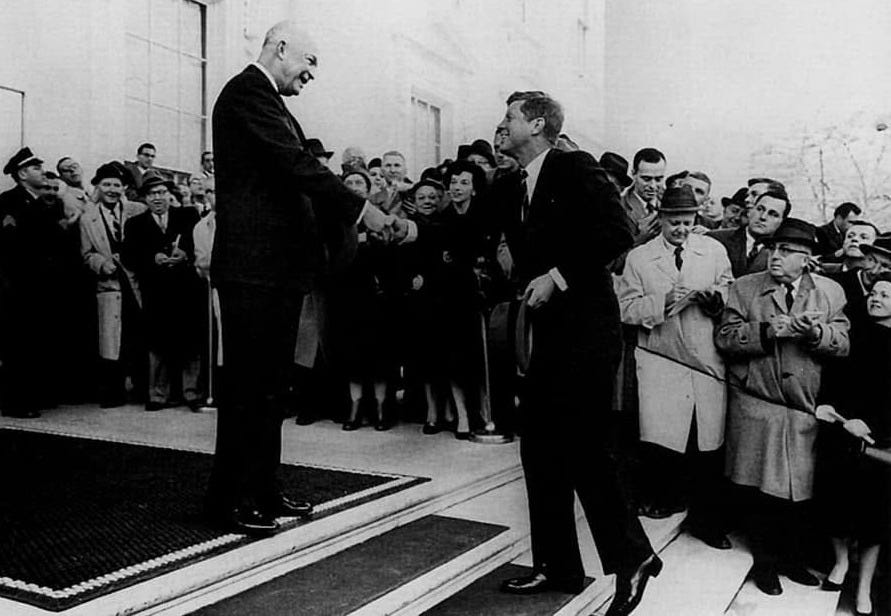
On the way to the Capitol for his presidential inauguration, 43-year-old President-elect John F. Kennedy asked outgoing President Dwight D. Eisenhower a question: How did we actually win D-Day?
“Because we had better meteorologists than the Germans,” Eisenhower, the former Supreme Allied Commander who led the D-Day invasion, told him, according to the New Hampshire Union Leader.
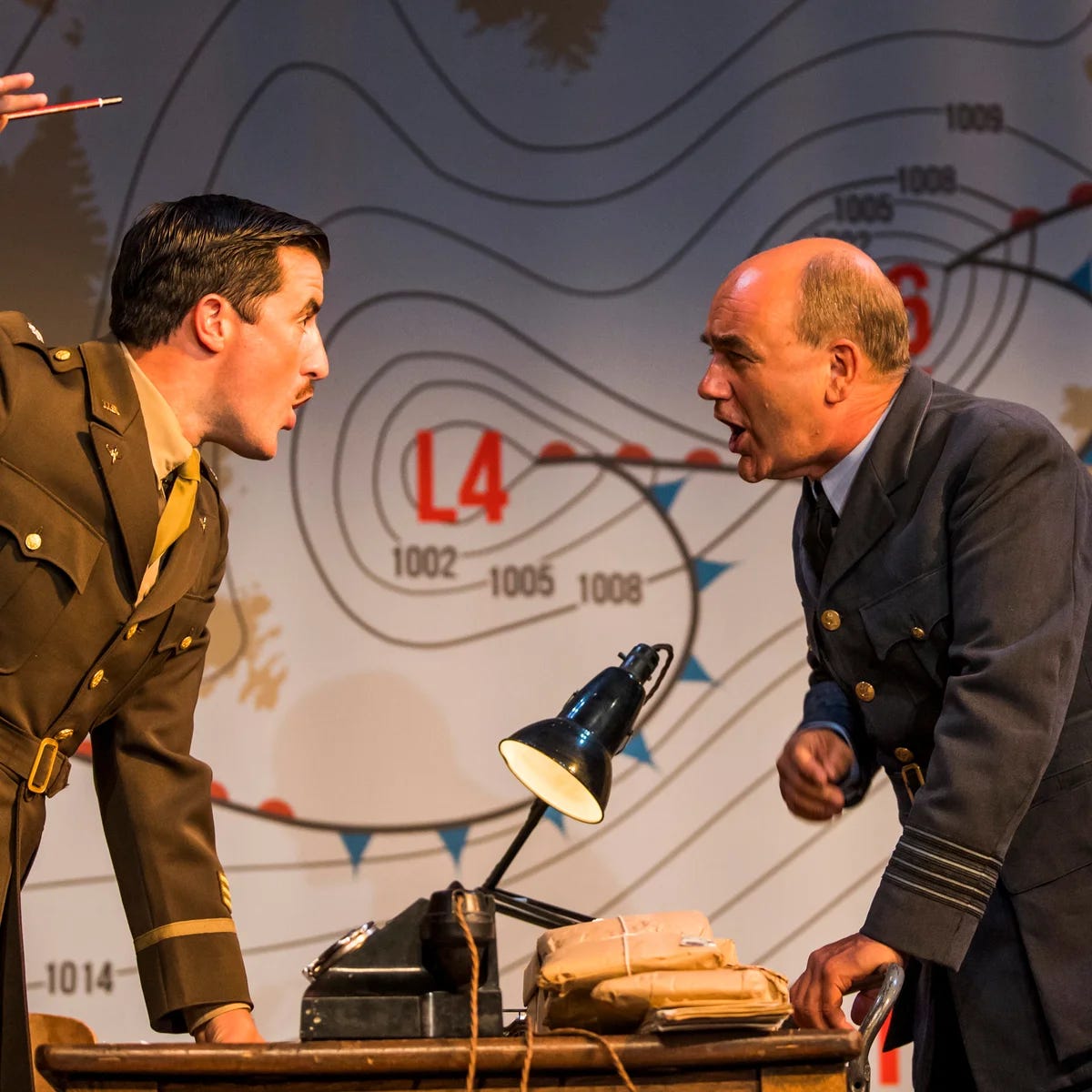
That footnote in history powers Pressure, the David Haig play now adapted into a film starring Andrew Scott and Brendan Fraser. It is my favorite World War II movie since Saving Private Ryan.
Pressure is not about weather. It is about something harder: trusting compatriots you dislike and disagree with.
In 1944, those people were meteorologists arguing over storm systems. Today they could be civilian teams building the artificial intelligence systems that will shape military and government decisions. Eisenhower understood that trusting someone does not require liking or agreeing with them. Sometimes trust simply means allowing a hard argument into the room and forcing your own assumptions to survive it.
The action unfolds during the final 72 hours before D-Day. Nearly 160,000 Allied troops were preparing to cross the English Channel and land in Normandy. Eisenhower was ready to launch on June 5, 1944.
The weather refused to cooperate.
Group Captain James Martin Stagg, the Scottish meteorologist charged with coordinating forecasts from British and American teams, had to turn their competing analyses into one recommendation for Eisenhower.
The film compresses that system into two clear options. American meteorologist Irving P. Krick trusted historical patterns and forecast manageable conditions. Stagg saw a storm that he believed would make a June 5 invasion dangerously difficult.
Neither adviser was a villain. Neither had certainty. Eisenhower needed both of them. Stagg had to tell the Supreme Allied Commander that the forecast he wanted was probably wrong. Eisenhower listened — even to the adviser he did not particularly like— and postponed the invasion.
In the hours that followed, the competing teams kept working. Stagg found an imperfect break on June 6. Conditions would still be rough, but they might be good enough. Eisenhower took the advice and gave the order. The rest is history.
Stagg’s courage was telling Eisenhower what he did not want to hear. Krick’s value was forcing Stagg’s assumptions to survive a real challenge. Eisenhower’s greatness was making room for both men, including the one who turned out to be wrong.
That is leadership.
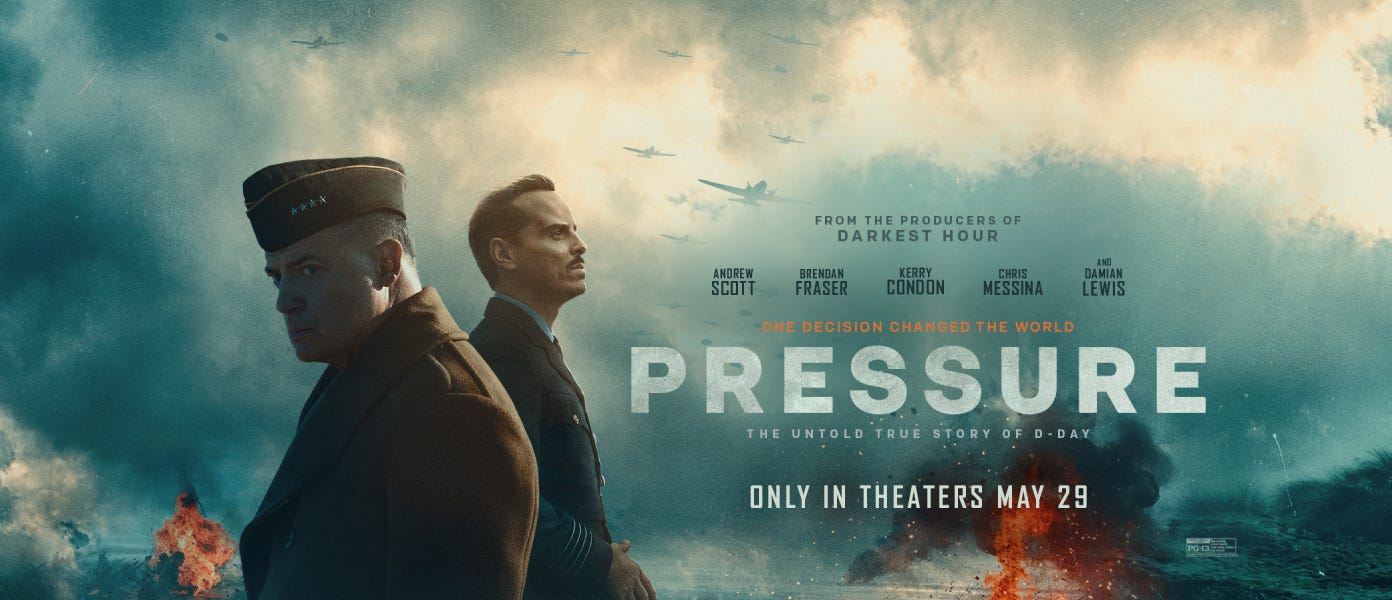
Pressure was commissioned by the Royal Lyceum Theatre in Edinburgh, which asked Haig to write about an overlooked Scottish hero. For a playwright, it is a dream assignment: take a footnote in history and turn it into human drama. The play premiered there in 2014 and reached London’s West End four years later.
Today the same argument would center on artificial intelligence. The real question is not simply which AI system is smarter. It is who chose the system. Selecting an AI contractor is not merely buying software. It is deciding whose assumptions and version of reality will be allowed into the decision-maker’s room. A government and a corporation can procure an algorithm. It cannot procure judgment.
Like Ike, Matt Damon’s Odysseus, the warrior at the center of Christopher Nolan’s The Odyssey, faces the same problem. He receives warnings from gods, counsel from allies and resistance from his crew. He must decide which voices to trust and when the plan must change. Eisenhower faced Churchill, Stagg, Krick and a command structure full of strong personalities and competing forecasts. Stagg faced experts who sincerely believed he was both an a-hole and wrong.
Whether the technology is a Trojan horse, a weather balloon or artificial intelligence, the technology changes. The pressure does not.
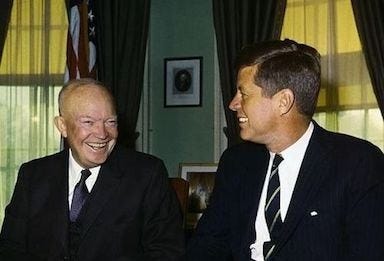
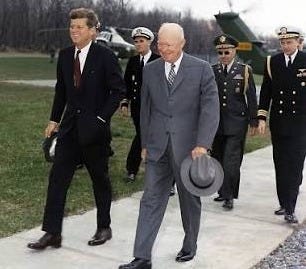
Years later while riding to his inauguration, Kennedy turned to Eisenhower for the same reason. They came from opposing parties, different generations and different visions of America. Kennedy had just defeated Eisenhower vice president Richard Nixon. Still, Kennedy sought Eisenhower’s advice.
America has always been a country of competing forecasts. The system endures when leaders are willing to listen across rivalry and ego. Kennedy asked Eisenhower how America won D-Day. Eisenhower said we had better meteorologists.
What Eisenhower might also have told the young president-elect was this: We trusted the ones with whom we disliked and disagreed.

Comments
Nothing yet. Say the first thing.
Sign in to join the conversation.