
This isn’t going to be a rant about adaptations—we all know about those. I’m talking storytelling, and how to not let one medium influence another (too much.) So that’s the basic premise of the post, now let’s get on with it.
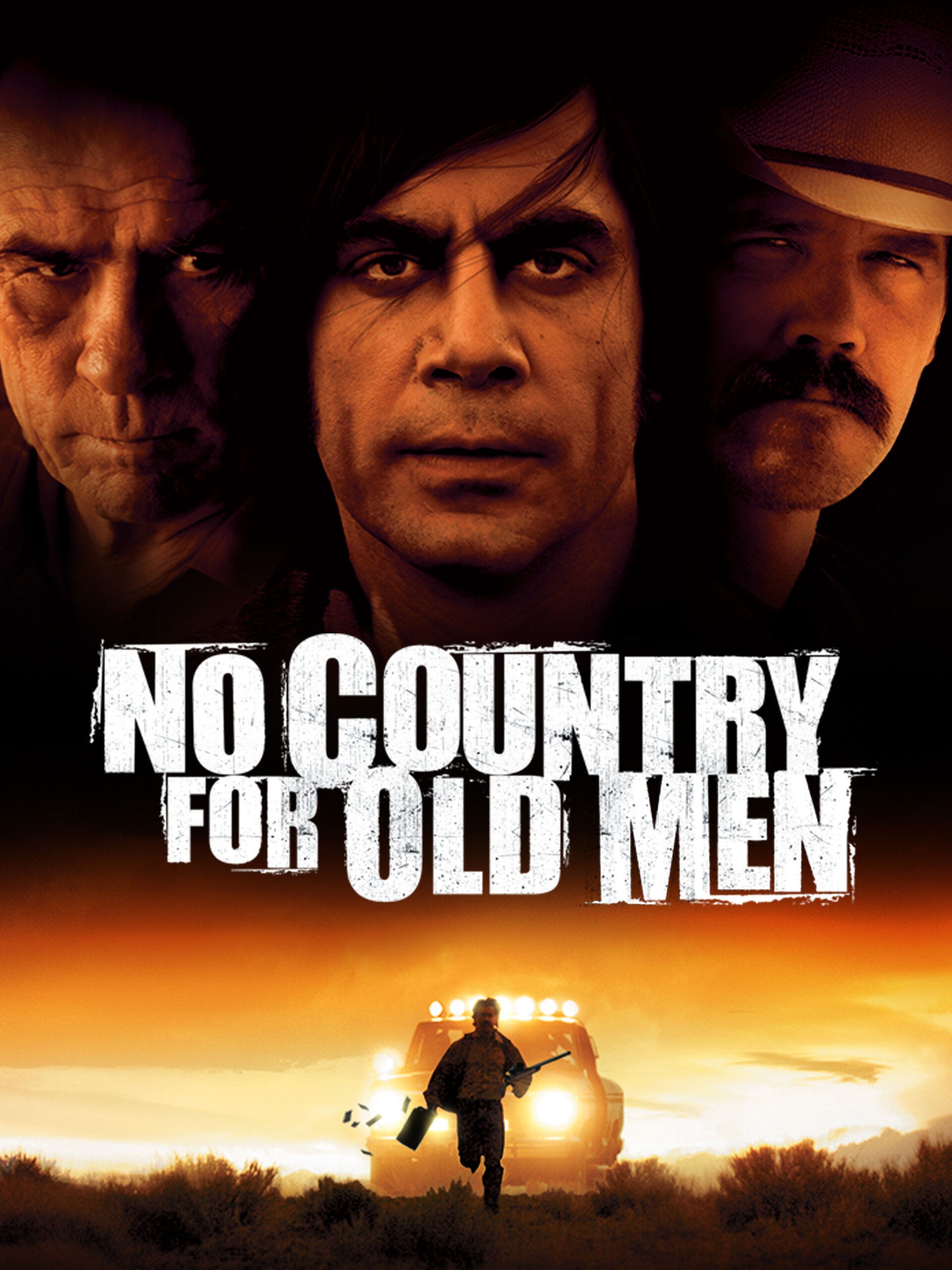
It isn’t necessarily wrong to be influenced by movies as we write novels—but a book is not a movie, and a movie is not a book.
This is a good thing. They’re both methods of storytelling, just as music or a painting can tell a story, but a song is different from a painting, too.
Art hits our senses and fires up our emotions, and that’s what makes it vital, a very human desire to express ourselves, there are ways to communicate that transcends language, even as an art piece might participate in wordcraft. (Yes, a novel is art, a movie is art, etc.) Creation comes from within us, and I’m not going to get into a (big) anti-AI rant here, because I do so all the time, but it cannot be given to a machine.1 A machine has never felt loss, had their first kiss, pet a cat, wondered at a birdsong, hugged their mom, hated a bully, felt dread at the sound of a phone ringing, jumped at the sound of thunder that struck too close or smelled the ozone before a snowstorm. Art makes us human, and it’s a travesty to see it outsourced.
But I digress. We’re here to talk movies vs. books. I heard it once said (and I don’t remember where) “bad books make good movies.” Why is this? If they’re both storytelling mediums, why does a “bad” book adapt to film better than a “good” book? Is a “good” movie simply a matter of a good director, the actors, the soundtrack, or the set design? A fundamental piece of a good or bad movie is the screenplay. And yet, if you try writing a novel using beats from Save the Cat, which people often do (I haven’t read the Save the Cat Writes a Novel version, and most people I’ve spoken to haven’t either, but feel free to chime in on that version in the comments if you have) it makes for a boring book. Maybe not “bad,” but not great. An obvious difference between a screenplay2 and a novel is the medium itself—a manuscript of a novel remains a novel, a screenplay is meant for a visual medium, a movie, and not generally read by the masses.3 That means there are things you can (and should) include in a novel that you can’t get away with in a screenplay. Interiority, digressions, long passages of “nothing.” You know, great literature shit.
One, a screenplay is very light in descriptions. You, the writer, don’t want to tell the director what should or should not be in the shot, you need to write it in a way that guides them to come up with what it is. Emphasize the Chekhov’s Gun on the table, but remember the adage “show don’t tell”—yep, it’s from movies, NOT BOOKS, so please stop saying “show don’t tell” in regards to novels. There are strict standards to crafting a screenplay like one page equaling roughly one minute of film—an experienced producer can tell if your script is too long or too short based on the weight of it—and technical restrictions like formatting dialogue vs action to adhere to these standards, and so that the script can be read and understood by everyone on the crew at pretty much a glance.4
I do believe there are many many things to learn from studying film. Dialogue is an obvious one. I believe as authors we should engage with all sorts of varieties of storytelling, in the written word: epic poetry, rap lyrics, screenplays, portapotty graffiti. If you can’t extrapolate lessons from different art forms, I’m very sorry for you. Work on it. Your craft will improve. Or just keep reading this rant. Get learn’t. (PS: this is why we study Shakespeare, a playwright, in English class.)
One of my favourite screenplays is Taxi Driver, by Paul Schrader. Give it a read. You love Tarantino-style dialogue? Go to the source. (But, after reading his novelization of Once Upon A Time In Hollywood, Tarantino is a much better screenwriter than a novelist. Huh! Whodathunk skills don’t always transfer? Almost like movies and novels are two different crafts! What am I talking about again? Oh yeah! Movies and books being two different crafts! I should get back to it.)
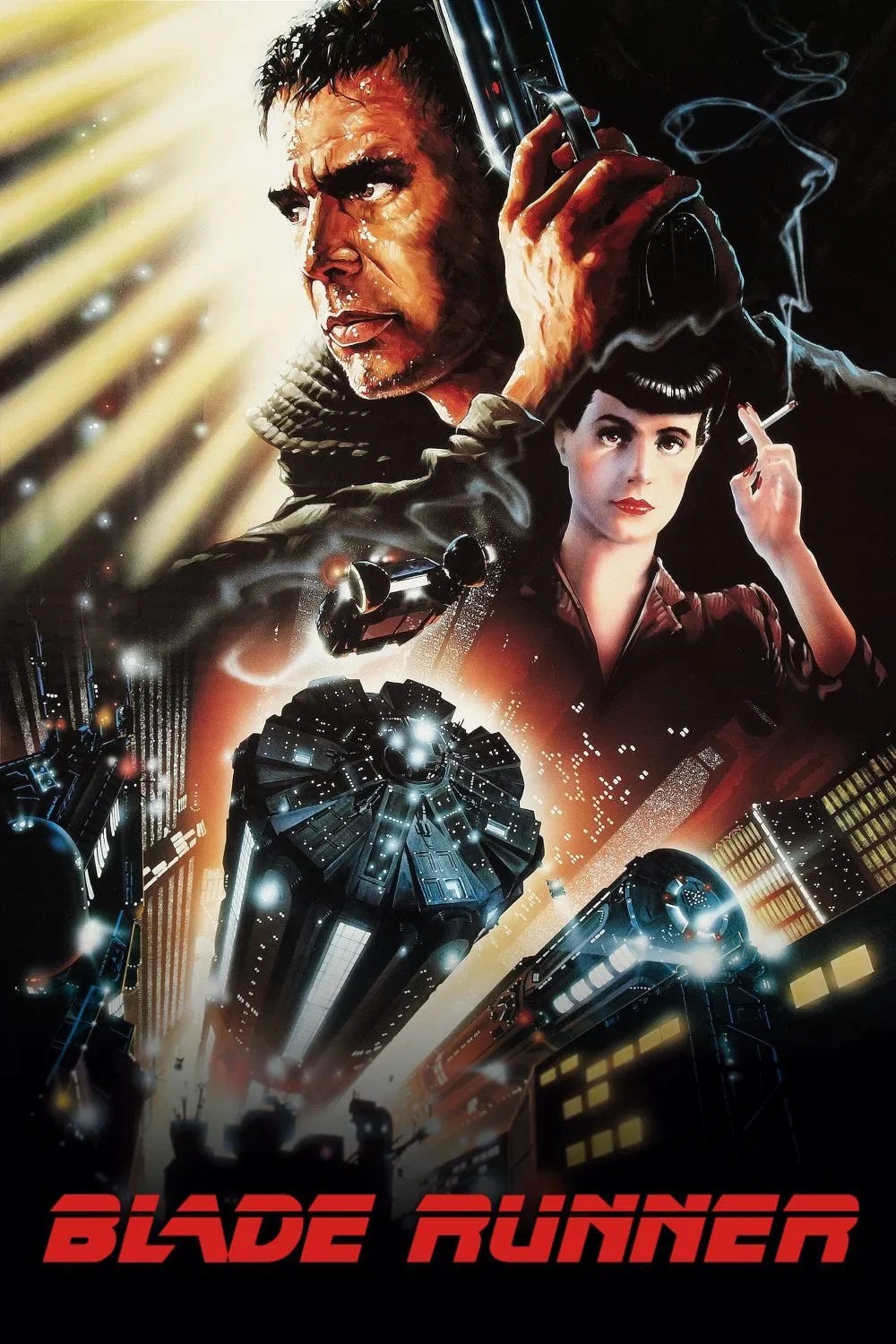
In this day and age—and the majority of the 20th century—it’s impossible to not be influenced by film as we construct our fiction. But there is so much a novel can do that a movie can’t. A big one of those things is interiority, like I said before. Another thing to consider is that a book lasts many many hours, a film is considered long at 3. Check out the length of an audiobook, 3 hours is not a lot in that context. So you want to adapt, I dunno, Blood Meridian? Will never happen. There’s a reason it’s UNFILMABLE. So you want to adapt The Hobbit? Don’t stretch it into three films. You want to adapt Cool Hand Luke? You’re going to have to make changes for the “audience tastes” of 1967. I bet you didn’t even know that was an adaptation. And the novel goes into a lot more detail about why he is the way he is, not even touched on in the movie. Perhaps there was some antiwar sentiment the studios didn’t dare touch. It’s also told by a side character, which is neat—a book doesn’t have a camera, so we have to get into the head of somebody, and a big piece of the novel crafting process is choosing which somebody. A camera follows—a character experiences.
Speaking of books not having cameras: this is what makes it obvious you aren’t a book-reader when you decide you can just go ahead and write a novel. “I’ve seen enough movies,” or “I think I’ll just copy the plot of a JRPG.” Nope, we can tell a mile away. Why? LANGUAGE. If you aren’t fluent in Lit, you’ll get reviews like “this reads like anime fanfic” or “too many Marvel quips.”5 Cameras don’t speak the language of a novel, so if you describe what’s happening in your book as if it’s through a camera lens, instead of from a person’s head, it’s very obvious. Bigtime amateur hour.
For example, white room syndrome. This is when you have characters talking, but you forget we, the readers, can't see what's around them. We need to be able to imagine. You have all the wordcount you want to detail a scene, you don’t have to worry about a set, or a budget, or actors to guide.
Also, as a side tangent: That schwish sound you hear when a sword is taken out of a scabbard? Invented for movies (unless it’s a metal scabbard, but even then.) Because sound cues are a thing. Please don’t describe the sound of a sword exiting a sheath like that. Ask your local history enthusiast sword guy what it should sound like. Blood dropping from mouths? Sure, some injuries might cause that. But more often than not it was just a way to skirt the censors, to show a character was dead no matter how they died. Do not get descriptions of injuries from movies. Do you know how many medical texts are out there for free?6 Do you know someone who got shot in the leg? Most people die from those. In movies, they might just limp away. Does your character jump through a window and not only were they successful in one try and don’t comically thunk against the pane of glass, they’re totally fine and didn’t slice open any major arteries? Cool, cool. So anyway, that’s that tangent over.7
But like I said: you CAN learn from movies. Let's talk about YouTube for a second. For those who know about “authortube” you know that 95% of it is grifters regurgitating the same crappy advice as all the other grifters. The real gems that actually teach storytelling are the film analysis guys. I suggest Every Frame a Painting, Cinema Tyler, Nerdwriter, Like Stories of Old, and there are many others. Another awesome thing for us autodidacts are the uploads of full lectures out there, like this one from Film Courage.8 Yeah, maybe not all of it is applicable to novel writing. Maybe none. But I don’t think any time spent learning about something is time wasted. Go down all the rabbit holes. Put one in your next novel, even.
Another thing I like to do, and some may disagree, but reading screenplays is a good way to learn how to be concise while still getting your point across. Not in a “run on sentence” way, or whatever—you all know I love various sentence lengths—but in a “is this scene necessary?” kind of way, as I edit. Short stories and poetry are good for this too (and also why short stories tend to make for better adaptations than whole novels. Poetry is great to hone your prose on the line level.) But as I edit, and I’m torn on a scene, I ask myself: would this scene get cut in the inevitable adaptation? (lol.) If yes, why? If my answer is acceptable, I keep it, if not, it’s gone.
Inspiration can cone from anywhere. Real life should be first in line, but of course in real life we experience stories, it is a kind of byproduct of living life and interacting with people. Everything from listening to the old timer who is always at that greasy spoon on the corner to eavesdropping on people in line at the grocery store to, well, your favourite films.
As I research, worldbuild, brainstorm, whatever you want to call it, I think of both books to read and movies to watch. For example, with Pallas I watched a bunch of 60s/70s scifi movies and folk horror and often will describe the book as “The Wicker Man in space.” (1973, not the Nick Cage version, lmao.) Even agents nowadays are more open to movie comps in a query letter, so long as you also list relevant books. For The Highwayman Kennedy Thornwick I often say “Goodfellas meets Barry Lyndon with magic.” I also watched The Great Escape and Papillon to get a vibe in my head. With The Ghosts of Tieros Kol I watched the Flash Gordon serial from the 30s with Buster Crabbe, and of course Heavy Metal. These are just examples, and my influences were way more than just movies, but no question my love of film and the art of storytelling in general affects my ideas. If you consider that a con, I guess you’re too high brow for me, what are you doing here?
My point is, after all that: movies are movies, books are books. And, back to the adaptation thing: there have been some great adaptations and bad ones. Usually they’re “bad” because so much from a novel has to be cut or changed to fit the constraints of filmmaking. But, there’s no denying that movies are such a huge cultural force BECAUSE they’re handy vessels for stories. Everything in life is a story: that’s why we, as authors, do what we do.
Just don’t write your fight scenes like an episode of Dragon Ball Z. I mean, you can if you want, I won’t stop you, but I won’t read it, either.
Major postscript: speaking of YouTube, for those not in the know, I've started putting my chats with Ian Barr up so go ahead and subscribe if you prefer listening there.
Minor post-postscript: Books can influence songs, and do all the time. It’s all storytelling! Shit, how many songs have been influenced by LOTR alone? There might even be one out there that includes Tom Bombadill, the silly guy that got cut from the movies!
OK, I’m done.
Peace!
My books:
The Highwayman Kennedy Thornwick [Amazon] [Kobo]
The Ghosts of Tieros Kol [Amazon] [Kobo]
Seriously though, even if you aren’t Catholic, read Pope Leo’s encyclical Magnifica Humanitas
I’m going to be using “script” and “screenplay” interchangeably, for my purposes here it’s “fine” because I said so, but there is a difference, see footnote 3.
Most the screenplays you can find online are the shooting scripts, too, it’s hard to find the actual screenplay versions. This means they include things like shot directions, which you wouldn’t include unless you plan on directing your own script. Doesn’t really matter for this discussion, but I thought I’d mention it. See footnote 2: Because I said so.
If you want to sell one, anyway.
I will fight you if you do this btw
Researching for a novel is a big chunk of the fun of writing a novel, IMHO, but I’m a dork I GUESS. Also, confuse everyone who might look through your search history! It’s great! Get put on a list because your character needs to build an IED, or hide a body! Whatever!
Realism is not mandatory in fiction, DUH, I’m just saying there are way too many movie tropes put in books, is all.
I’m not a Brandon Sanderson fan, but I do appreciate that he posts his lectures for free—for an absolute beginner, they aren’t bad. There’s also a few clips of Vonnegut when he was a teacher. There’s so much out there guys, there’s no excuse not to constantly be learning to improve your craft.
Comments
Nothing yet. Say the first thing.
Sign in to join the conversation.