
Hello, and welcome to Mechanical Pulp, where I, Lisa Kuznak, will sometimes rant write about writing (gross,) and things related to storytelling in general.
Today is a “worldbuilding is useless if no one cares about the people in it” post. Tolkien knew this, but I don’t feel like talking about Tolkien, I see it too often, done like dinner, stick a fork in it, etc, and you already know he did the conlang and map stuff way before writing LoTR, yes, master worldbuilder, but no one would care about Elvish languages without the Elves who spoke them, etc etc, so I don’t want to bore you.1
No, today I’m going to talk about the moderately successful2 1997 film Titanic.
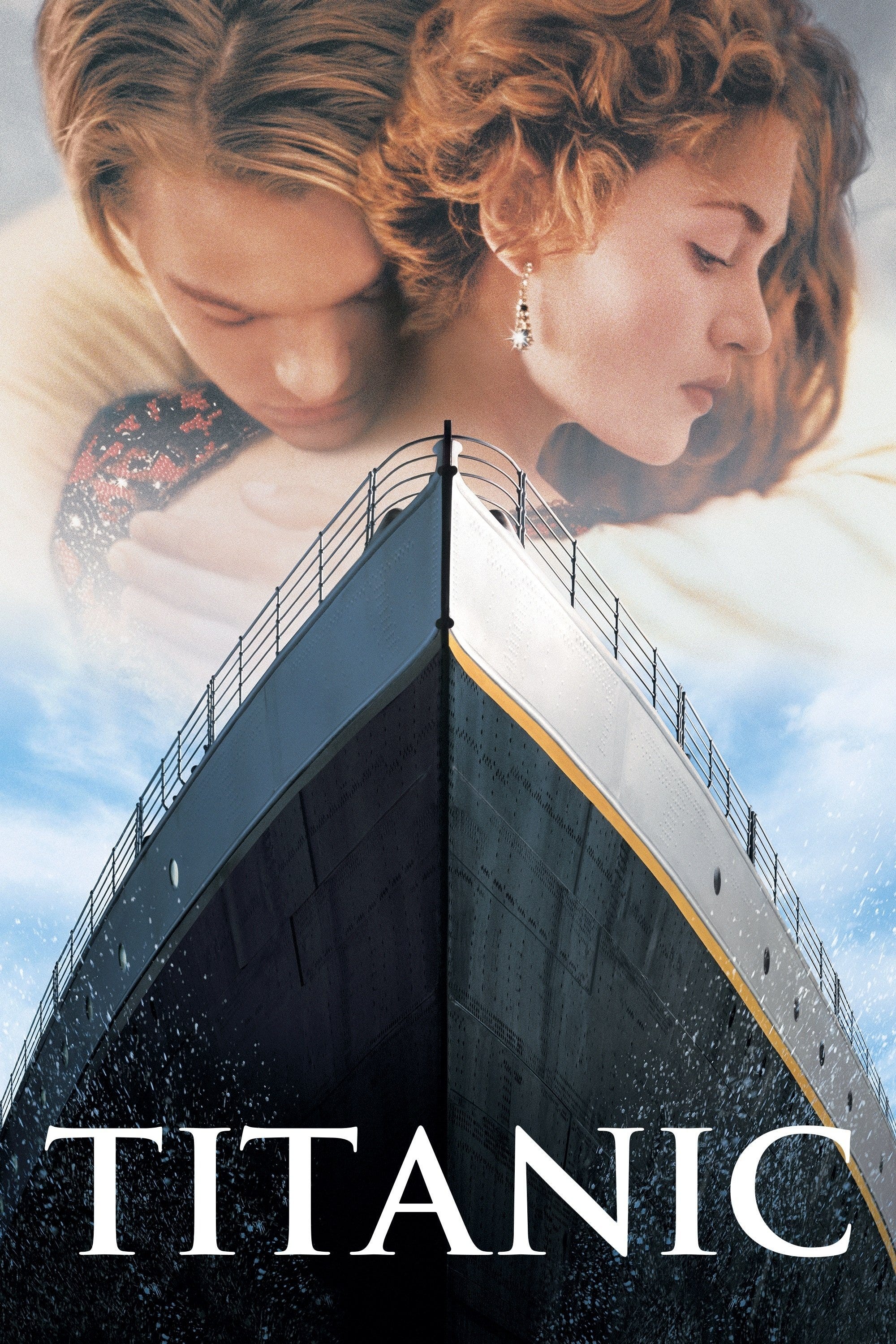
“But Lisa that's a historical film, not scifi or fantasy.” If this is you, you don’t understand worldbuilding. Yes, all works of fiction require a world to be built. But Titanic wasn’t just a movie about a big boat. James Cameron knew that in order to completely dork out and get butts in seats at the same time, he had to make the audience care about the people on the boat. If the movie started when it hits the iceberg3 or was basically a series of boat facts (as if people want to go to a movie theatre for a documentary4) I wouldn’t have had friends claiming to see the movie in theaters 7 times and planning to go again. In grade 5. Every 3rd school project—speech, essay, magazine pictures cut and pasted onto bristol board—by boys in my class and girls, wouldn’t have been somehow related to the Titanic disaster. I, and many other children, wouldn’t have built a Titanic model kit, possibly the only time many of those kids ever touched a model kit.5
If you were alive in the late 90s, and old enough to remember, you know what a cultural moment this movie was. I remember watching it with my grandma in her living room with a bunch of family around the TV, all ages, men and women, boys and girls. Every time you popped it in the VCR it was an event.
All my films are love stories, but in Titanic I finally got the balance right. It's not a disaster film. It's a love story with a fastidious overlay of real history.
—James Cameron
The sheer volume of documentaries on TV, stories in magazines, because people wanted to learn more about the LORE (as my kids would say.) People were OBSESSED with nautical history all of a sudden! Like dinosaurs when Jurassic Park came out! Or… “What's your clan?” when Braveheart came out. (Everyone who is Canadian going back more than 2 generations is part Scottish. That’s just the rule.)6
So anyway, Titanic took up 2 VHS tapes. A good chunk of those 2 VHS tapes, there’s no iceberg. Just people walking around, talking, doing things like establishing your connection to them so that by the time the boat does hit the berg you are dreading what happens next because even the minor characters and extras mean something to you and it is visceral.7
You are made to care about what happens to the people, whether or not you were familiar with the history, because as people we connect with others, and that’s what keeps us invested.
For those unfamiliar with my writing, I am a “character first” writer. Sometimes I have a scene in my head first, but I immediately think “ok, who is this in the scene?” So is this post biased? Yes. Everyone has a different process, and I understand that. But if you are the “worldbuilding first” type (and, you are careful not to fall into the worldbuilding trap—you get so caught in making the world, you don’t actually start writing a story) it is still Very Important to make sure the characters will matter to the reader. Otherwise, your efforts will not be read. Unless you’re a known name, and the big fans demand MORE LORE! MORE LORE!! But, if they aren't familiar with you or your universe, what’s going to get them to care? Hmm…
Speaking of icebergs, only a fraction of what you have in your head, or sketched out in a notebook, should make it into the novel. There’s a whole ton of stuff that you, the author, need to know8, but the reader might not need the information, or it might step all over the story flow to include it. Some readers are ok with infodumps, but in my opinion, as someone who typically writes very close 3rd person, what would the characters notice? You ever read one of those scenes where the characters talk about stuff they should obviously know, and it’s really awkward? Or, in movies, a newscaster in the background9 is basically spelling everything out so the audience is speedily informed? This is lazy exposition. No one likes lazy exposition. It feels like being spoonfed. I do not enjoy it, and so I try not to spoonfeed in my writing. (But if you’re in the midst of one of my novels and have a question for me, hey, dm me.)
Portal fantasy, or a story about a stranger visiting a strange place, can give opportunities for characters to inform the newcomers, for some expository dialogue. Done carefully. But if the characters are born and bred on Mars they would treat the Martian neighbourhood the same way you treat your hometown.
So, back to characters. How do they interact with the world? This is dependent on their personality. How does one construct a fictional personality? You can look up “character arc worksheet” and fill it in, theres plenty of those things online, or messily brainstorm. Just like with worldbuilding, you may want to have a ton of notes about the character’s past, how it affects their present, their likes, dislikes, wants, needs, strengths, flaws, the name of their childhood pet, what happened to them when they were 5, whatever, but not all that info needs to make it into the narrative in obvious ways. We all like to groan at “show don’t tell” but really… show us. Through dialogue, through interiority, through their responses to events, how they interact with other characters.
You want them to feel real. So think of real people that you’ve known, or that you’ve read about. History is a great font of inspiration—even if you’re writing something in the far future, unless the characters aren’t human, people are still basically the same as they have been for thousands of years. We still connect with Shakespeare, because his characters have endured.
In my opinion, characters should affect plot, not the other way around. Unless they’re reacting to events outside of their control. That’s another way to make them feel real.
The realer they feel, the more the reader cares about them.
That will keep them reading to the end, and they’ll dm you if you make them cry.10
One big way to make characters feel real, is to have them interact with other characters. And every character has their own motivations and personalities. Does Character A like Character B? Are they friends, do they find each other annoying? Think about all this stuff as you write and the plot and world will evolve from the characters. Some of us don’t even thoroughly worldbuild until the second draft—with this method you’ve sorted out everything else and can fine tune the world to better build off what you’ve got. This is also a good way to avoid the trap.
Another really good example of character work is Rocky. I mean, how much of the movie is “just following Rocky around” and yet it also had a massive cultural impact. (Notice, in many many examples I could give, there’s a romantic element to the story? Hmmmmm I wonder why this works??)
Ok, that’s about all I’ve got for today. My point is, your characters don’t just exist to brag about all your worldbuilding or plotting work. They’re the entire reason for all the rest to exist, and the biggest reason readers will stick with a book, or a movie. Or drop it, if they don’t like the characters (see my Thomas Covenant review—excellent series, but lots of folks DNF because they do not like Mr. Covenant. But, this also proves that we have emotional connections to good character work, even if the character isn’t a “hero.”) But that's a risk any author takes when they put their work out there, but this post isn’t about “likable” it’s about how important character work is. Make them feel real, and make your readers care what happens to them. This really is the #1 thing.
My books!
The Highwayman Kennedy Thornwick [Amazon] [Kobo]
The Ghosts of Tieros Kol [Amazon] [Kobo]
Pull Me Under — a novel serialized on Substack
Peace!
So anyway that's the gist of this whole post lmao
Lol. Box office numbers were record breaking.
Yes I know people do but Cameron wasn't aiming for the niche boat fact audience—they got to write all the slop articles in the magazines pointing out the mistakes like how that space nerd guy pointed out the stars were wrong or whatever 🙄 DESPITE the fact Cameron ACTUALLY WENT INTO THE OCEAN TO VIEW THE TITANIC. Real footage was used in the film, hello! Slop article writers BTFO'd. PS if you’ve ever watched The Abyss, yeah, dude is a total ocean nerd
People kept giving me hotrod kits for some reason, so one summer there were many cars built, but the Titanic kit was my first. Just one of those snap together ones. Totally forgot about that summer of kit building til just now!
Not true, obviously, but yes a lot of Scottish genes up here especially in the areas I’ve lived. Right now, I’m on that east/west cusp where everyone is Scottish, Ukrainian and some secret 3rd thing. My fellow Canadians know what I’m talking about.
Since having kids, the scene where people are stuck in 3rd class, and the mother is telling bedtime stories to her children……….. I’m ready to bawl just thinking about it. Like, hits me way harder than Jack and Rose. Or the scene with the priest praying with passengers, holding on as the ship sinks. The musicians. So many, many “small” parts that hit really hard.
See, I’m not saying worldbuilding is bad. It’s necessary. The more you know about the world, the more real it will feel to the reader, even if you don’t include the nitty gritty.
Sometimes this works, for example, in Total Recall (the original) but often it feels lazy.
And if you have an emotional reaction to the scene you wrote, I would bet it will come through in your writing. Not just crying, but laughing, fright, etc. It will!
Comments
Nothing yet. Say the first thing.
Sign in to join the conversation.