
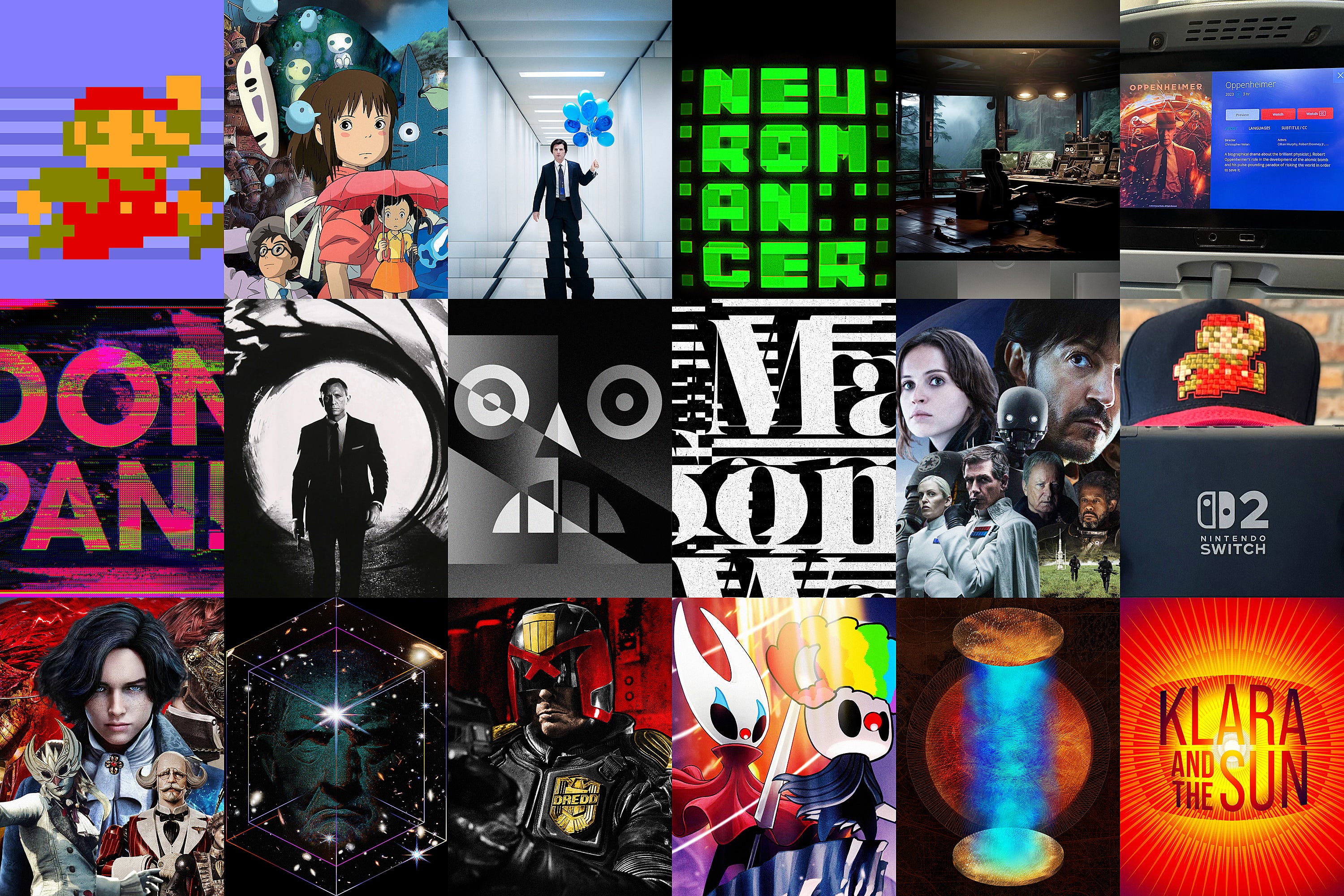
It’s that time of year again. The holidays are over and we have entered “the long dark teatime of the soul” that marks the slow passing of time between 2025 and 2026; a week of self-judgement and intent about the changes we can make and resolutions we can break as we look forward to the year ahead.
Looking back, our year of distraction panned out rather well. Last year, around this time, we wrote that we would pay only a modicum of attention to AI in 2025, wanting instead to focus more on human-centered creativity. And we did just that: We only published one essay with the letters “AI” in the headline—just a couple of weeks ago, in fact—and even that was simply as a point of reference.
Indeed, like taking a long, luxurious soak in a warm bath, we did our best to spend 2025 wallowing in less generative endeavors. I wrote about how it took me over thirty years to appreciate the creative genius of Hayao Miyazaki (I cannot recommend enough the documentary on NHK that spans ten years of Miyazaki’s life at Studio Ghibli) and my latent discovery of William Gibson’s prophetic Neuromancer (more on that in a minute). I also wrote about the creative genius of Severance and Andor and had a bit of a rant about the pointless zombies in Lies of P. Meanwhile, Ross explored the collective madness of Reddit waiting for Silksong and finally published the essay we’d all been waiting for: his own maddening quest to watch Oppenheimer as many times as possible exactly as Christopher Nolan intended… on a plane. Fortunately for us, Ross will be able to carry this noble purpose forward into 2026 when Nolan releases the most perfect long-haul movie ever made: The Odyssey. IMAX be damned.
Personally speaking, 2025 was my most analog year in decades. I’ve been shooting film on my old mechanical Leica M6 (though, admittedly, I’ve yet to process those rolls; it’s the waiting that counts), sketching in pencil, and filling pages with longhand written with a matte-black, hand-sanded (by me) Montegrappa fountain pen. I have been writing such copious notes because I spent much of 2025 submerged in beautifully illustrated and bound hardback books, in pursuit of my mission to read as much classic science fiction as possible.
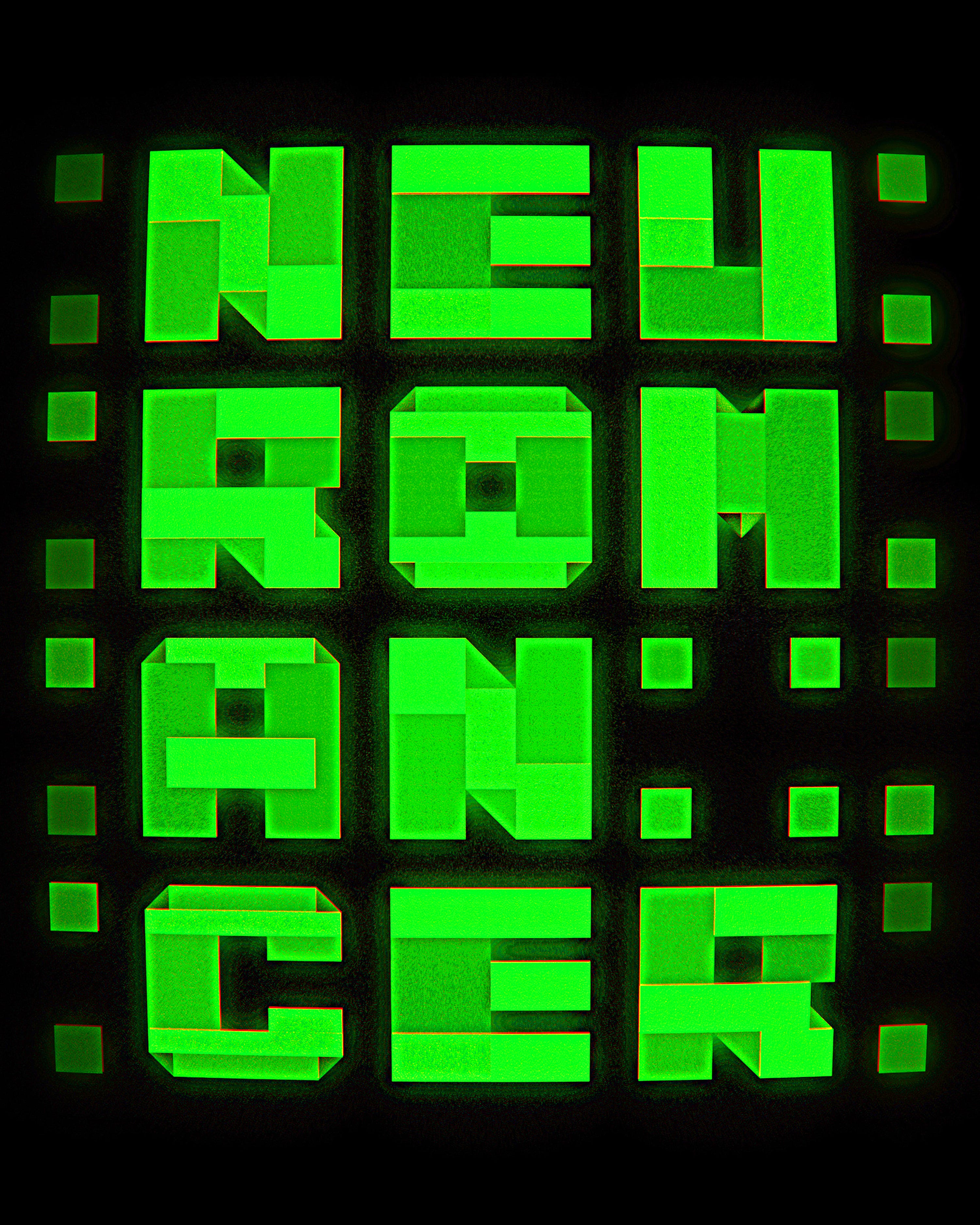
Starting in January, I began working through my sci-fi book bucket list with William Gibson’s Neuromancer. It was a long-overdue start, as I’ve been intending to read this seminal book since my days at The Verge. With the news that Apple TV is adapting Gibson’s novel, 2025 proved the perfect year to finally take the plunge. I loved the book, even if the jargon-heavy prose felt like a difficult, and occasionally hilariously convoluted, exercise in endurance.
The resulting essay struck a chord. It has become the most successful post in MBH4H’s history—admittedly helped by a stint on the front page of Hacker News and a surprising boost from Google SEO (which reminds me: thank you again to everyone who found us this way and has stuck around).
After Neuromancer, I revisited a book I first read over 45 years ago: The Hitchhiker’s Guide to the Galaxy (I was surprised by how much of the book I still know by heart) before tackling Isaac Asimov’s Foundation for the very first time. I quickly realized that the Apple TV series bears little more than a passing resemblance to the novel, which I found somewhat turgid, especially after the comedic deftness of Douglas Adams. Yet, while Asimov’s prose hasn’t aged well, his ideas about the deification of technology read as remarkably apt in 2025 as we increasingly rely upon the benediction of our Silicon Valley overlords.
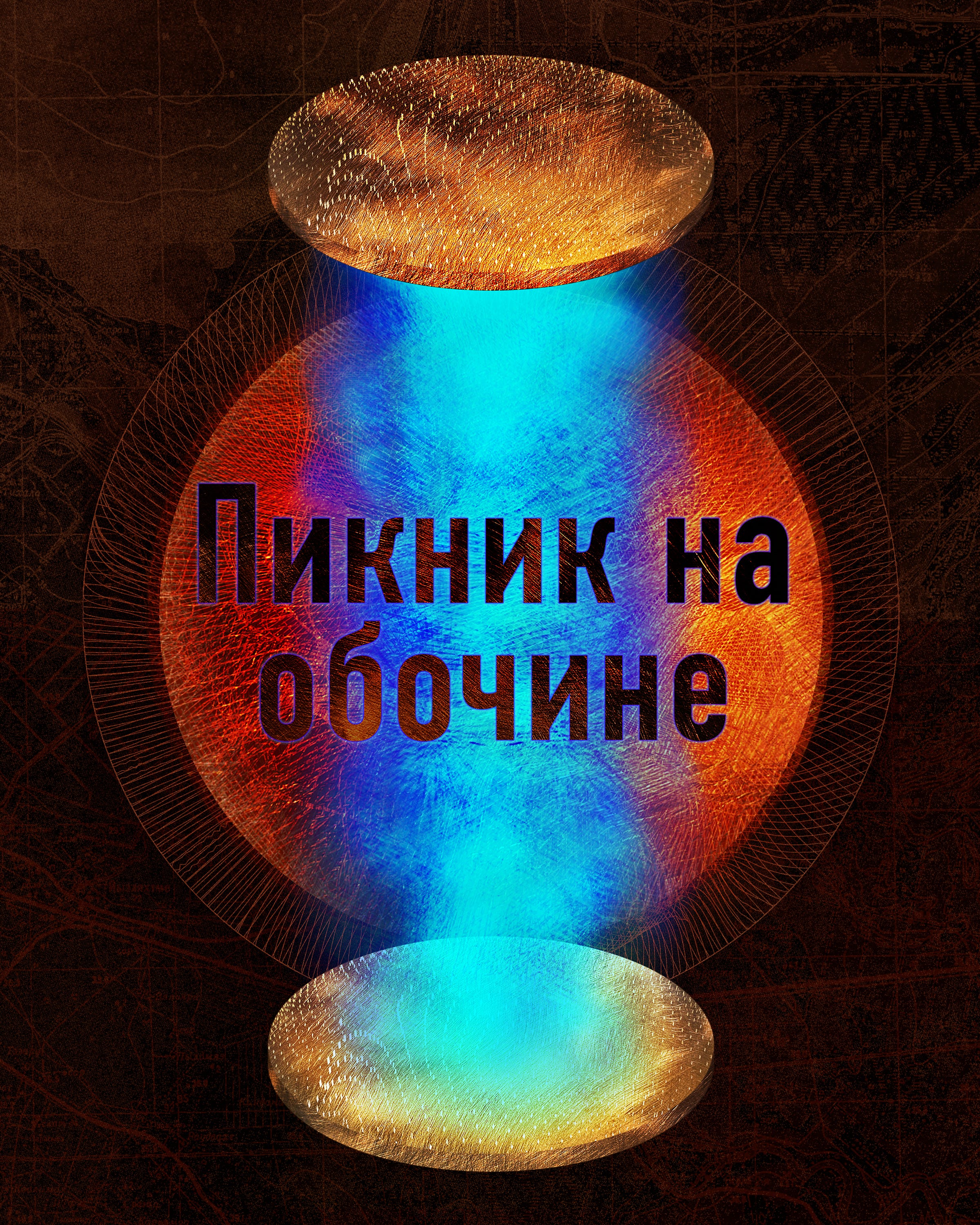
In contrast, Roadside Picnic by Arkady and Boris Strugatsky was brutalist blunt and wildly imaginative. I found it genuinely original and read it twice in quick succession. I planned to move on to Philip K. Dick (either The Man in the High Castle or Do Androids Dream of Electric Sheep?), but instead pivoted to my final book of the year, Kazuo Ishiguro’s Klara and the Sun. It was a perfect choice.
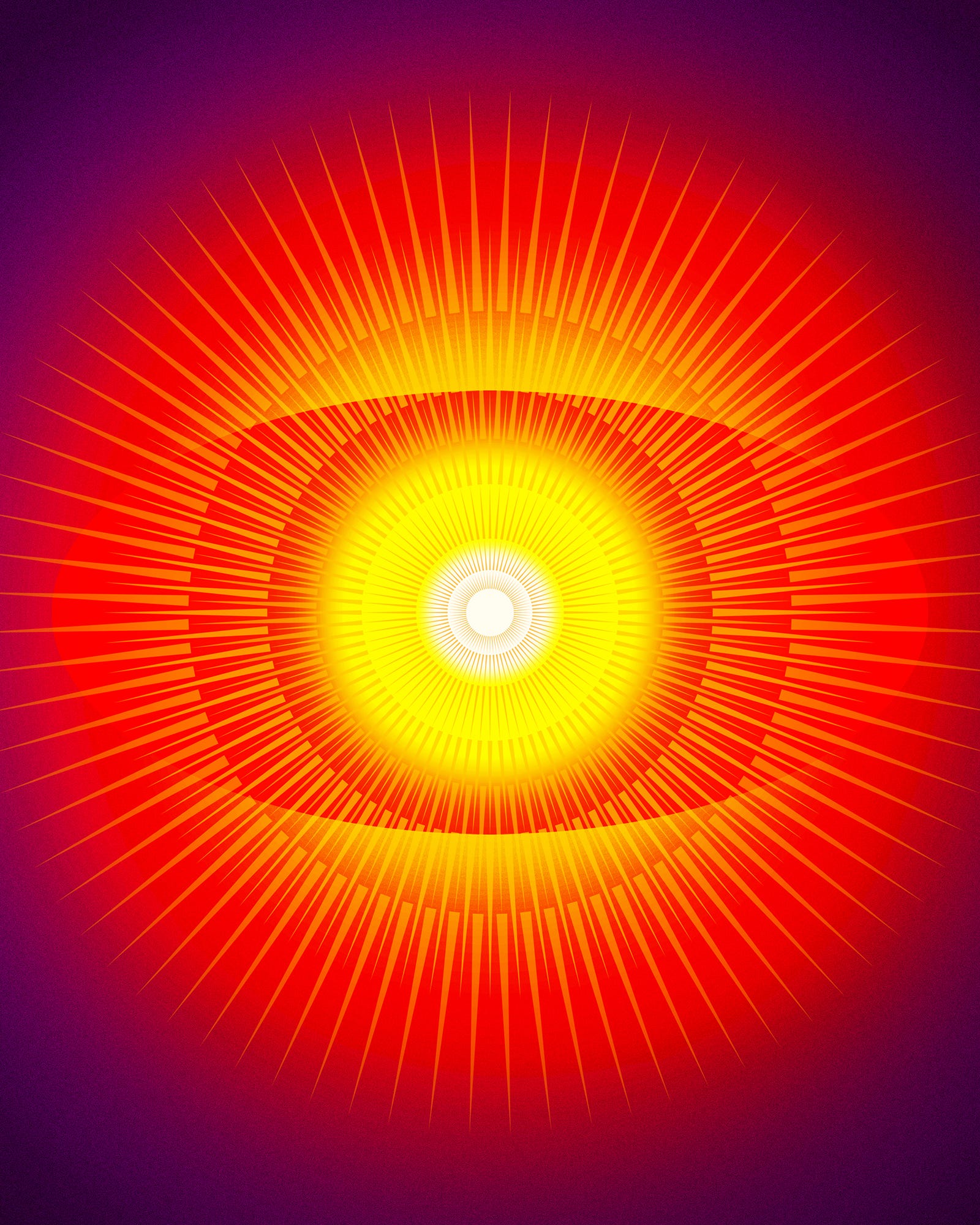
Klara and the Sun proved to be the most apt book for 2025 I could possibly imagine—a “cozy dystopian” novel set in a world that’s disturbingly recognizable. It reflects many of our core anxieties: structural unemployment (the “post-employed”), social isolation, the growing prevalence of parasocial relationships, and extreme inequality. It is a quietly devastating book, and reading it in light of the growing influence of AI, it felt less like science fiction and more like “science amplification.”
Reading science fiction while following the news over the past year made it increasingly difficult to ignore AI, be it in terms of economic, societal, or creative impact. AI is now literally everywhere; choosing not to talk about it is effectively talking about it through omission.
2025 is the year AI became ubiquitous. ChatGPT, Gemini, Claude, and Copilot, etc., have seen an explosion in mass adoption, with daily active users surging from approximately 60 million in 2024 to well over 200 million today. The AI industry writ large has become a Godzilla with a gargantuan appetite for capital, utilities, and resources. As this year draws to a close, the “Magnificent 7” of Big Tech (also known as MANGO and formerly known as FAANG) represents approximately 34% of the entire S&P 500, with a combined market cap exceeding $21 trillion. In other words, the Mag-7 is now worth more than China's entire GDP ($19.3T) in 2025. If this bubble bursts in 2026, it could be apocalyptic.
But even if the AI bubble doesn’t burst, the technology is already perceived as an existential threat capable of reducing the creative industry to rubble. Video games, in particular, are struggling with a contingent of its audience that is exceptionally anti-AI. Case in point: In just the past few weeks, the creators behind two of the most-loved games of the past decade (Clair Obscur: Expedition 33’s Sandfall Interactive and Baldur's Gate 3’s Larian Studios) have faced atypical backlash over even experimenting with generative AI. (The full details are a bit muddier and more nuanced than we have time for here.) As the broader games industry is currently defined by massive layoffs, high-profile cancellations, and a glut of content, it is entirely understandable that AI would assume the role of a rampaging monster, representing all the broader—and very real—existential threats.
I suspect this is why we also saw such vocal public pushback against recent Gen-AI commercials from Coca-Cola and McDonald’s; it reflects broader challenges for the industry as a whole. Advertising firm WPP suffered its own annus horribilis in 2025, with its market cap dropping by 60% and its historic relegation from the FTSE 100. The irony is that while AI was cast as the villain in this case, it is simultaneously being sold as potentially the only tool that can save the advertising industry from another existential threat: the duopoly of Google and Meta.
This is the continuing legacy of the Apple Crush ad of 2024, which is precisely where and why we began MBH4H in the first place. Tech has well and truly moved past its promise of a brave new world toward a perception that it is fundamentally anti-human—the destroyer of worlds. We’ve reached a point where even work that merely “looks” like AI attracts negative attention, as seen in the anxieties over the digital aesthetic of The White Lotus season 3, or the polarizing decision (in some cinematography circles) to shoot elements of 28 Years Later on smartphones.
None of this is to say the threat of AI to the creative community isn’t real. One only has to look at the “enshittification” of the digital commons: Spotify users protesting the sea of algorithmic “ghost” tracks and synthetic slop, or the steady degradation of Pinterest, Medium, and the internet in general. The monster may be a convenient distraction, but the rubble being left behind is very real.
Against this backdrop of fear and loathing, it is undeniable how much more capable AI tools have become over the course of 2025—most notably with the release of Gemini 3 Pro and Nano Banana. This evolution may correlate directly to an even greater threat to human creatives; yet paradoxically, it may also hold the potential to help them. I cannot help but be impressed by the quality of the output, and, as much as I am loath to admit it, both Ross and I have begun experimenting with Nano Banana ourselves. It is astonishingly good—and seems like a genuine leap forward—even though I still have deep reservations about the ethics of its training data.
To be clear, it’s still very early days. I am using Nano Banana in a limited capacity to experiment, creating elements that I then combine with “real” photography and my own designs. I feel like a chef using a food processor: the AI helps me prepare the ingredients, but I’m still doing the cooking myself. To date, I haven’t used Nano Banana or any other Gen-AI in any of the artwork I’ve published on MBH4H. As of right now, and especially with how fast everything is evolving, I’m not sure I’ll be able to say the same at the end of 2026.
So, looking ahead, how do I reconcile the matte-black, hand-sanded Montegrappa with the frictionless efficiency of Nano Banana? Honestly, I don’t know if I can yet; this is something that Ross, I, and likely many others will be reconciling with in the months (and likely years) to come. But what I do know is that I don’t want to succumb to a “human creative purity test”—measuring the extent to which AI-generated elements are used in a final work like a sliding scale of authorship, swinging between the human and the machine, and letting these discussions overtake the verifiably human-made elements that are worth critical assessment in their own right. If we’re not careful, we’ll find ourselves in the realm of a Butlerian Jihad against any machine-generated creativity.
Perhaps next year shouldn’t be about choosing a side in a war between the analog and the automated, but about finding a way to live in the “science amplification” that Klara and the Sun author Kazuo Ishiguro hinted at. Like Klara, we are observing a world that is changing faster than our ability to process it. We should at least be honest about that change, deal with the trepidation it causes, and support those directly affected. But—at least in terms of creativity—we should also focus more on the nuance of human intent than the mechanics of the process.
I hope that in 2026, we’ll at least be able to have a more open discussion about the developing creative process—to freely experiment without fear of outrage from those who conflate intent with content. But that discussion requires the honesty of disclosure, so that the audience can make a freely informed choice about the work. To that end, we continue to stand by our ethics statement and will be open about if, when, and how we experiment with AI. All any of us can do to help each other navigate these interesting times is to be honest and transparent about what we’re doing and how we feel about it. As always, it’s not about the crime—it’s the cover-up.
Whether you’ve recently joined us or have been with us since the beginning, we are profoundly grateful to everyone who has read our words and continues to support the grand experiment that is MBH4H.
Bye-bye, 2025. Here’s to a great year ahead for human creativity.
Comments
Nothing yet. Say the first thing.
Sign in to join the conversation.