
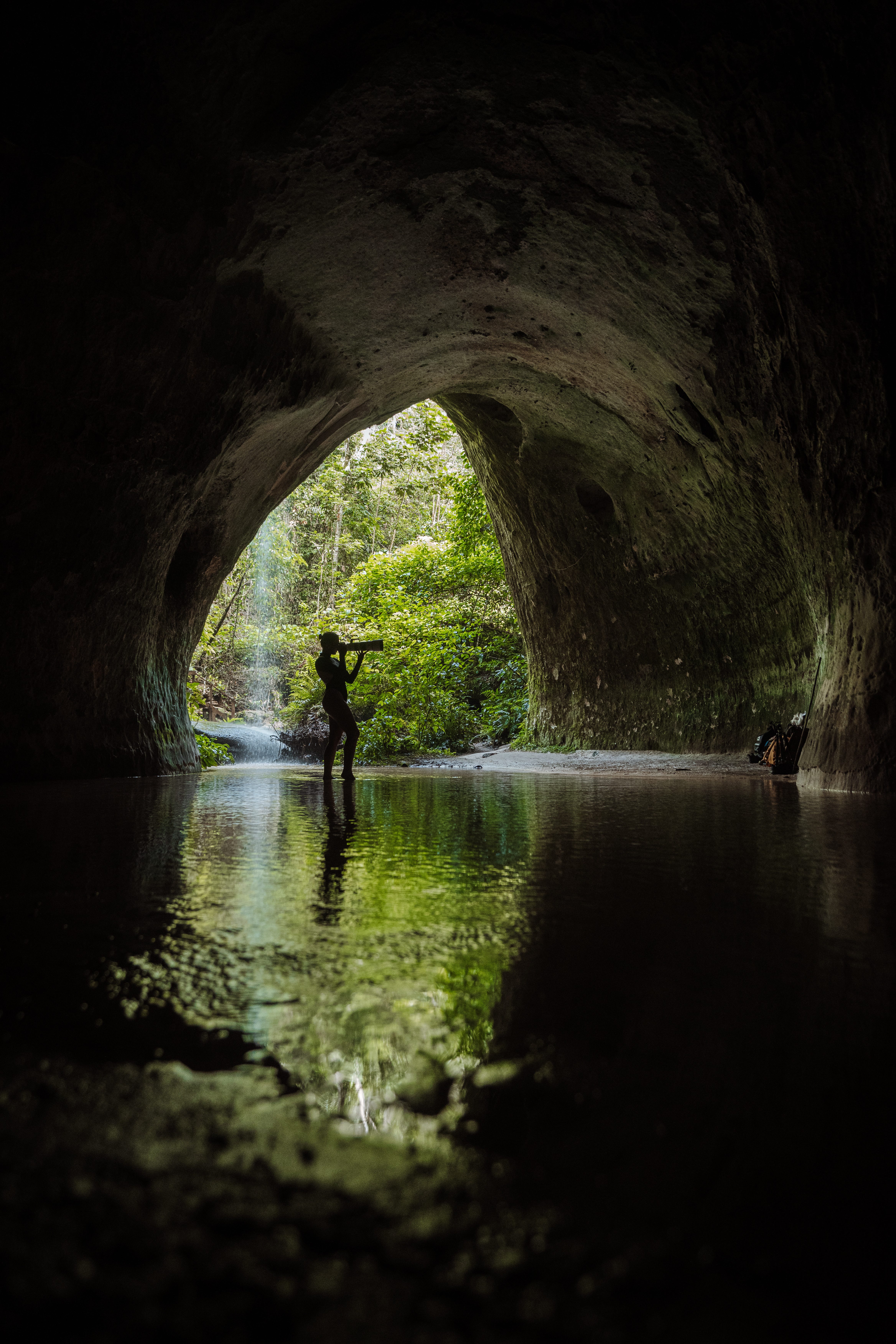
The humidity is absolute. I’m sweating, and I can’t stop thinking about the waterfall waiting for us in an hour, but for now, all I can do is wait.
I’m writing this sitting on the floor of the dense Amazon Rainforest, covered by dead leaves. The wind never quite reaches my neck, which has formed its own small pool of sweat trying to regulate an internal temperature that feels like it’s climbing past 40°C. Everything is green. My eyes go searching for another color and find only more green, a hundred different shades that all somehow read the same.
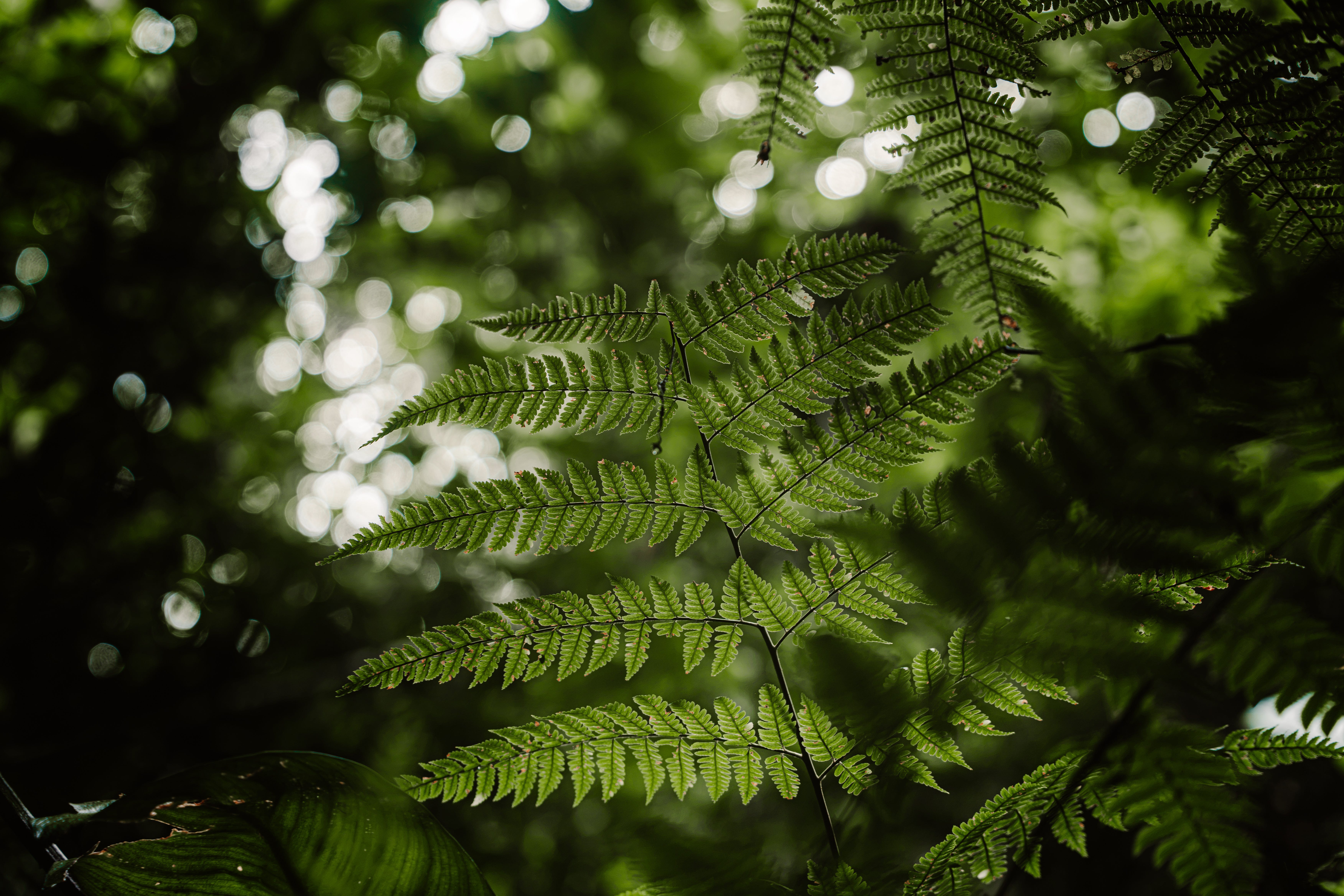
I honestly believe this is how some of the most unforgettable moments of our lives begin: right at the point where it feels hardest to bear.
There’s a reason I’m here.
Every year I host an expedition through the Amazon with a small group of like-minded people. Friends, readers like you, followers who message me on Instagram and then trust me with a week of their lives.
Since last year, my colleague and I have held a special authorization to bring them somewhere very few people get to stand: in front of the galo-da-serra, the Guianan Cock-of-the-rock (Rupicola rupicola), in its own habitat. What a privilege!
We began on the reserve’s official trail and then, with our local guide and our permits in hand, we left the marked path behind and pushed into the closed forest.
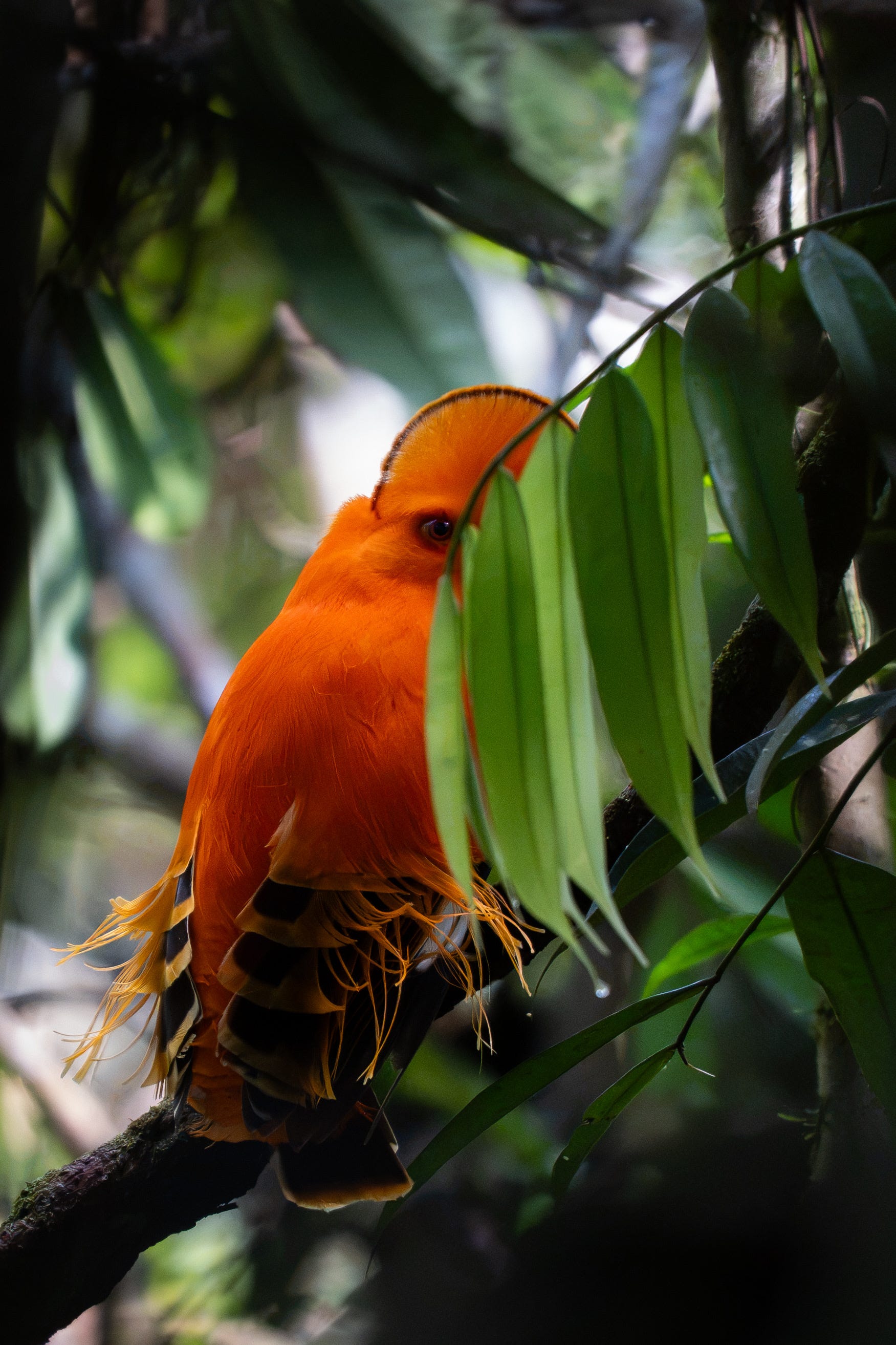
There they are! The green broke and I can see colors again.
Orange. Not a soft one though, but more like a flame moving through the branches as something that had escaped from a different world.
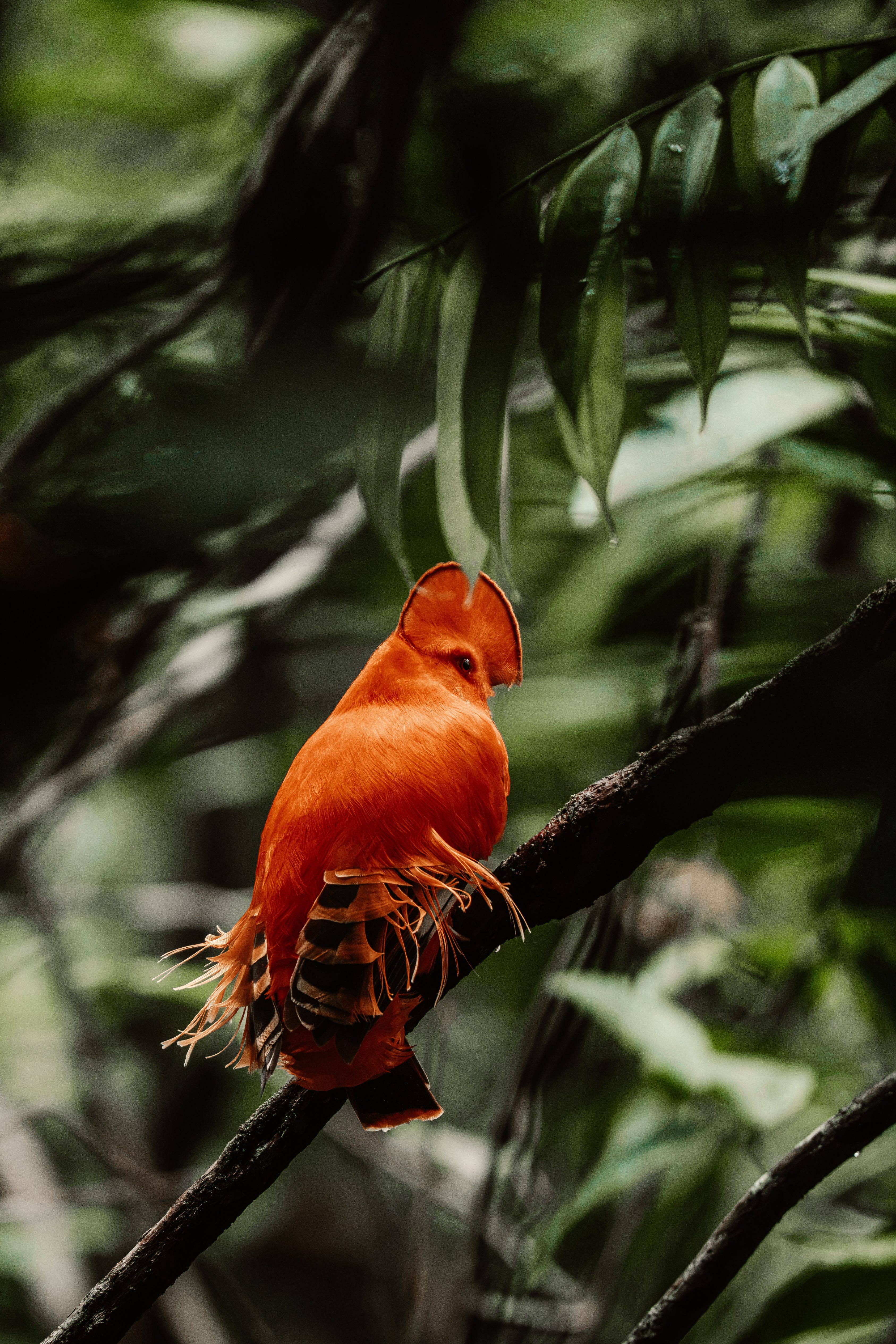
This is a male, perched low, absolutely still, his semicircular crest curved forward until it nearly swallowed his own bill. Truly prehistoric and almost architectural.
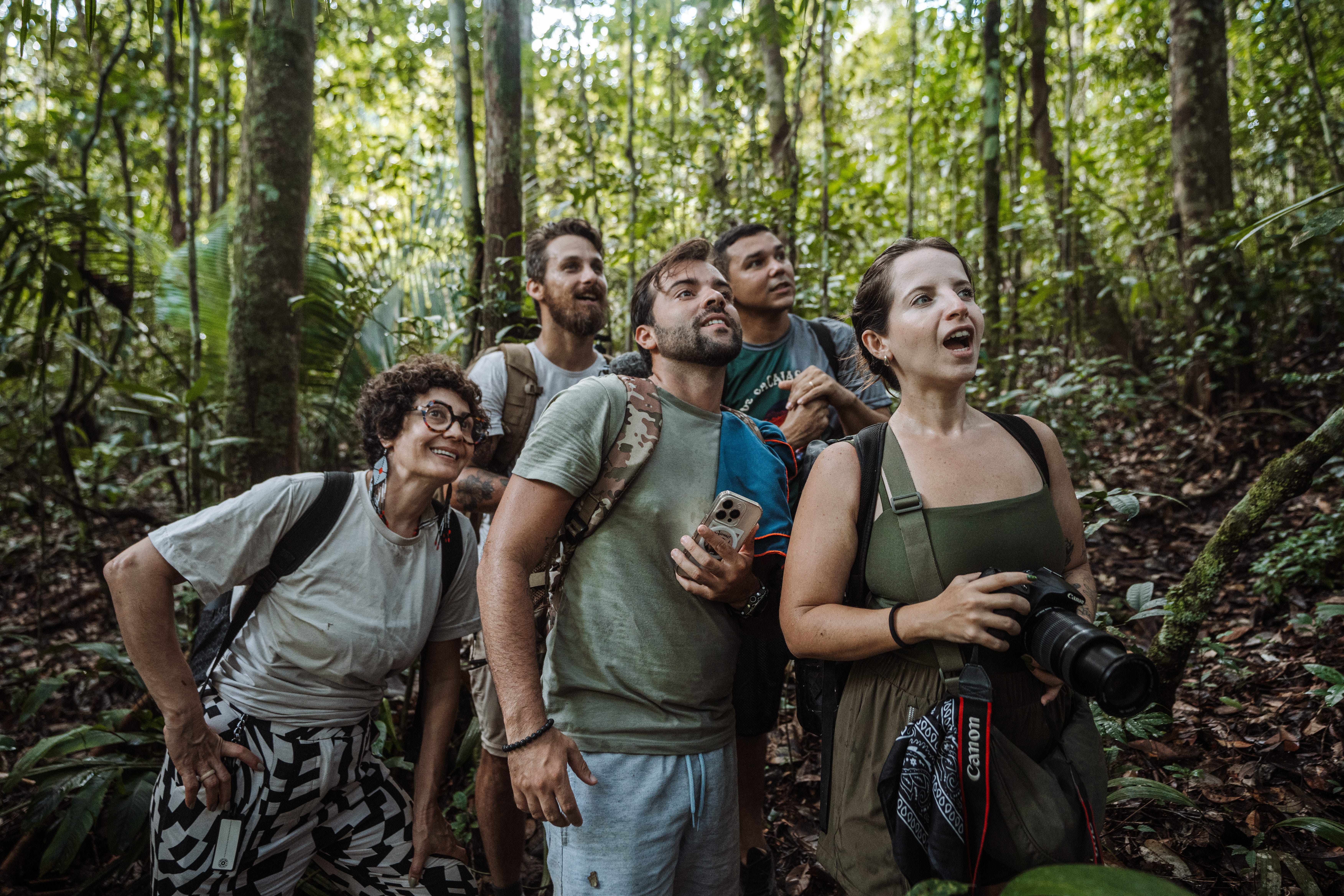
Nobody spoke, just smiled. Somebody behind me exhaled and forgot to breathe in again I think lol.
Male cocks-of-the-rock gather at these arenas, and clear the courts on the forest floor, doing that all year round, not just on the mating season. Each arena is defended by a single male, and there they perform. They crouch flat, freeze, and wait to be judged. The females, drab olive-brown and beautifully camouflaged, watch from the branches above and choose.
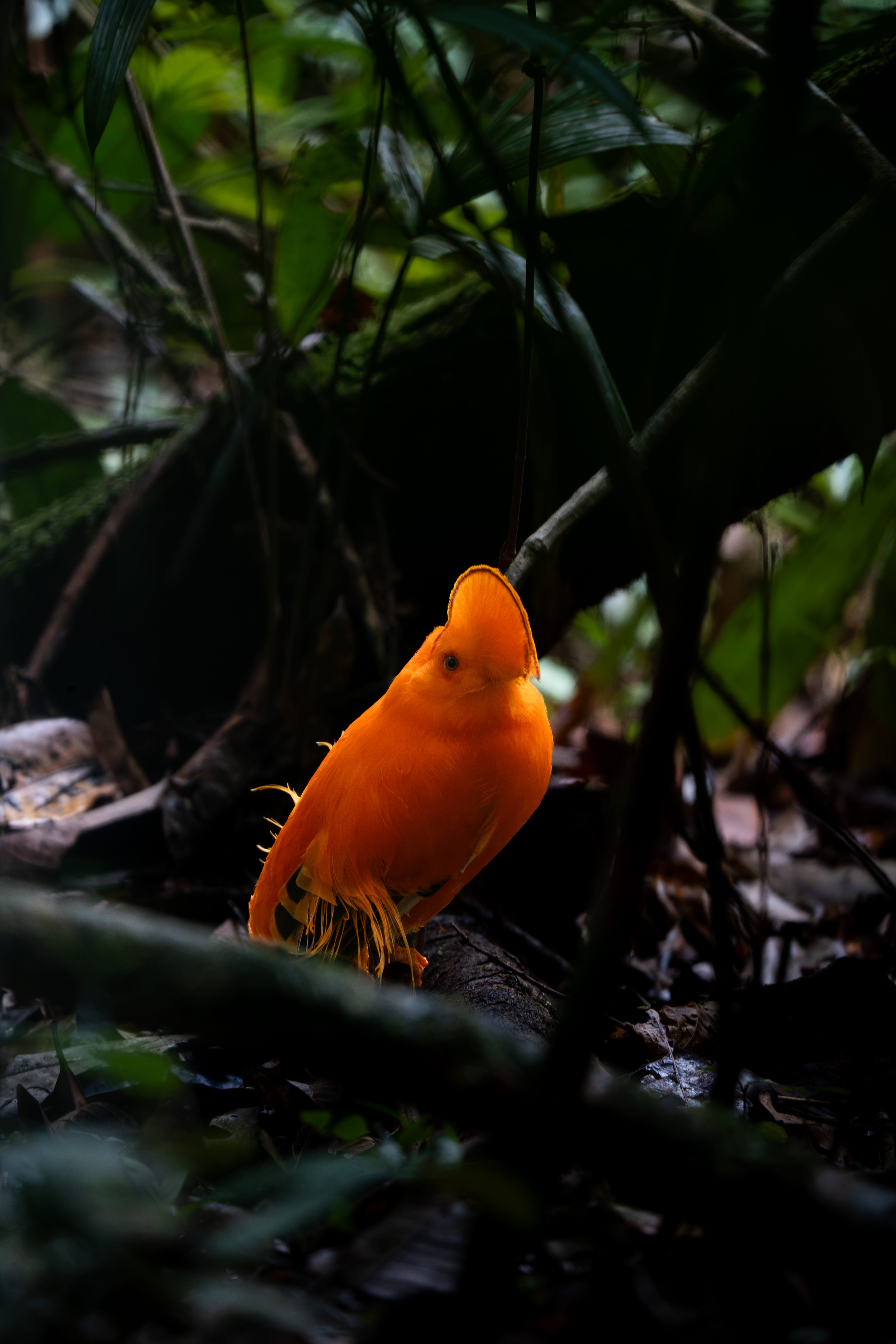
Only a small handful of males will be chosen at all, whereas the rest display season after season.
Now, this impossible orange is the product of exactly that pressure, generation after generation of females selecting the brightest, boldest, most confident bird in the arena 🧡
A few things I love about this species, as a biologist who has read about it for years and still wasn’t prepared.
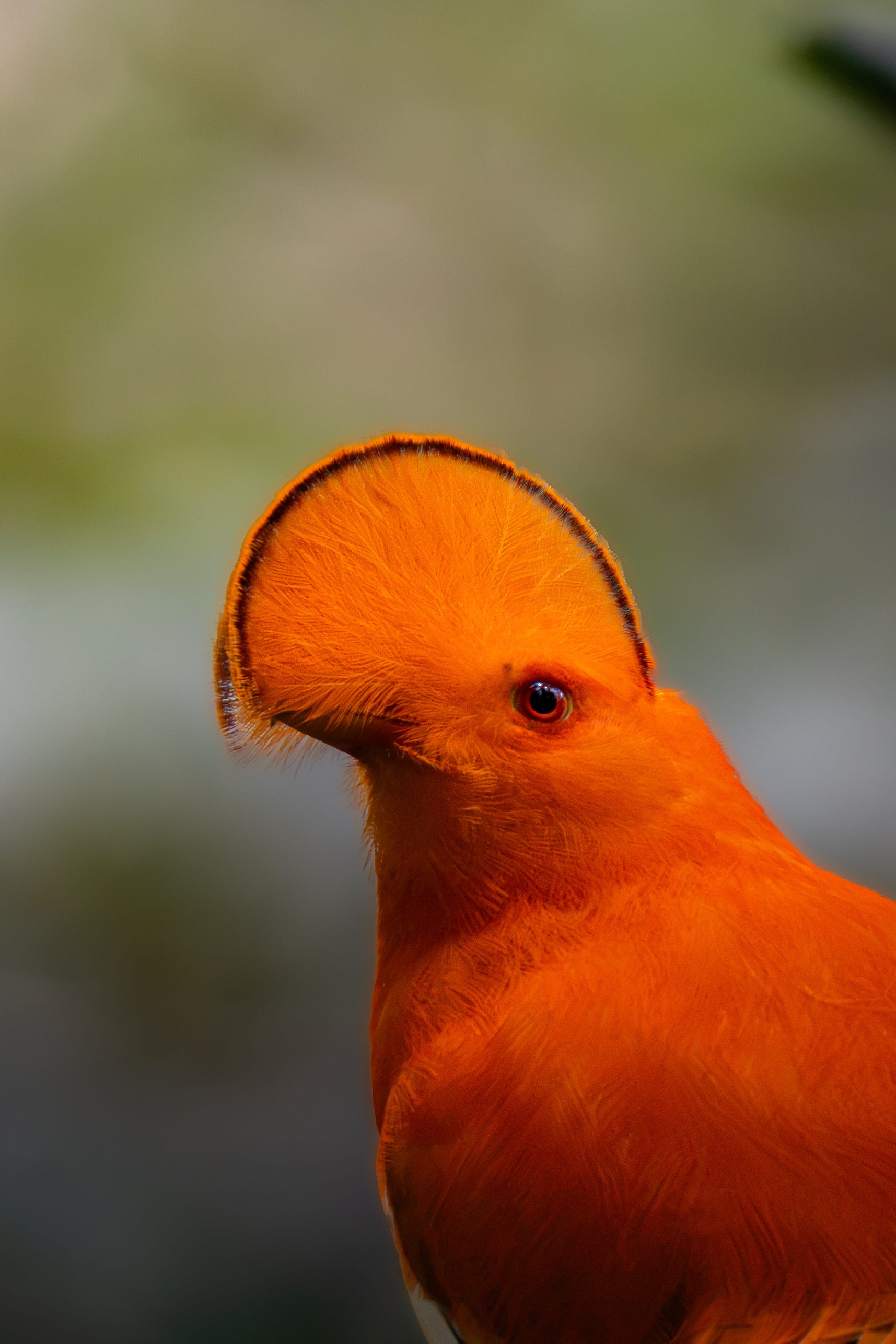
The orange comes from carotenoids in the fruit they eat. They are quite literally colored by the forest that feeds them, and they pay it back by dispersing its seeds.
Females nest by plastering mud and plant fiber onto sheer rock faces, deep in caves and granite outcrops. The whole species is tied to stone, which is why they only exist where the rocks meet the forest.
Editing the photo afterward felt almost dishonest. I kept pulling my hand back, because there was nothing to correct. That color was real.
I think that’s what I’ll carry out from the forest.
We spend so much sitting in the heat, in the green, in the sameness convinced nothing is coming, but eventually nature rewarded us, as always do.
At the end the best moments happens when we put ourselves out there ◡̈
Have you ever done something like this before to see an animal in the wild?
No posts
Comments
Nothing yet. Say the first thing.
Sign in to join the conversation.