
Imagine two athletes finish a similar workout.
One uploads it with the comment, “That was hard! I thought I was going to die!!!”
The other writes, “Felt good.”
Which athlete had the harder day? The answer is: you don’t know.
In fact, if you’ve never coached either athlete before, you probably know almost nothing.
The words themselves tell only a small part of the story. One athlete may naturally express every difficult workout with dramatic flair, while another barely says a word regardless of how challenging the session was. One might call an appropriately difficult threshold workout “death” while another reserves any negative comments for the rare occasions when something is genuinely wrong.
If a coach takes those comments at face value, it becomes easy to make the wrong decision. You may back off when the athlete simply needed reassurance, or push forward when the athlete was quietly trying to tell you they were struggling.
That is why one of the most valuable coaching skills is learning how to read the athlete in front of you.
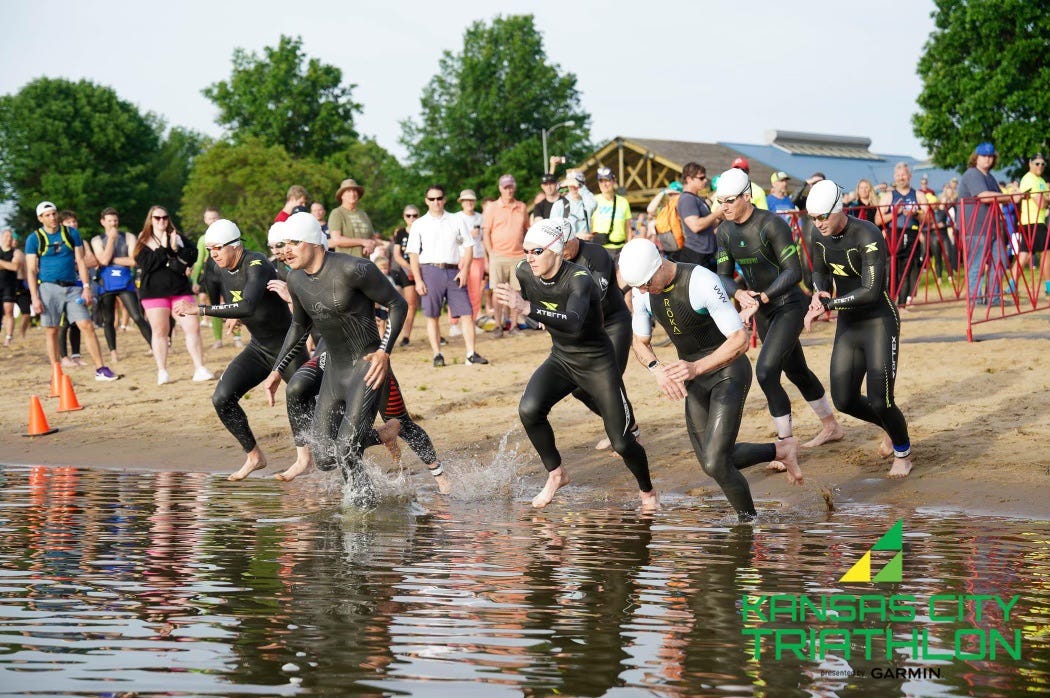
Humans are far too unpredictable to treat training like machine learning. There is a careful mix of physiology, psychology and emotional intelligence required to get an athlete to reach his or her potential.
Let’s look at an example to illustrate the importance:
One of my athletes has a habit.
Nearly every hard track session or long run gets the same review.
“Death!”
“So hard!”
“Never again!”
If I looked only at those comments, I’d think the training was too much.
But after working together for years, I know much of this is light hearted expression. Races typically go well. There are often no indicators of poor recovery. There is genuine excitement for the hard sessions despite some hemming and hawing. Thus, the comments afterward are not necessarily a red flag.
Of course, that doesn’t mean I ignore them. If performance started falling off, recovery changed, or the comments became different in tone or frequency, we’d dig deeper. Context still matters and I have calibrated my sense of what to expect based on typical workout performance and athlete personality. To get the important information sometimes I have to reel this athlete back in a bit.
I have another athlete who is almost the opposite.
Most workouts receive some version of “Yep. Felt good.”
That’s it. No long explanation. No dramatic descriptions. Just enough to let me know the workout got done.
Does that mean those sessions are easier or that my job is easier than the previous case? Not at all. That’s simply how this athlete communicates. Sometimes I am having to prod a bit to get the details I need to know.
If I interpreted their comments using the same scale, I would probably make poor decisions for both.
Coaching relationships are not created on day one. They take time.
The first few weeks or months are about learning each other. I learn what “hard” means to you, what a bad workout actually looks like, and how you respond to life stress, travel, poor sleep, and big training weeks.
You learn how I coach, what questions I’ll ask, and that you don’t have to tell me what you think I want to hear.
Over time, those conversations become more valuable because they’re interpreted through years of shared experience rather than a single comment in TrainingPeaks.
There is value in setting expectations early. Every coach has a philosophy, a communication style, and certain principles that shape how they approach training. But I also think the best coaching relationships leave room for adaptation.
The goal isn’t for the athlete to conform completely to the coach, nor for the coach to simply accommodate every preference. We need to create a shared language that might be a different dialect for Athlete A and Athlete B. From there, the experience is truly individualized and that is not because the workouts were a secret sauce but rather because the conversation around the body of work was more accurate because everyone is on the same page.
Through months and years of listening, observing, and building a shared language, the calibration process becomes more refined. This is where the individualized, one-on-one coaching model truly shines.
Most athletes and coaches understand that training plans should evolve based on feedback. But you can’t make those decisions with confidence unless you first understand what that feedback actually means.

No posts
Comments
Nothing yet. Say the first thing.
Sign in to join the conversation.