
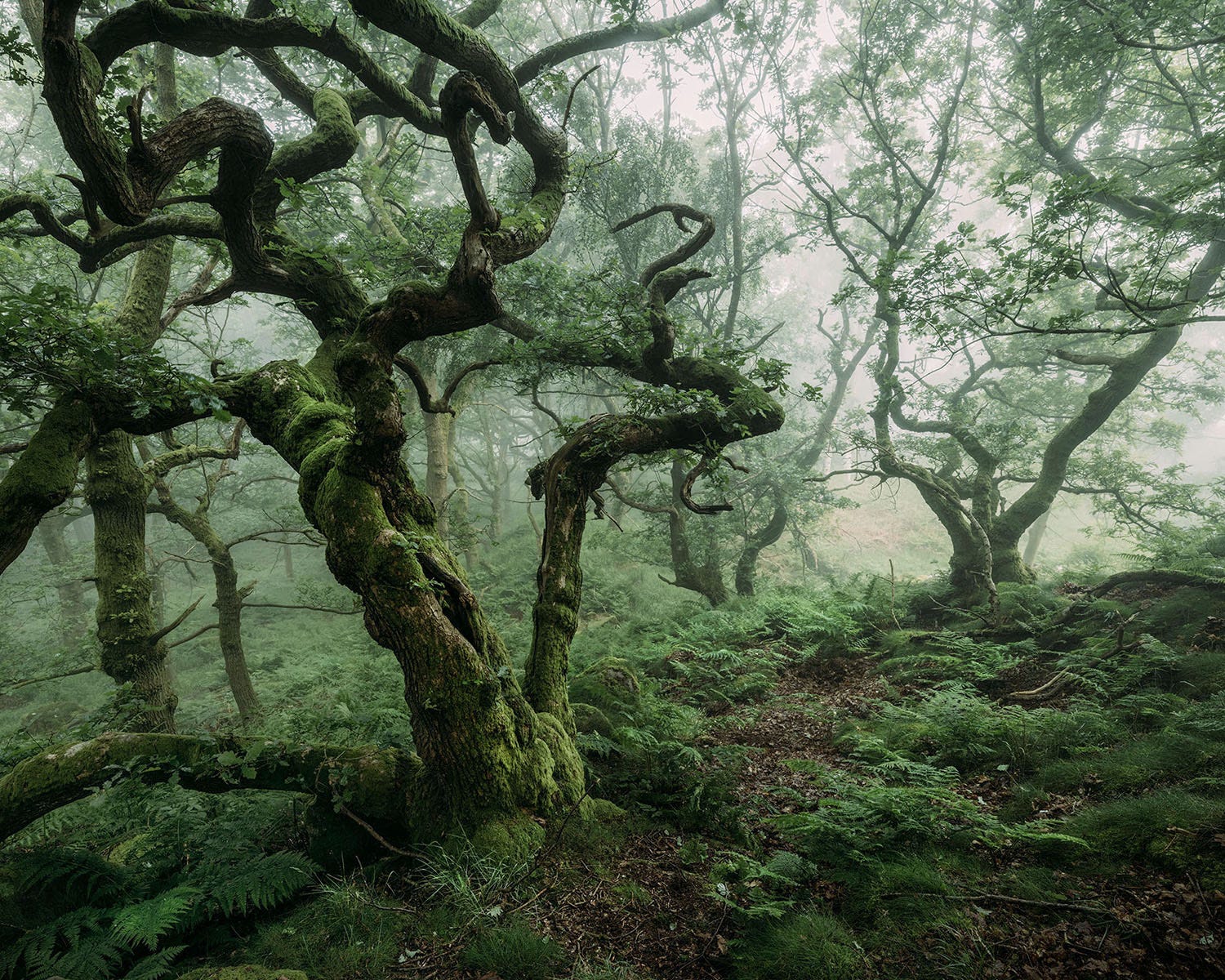
In this workshop I want to talk about something that us as photographers can often find quietly challenging, summer. We wait for it, and then when it arrives, we sometimes find ourselves a little lost. The landscape fills up with green, everything green, and it can all start to feel a bit… flat. A bit same-y. Where’s the drama? Where’s the contrast?
Its a practise I use to help me see creatively through the summer season.
Green can be an opportunity. And once you start seeing it differently, summer becomes one of the most rewarding times to be out in the landscape.
In winter and autumn, the landscape hands us contrast on a plate, bare branches against pale skies, a palette of wonderful autumn colours. In summer we have to work a little harder, because the palette is narrower. But narrower doesn’t mean poorer. Think of a painter working with a limited palette. The constraints force a different kind of attention.
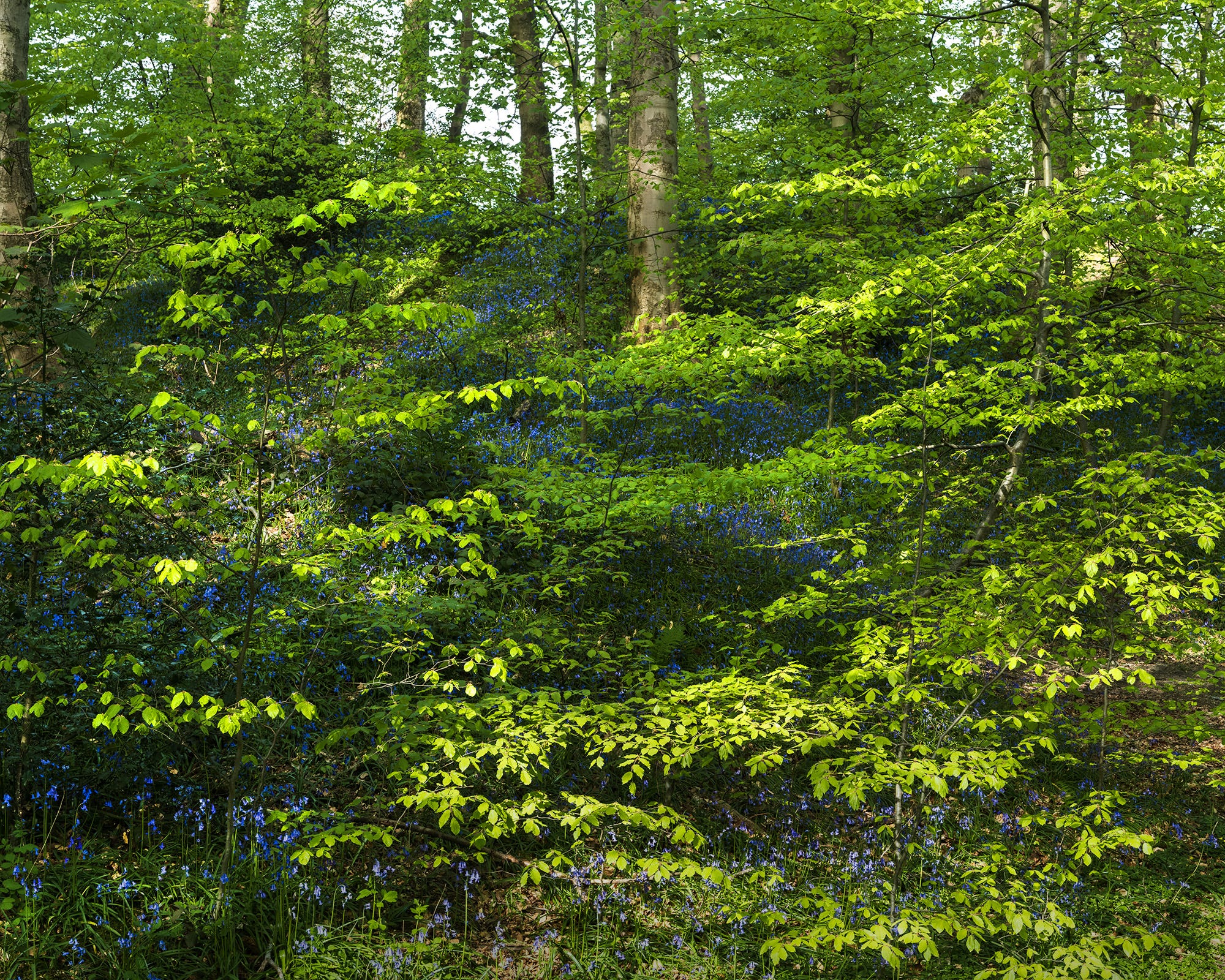
Summer green is actually dozens of greens. The yellow-green of fresh beech leaves catching the light. The deep, almost blue-green of conifers in shadow. The silvery sage of meadow grasses. The near-black of bracken in a hollow. These differences are subtle, but they’re exactly what gives a summer landscape its depth, if you learn to see them.
Light and Time of Day
The single biggest tool you have in summer is the angle of the light. Harsh midday sun tends to flatten green, it’s bright, it’s uniform, it’s hard to work with. But early morning and evening light is everything. When the sun is low, it rakes across the landscape and suddenly the greens begin to separate. Some are lit, glowing almost gold. Others fall into cool shadow. That’s your contrast, right there, not between different colours, but between light and dark within the same hue.
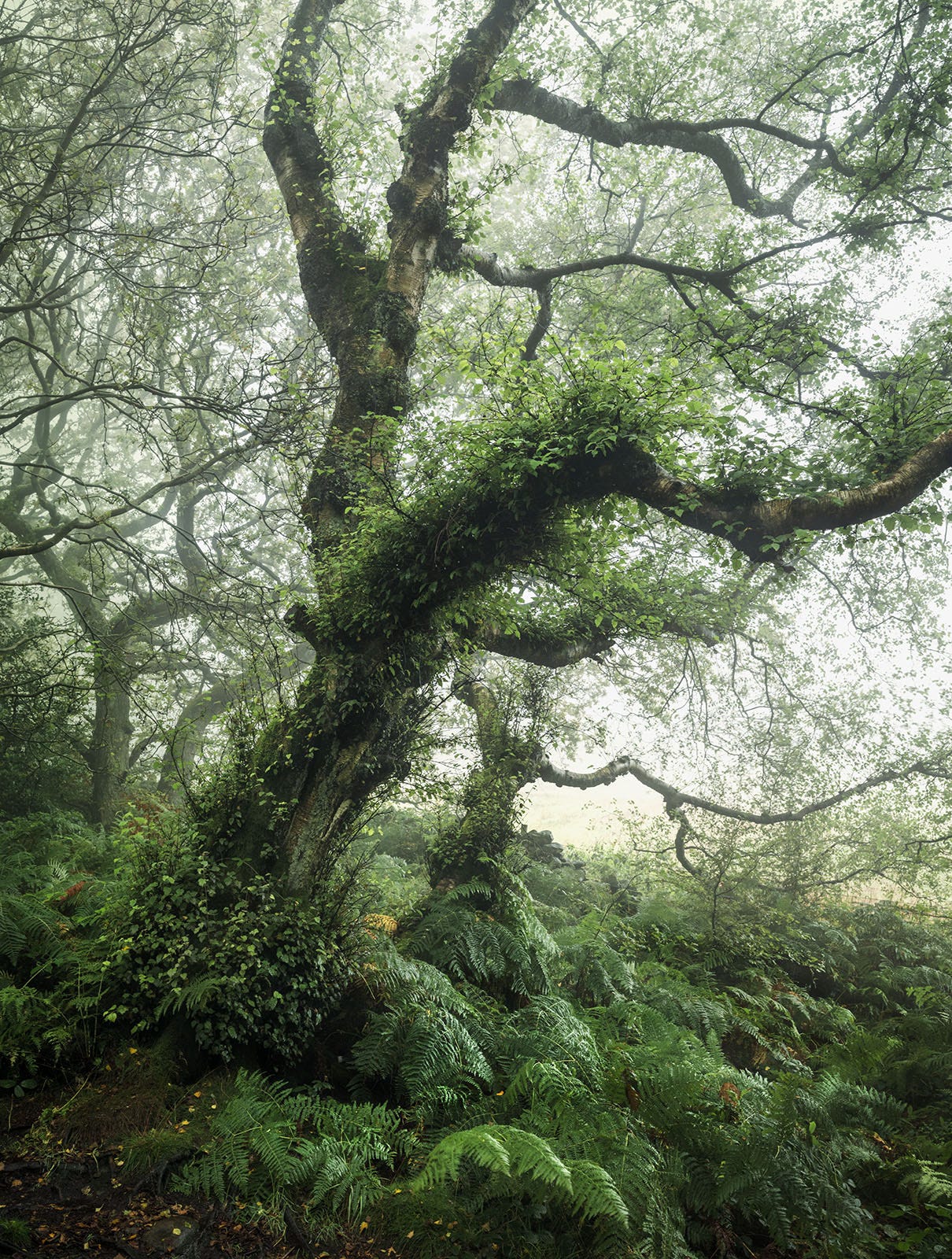
Overcast days are also worth revisiting with fresh eyes. The soft, diffused light of a cloudy morning is brilliant for revealing tonal differences between greens that harsh sun would blow out. You lose the drama of shadows, but you gain detail and richness in the colour itself.
Tone and Luminosity
Comments
Nothing yet. Say the first thing.
Sign in to join the conversation.