
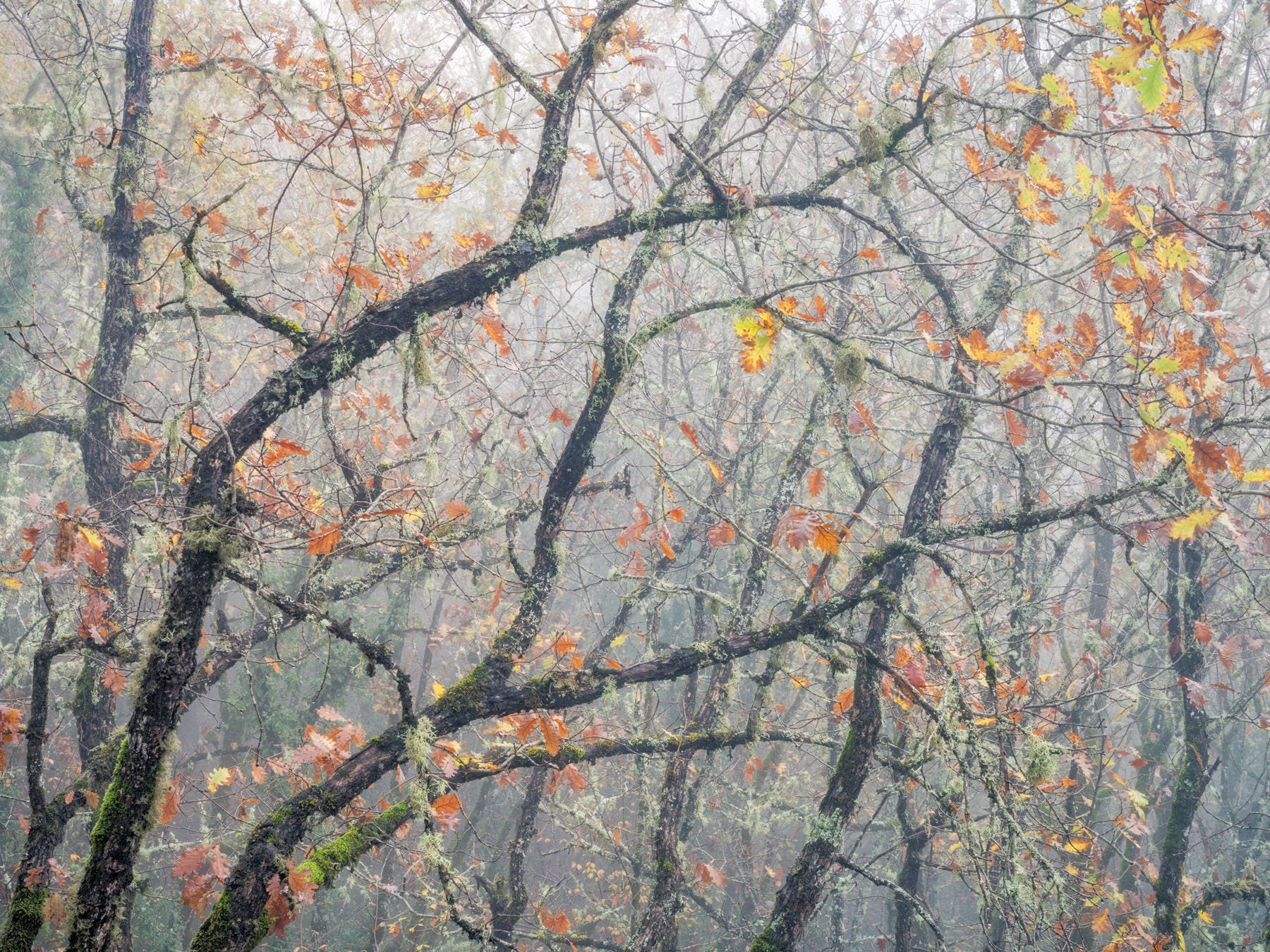
There’s a quiet poetry that runs through Lizzie Shepherd’s photography, a sensitivity to light, texture, and the fleeting moods of the British landscape. Based in North Yorkshire, Lizzie’s work captures both the grand and the intimate: from vast moorland vistas to the subtle interplay of light on woodland leaves. Her images invite the viewer to slow down, to see the natural world not just as scenery, but as a living, breathing space for reflection.
Over the years, Lizzie has built a reputation not only for her evocative imagery but also for her thoughtful approach to teaching and writing about landscape photography. Her workshops and articles encourage photographers to find their own creative voice, to look beyond the obvious and respond to what truly resonates with them
In this conversation, Lizzie shares insights into her creative journey, the emotional pull of the landscape, and the enduring power of curiosity and connection in her work.
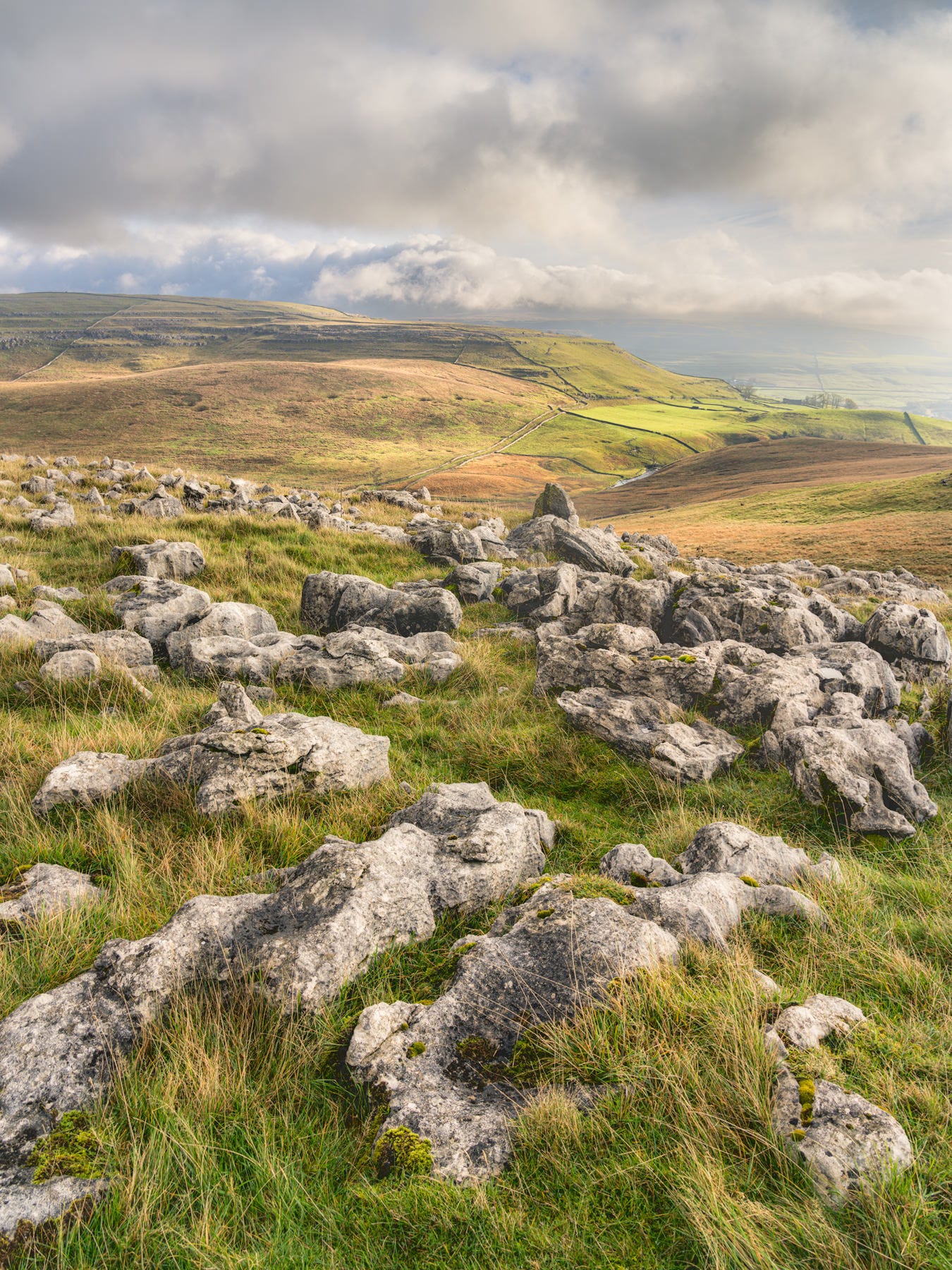
You’ve built such a distinctive voice in landscape photography, gentle, reflective, often deeply rooted in the British countryside. What first drew you to explore the landscape through a camera, and how has your vision evolved since then?
Thank you – what a lovely thing for you to say. I’ve owned a camera of one sort or another since the age of 9, but I’d say my focus on the landscape, in particular, didn’t begin until many years later. I think it probably began in my earlier adult life, when we lived in Scotland, and I spent a lot of time out walking in the hills, albeit I have very few decent photographs to show for it. That, and traveling to some incredible places abroad; and then, in time, realising that photography just helps you to see so much more. I now see things I would probably have walked past in my earlier years and I love finding ways to give the quieter landscape a ‘voice’ – although I’m certainly not impartial to the odd grand scene as well!
Many of your images have a quiet, almost meditative quality. When you’re out in nature, what emotional connection are you seeking to express through your work?
In all honesty, I don’t really think of it in those terms. I just love the natural world and find it is a wonderful thing to be able to explore, and to find ways of revealing a little bit of what I see when I’m out there. It’s lovely to know that others connect with my work and I’m happy for everyone to take from this what they like to see or feel, but I’d very much hope it helps to make people realise what a special world we live in and perhaps want to do more to protect what we have.
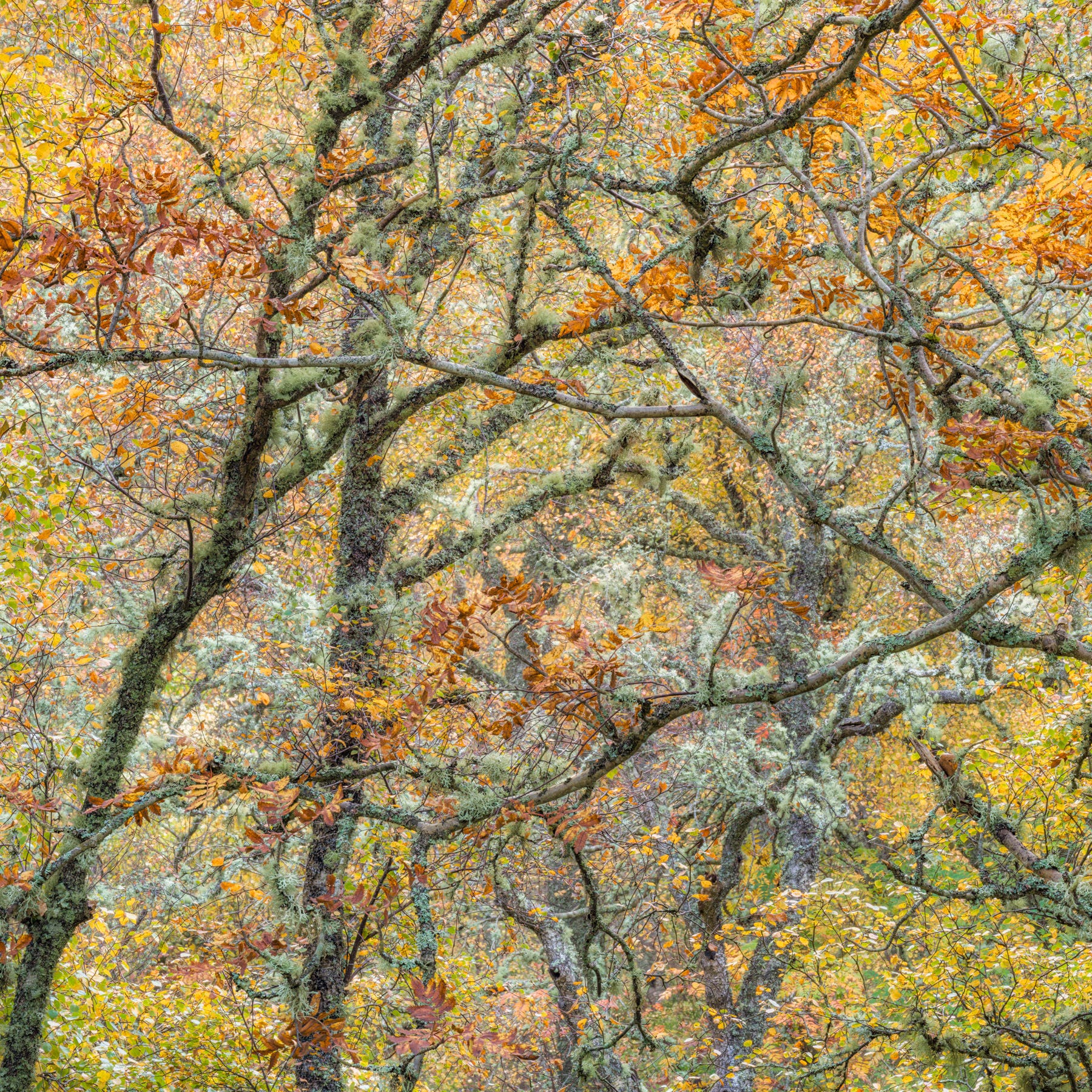
Your compositions often find beauty in subtle details, textures, reflections, fleeting light. How do you train your eye to see those quieter moments that others might overlook?
Simply by truly looking at what’s in front of me, behind me, at my feet and so on. The extra little details you can see when you really do ‘look’ is amazing and I do think you can train yourself to do that. It was something I made a conscious decision to do, well over a decade ago now. I wasn’t happy just trying to photograph scenes that were considered classically photogenic. I wanted to find something I could enjoy photographing wherever I was, so it was really a mindset change as much as anything. And then, the more you look, the more you see and it just continues – it’s great!
Can you share a moment in your career when everything seemed to “click” either a turning point in your artistic direction or a photograph that changed how you see the landscape?
In reality, I’m sure it was cumulative but there was a day back in spring 2013 when I went out early to photograph a lovely stretch of wooded river, about half an hour away from me. I’d walked there many times and felt sure there were images to be made, but never managed to come back with anything that reflected what I was seeing. This time I did. It was quite a wet morning with lovely soft light and I spent a happy 3 hours or so just exploring, photographing and immersing myself in the landscape. I came back with some images that I was so pleased with and it’s probably when my love of ‘scruff’ was born!
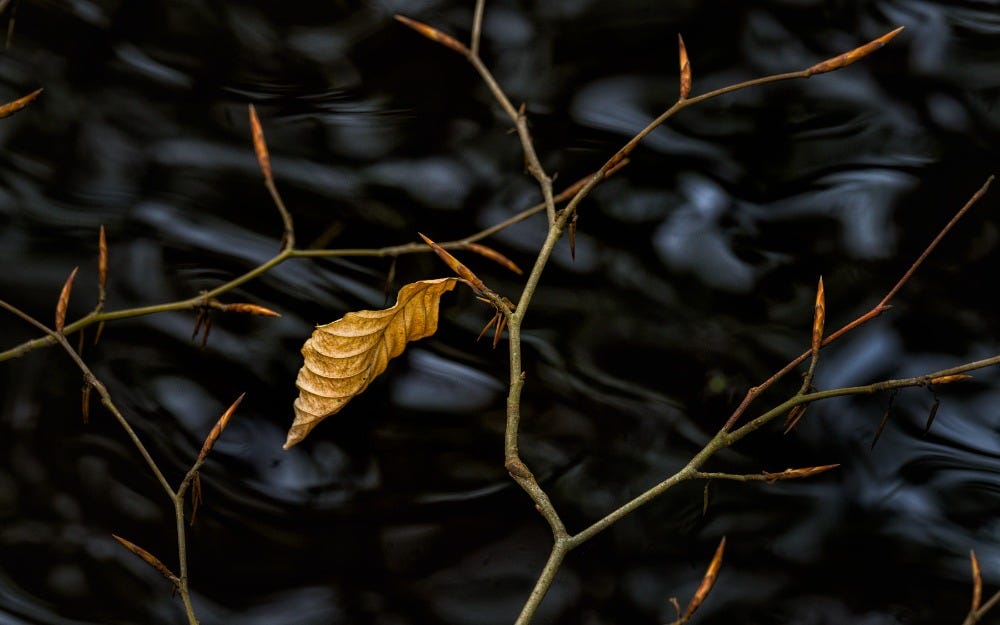
The British landscape is incredibly varied, from the Yorkshire Dales to the Scottish Highlands. How does place and your connection to it, shape the stories you tell through your photographs?
I know many photographers feel place is not important and say it’s all about what you feel, not about what you see. I really don’t think in those terms. Place is hugely important because it’s the landscape that exists wherever you are. I’m not suggesting you should give a grid reference and label it accordingly of course, but the landscape is bigger than all of us and I see it as my role to try to reveal a bit about what makes it special. So, I try to understand a bit about the places I visit and there’s no doubt that the more familiar you are with them, the easier it is to make meaningful work. I wish I was a bit more knowledgeable about the things that shape our land as I think that really does feed into the work we produce. I just wish my memory was better and I could remember more of what I read!
Light is a defining element in your work, often soft, atmospheric, and painterly. How do you approach working with light, and what role does patience play in that process?
In my latest talk, I show examples of images produced in pretty much any kind of light – to show that you can work with whatever you get. Particularly when we are away traveling, we rarely have the luxury of waiting for the right light, so understanding what can work in different conditions are invaluable, as is a willingness just to give it a go and perhaps surprise yourself that you can make something work you thought might be impossible. Of course my preference is for soft light and I particularly enjoy constant and gentle light because I can just focus solely on composing the image and immersing myself in the landscape, with no distractions. I don’t often spend hours waiting for the perfect light in one particular spot – I’d rather keep exploring and take my chances – there’s usually something to be found.
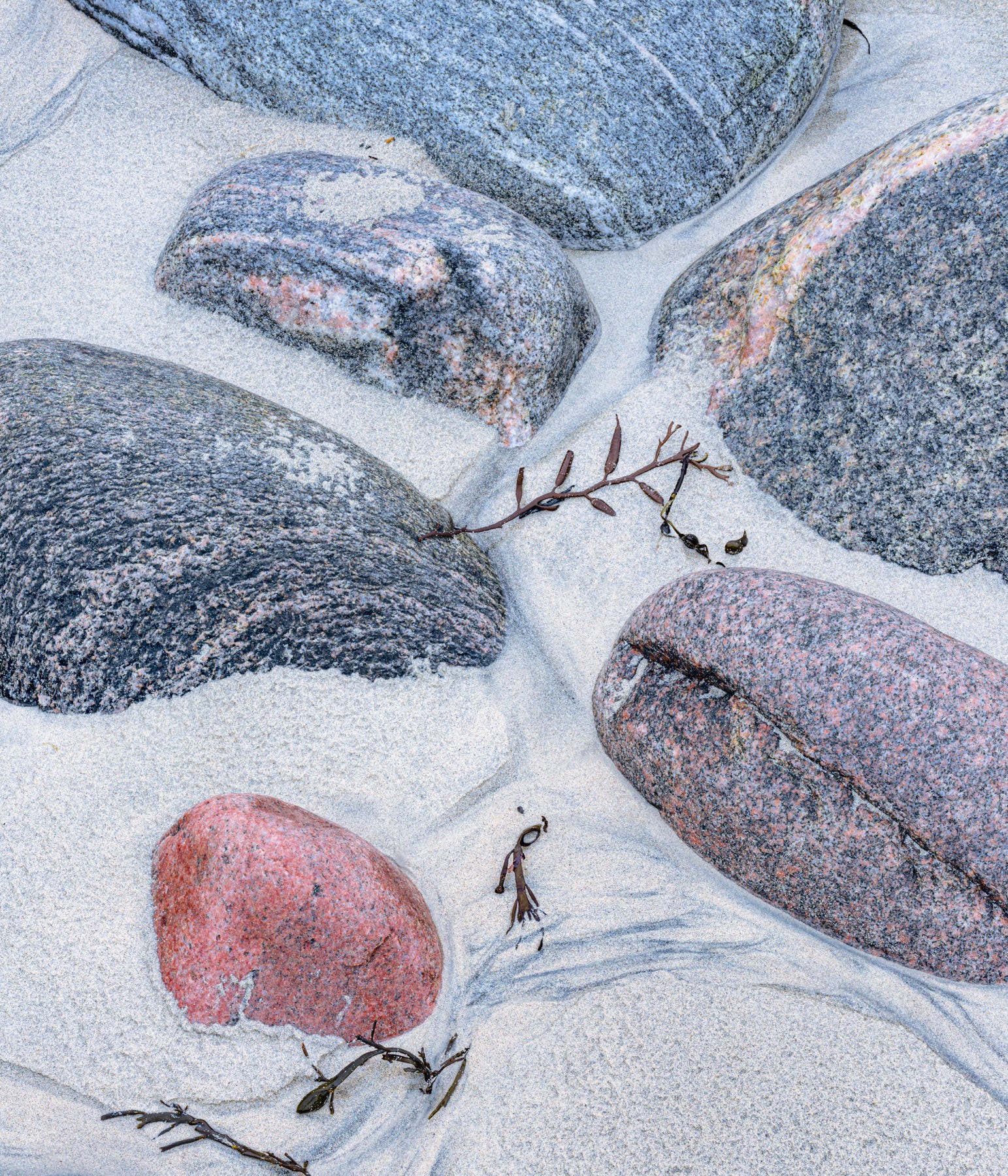
You’ve taught and mentored many photographers. What common challenges do you see newcomers facing, and how do you encourage them to find their own voice in a crowded field?
I think part of the challenge is that you can, to some degree, take a few shortcuts these days, with the advantages and instant feedback that digital photography provides. Yet I think having at least a reasonable understanding of the technical side is important because it allows you to work more instinctively and focus on what it is you want to do or say. Finding your own voice takes a long time I believe, and I also don’t think everyone wants to do that. To me what is most important is to do what you love and enjoy and if that means you simply want to photograph classic scenes in an amazing place, without trying anything new or distinctive, that’s absolutely fine. I’d say in most cases people do want to go beyond this, but I don’t feel there should be a compulsion to do so – it must come from you and we are all different. I like to give people ideas, get them to focus on what it is that attracts them to a particular scene or environment and then see if we can work out together how to achieve that with the camera. For me, that’s what it’s all about and I love helping people to find fulfilment in this way.
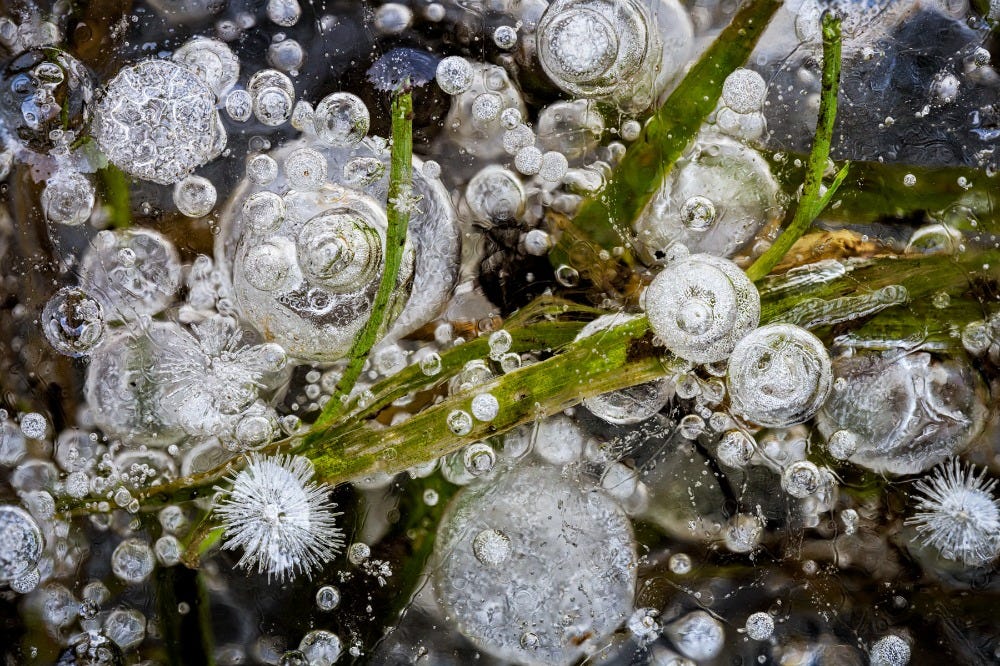
In the past you’ve written beautifully about the joy of experimentation, with abstracts, woodland scenes, and different techniques. How important is creative play in keeping your photography fresh and fulfilling?
As above, I do think the same thing is not true for all people. I know that just visiting new places, or returning somewhere in a different season or different weather, these can all help to make fresh images. I think, for me personally, I place less emphasis on experimentation than I did, say, 10 years ago. Perhaps it’s just me getting old, but I find my biggest motivation is to photograph the things I love and to create work that reflects this. If that means repeating myself, then that’s what I’m happy to do. Perhaps that’s creatively lazy, or perhaps my experimentation is more to do with attempting increasingly crazy, complex compositions of crazily chaotic and scruffy woodland. As ever, it comes back to what you see and what speaks to you and finding ways of creating an image that reflects this. If occasionally I can succeed in doing so, that’s motivation enough.
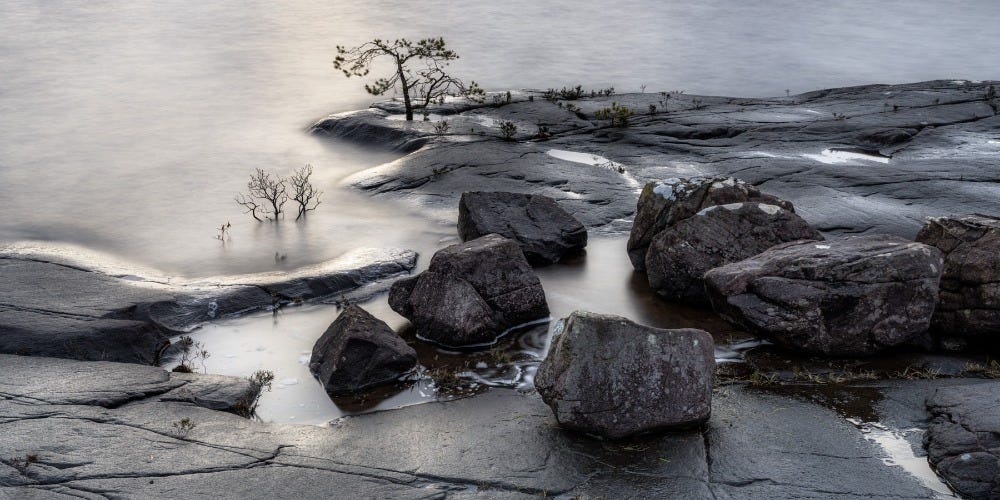
Finally, after years of exploring and teaching landscape photography, what continues to inspire you to head out with your camera, and what keeps that sense of wonder alive?
That’s an easy one to answer – the natural world – it never ceases to amaze me.
You can see more of Lizzie’s beautiful work, including information for prints and workshops at:
https://www.lizzieshepherd.com
Subscribe to Lizzie’s Substack.
No posts
Comments
Nothing yet. Say the first thing.
Sign in to join the conversation.